Okunoshima Cycling Tour
Explore the light and shadow of Rabbit Island—once erased from the map—with a guide
Category:
-
Sightseeing
Filming also took place in the Takehara Townscape Preservation District!
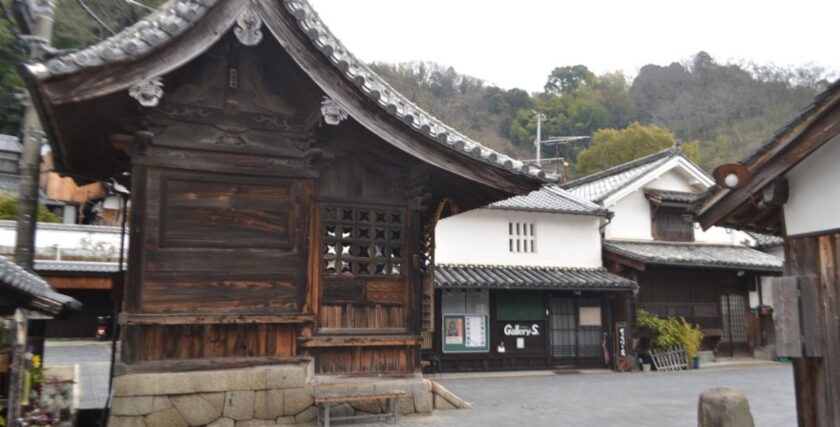
Released in 1983, director Nobuhiko Obayashi’s “The Girl Who Leapt Through Time” is considered part of the Onomichi Trilogy, but actually, many scenes were filmed in Takehara. Filming took place in the Townscape Preservation District, and director Obayashi, along with the cast and crew, took breaks at the okonomiyaki restaurant “Horikawa.”
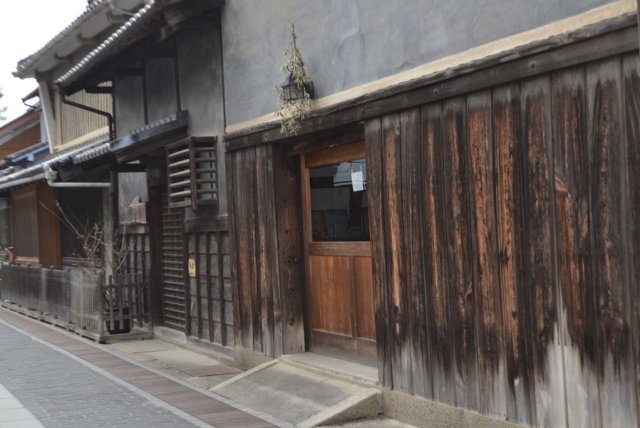
The opening credits feature many shots of the Townscape Preservation District. In the background of the commute to school, you’ll find not only buildings but also close-ups of lattice windows and roof tiles—elements that make up the townscape. It’s fun to try spotting them.
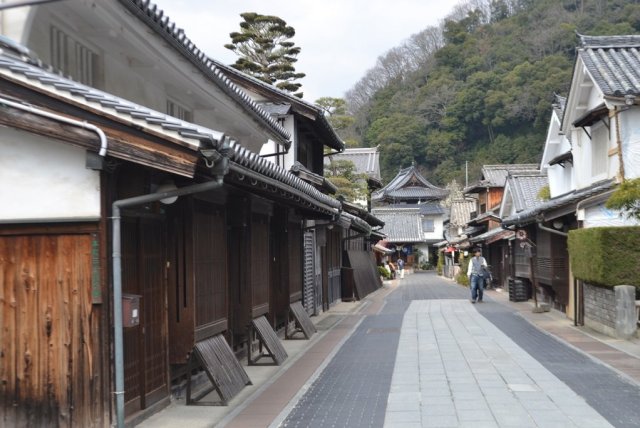
The route the characters take to school goes north through the townscape and turns left at Ebisu-do Hall at the end. You can identify the locations from the commute scenes that appear throughout the film. The scenery remains almost unchanged even today.
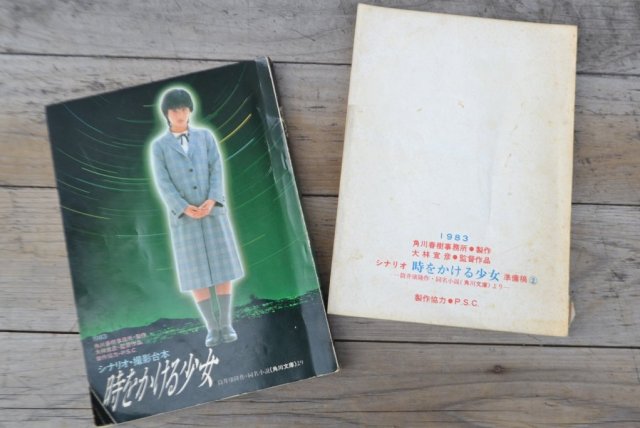
Toshinori Omi’s character “Goro Horikawa” was originally “Goro Asakura” in Yasutaka Tsutsui’s novel. The script also had “Asakura” written in it. However, director Obayashi liked the Horikawa residence below Saiho-ji Temple and decided to make it Goro’s family home, which led to the name change to “Horikawa.” The script with handwritten corrections is preserved at the okonomiyaki restaurant “Horikawa” and can be viewed.
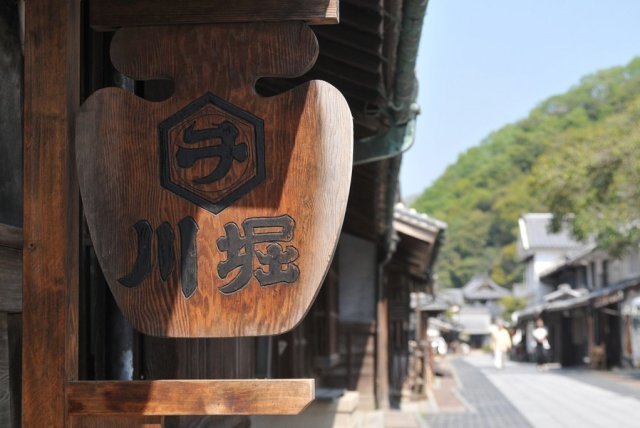
Goro Horikawa was the son of “Horikawa Soy Sauce.” Director Obayashi gave this soy sauce shop sign as a gift after filming. Unfortunately, the current one is the second generation. The original broke, so it was recreated to match.
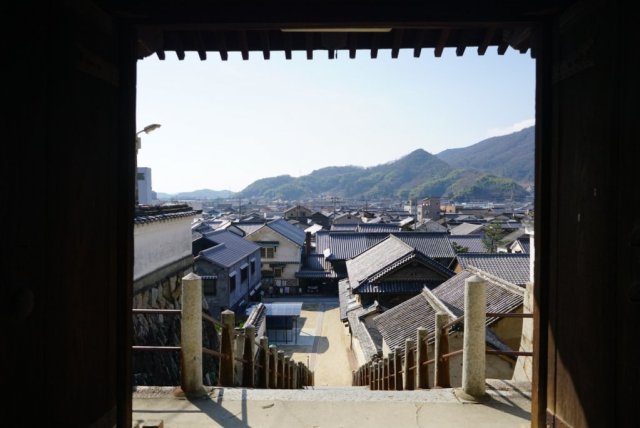
Kazuko Yoshimura, played by Tomoyo Harada, descends these stairs at Saiho-ji Temple many times to go to school and visit Goro. The left side is now vacant land, but there was a house there during filming.
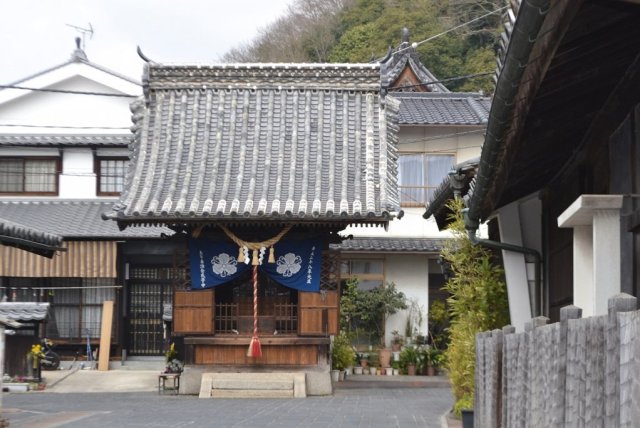
This Ebisu-do Hall is the shrine with the damaged roof. In the film, it may be hard to tell because the doors are tightly closed, but normally the doors are open. Ebisu-do appears from various angles—from above, from the side, and more.
Explore the light and shadow of Rabbit Island—once erased from the map—with a guide
Sightseeing
Collect stamps and get Takehara gourmet treats!
Dining
Sightseeing
What are the Kitamaebune ports of call and shipowner settlements?
Sightseeing