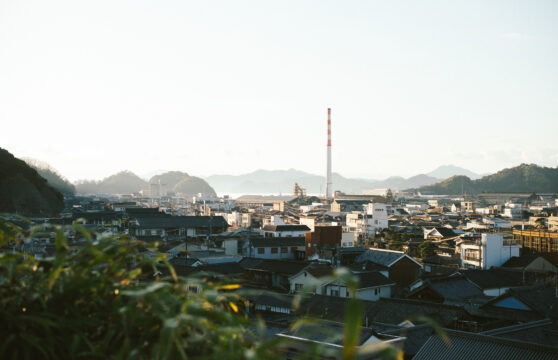
Where sea, sky, and cherry blossoms meet in a beautiful overlap— Asahiyama Observatory
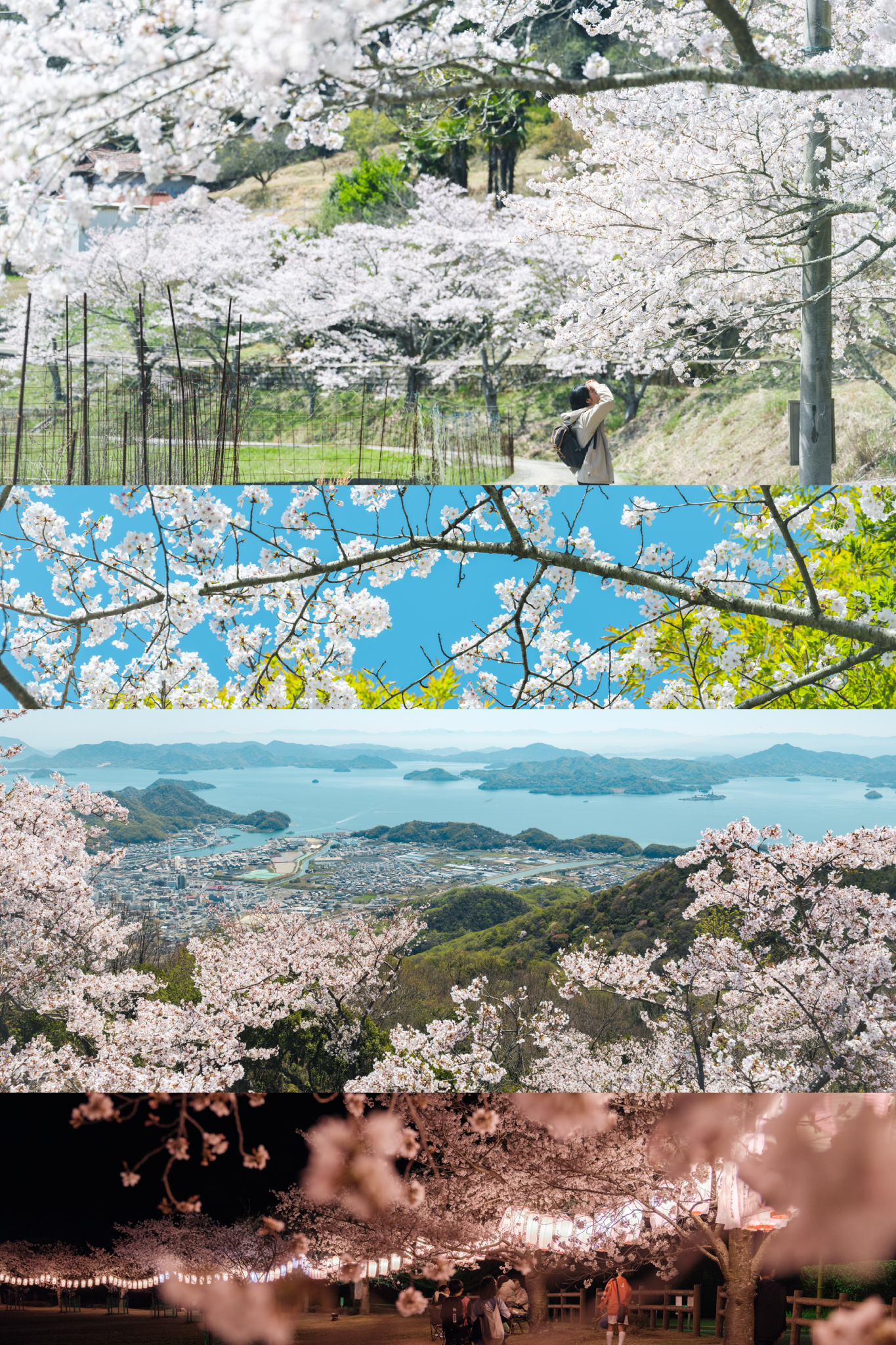
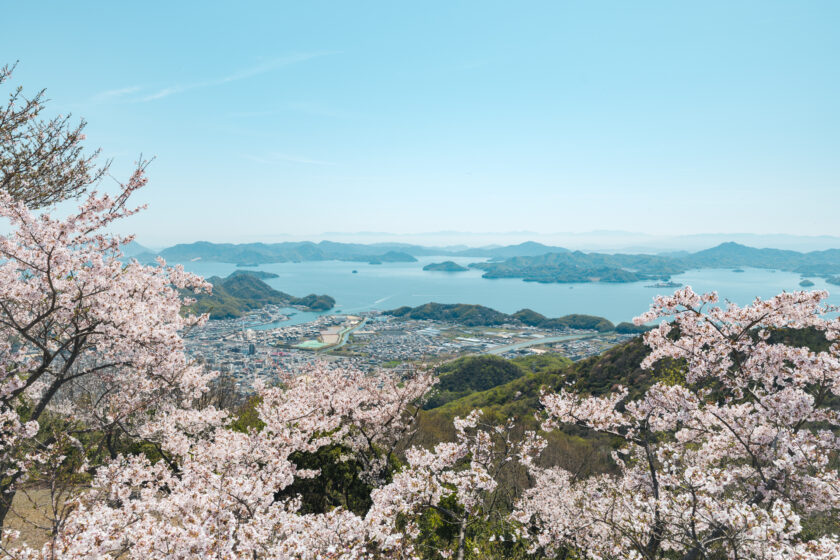
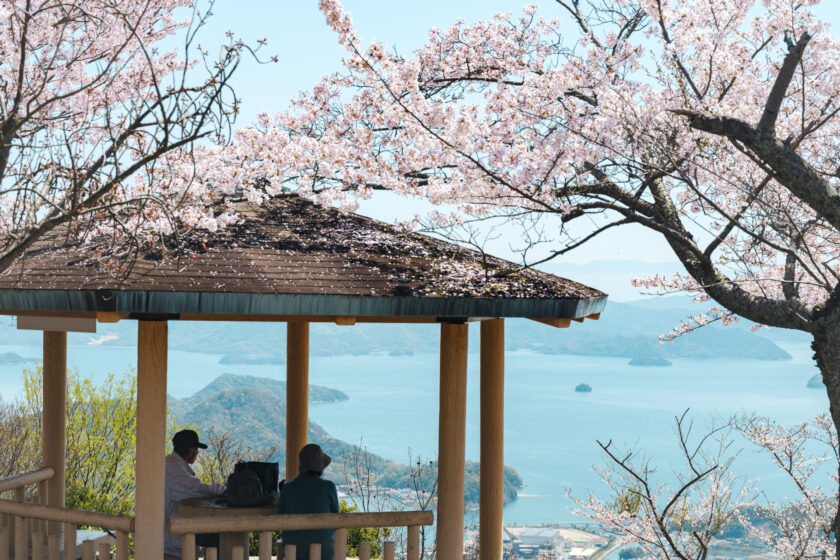
Asahiyama Observatory, at an elevation of 454 m, is a little-known scenic spot where you can take in sweeping views of central Takehara and the Seto Inland Sea. It’s also popular as a hiking route, but you can drive almost all the way to the top, and in spring you’ll see visitors who come specifically for cherry-blossom viewing. From the parking area, follow the small Jizo statues dotted along the mountain path up to the summit. Climb the observatory and you can enjoy cherry blossoms at eye level. The blossoms around the gazebo are also beautiful, and as you take a break you can soak in the view where sea, sky, and pale pink flowers blend together. On clear days, you may even be able to see as far as the Shikoku mountain range. The road is narrow, so a compact car is recommended if you’re driving.
A cherry-lined path that makes you want to come back every year— Peacely Home Bamboo Park
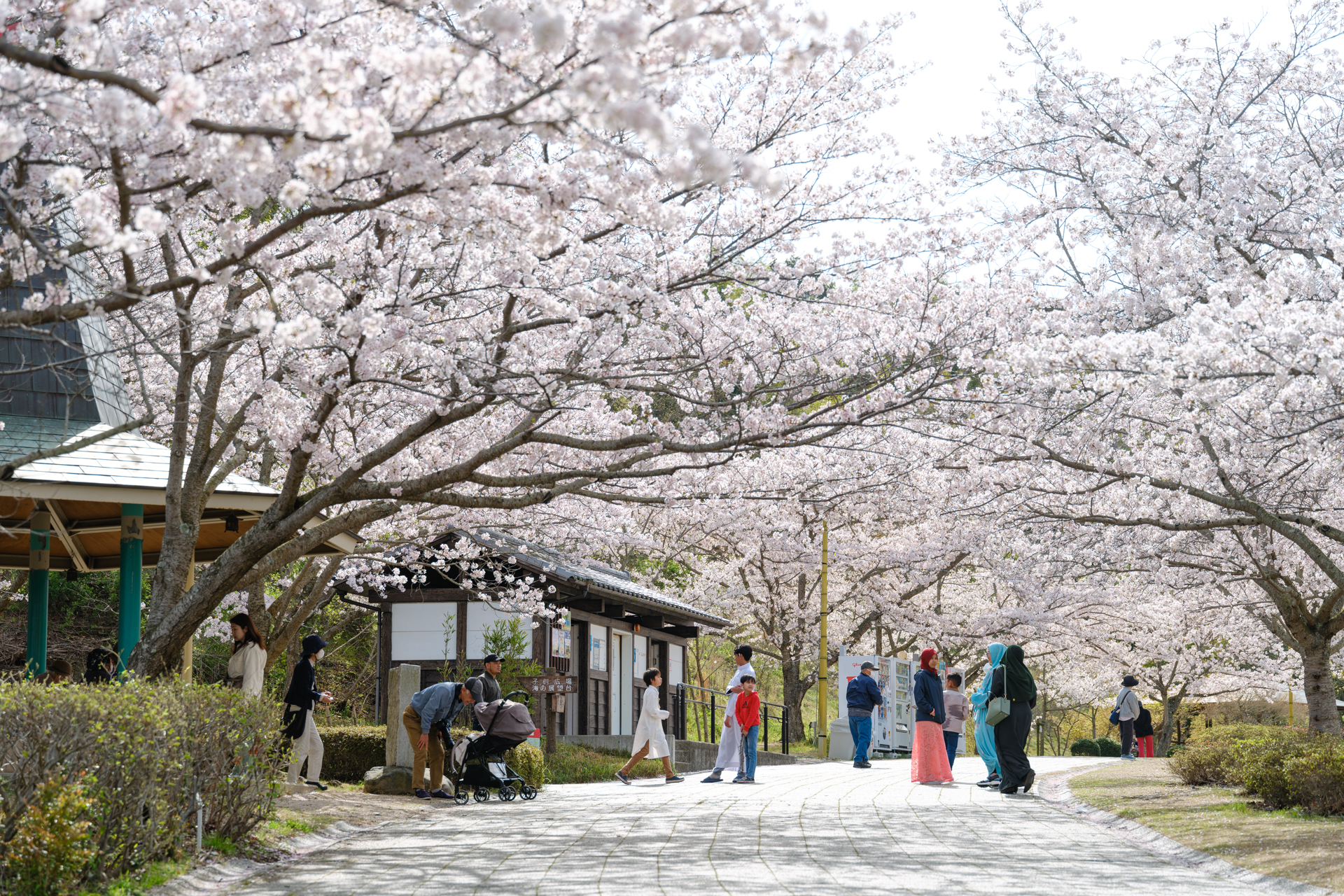
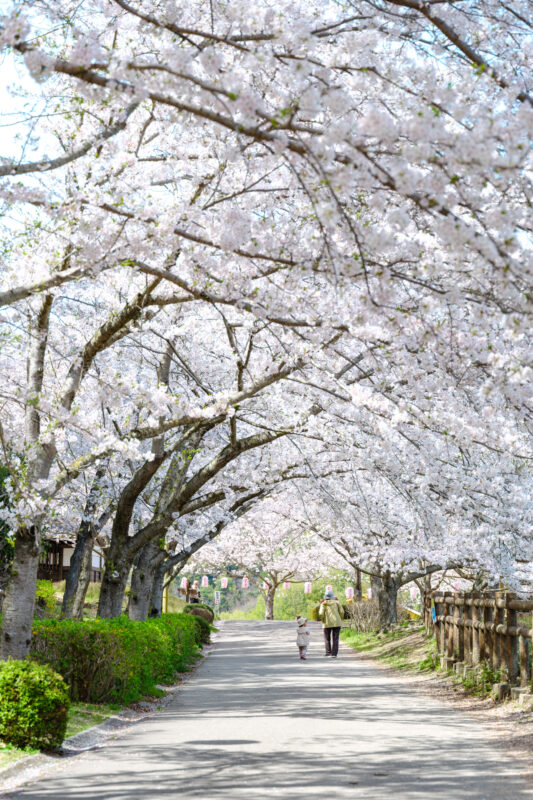
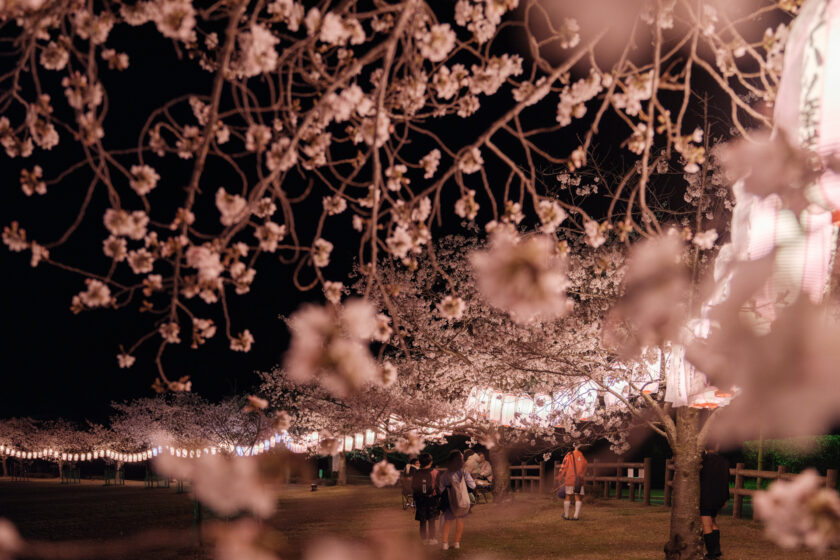
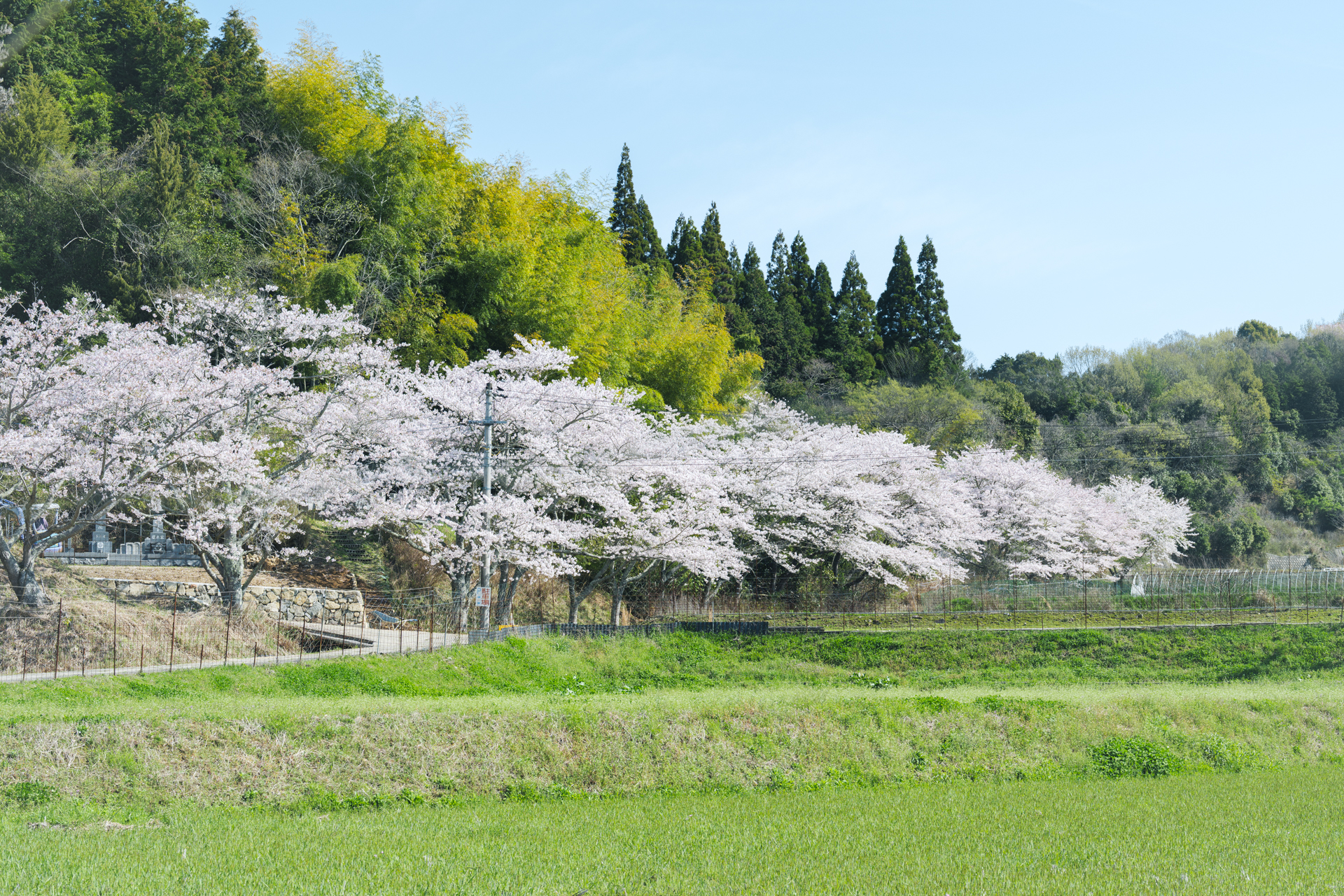
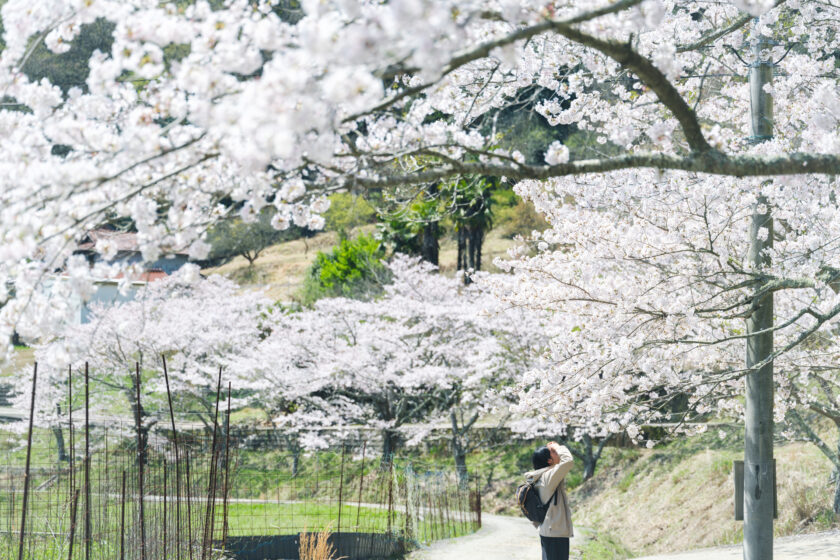
The cherry trees at Bamboo Park, planted little by little by local residents, now include 20 varieties and more than 1,300 trees. When spring arrives, a gentle scene spreads throughout the park. Along with the avenue of Somei Yoshino in full bloom, you can also encounter rare varieties unique to this spot—such as the showy Omura-zakura with its many petals, the green-flowering Gyoiko, and Yokohama-zakura, a second-generation descendant of Shokawa-zakura. Developed around the theme of “bamboo,” the park is a place where everyone—from children to seniors—can drop by easily and spend springtime in their own way. Many people who visit year after year say they can feel their family growing up alongside the blossoms.
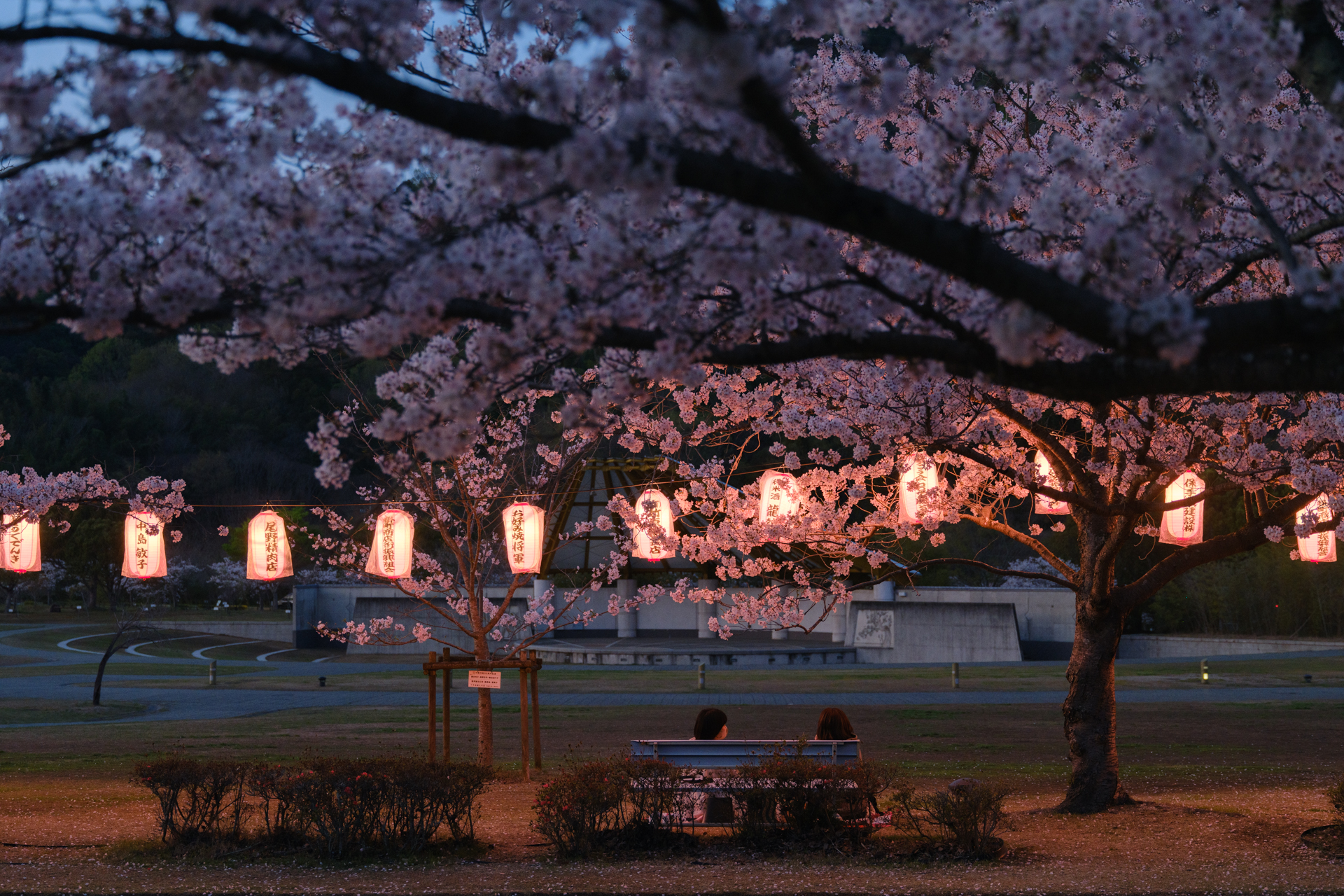
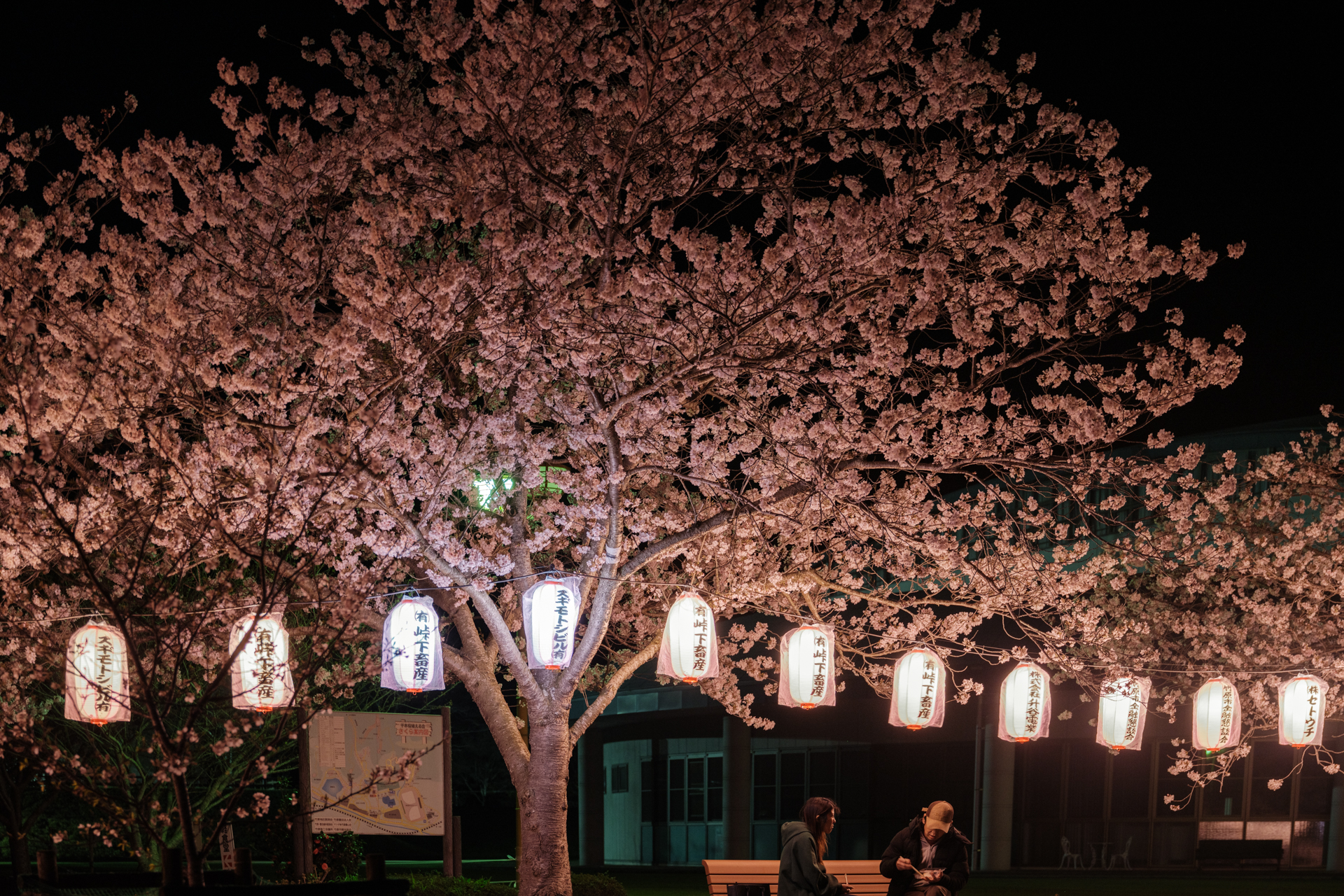
Another special feature of this park is that at night the lanterns are lit, and you can relax on benches or the lawn while admiring the dreamy, illuminated cherry blossoms. The atmosphere is calmer than during the day. Why not spend a peaceful spring evening here?
A riverside cherry-blossom road that signals spring in Takehara— Along the Kamo River embankment
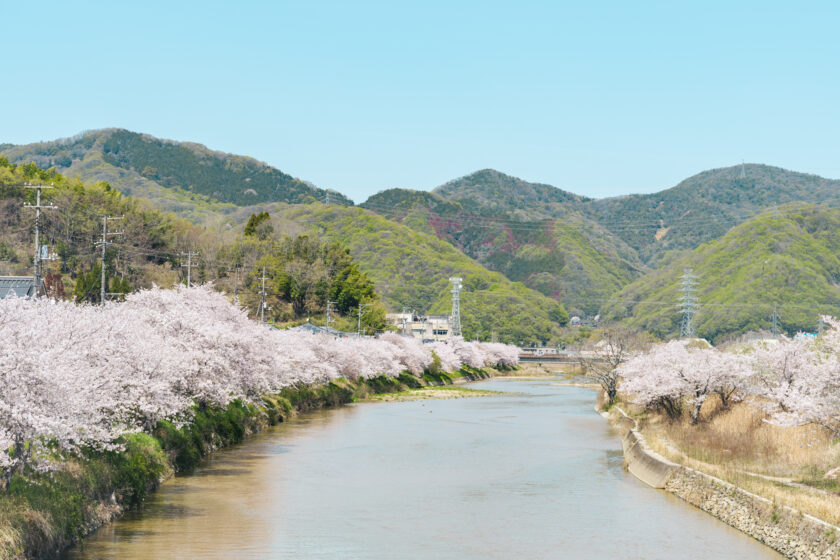
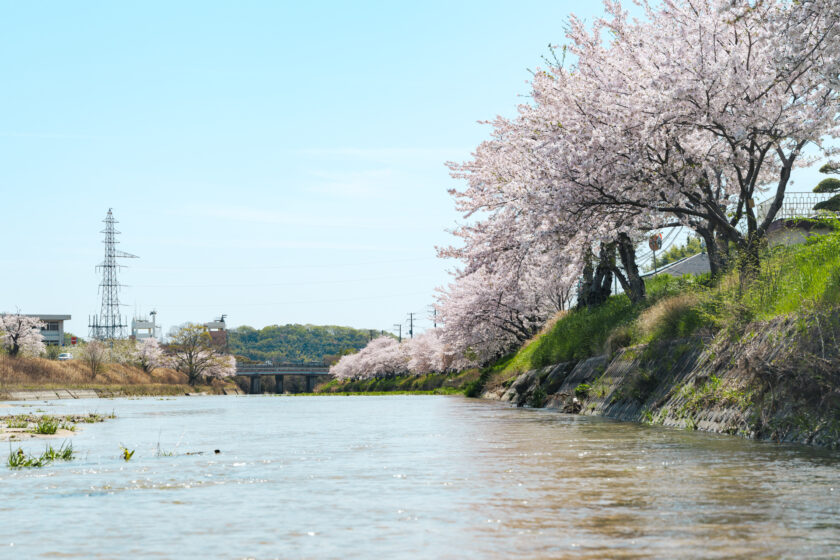
The Kamo River, which flows through the city, is a symbolic river that has shaped Takehara’s scenery. In particular, a row of cherry trees continues along the embankment from Takehara Junior High School toward National Route 185, and in spring the river’s surface and the blossoms create a beautiful contrast. Many people likely catch sight of them on the way to work or school and feel spring’s arrival in the changing color of the blossoms. With the junior high nearby, this area also has a hint of youth—perfect for after-school walks home and casual conversations. The surrounding area is residential, and the road is narrow with passing traffic, so it’s best to enjoy the spring scenery as you stroll without stopping.
An Edo-higan cherry tree that gently watches over a couple’s bond— Konashi “Meoto-zakura” (Couple Cherry Tree)
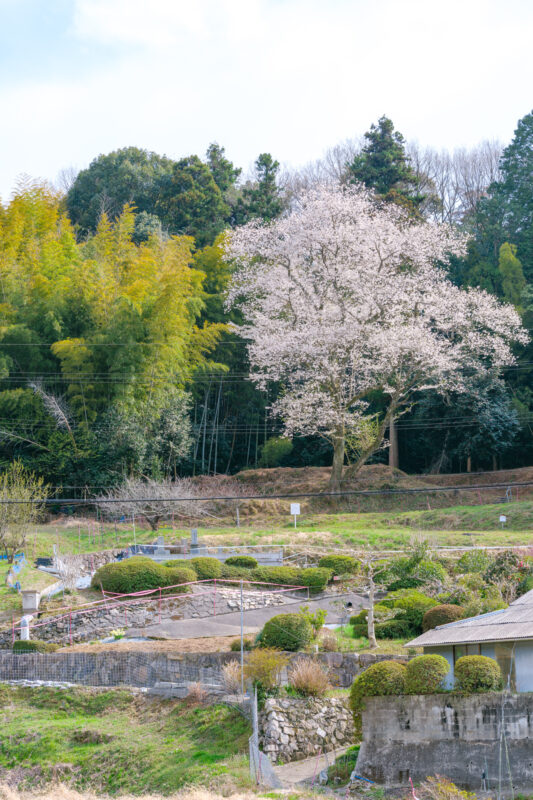
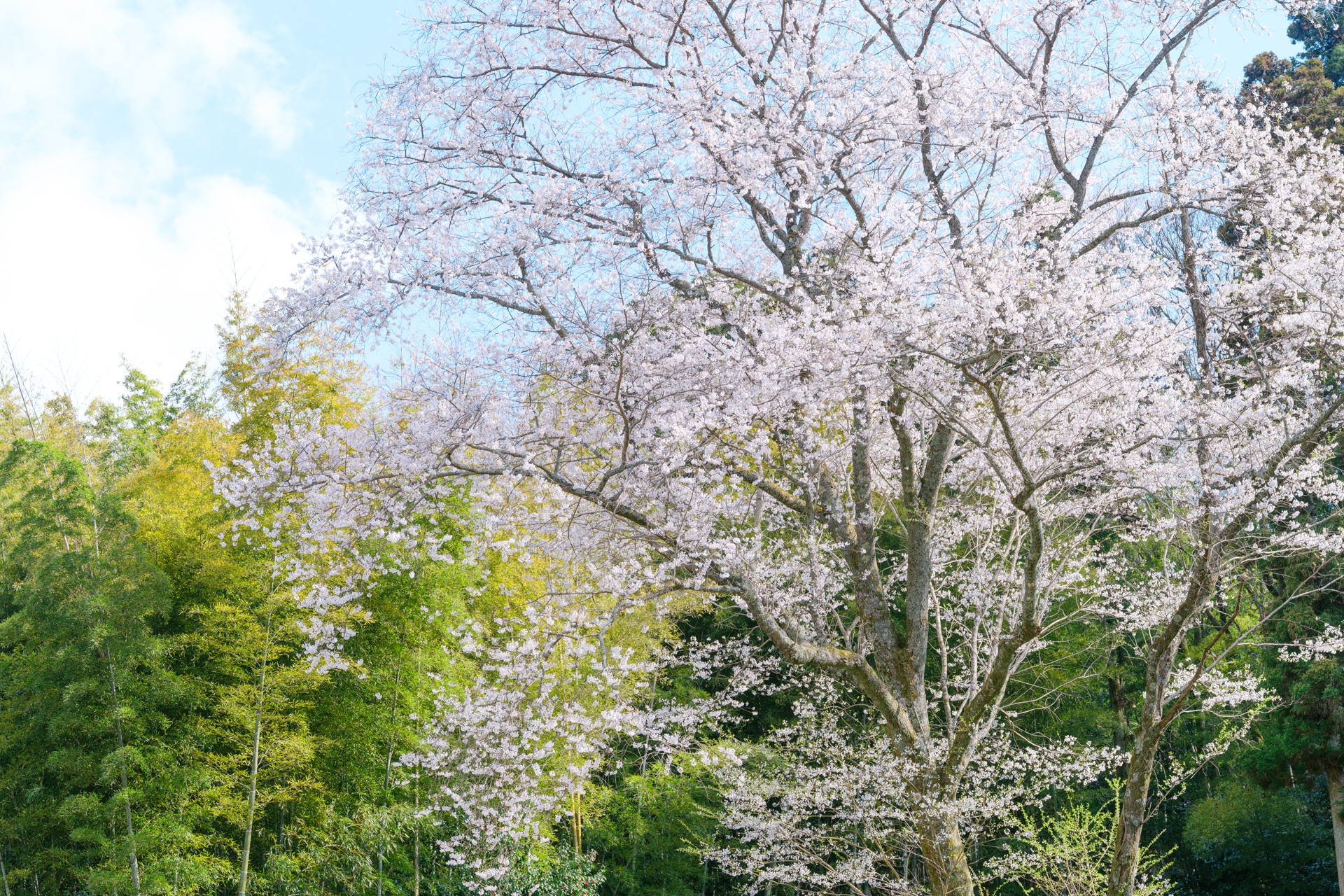
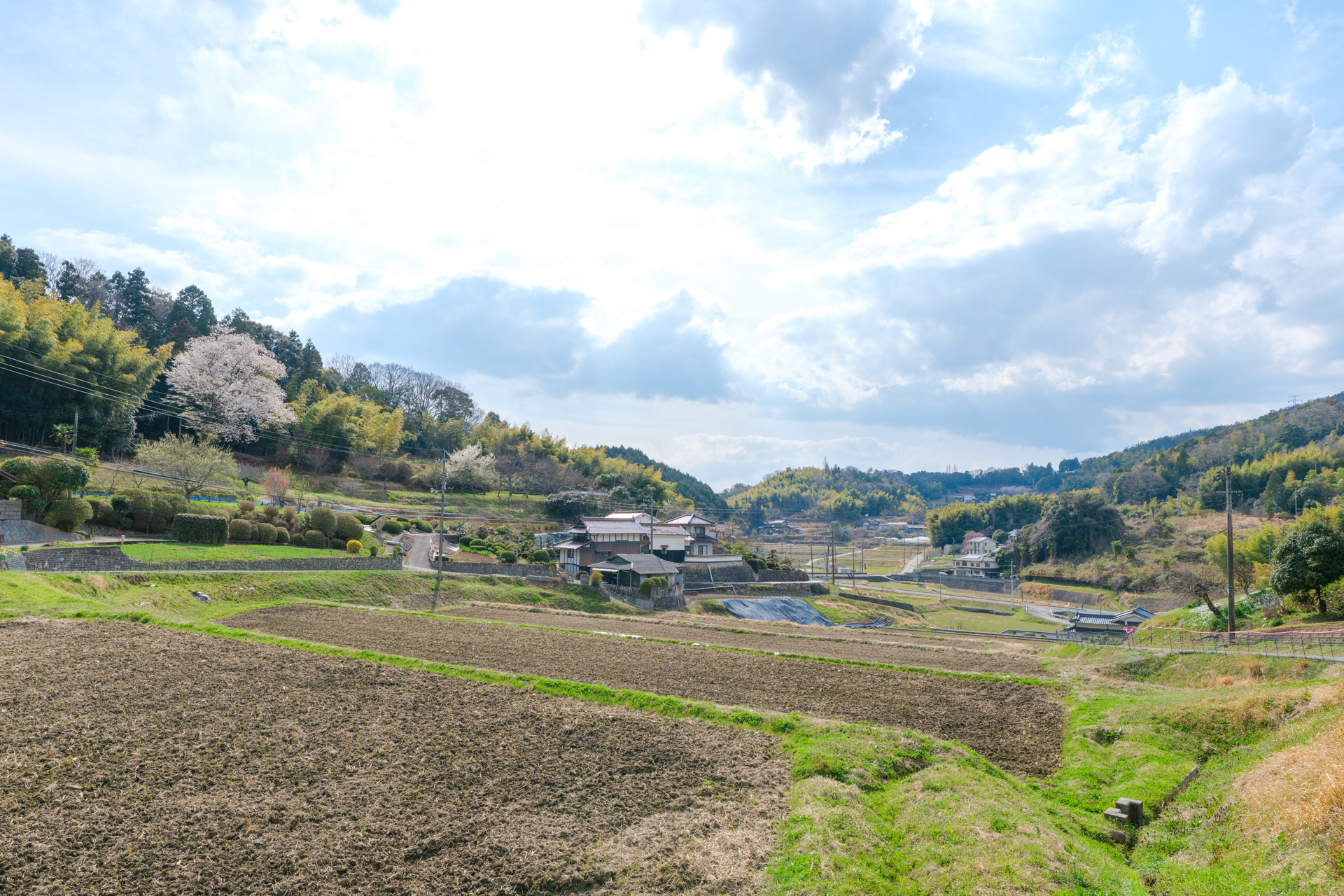
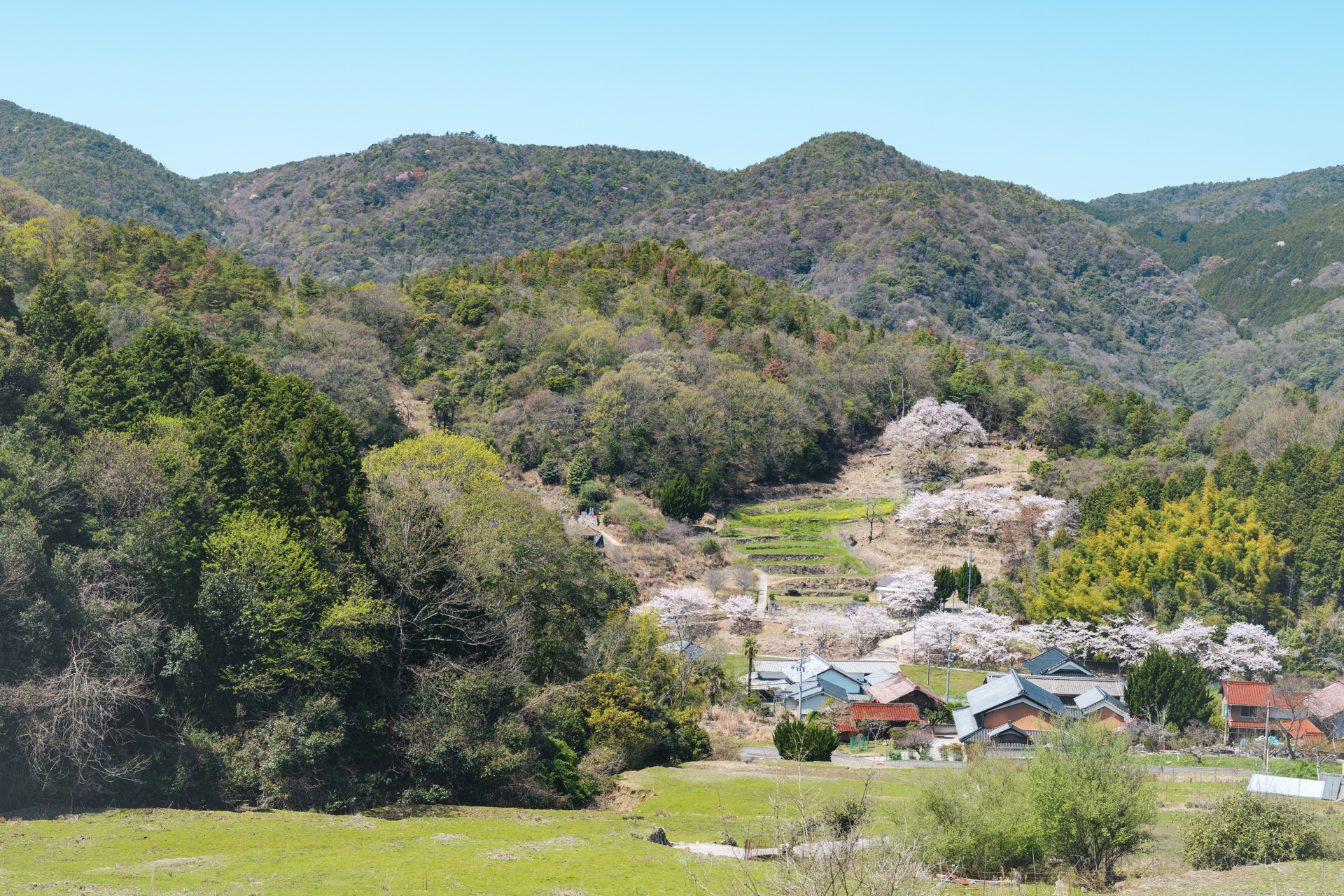
About 15 minutes by car from central Takehara. The Konashi area is a historic satoyama village where the Konashi clan, a branch of the Kobayakawa family, once established its base. It’s a nature-rich place with farming centered on rice cultivation, known as well for its famed spring water and as a habitat for fireflies. In one corner stands the Edo-higan cherry tree known as the “Konashi Great Cherry Tree,” about 20 m tall with a trunk circumference of 3.07 m. Because it splits into two from the base, it’s called the “Couple Cherry Tree” and has long been cherished by locals. There’s even a legend that “if you view the blossoms beneath this tree, your marriage will be harmonious.” More than its showiness, it’s a single cherry tree whose long history is deeply moving.
A special moment beneath the “cherry blossom gate”— Shorenji Temple
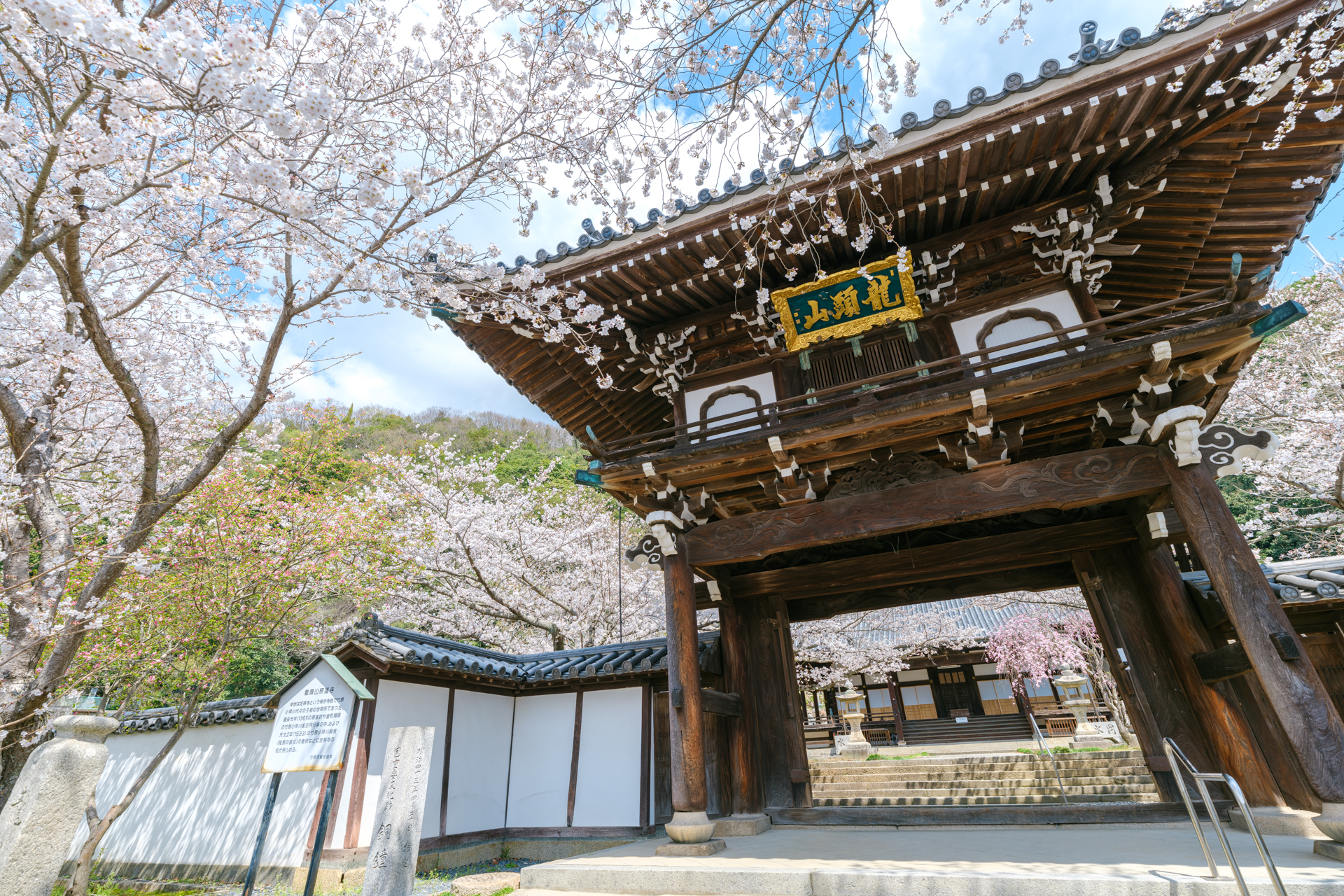
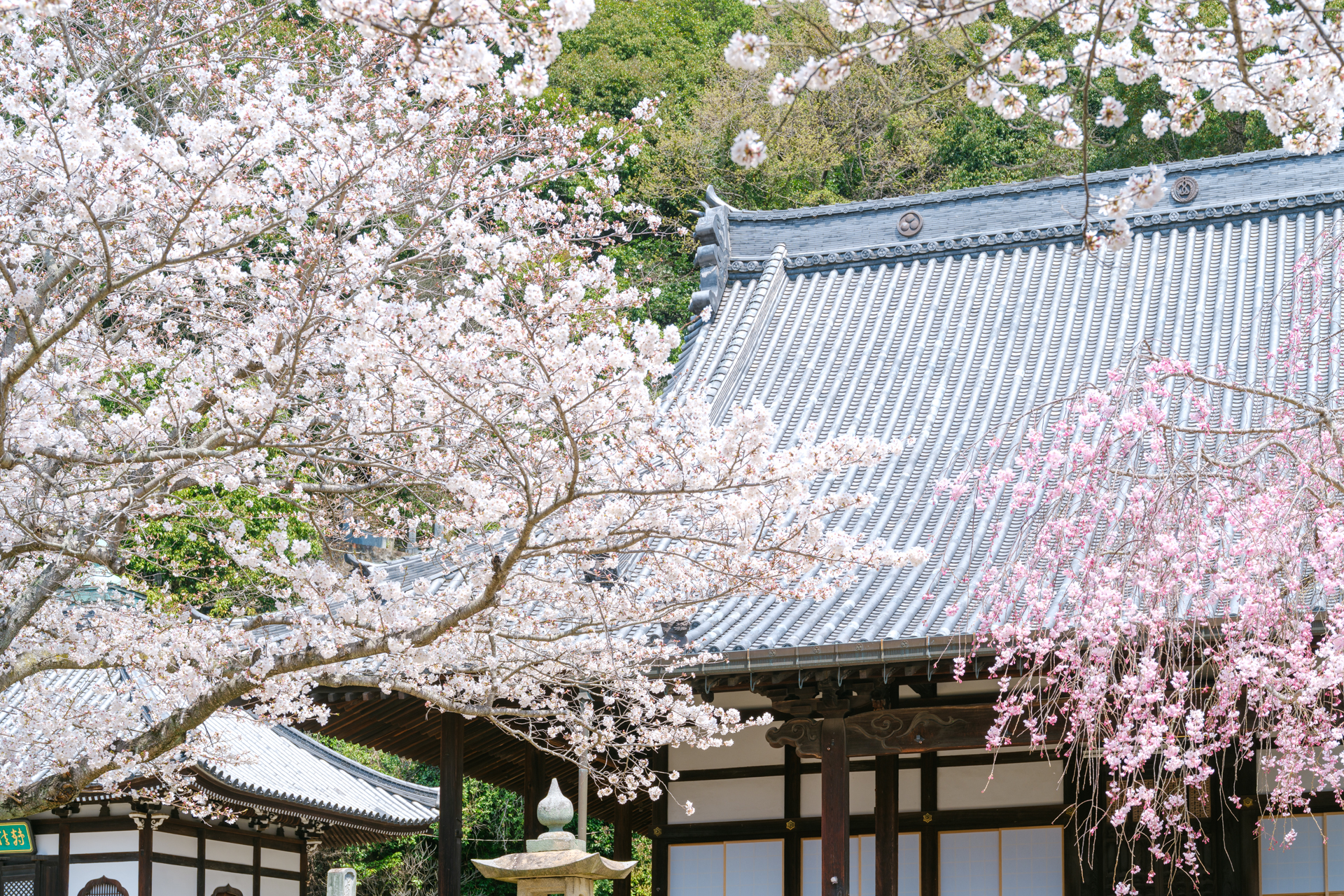
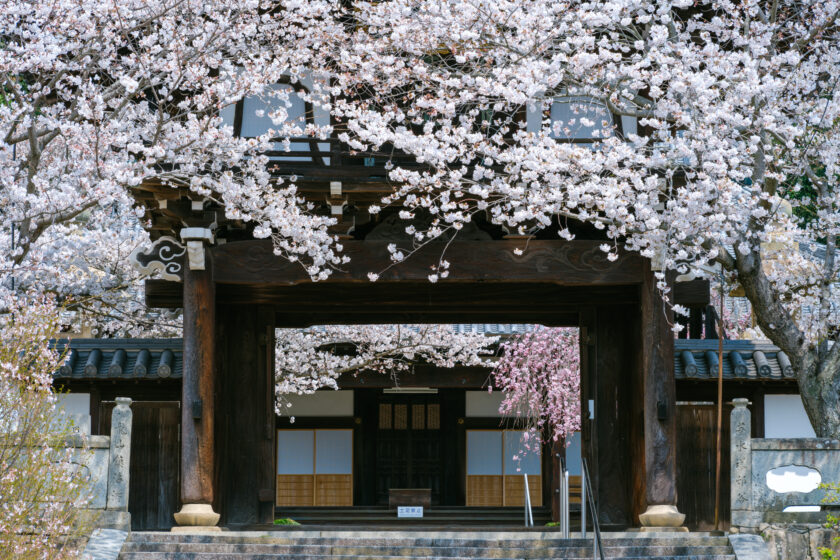
Shorenji Temple sits on the north side of the Historic Preservation District. Known as a local cherry-blossom viewing spot, in spring the blossoms bloom in an arch in front of the temple gate, creating a scene like passing through a “cherry blossom gate.” Many are drawn to the view of cherry blossoms woven together with the historic buildings, and it’s sometimes chosen as a wedding photo spot. Not only are the blossoms filling the grounds beautiful, but so is the sight of petals quietly swirling down, softly tinting the ground below—truly unforgettable. Even as they fall, the blossoms are beautiful, and time seems to slip away in a way that feels unique to spring. It’s a memorable scene you’ll want to drop by with a camera in hand as you stroll through the Historic Preservation District.
A satoyama great cherry tree that shares the region’s history— Sukune Great Cherry Tree
In Takehara’s mountain countryside, follow a narrow road from the highway and continue through the Sukune settlement for a while, and you’ll come upon the “Sukune Great Cherry Tree,” standing as if quietly watching over the community. Said to be about 200 years old, this Edo-higan cherry tree was designated a Takehara City Natural Monument (City Important Cultural Property) in 2014. Having aged alongside life in the settlement, this tree is still carefully protected today, led by local residents through the “Sukune Great Cherry Tree Preservation Society.” Edo-higan is also known as the parent tree of Somei Yoshino. Though the blossoms are small, their pale crimson is beautiful, and the tree shows a dignified presence unique to a wild variety beneath its delicate charm.
Notice The Sukune Great Cherry Tree fell in 2025, and only the base remains today. You cannot enter the area up close, but as a City Important Cultural Property (Natural Monument), it is being watched over in the hope that its roots are still alive. Along the road, Somei Yoshino cherry trees also stand quietly. Please consider stopping by during a spring walk.
With the arrival of spring, cherry-blossom scenery gently loosens our hearts. From budding to full bloom, and even to the clean, decisive way the petals fall, the blossoms can feel like they’re giving us a little push, saying, “Let’s start walking again for another year.” In Takehara, you’ll find all kinds of spring scenes—from cherry blossoms right beside everyday life to single trees worth going out of your way to see. Quietly on your own, side by side with someone special, chatting with friends—what kind of cherry blossoms stay with you? This spring, too, head out to meet Takehara’s cherry blossoms.