Relax in Takehara! A Healing Course
Recommended Season: Spring / Summer / Fall
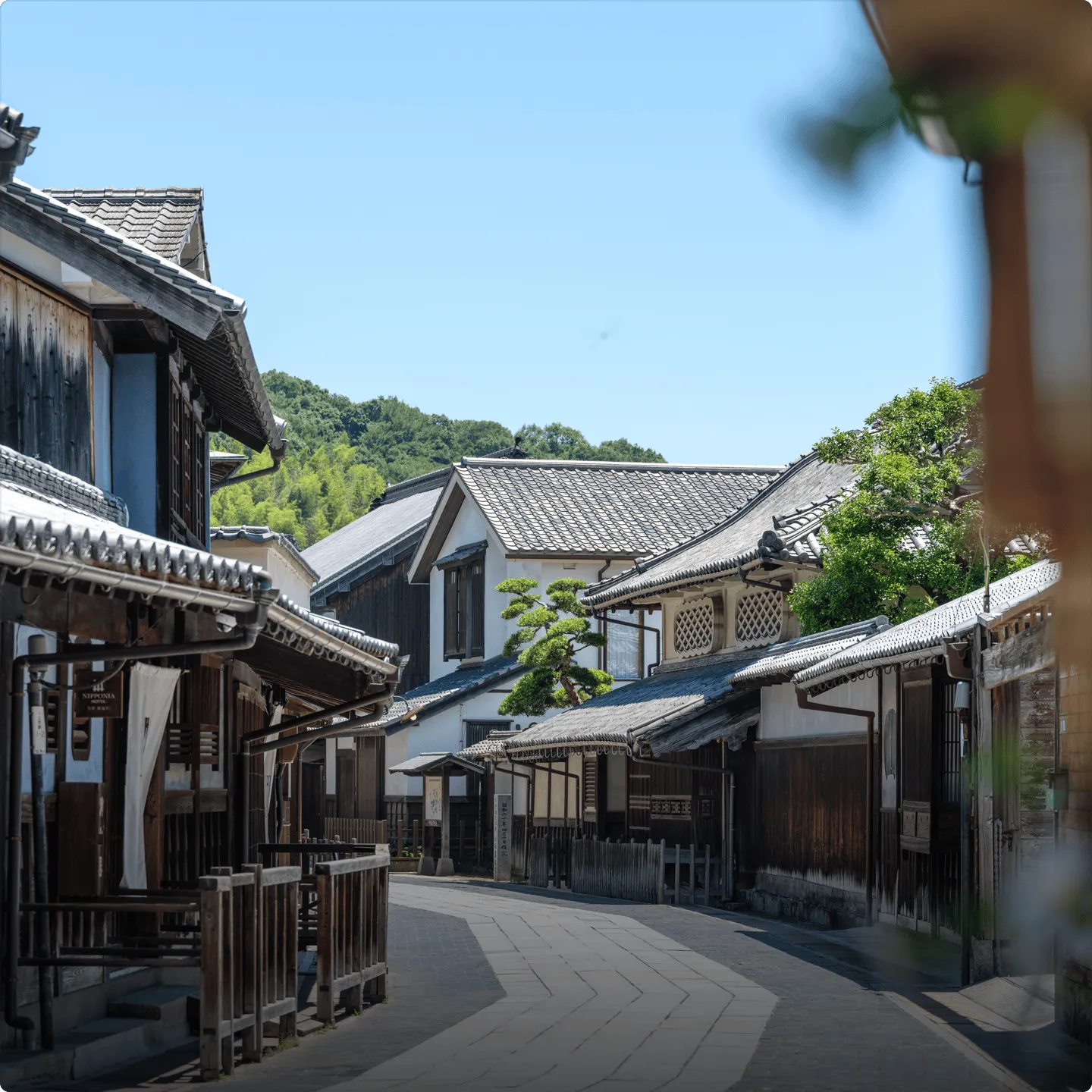
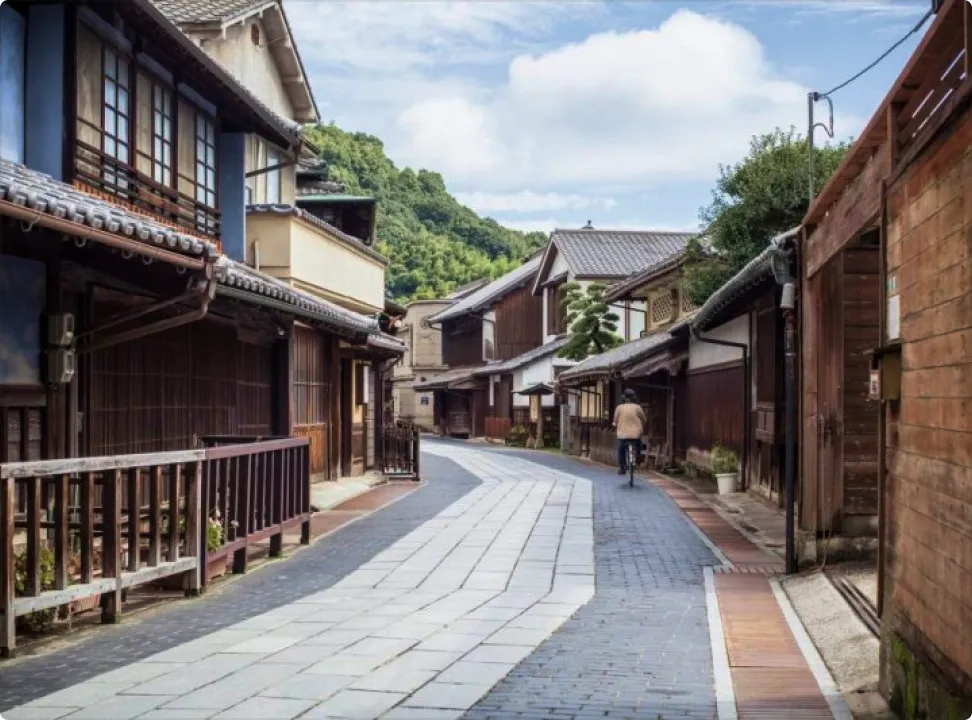
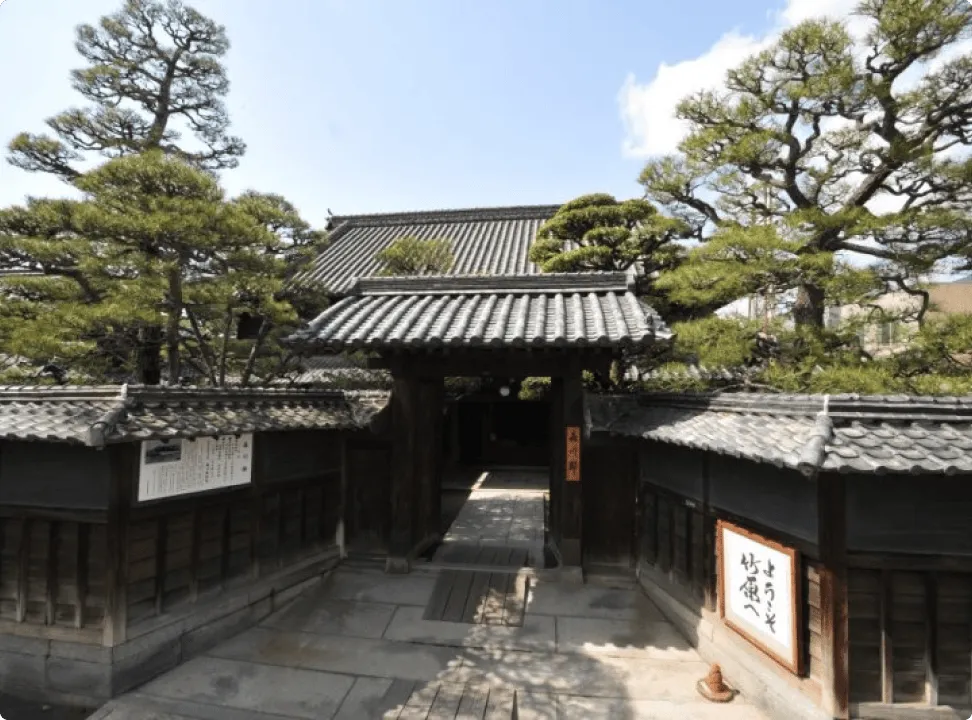
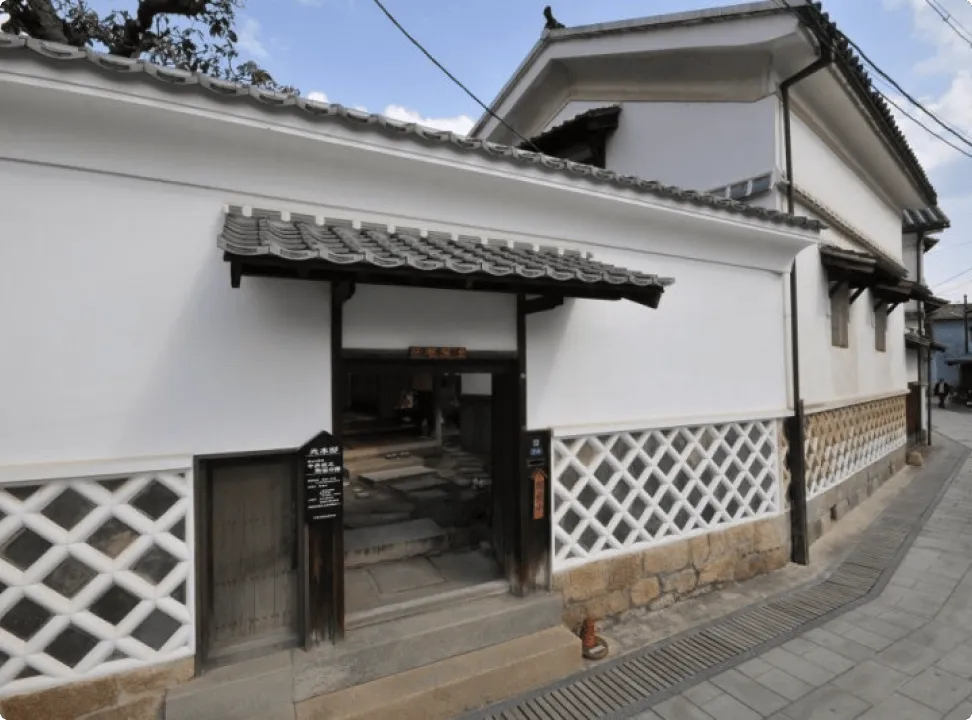
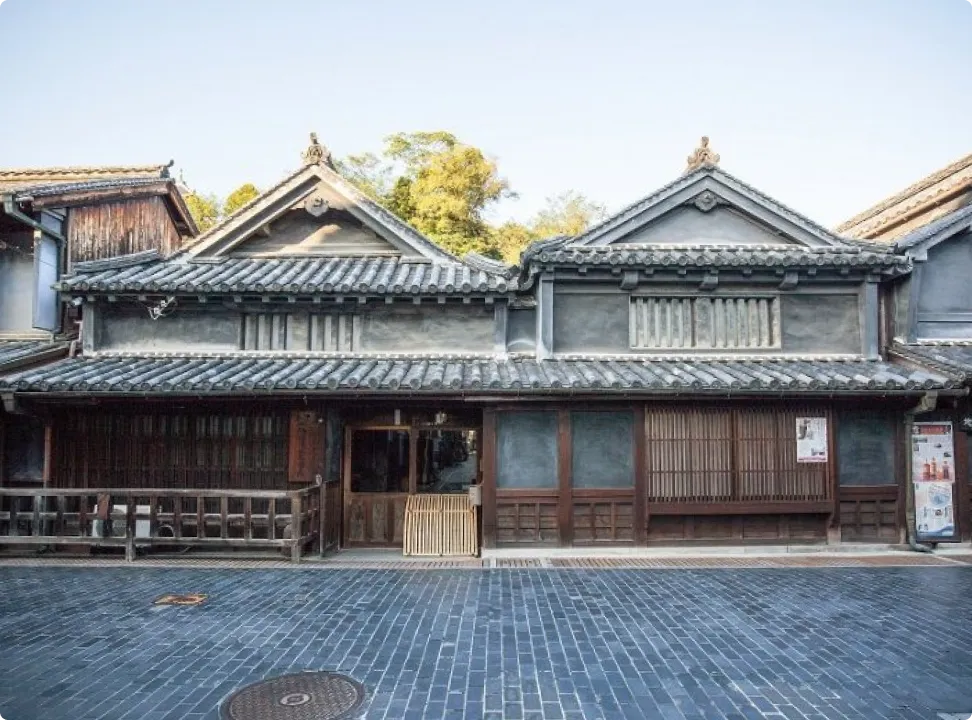
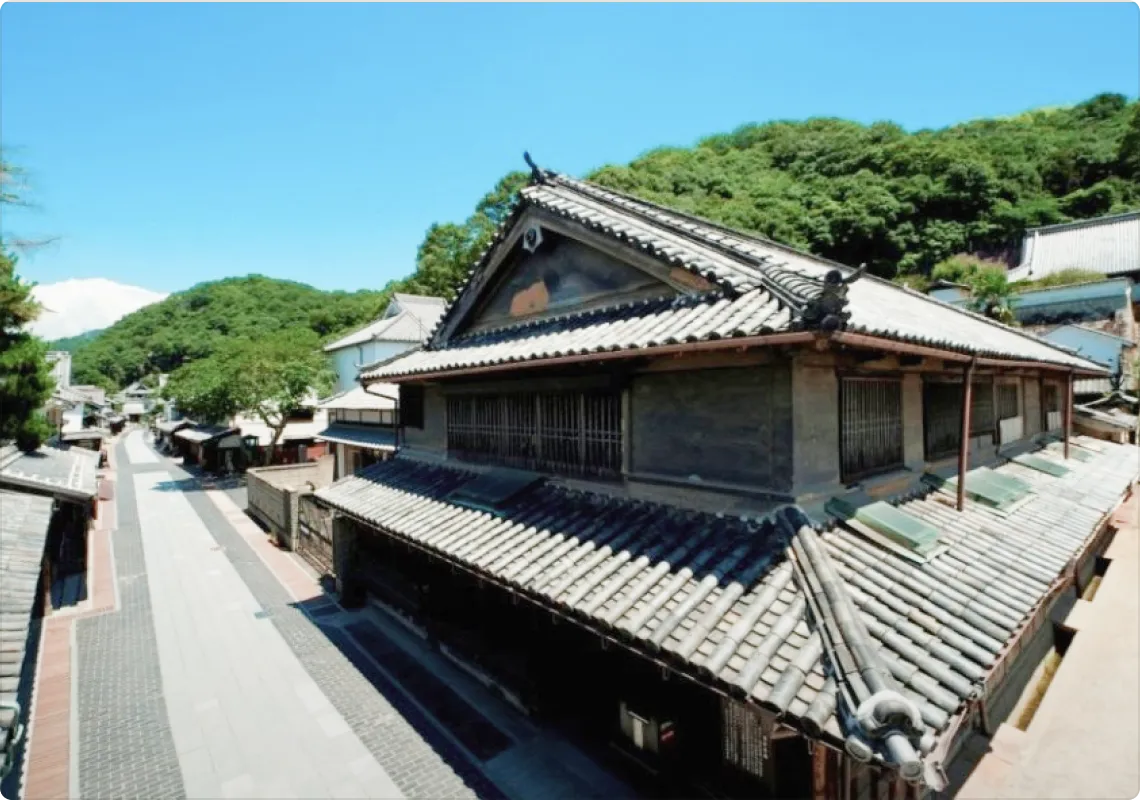
Streets lined with white-walled storehouses and amber-colored lattice windows, under the calm presence of traditional clay-tiled roofs.
Stepping into the Takehara Historic District, designated as an Important Preservation District for Groups of Traditional Buildings, feels just like traveling back in time to the Edo period.
Often called the “Little Kyoto of Aki,” this district is more than just a collection of old buildings. It is a place where the history of its peak as one of the Seto Inland Sea’s leading producers of salt and sake still lives on vividly today.
Why was such a beautiful and dignified townscape created? The secret lies in the story of the salt that made this town a Japan Heritage site, and the Kitamaebune ships that carried that salt across the country.
Let’s go on a journey to feel the spirit of the people who built this town, set within a retro landscape where time seems to have stood still.
This stunning townscape was built by wealthy merchants known as “Hamadanna,” who made their fortunes in the Edo period through the salt industry using the “Irihama-style” salt fields. The driving force that brought them this immense wealth was the Kitamaebune.
The Kitamaebune were a fleet of merchant ships that traveled between Osaka and Hokkaido via the Sea of Japan from the mid-Edo period to the Meiji era, carrying large amounts of cargo. Takehara was an important port of call for them.
Kitamaebune merchants purchased salt, Takehara’s primary product, in bulk. This salt was then transported as far as Hokkaido by the ships.
When the salt arrived in what is now Itoigawa City in Niigata Prefecture (a Kitamaebune port of call), people would say “Takehara has arrived,” and buying salt was referred to as “buying Takehara.” It became so famous nationwide that it was synonymous with salt itself. Takehara salt was effectively turned into a major brand.
In the essay collection “Tanhai” written by Soan Tsumura in 1795, it was noted that “It is common for ships on the northern route to stop at Takehara in Aki to buy salt and sell it in the northern provinces,” illustrating how the town flourished through the salt trade with the Kitamaebune.
The Hamadanna built their fortunes as salt wholesalers or sake brewers based on this Kitamaebune trade. They then invested that wealth into constructing a series of elaborate, luxurious residences, shrines, and temples.
The dignified townscape seen today is living proof of the prosperity brought by salt and the Kitamaebune. This entire story is recognized as a Japan Heritage site: “A Space of Contrast Woven by the Dreams of Men Who Crossed the Rough Seas: Kitamaebune Ports of Call and Shipowner Settlements.”
Takehara’s Japan Heritage story is told through the following five “Constituent Cultural Properties,” which illustrate the energy and prosperity of the trade at that time.
This residence was not just a mansion; it belonged to the top salt wholesaler in Takehara. Vivid records remain of Kitamaebune merchants and sailors staying here, making it the very front line of trade where business deals and information were exchanged.
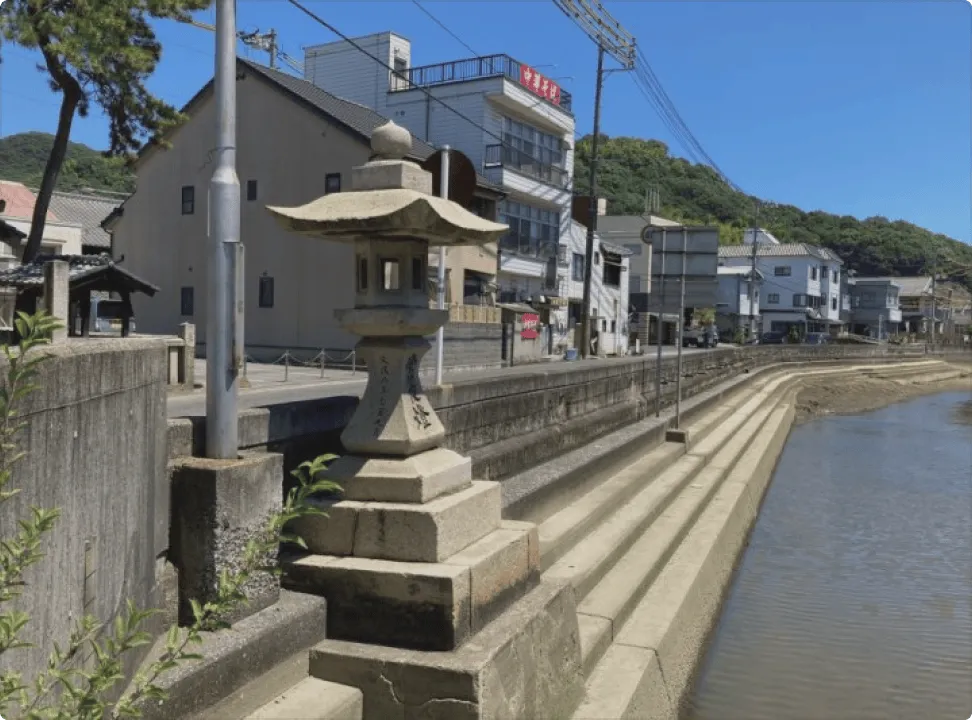
Walking a short distance from the Historic District toward the port, you will find “Joyato” (night lanterns). These were the guides of the sea, lighting the dark waters so that Kitamaebune ships coming to load salt could enter the port safely even at night. They convey the energy of the port at that time.
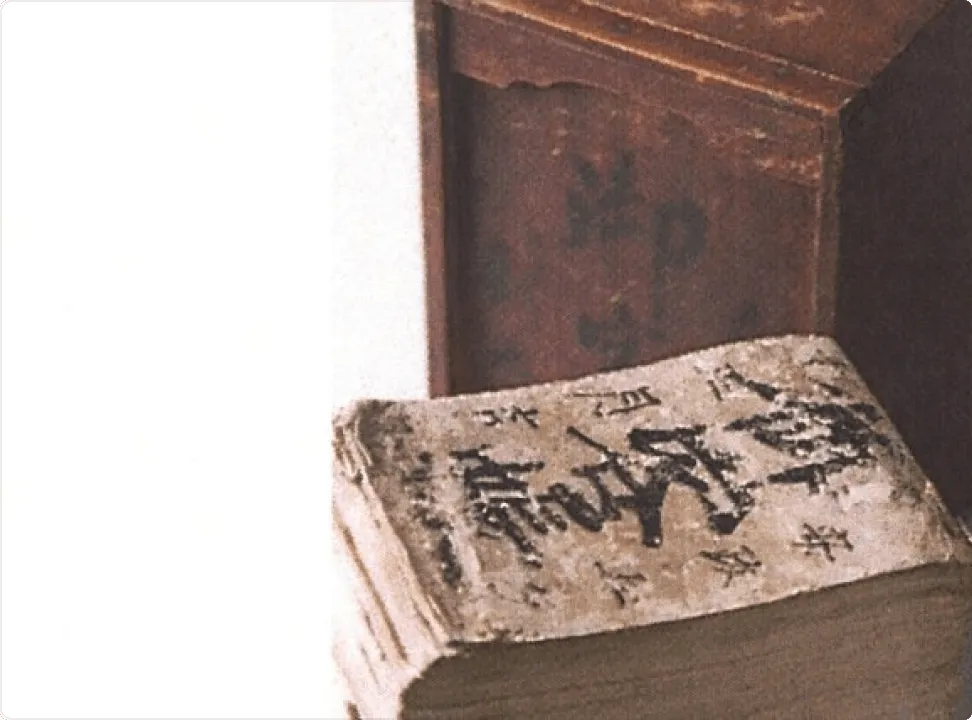
Valuable evidence supporting the prosperity of the time can be found in the collection of ancient documents held at the Takehara Shoin Library. Records of trade with Kitamaebune merchants and sales volumes showing how much salt was traded are meticulously preserved, revealing the close relationship between Takehara and the Kitamaebune.
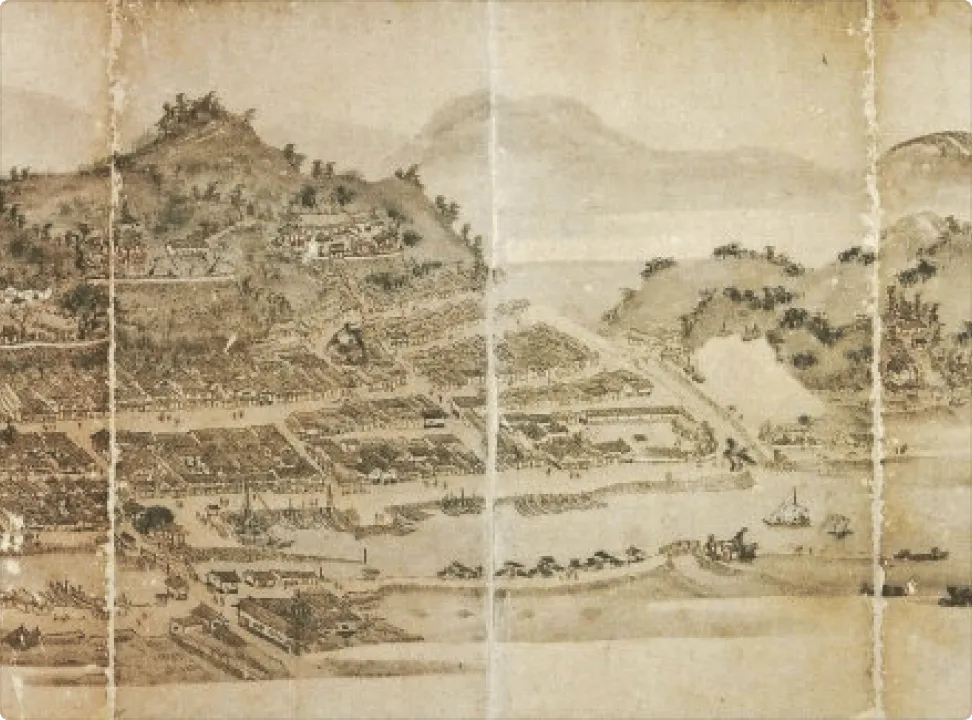
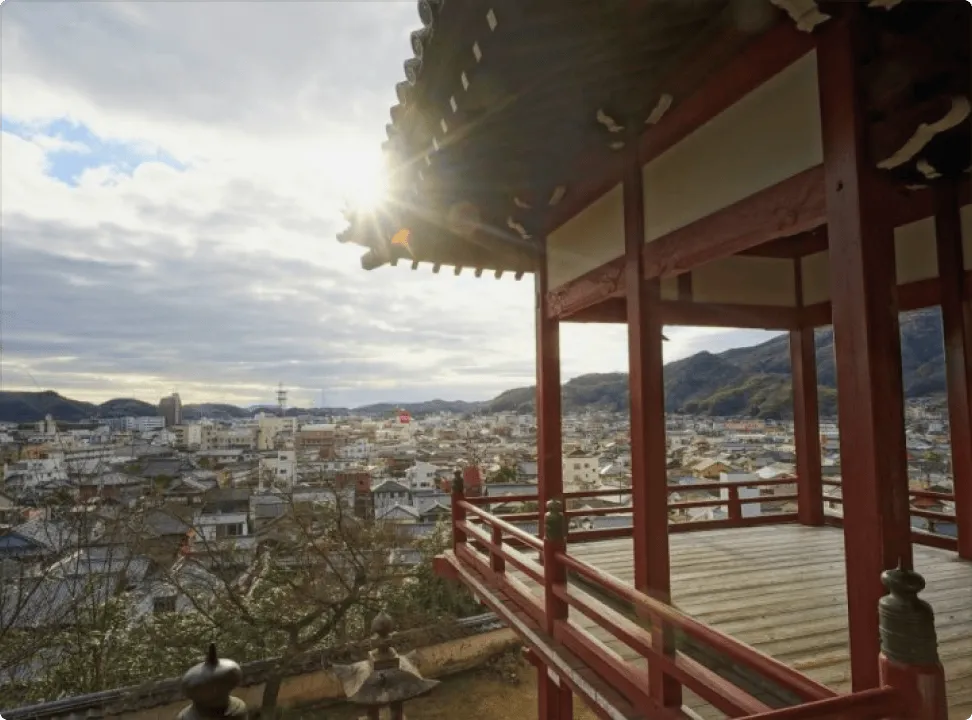
This folding screen depicts the townscape around 1800, the era when Takehara was at its most prosperous due to the salt industry and Kitamaebune trade (currently held by the Takehara Shoin Library). It provides a visual understanding of the lively lives of people, the rows of merchant houses, and the state of the port. It shows that the current townscape, where time seems to have stopped, has continued unchanged since those days.
Knowing the history makes your walk twice as fun.
Here are the must-see highlights within the nostalgic scenery.
In addition to the Former Yoshii Residence, the mansions left by the Hamadanna continue to convey the prosperity of that era.
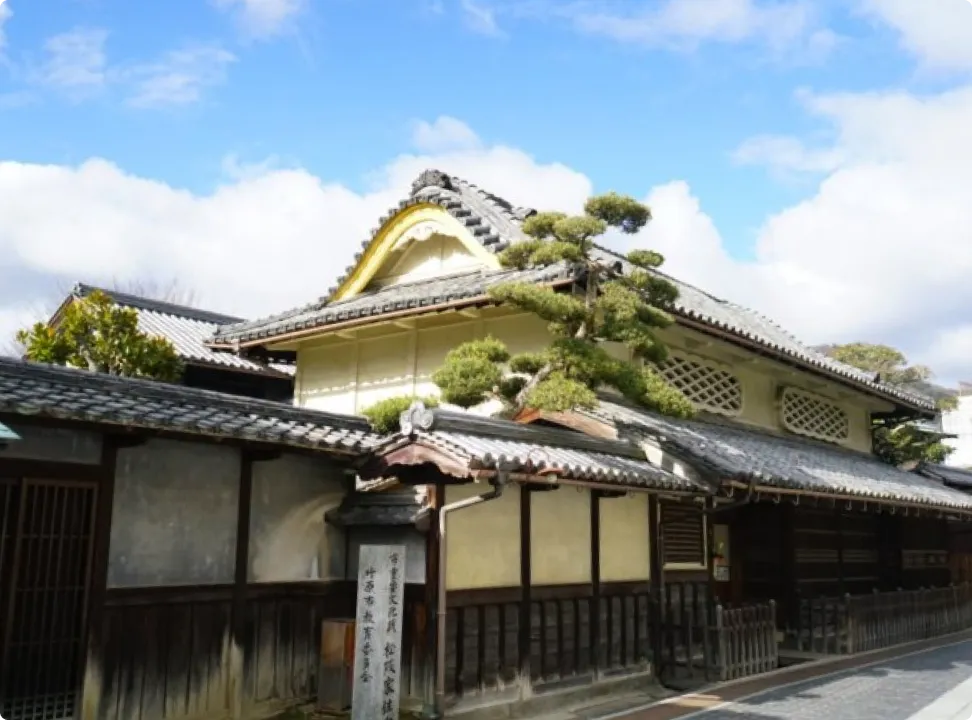
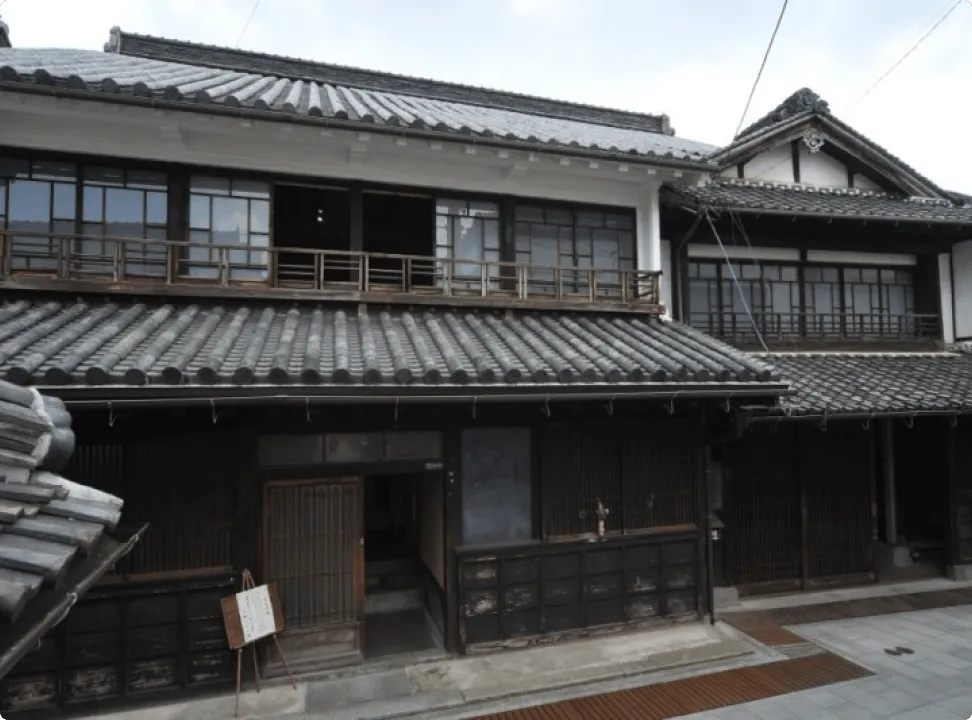
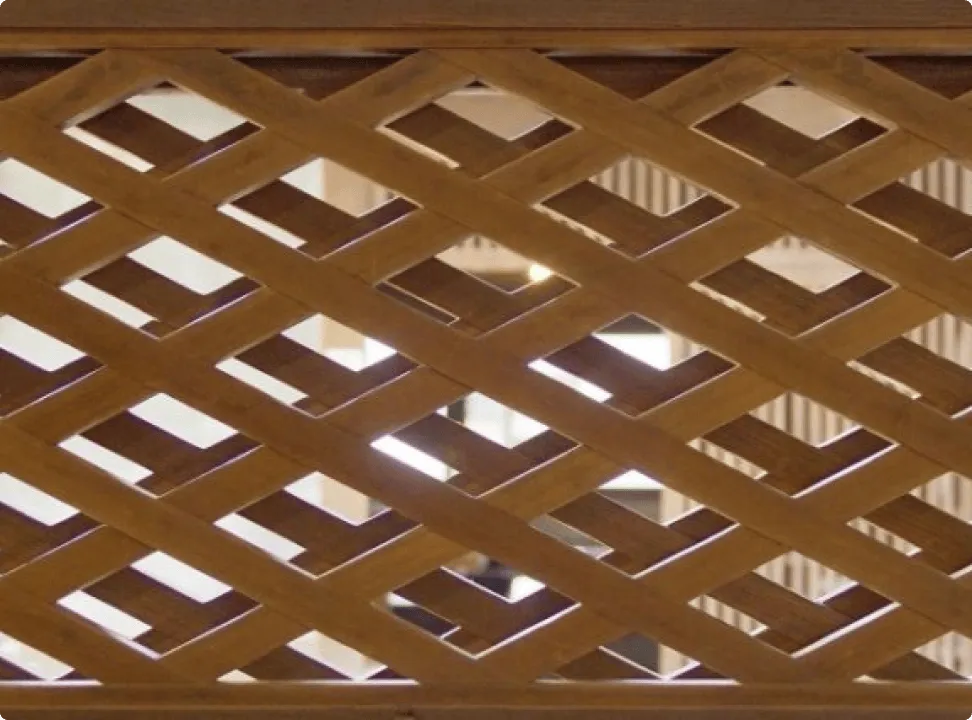
The residence of a Hamadanna who made a fortune in the salt industry. The flowing karahafu-style roof and the gorgeous diamond-patterned lattice windows are must-sees.
The residence of another prominent family that flourished through salt field management. It is characterized by high-quality Japanese-style architecture that was expanded and renovated during the Taisho era.
This building is used as a venue for various events, including the “Takehara Townscape Hina Doll Festival.”
The detached guest room of the “Fukkokan” built in the Edo period. The Mitsumoto family lived here in later years, and the building was eventually donated to Takehara City.
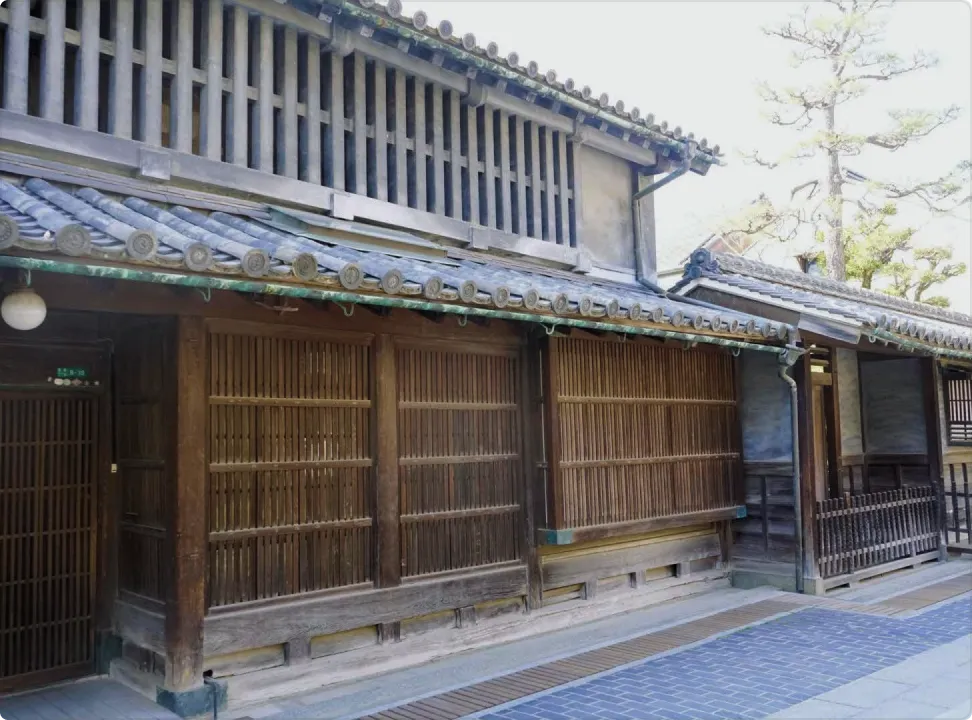
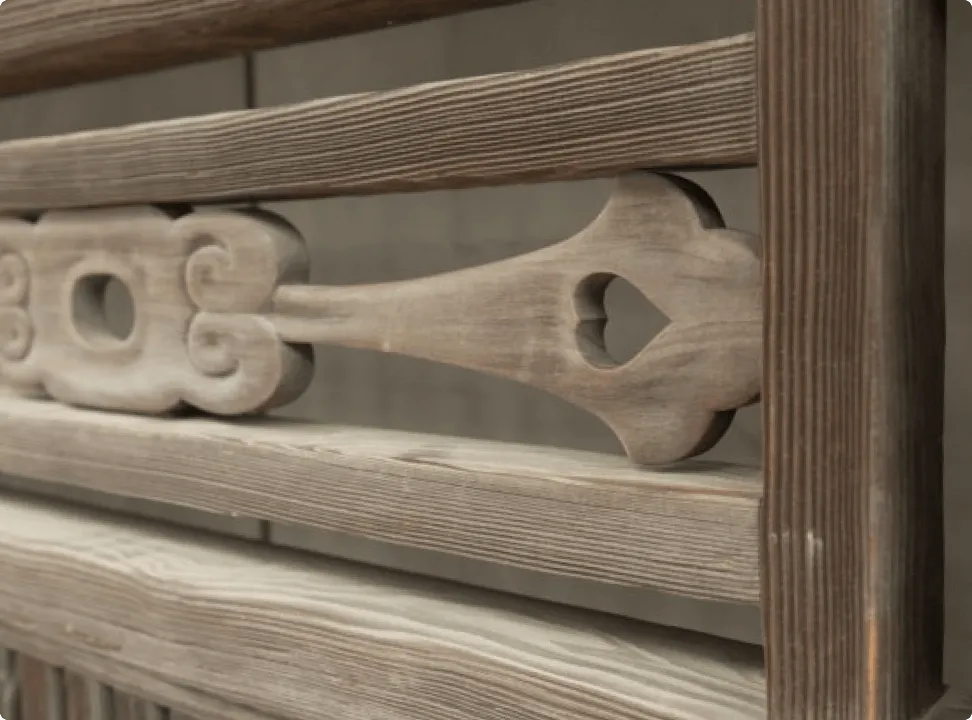
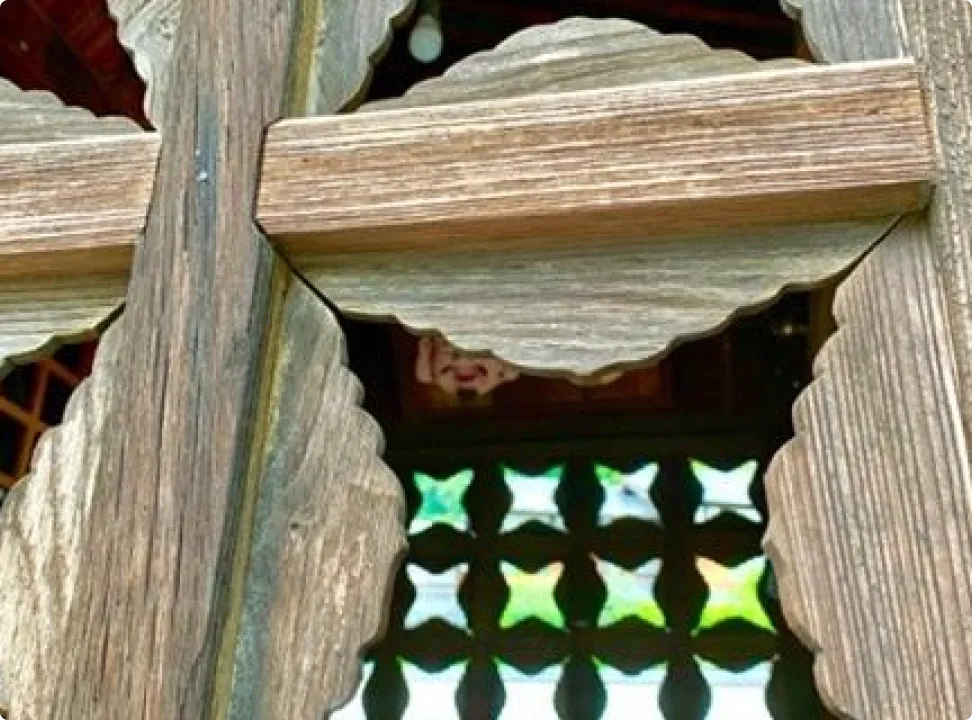
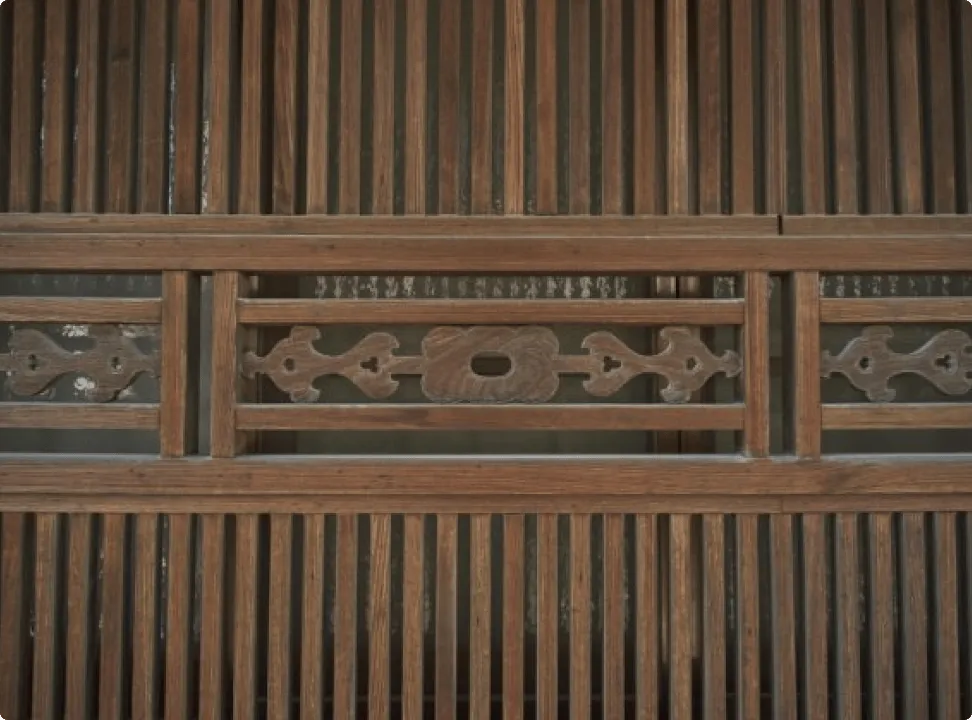
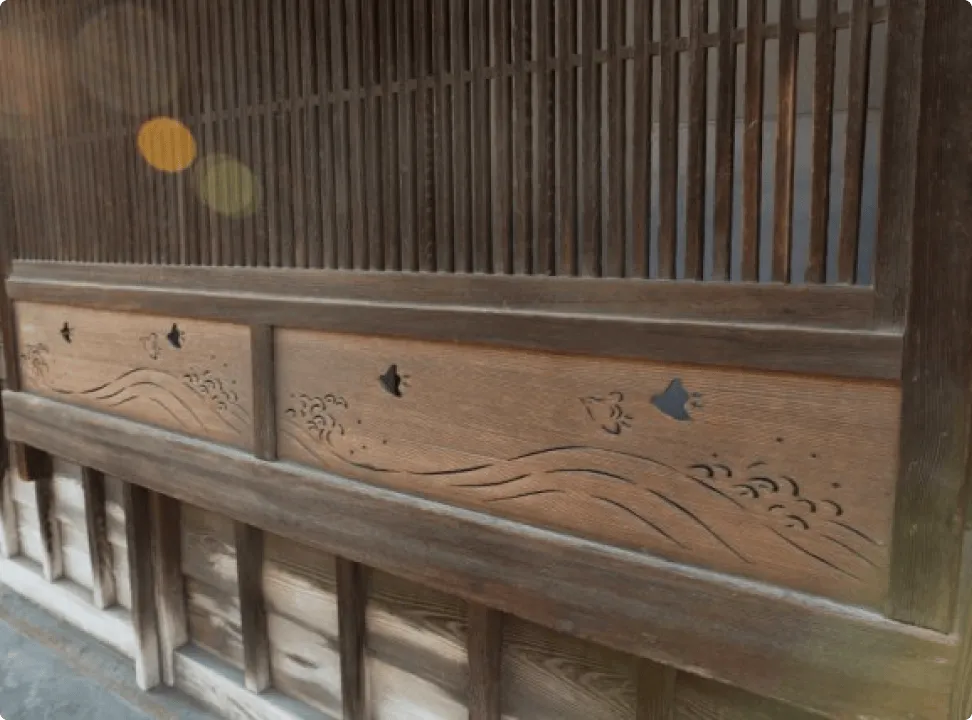
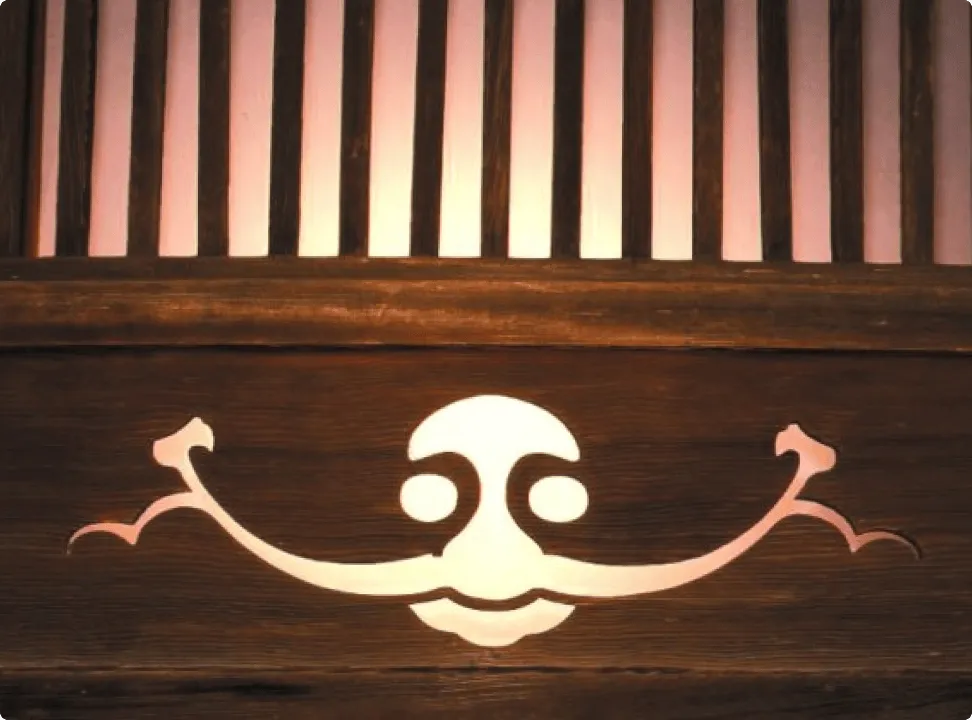
As you walk through the town, you will notice that the designs of the lattices decorating the windows are surprisingly diverse.
These lattices, known as “Takehara Lattice,” come in various types such as protruding lattices, painted lattices, and mushiko-mado (insect-cage windows). Some even hide playful designs like “hearts of happiness” or “shuriken” (ninja stars). Finding your favorite lattice while walking is a unique way to enjoy this town.
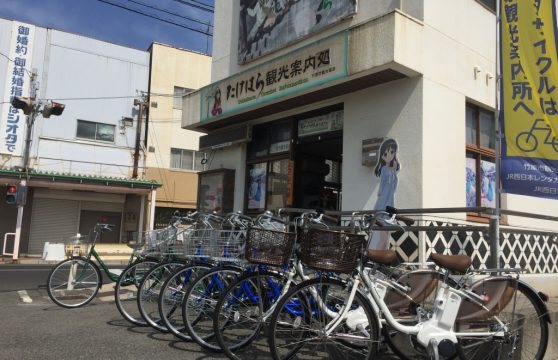
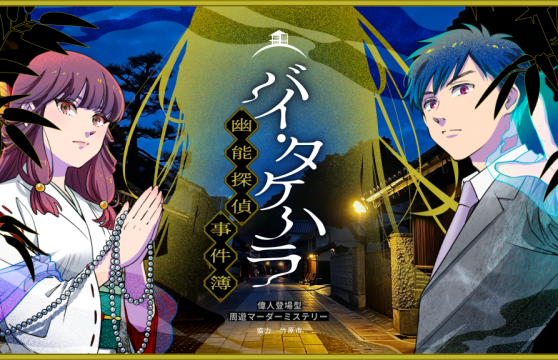
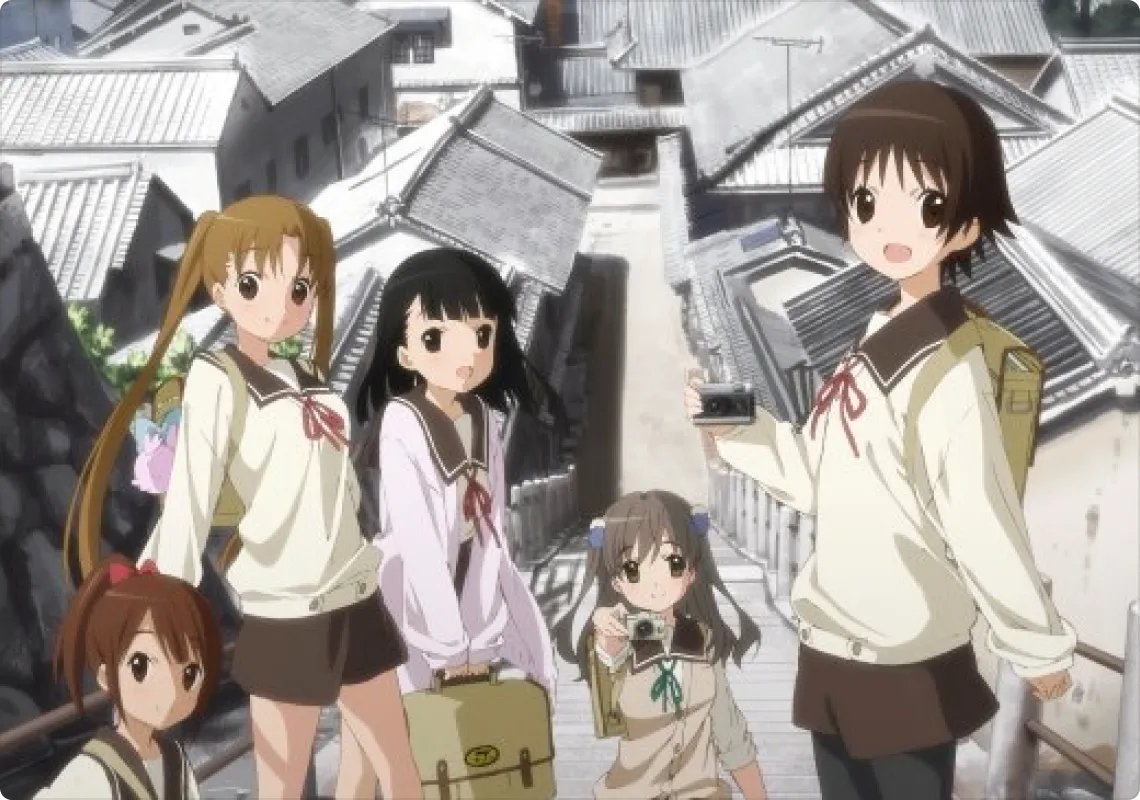
This retro landscape has also served as the setting for many stories.
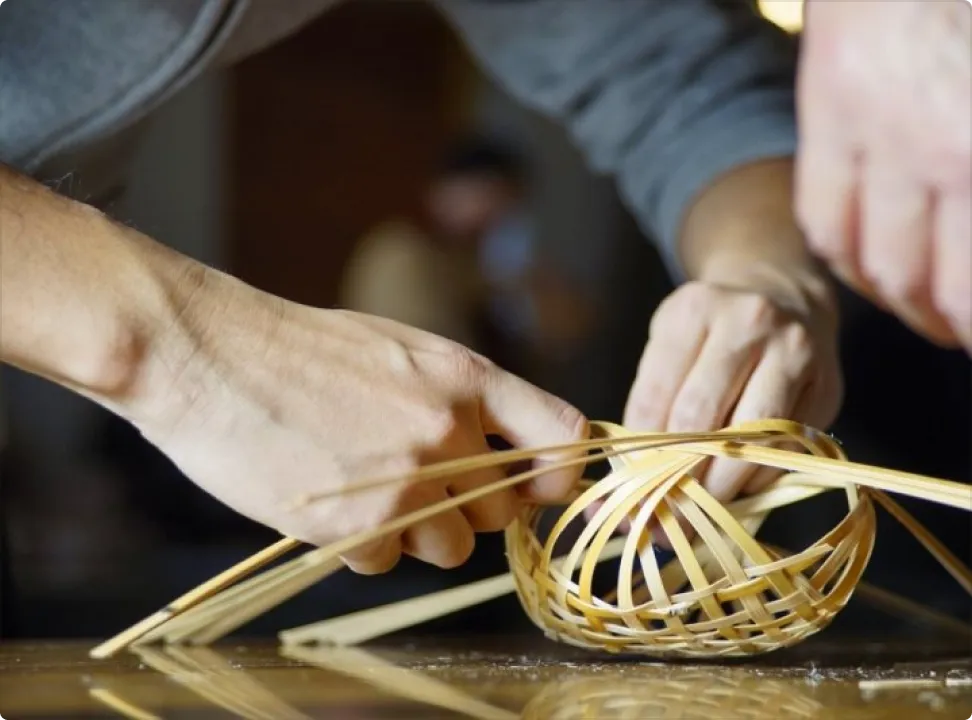
Instead of just walking, why not try an experience that lets you blend into “Takehara time”?
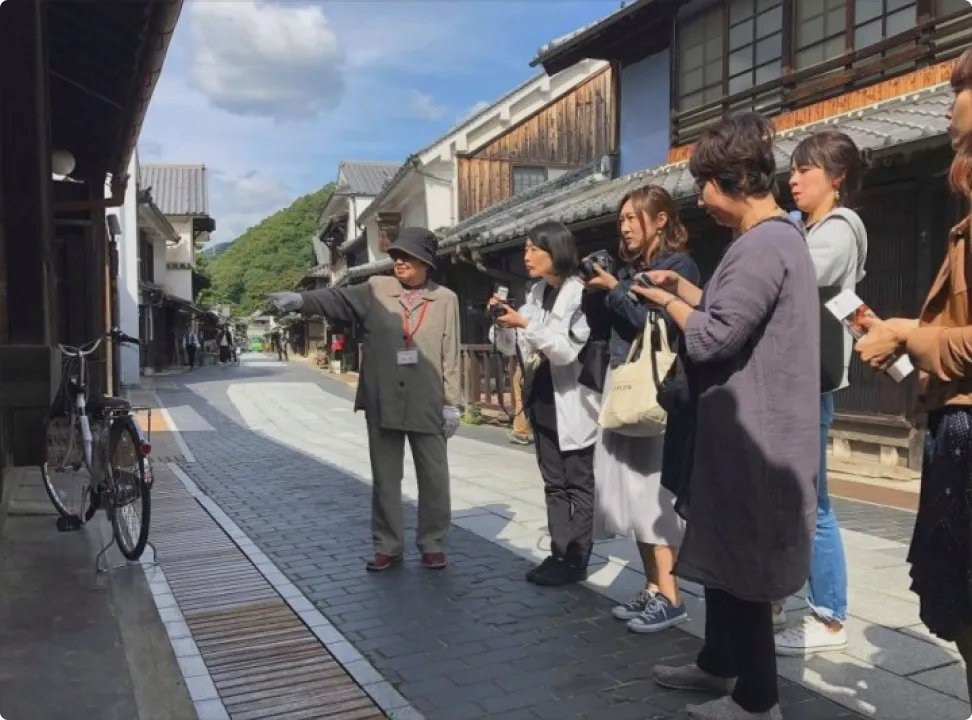
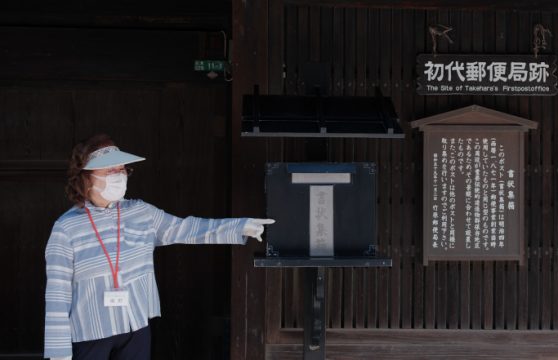
A townscape tourist guide is recommended for a deeper understanding of the history and culture.
During a walk of about 90 to 120 minutes, a local tourist guide will provide detailed information about the beautiful townscape.
Reservations are required at least 2 days in advance.
Generally, one guide can lead up to about 20 people.
(Due to the extreme heat, this guide service is scheduled to be closed during August.)
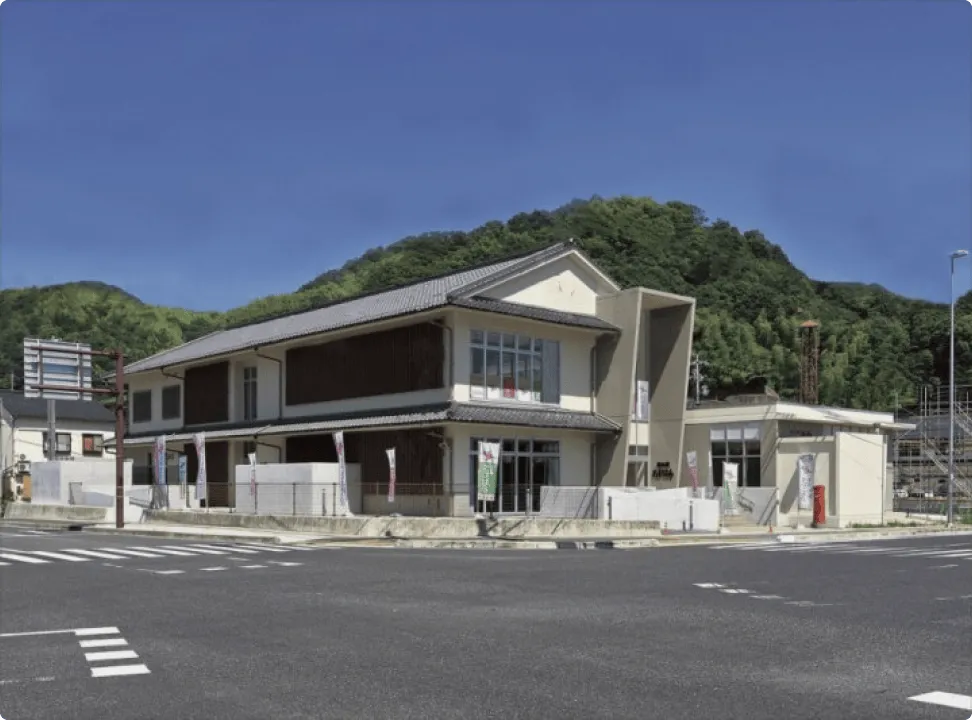
[Contact] Takehara Tourist Guide Association (Inside Michi-no-Eki Takehara)
TEL: 0846-22-7730
FAX: 0846-22-1201
Guide Fee: 2,000 yen per guide (tax included)
Quiet streets where time seems to have stopped, the dreams of wealthy merchants hidden behind exquisite lattices, and the story of salt that crossed the seas.
The Takehara Historic District is full of a mysterious charm that gently embraces visitors and makes them forget their daily lives.
Why not set out on a journey to find your own “time” in this retro town?