A 2-day, 1-night family road trip ♪
Recommended Season: Spring / Summer / Fall / Winter
If you’re traveling to Hiroshima Prefecture in search of memorable cuisine and local sake, why not visit Takehara City, known as the “Little Kyoto of Aki”?
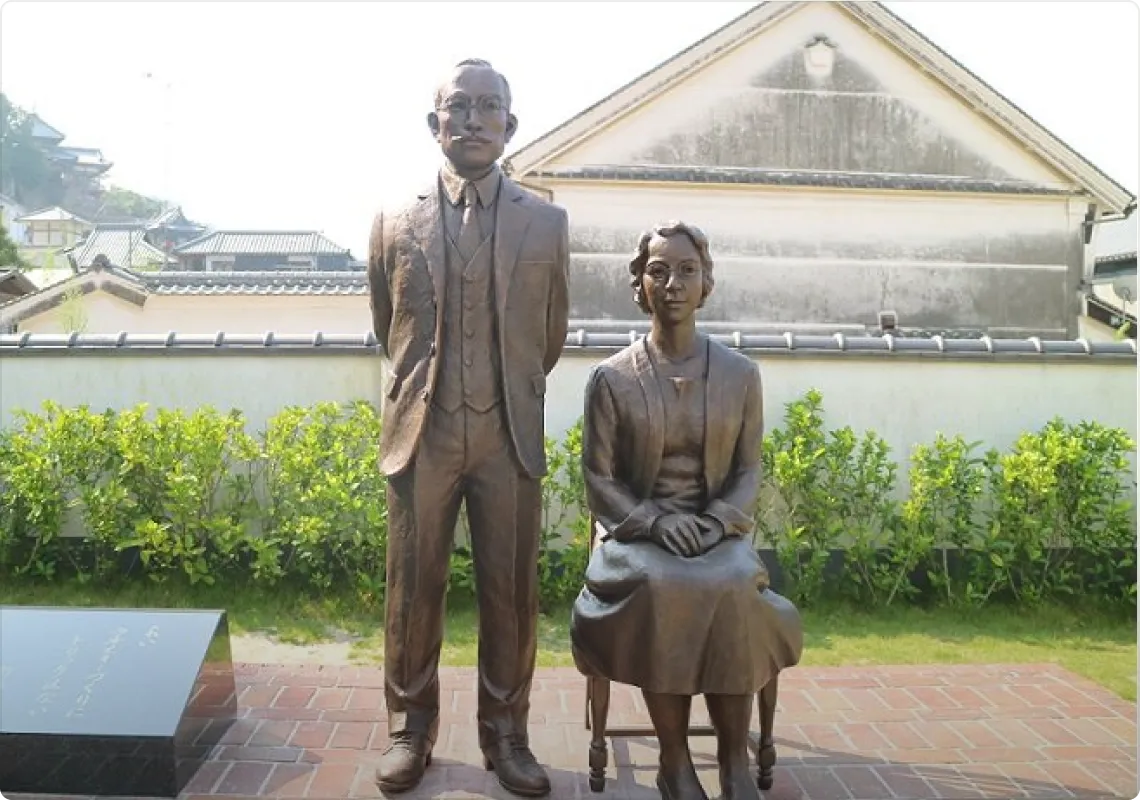
This is the birthplace of Masataka Taketsuru, the protagonist of the NHK morning drama “Massan” and revered as the “Father of Japanese Whisky.”
It was here in Takehara that he nurtured his dream of creating authentic whisky in Japan and ignited his passion.
His family home, Taketsuru Sake Brewery, along with other historic sake breweries, still thrive in the townscape today. Takehara also offers exquisite cuisine you can only experience here.
This article provides a comprehensive guide to Massan’s legacy and the rich culture of food and sake that shaped him in Takehara. We’ll introduce you to the deep attractions you can’t miss on your Hiroshima trip.
Japanese whisky is now recognized worldwide.
The foundation was laid by Masataka Taketsuru from Takehara, affectionately known as “Massan.” His passionate story began right here in Takehara.
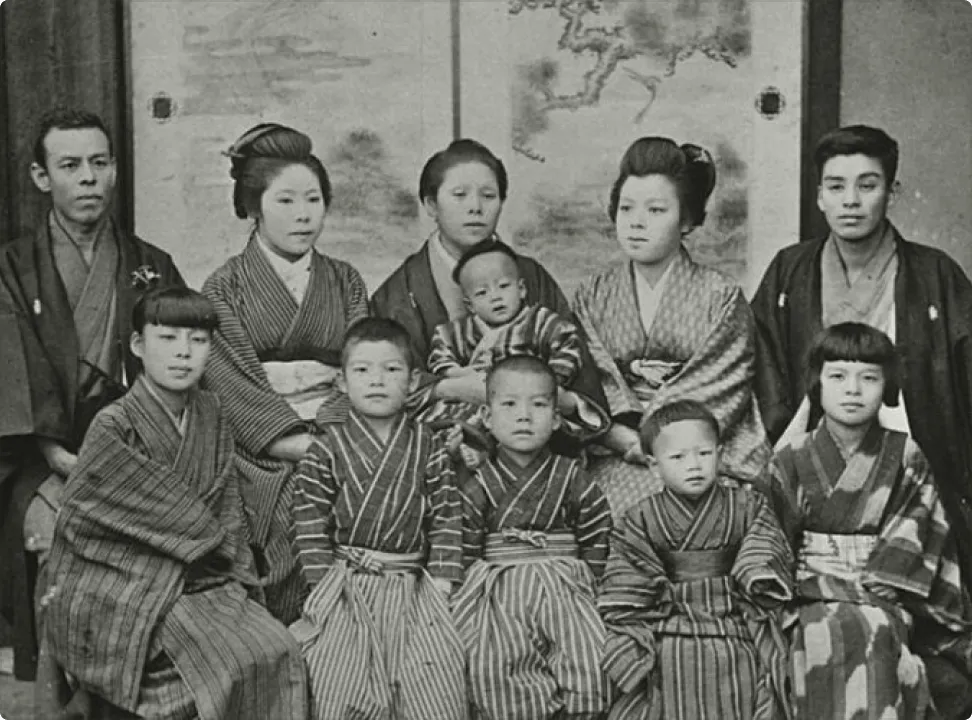
In 1894, Masataka was born as the third son of Taketsuru Sake Brewery, which had been operating since the Edo period.
During Masataka’s childhood, Hiroshima’s sake brewing industry, led by Senzo Miura, had succeeded in producing high-quality sake that rivaled that of Nada. Growing up surrounded by his father Keijiro’s passion for sake brewing, Masataka naturally developed a spirit of inquiry into the craft.
After graduating from the brewing department of Osaka Technical School (now Osaka University), Masataka joined Settsu Shuzo. Eventually, he became captivated not by sake, but by the unknown spirit called “whisky.”
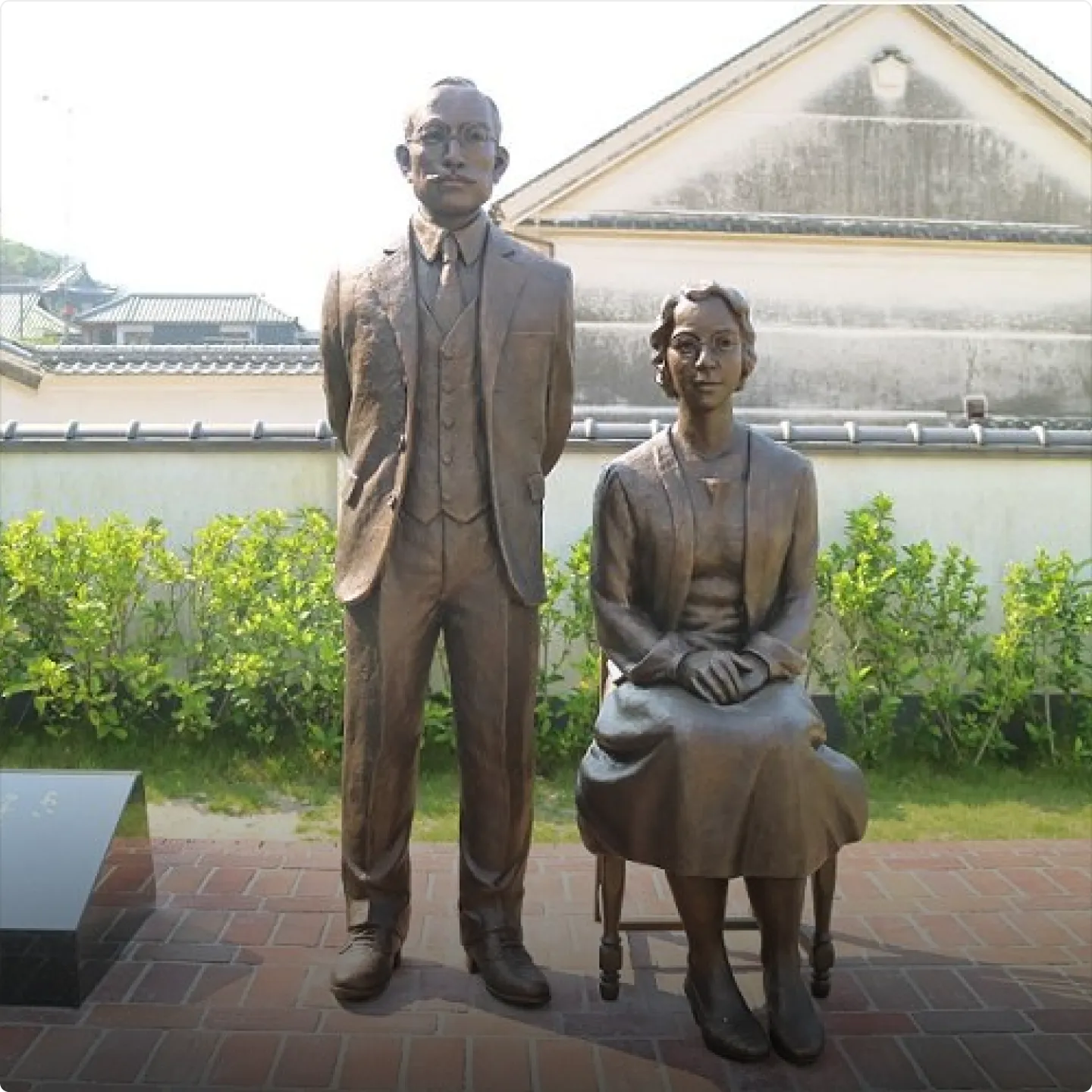
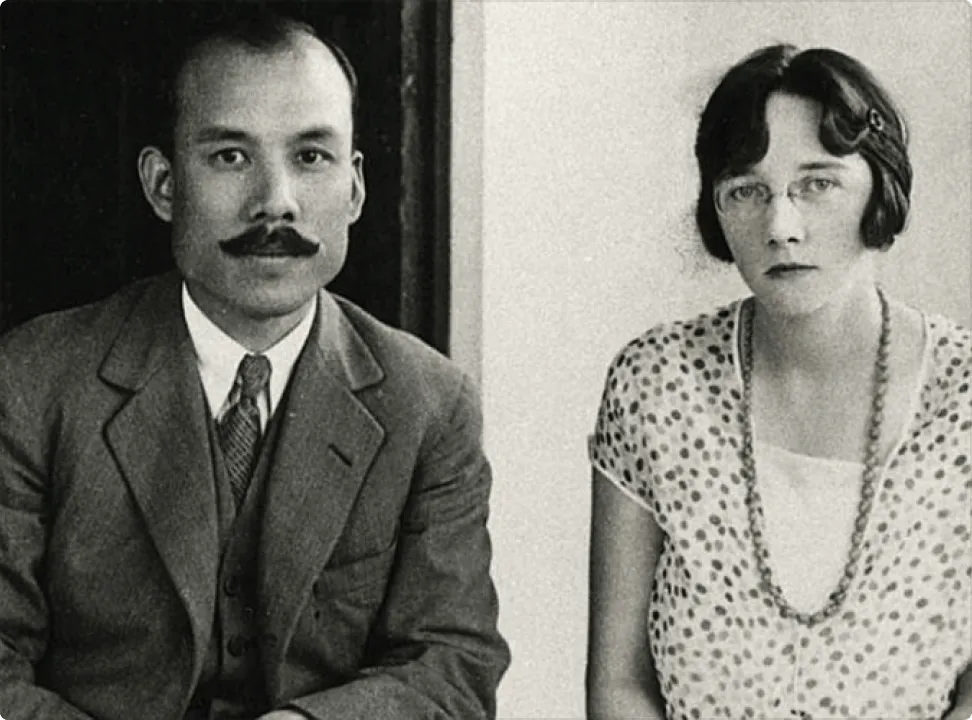
With the fervent desire to “let Japanese people drink real whisky,” he traveled alone to Scotland in his early twenties. There he met his destined partner, Rita, and married her in 1920.
While studying chemistry at a local university, he devoted himself to practical training at distilleries, thoroughly mastering authentic techniques.
After returning to Japan, he overcame various difficulties to establish Nikka Whisky. He built ideal distilleries in Yoichi, Hokkaido, and Miyagikyo, Miyagi, dedicating his entire life to whisky making.
Without him, today’s development of Japanese whisky would not have been possible—he is truly the “Father of Japanese Whisky.”
What he valued most in whisky making was the spirit of “authenticity”—preserving the traditional methods he learned in Scotland. The roots of this unwavering passion lie in the uncompromising spirit of sake brewing at Taketsuru Sake Brewery in Takehara, which he experienced as a child.
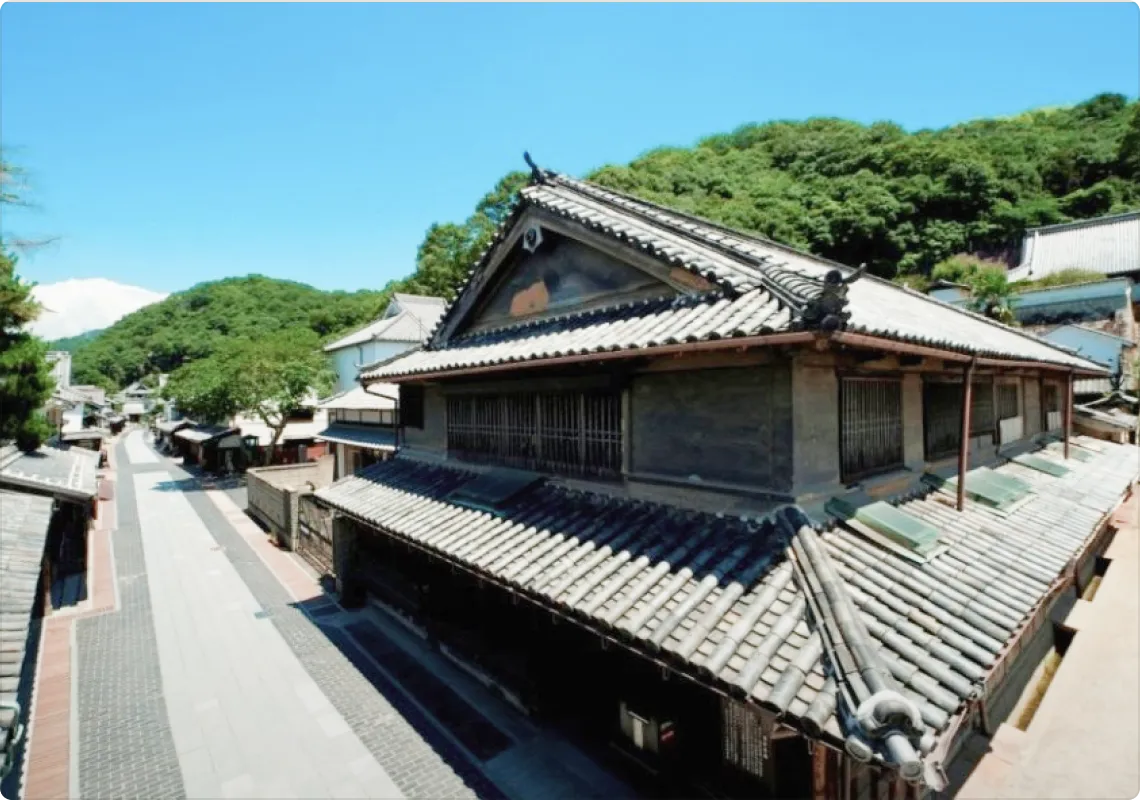
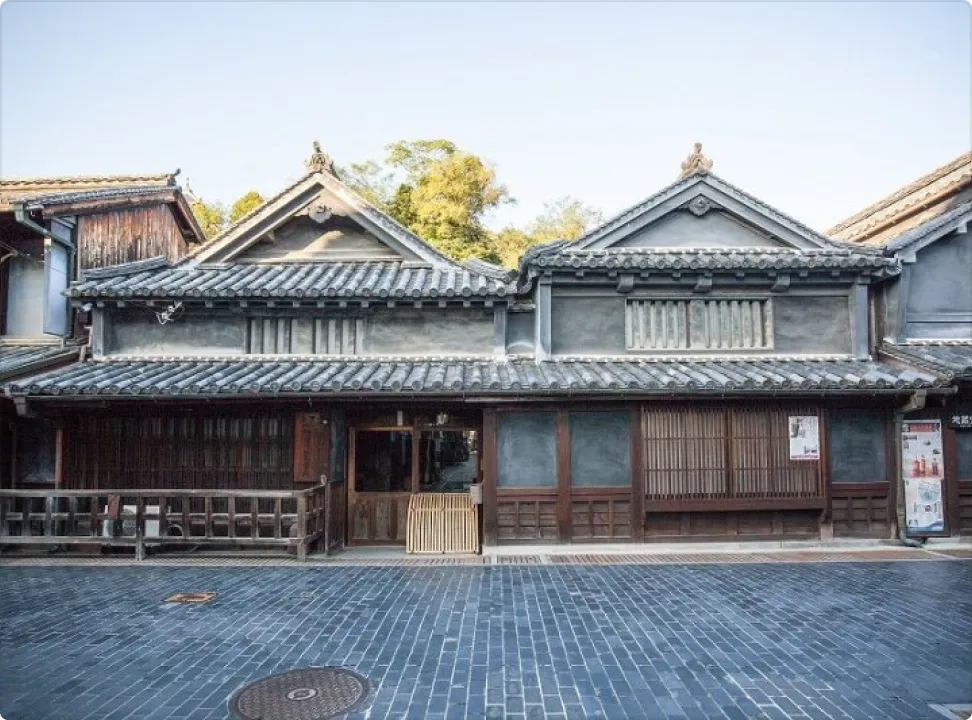
Walking through the beautiful townscape that retains the atmosphere of Massan’s era and standing before his family home, Taketsuru Sake Brewery, you can connect with the “origins” of his passionate life dedicated to whisky.
Takehara is called a “sake town” for more than just being Massan’s birthplace. This area has long been blessed with quality water, and sake brewing has flourished here. Even today, three distinctive sake breweries are concentrated around the preserved townscape district.
The “sake brewery tour” is a must-see attraction in Takehara, not only for sake enthusiasts but also for anyone interested in breweries.
Finding your favorite bottle while learning about each brewery’s history and dedication to sake making is one of the pleasures of travel.
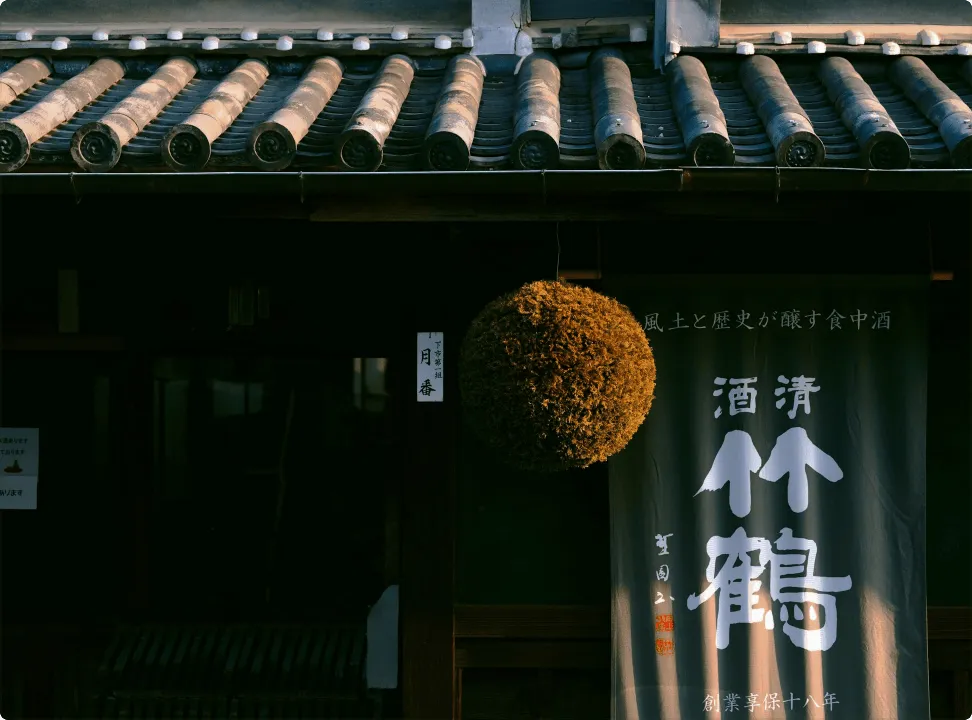
The family home of Massan, Masataka Taketsuru. Sake brewing began here in 1733 (Kyoho 18), with a long-standing tradition. It is the only brewery in Hiroshima Prefecture that produces exclusively junmai sake, reviving traditional methods from the Edo period such as “kimoto brewing” and “wooden barrel fermentation.” The signature brand “Taketsuru” is characterized by the “sharpness” produced by soft-water brewing methods and a golden color that testifies to its rich “umami,” making it a robust sake for pairing with meals.
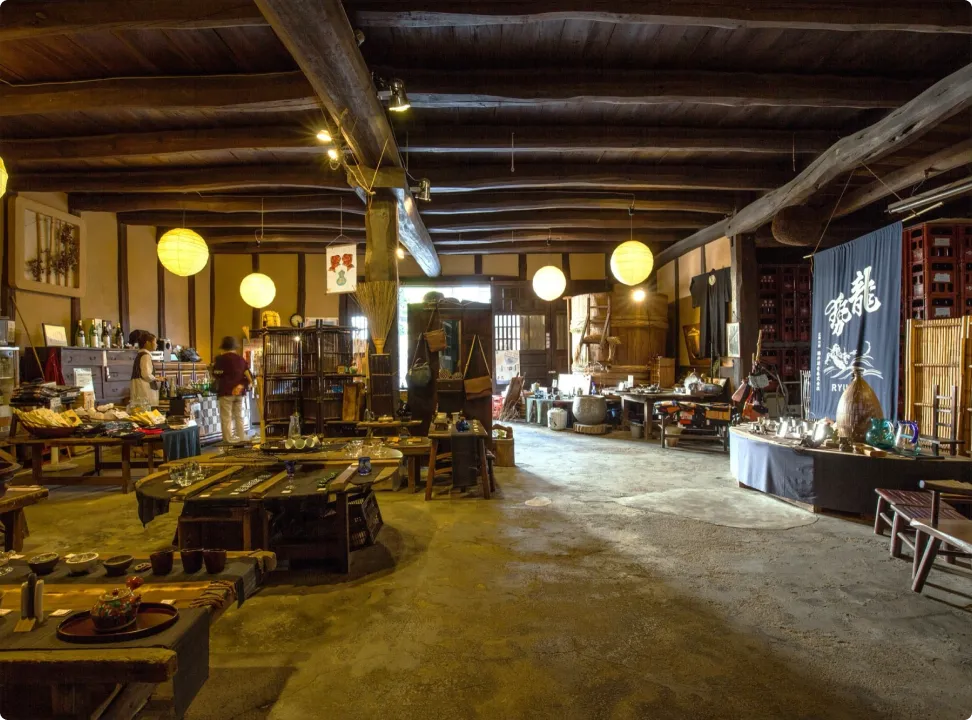
Founded in 1863 (Bunkyu 3). The signature brand “Ryusei” won first place at the first National Sake Tasting Competition during the Meiji era and received the highest gold award in the sake category at the 2007 International Wine Challenge (IWC). As a brewery that has long produced only junmai sake, it aims to create sake for meals that never grows tiresome. The Sake Brewery Exchange Hall on the premises is also popular.
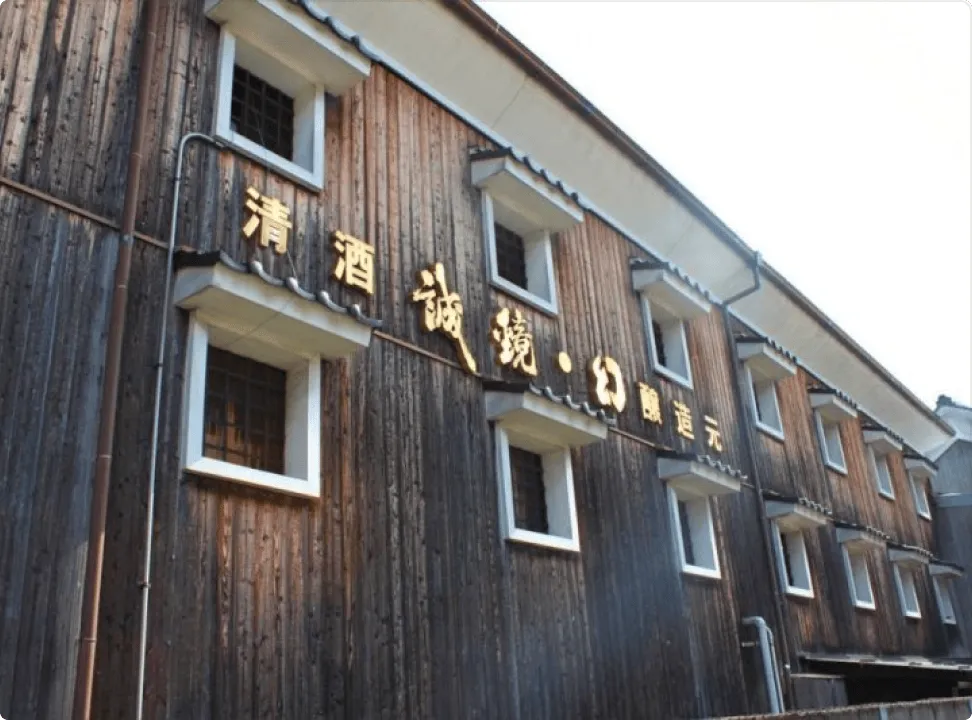
Founded in 1871 (Meiji 4). The brand “Seikyo” is known for receiving the honor of being purveyor to the Imperial Household. The brewery developed its own “apple yeast” and “high-temperature saccharification yeast starter method,” gaining national recognition for sake with fruity aromas. “Maboroshi Black Box” won a gold award at the IWC, earning high praise both domestically and internationally.
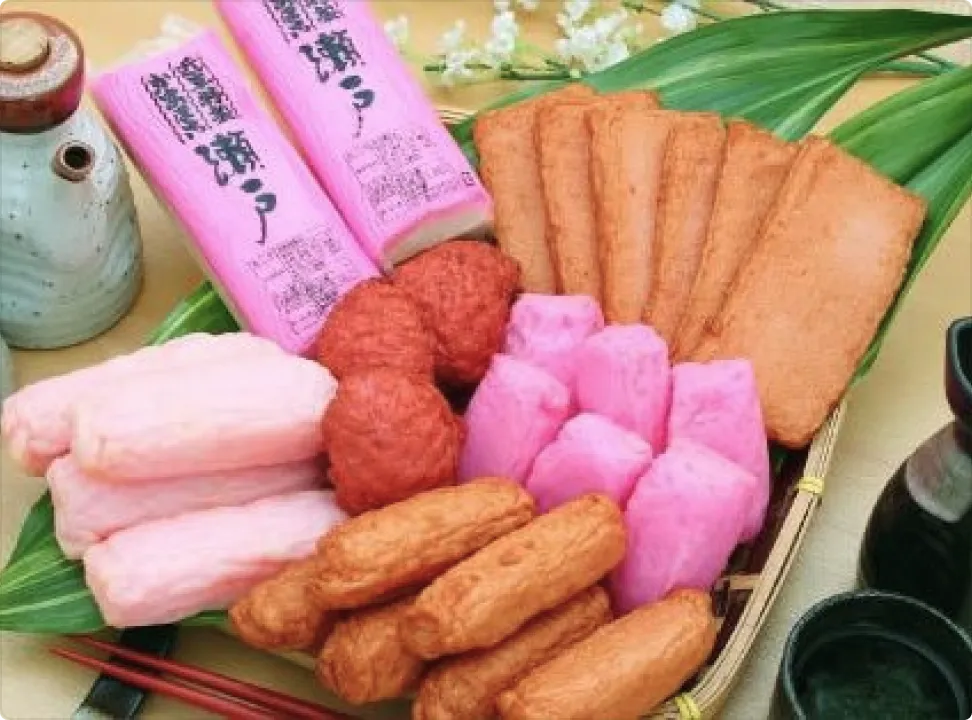
How about some unique Takehara souvenirs to pair with the sake you acquired on your brewery tour?
We’ll introduce you to local specialties that will further enhance the deliciousness of your sake.
Beyond sake, Takehara offers many culinary attractions.
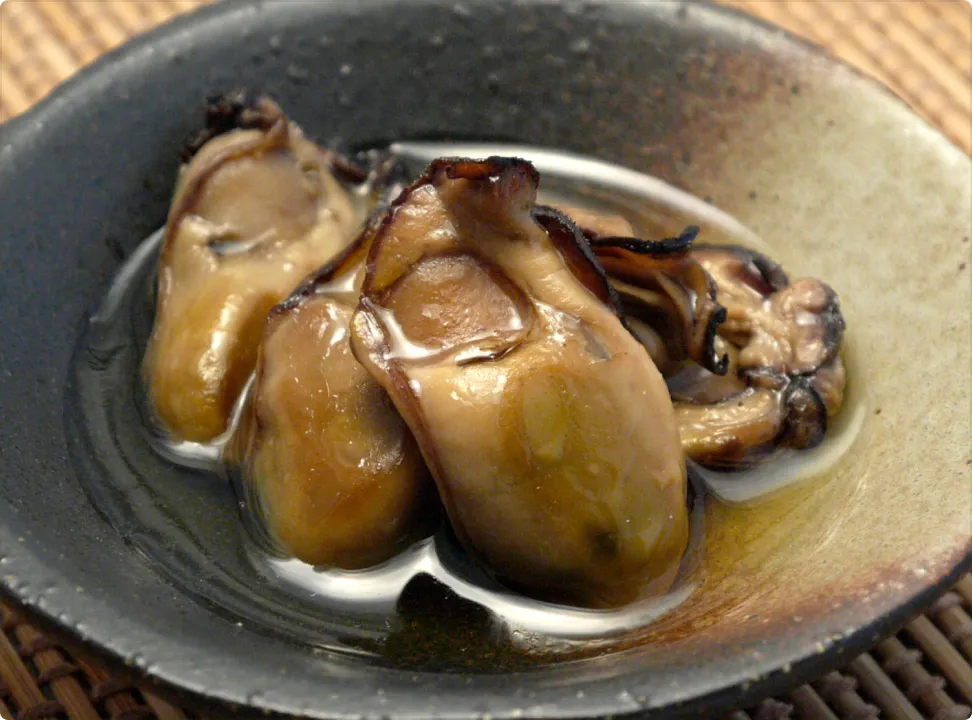
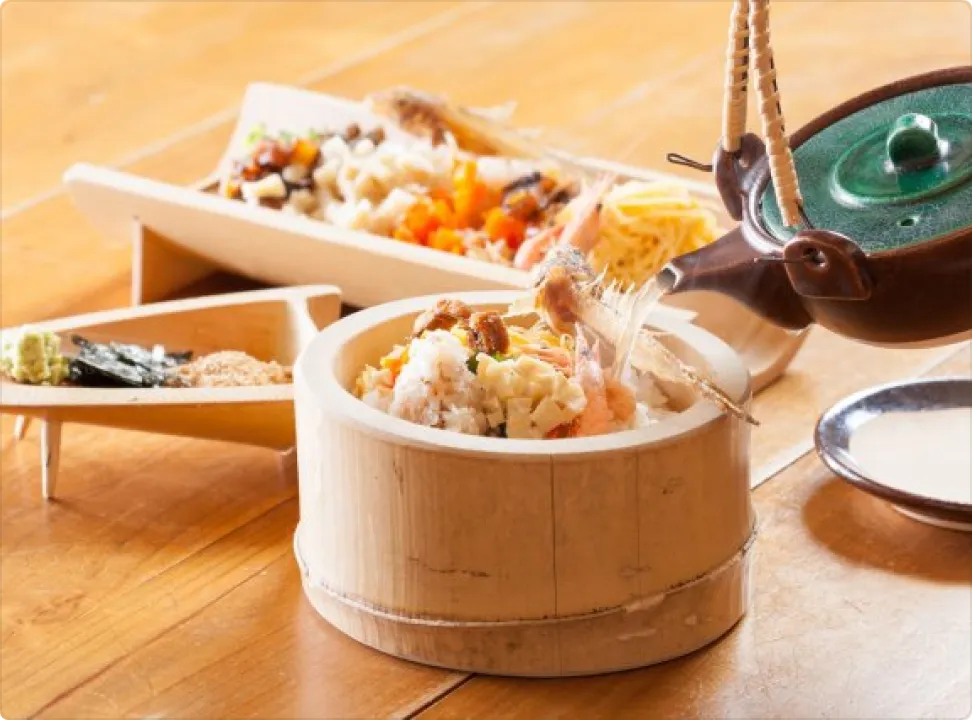
Being close to the sea, Takehara takes pride in fresh seafood from the Seto Inland Sea. Particularly renowned are conger eel, sea bream, oysters, octopus, and black sea bream. Additionally, Takehara is a treasure trove of ingredients that pair well with sake, including Takehara’s branded beef such as “Taoshita beef” and “Fujiwara beef,” as well as lotus root, potatoes, and bamboo shoots.
Takehara City, Hiroshima Prefecture—the town where Massan, the father of Nikka Whisky, was raised.
The sake culture that formed his origins remains strong here, and the town overflows with exquisite cuisine nurtured alongside that sake.
Walk through the beautiful townscape, connect with the history of sake breweries, and savor local cuisine.
When traveling to Hiroshima, be sure to extend your journey to Takehara and spend luxurious time immersed in the food and sake you can only experience here.