Committing to Kimoto Production and Working with Resident Yeast
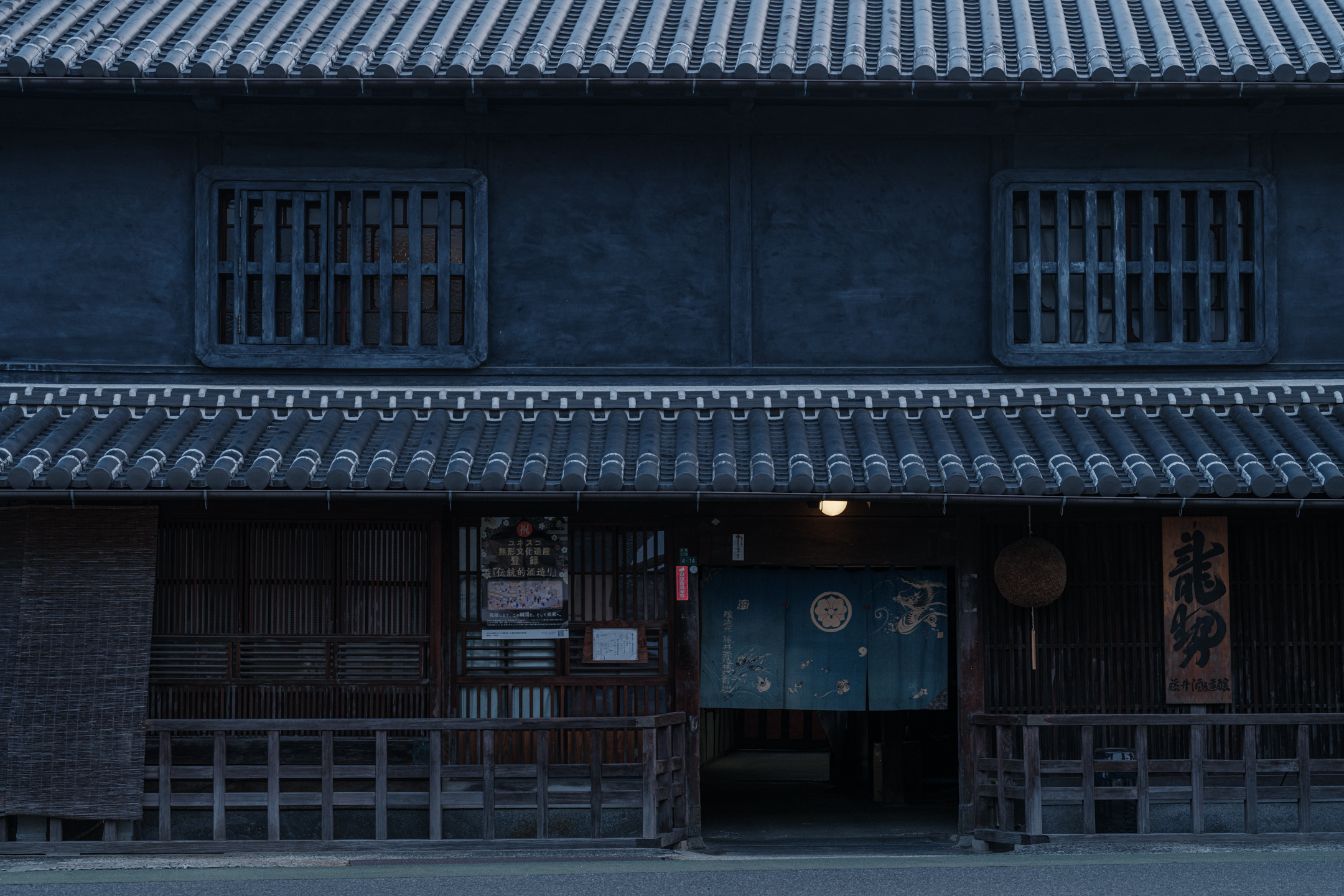
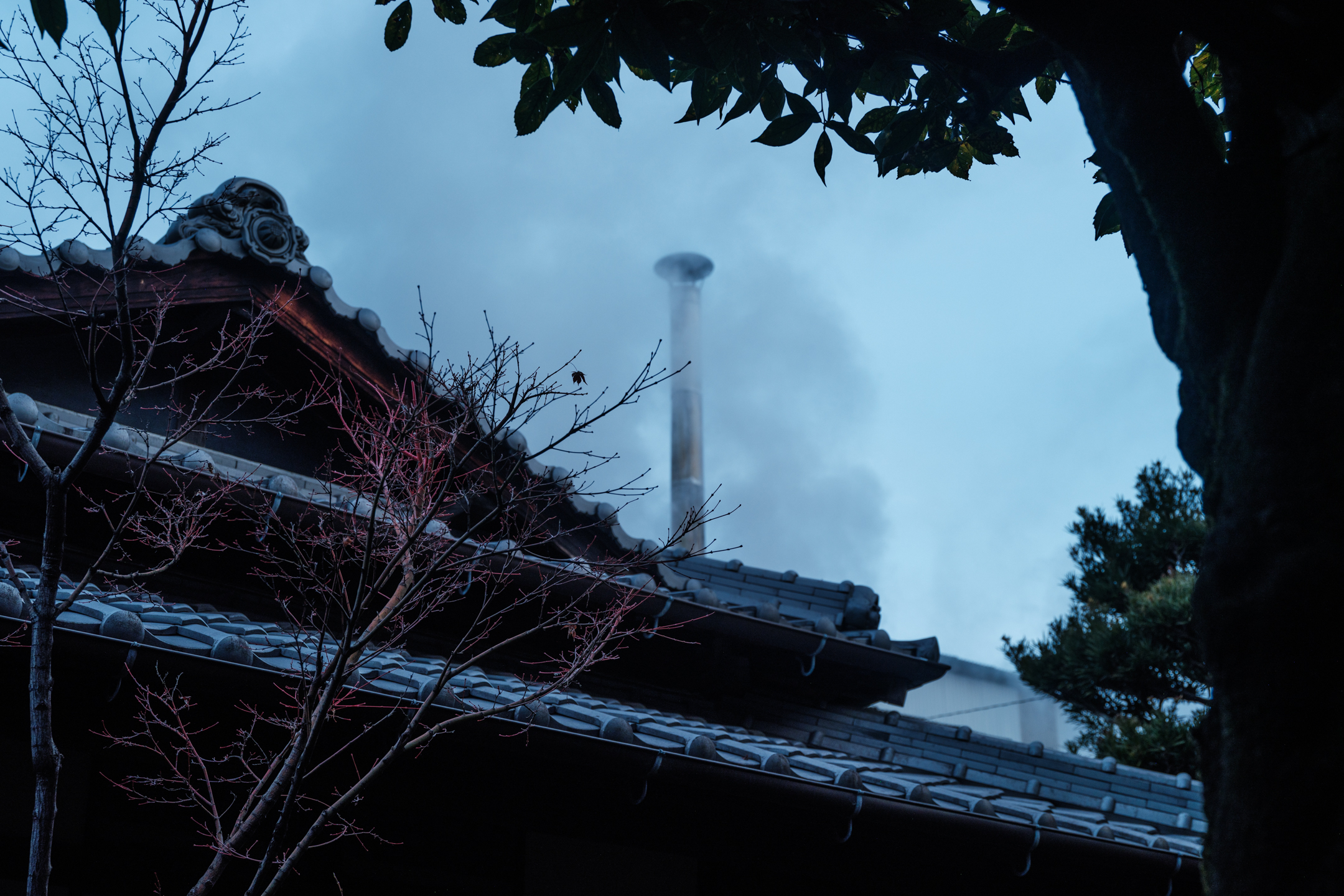
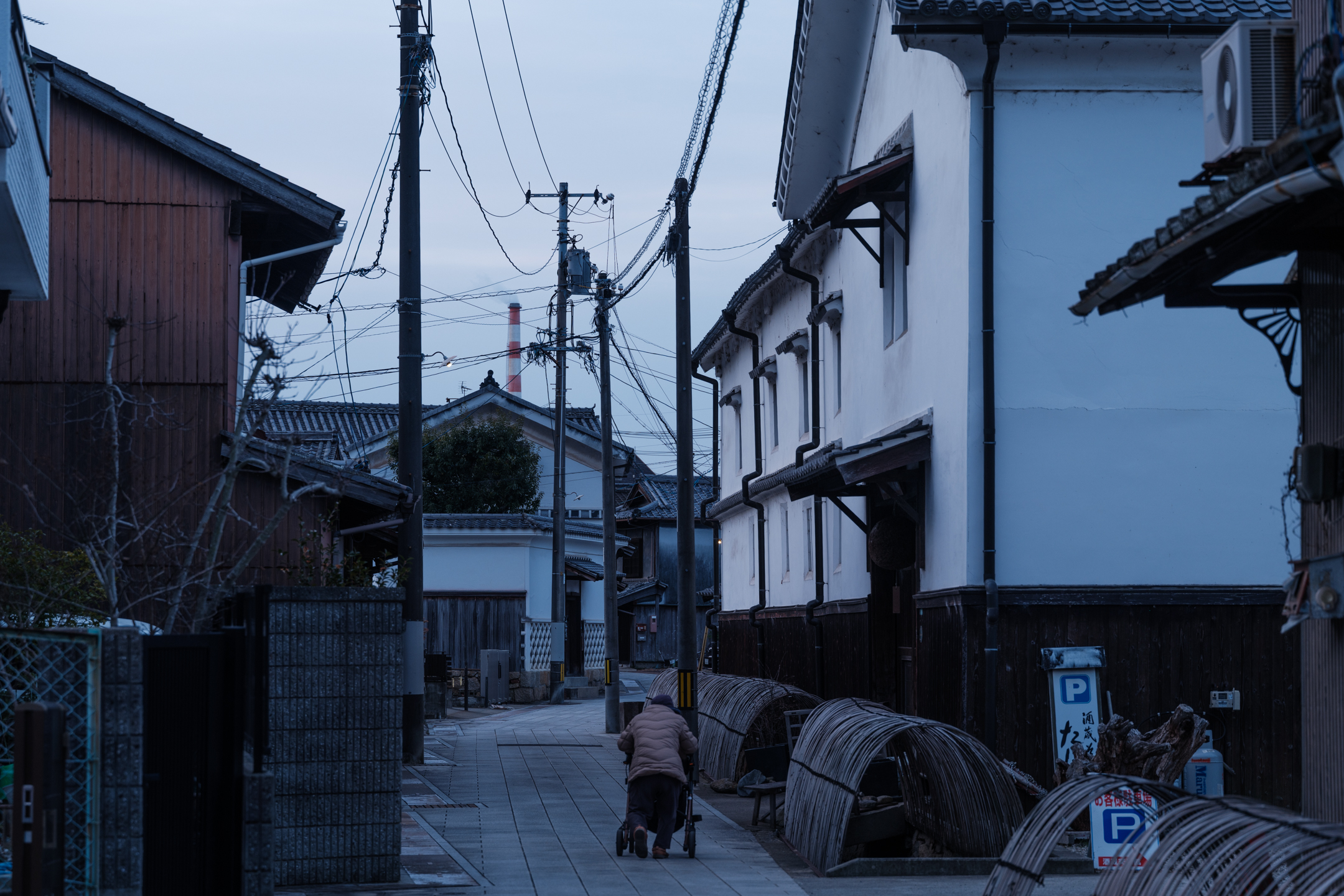
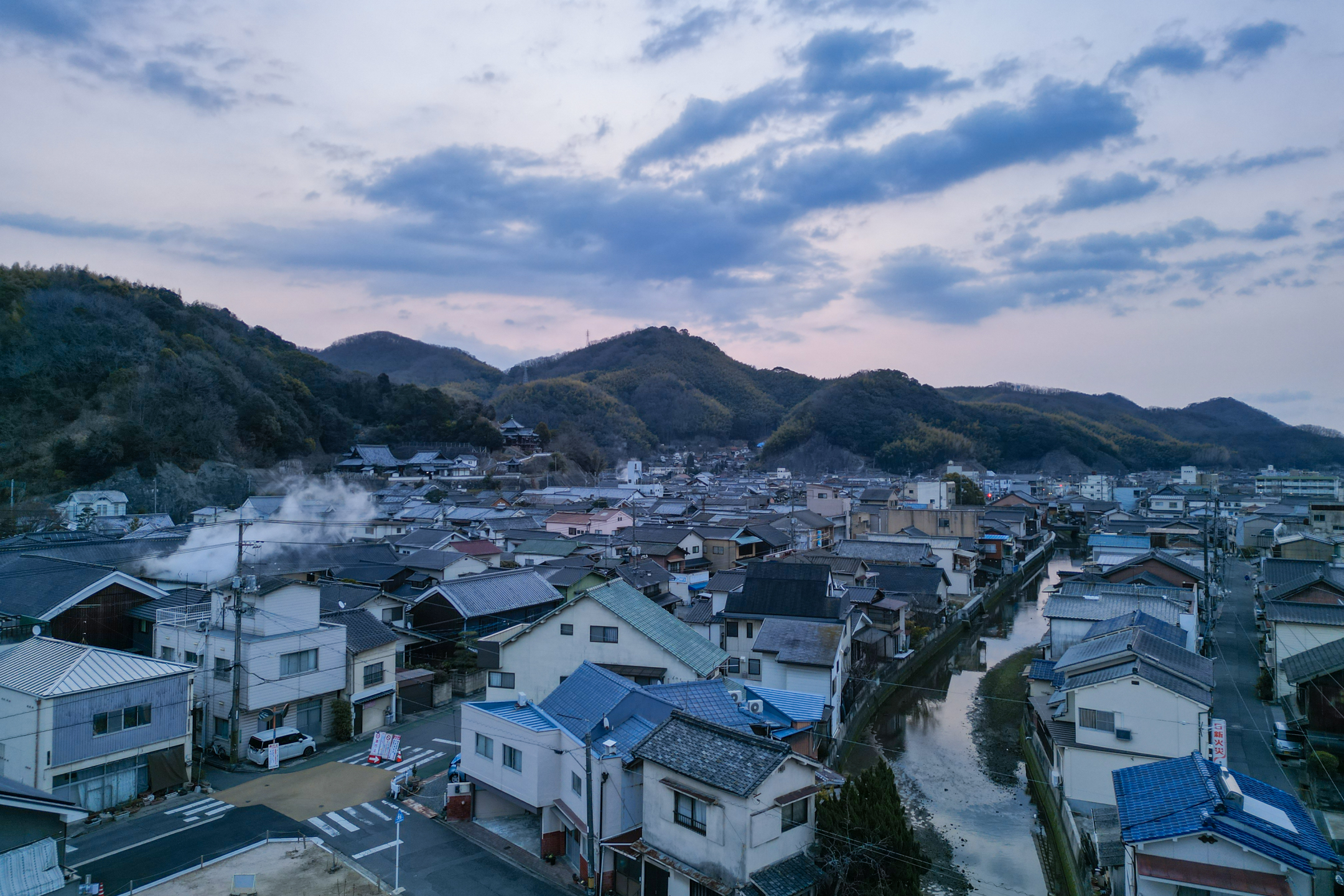
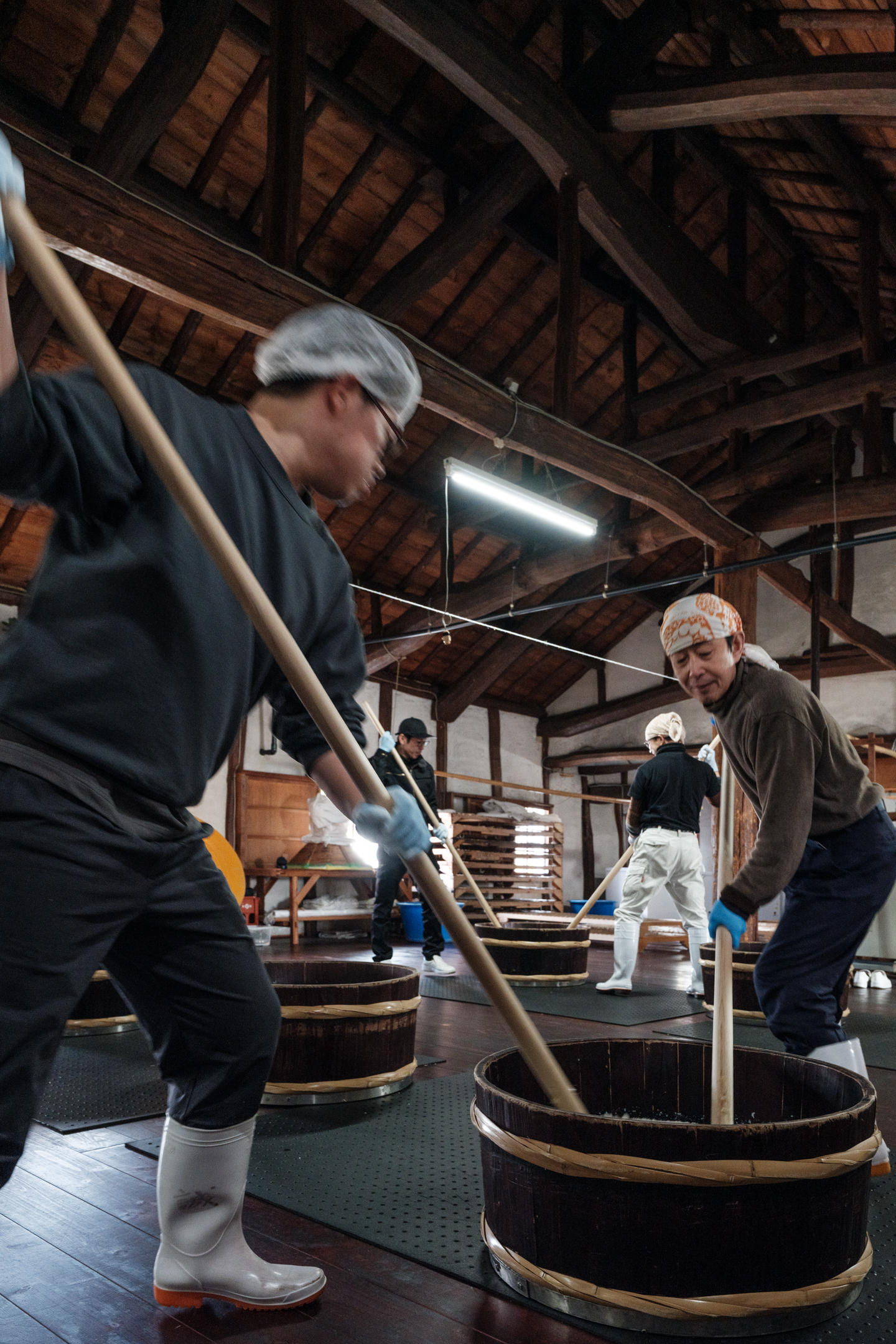
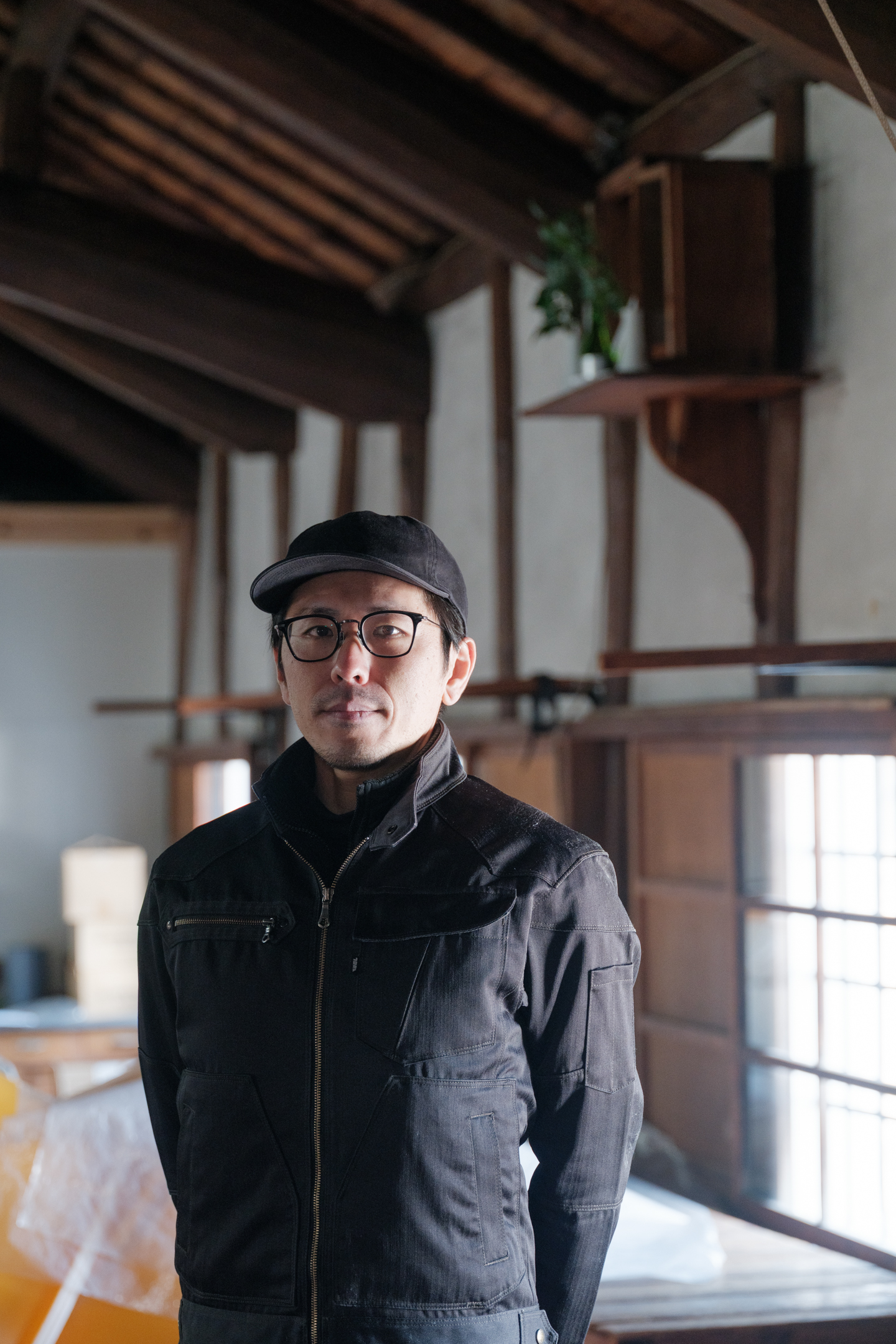
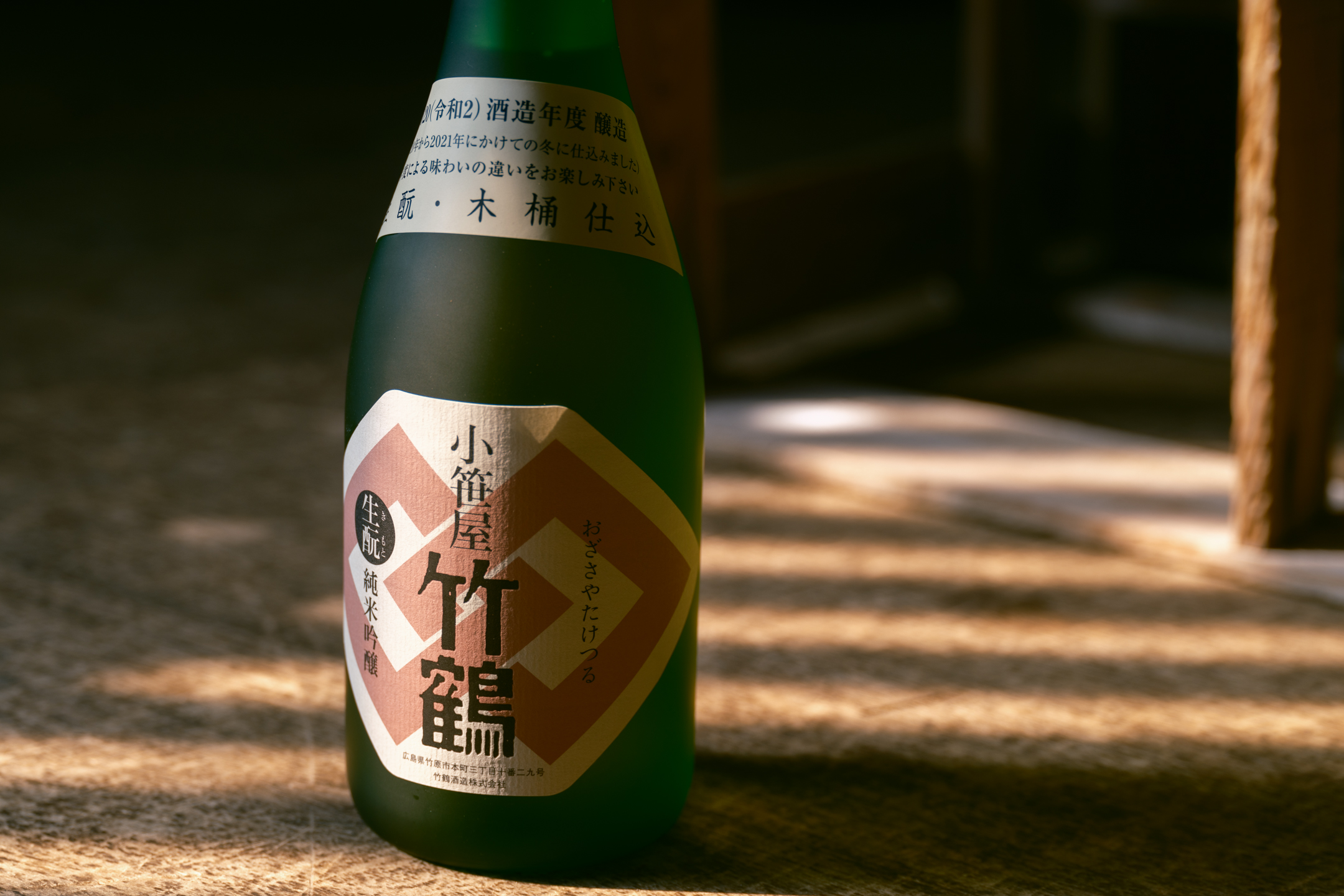
Under a night sky where stars still twinkle, in a corner of the Takehara Preservation District, brewery workers were seen quickly discussing the day’s plans and proceeding with their work with serious expressions. This is Fujii Shuzo, founded in 1863. For about 160 years, blessed with high-quality brewing water, they have continued to produce Junmai sake brewed only with rice and rice koji. Under the new leadership of Yoshihiro Fujii, the 6th-generation representative who took office in 2024, and Tadahiro Okada, who became the Toji (master brewer) in 2023, the brewery is in the midst of a new challenge.
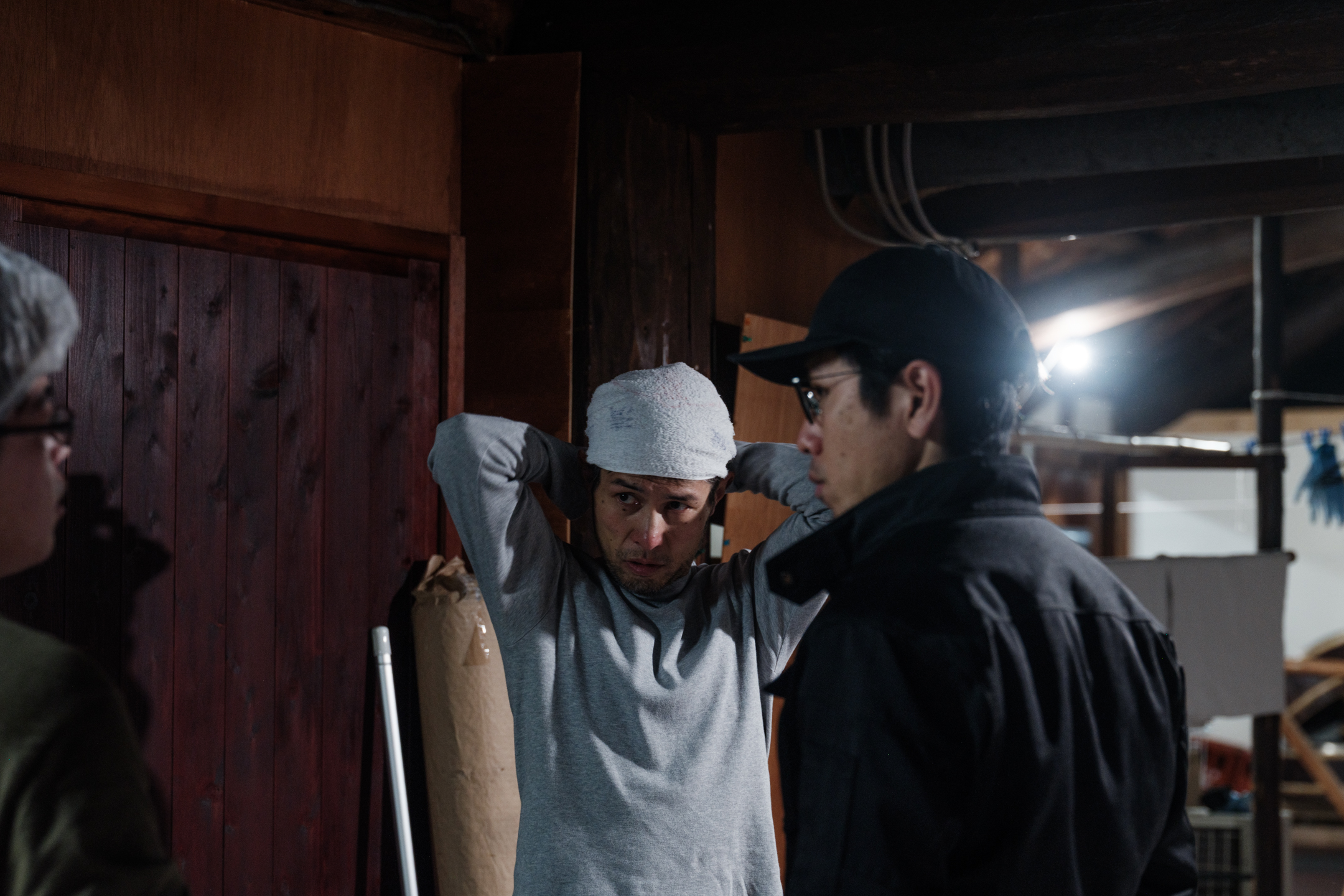
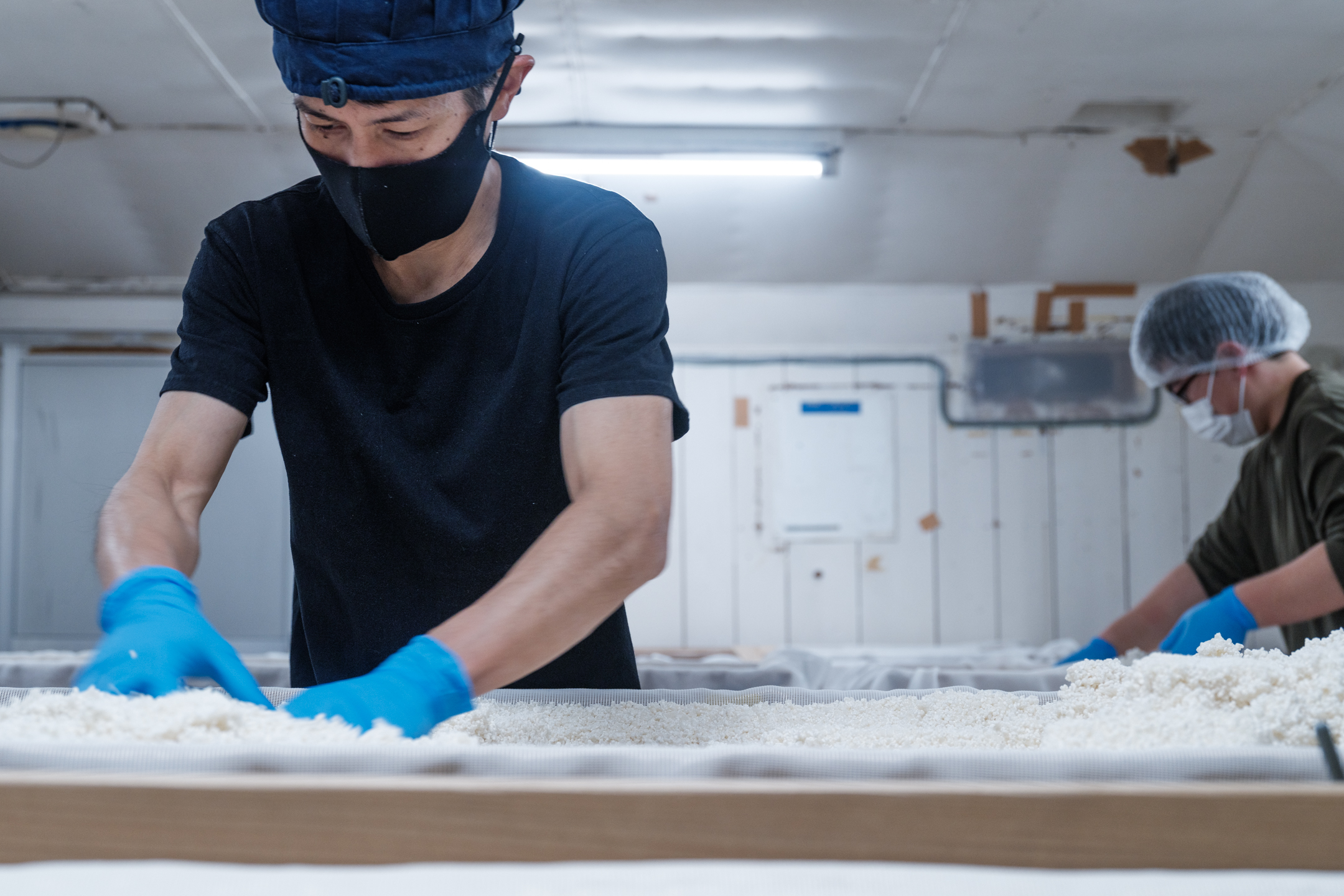
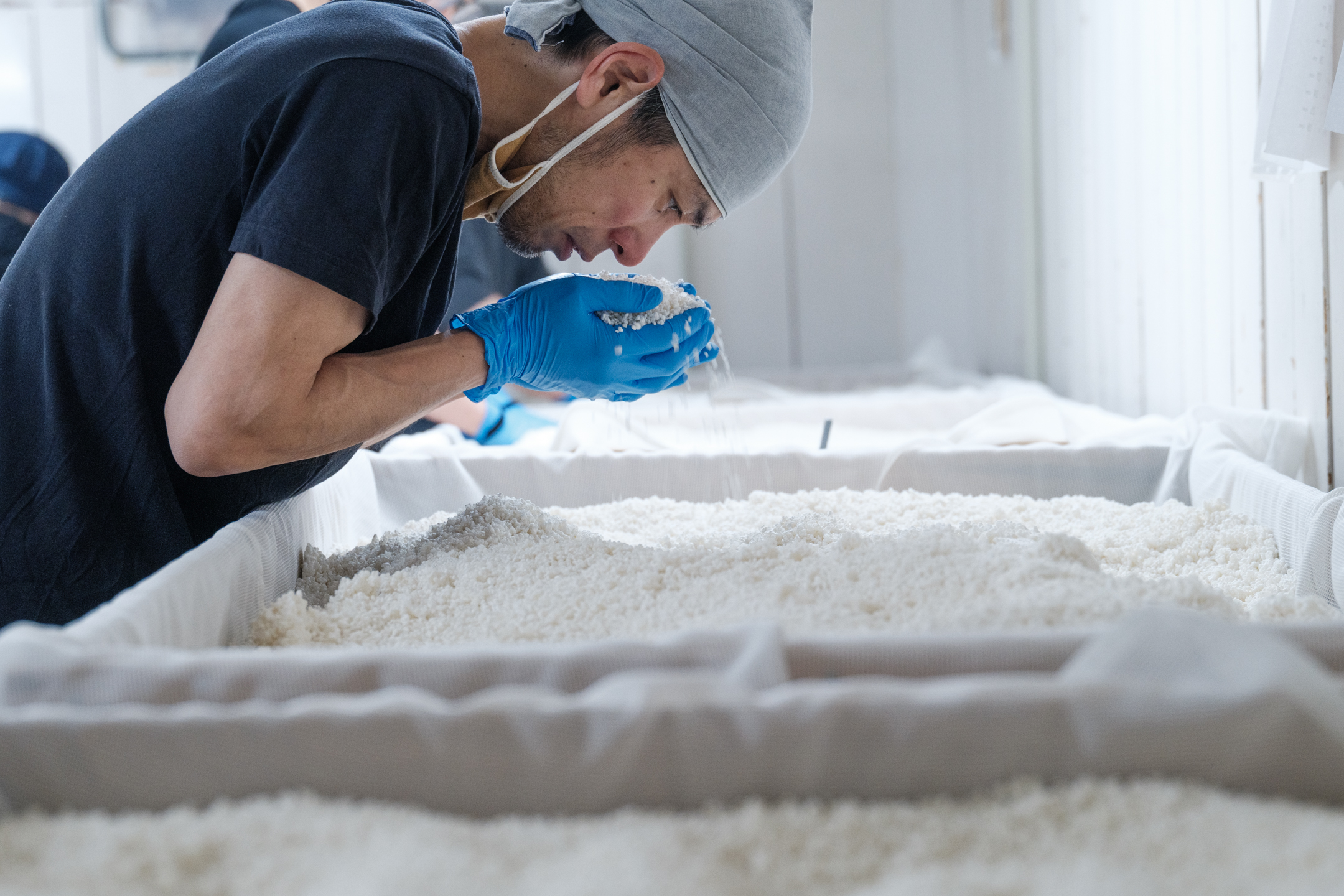
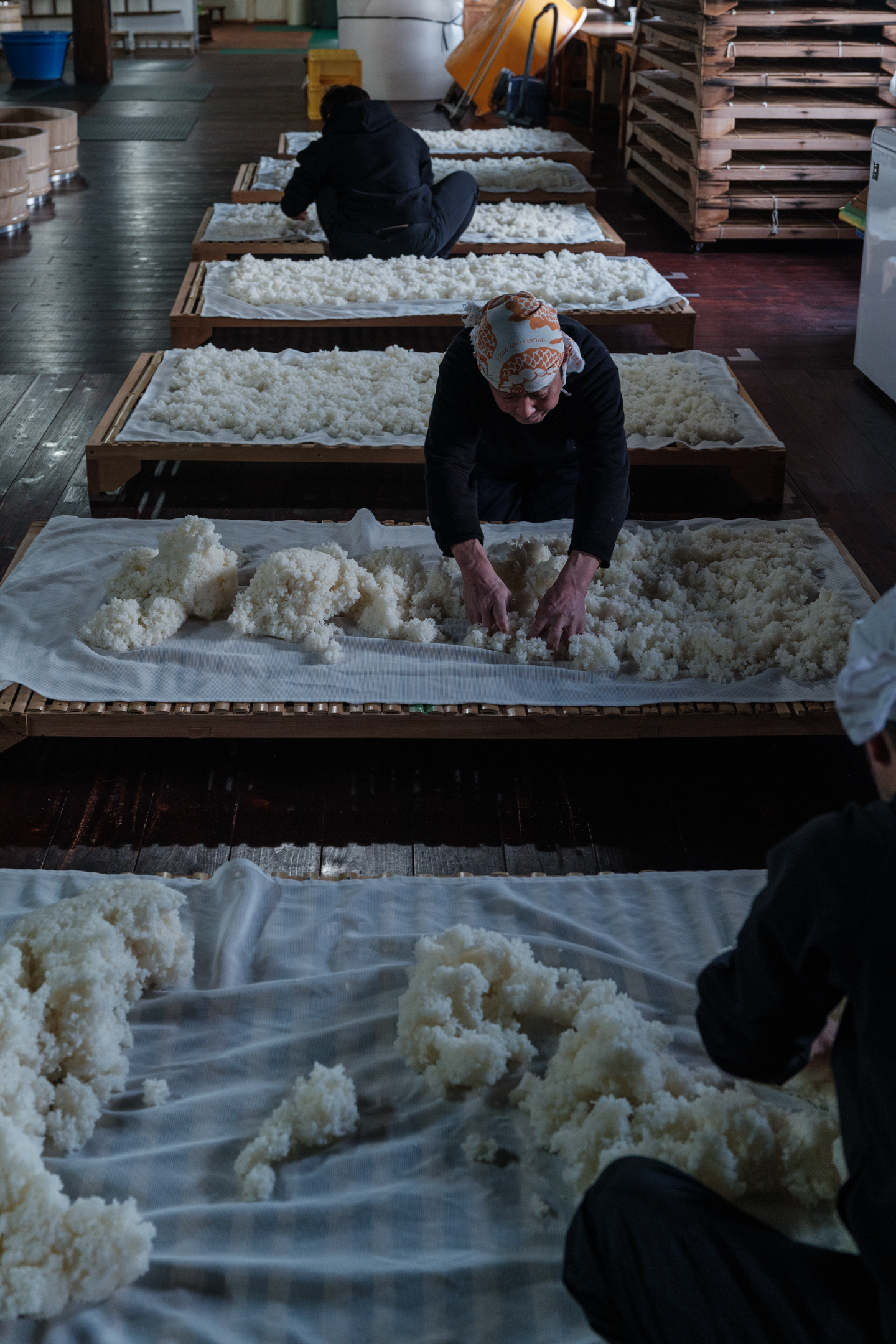
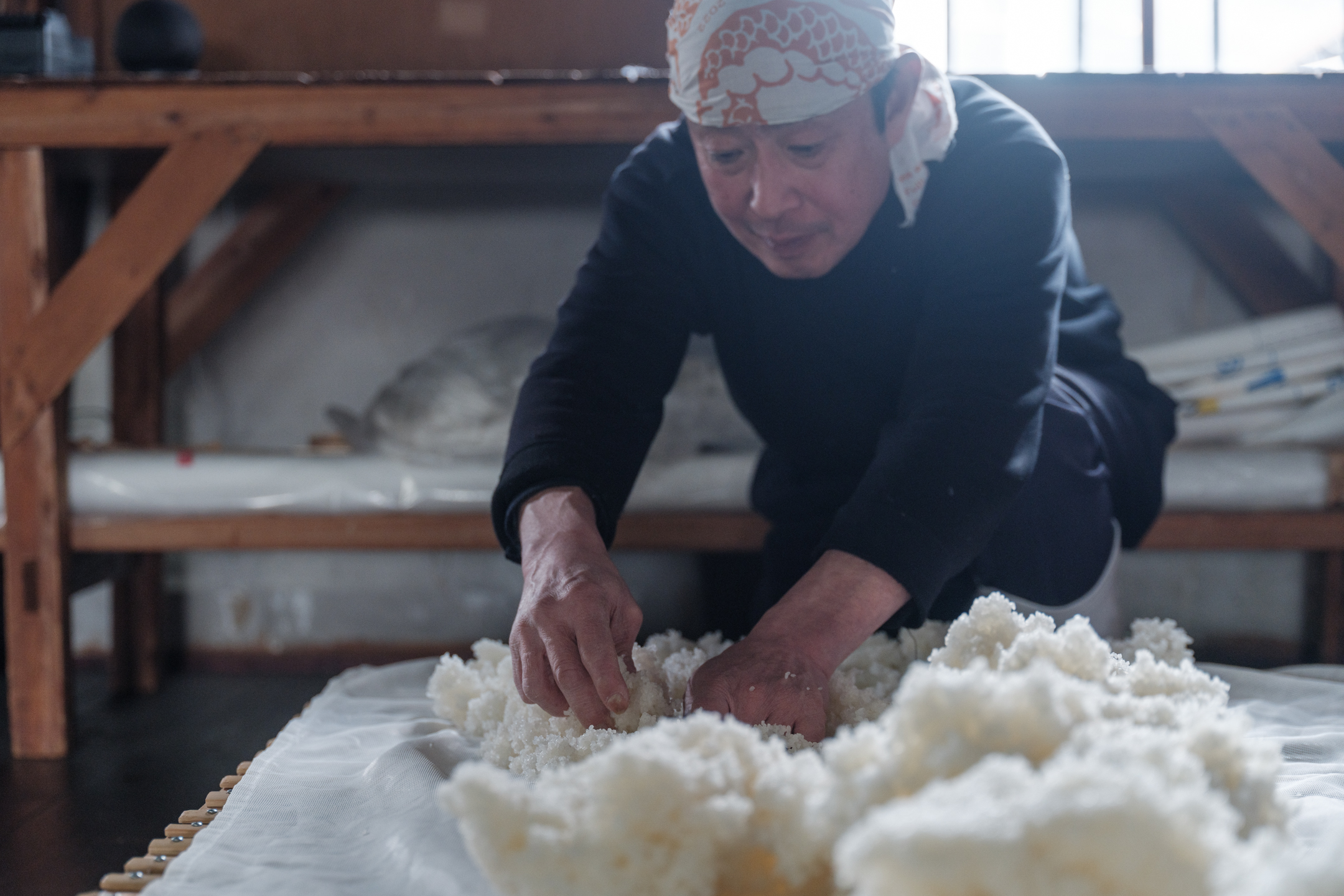
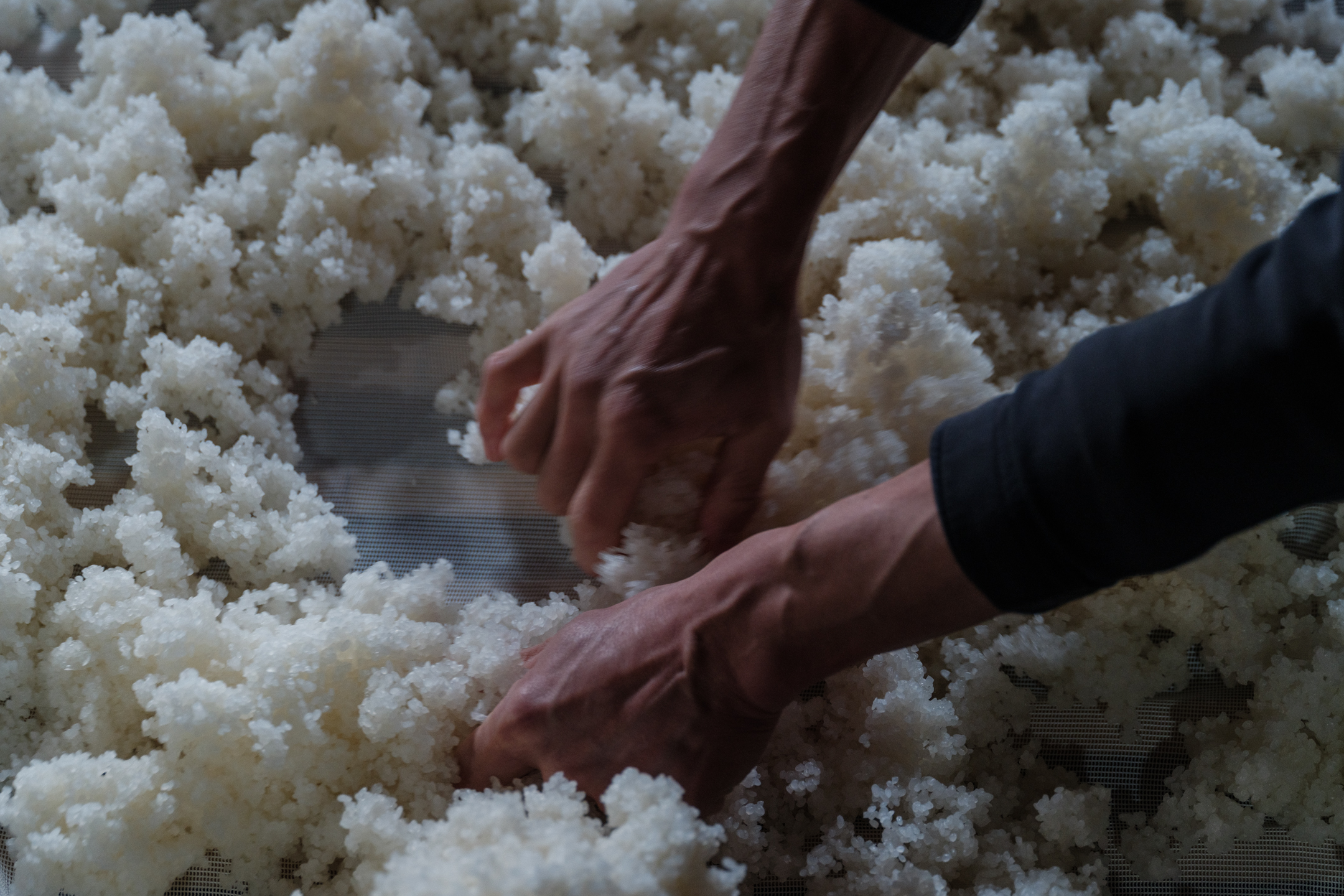
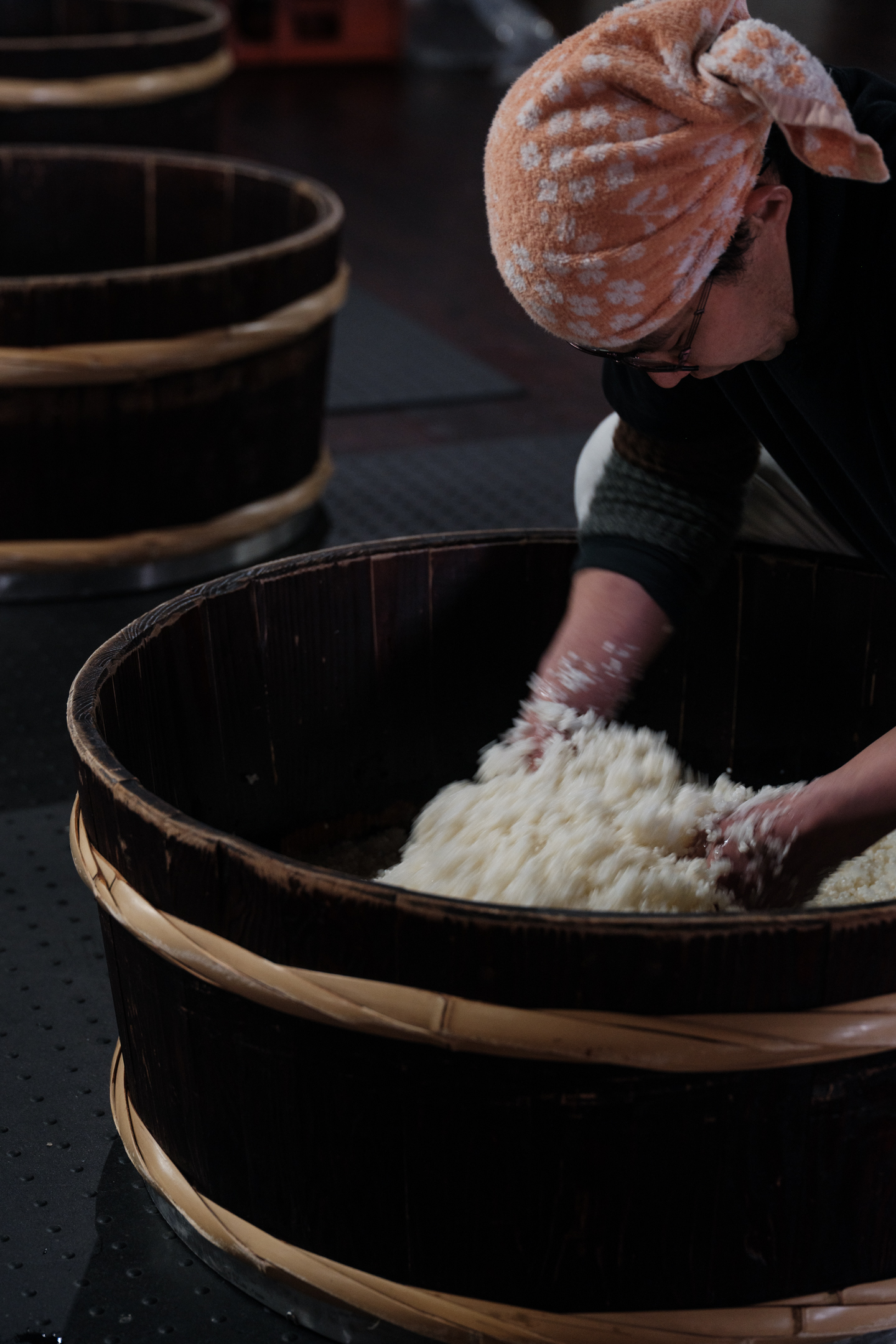
In the koji room, a gentle sweetness like freshly steamed chestnuts hangs in the air. “At Fujii Shuzo, we use plenty of koji mold,” says Toji Okada. He catches subtle changes in the koji, finely adjusting the temperature as if searching for the breathing of a living creature. Originally a teacher in Shimane, Okada’s love for sake led him to switch to the world of Japanese sake at age 25, and he has been honing his skills at Fujii Shuzo for about 10 years. 2023, the year Okada became Toji, was also a turning point when the brewery unified all its sake production under the traditional Kimoto method.
A Direction Found by Returning to the Roots
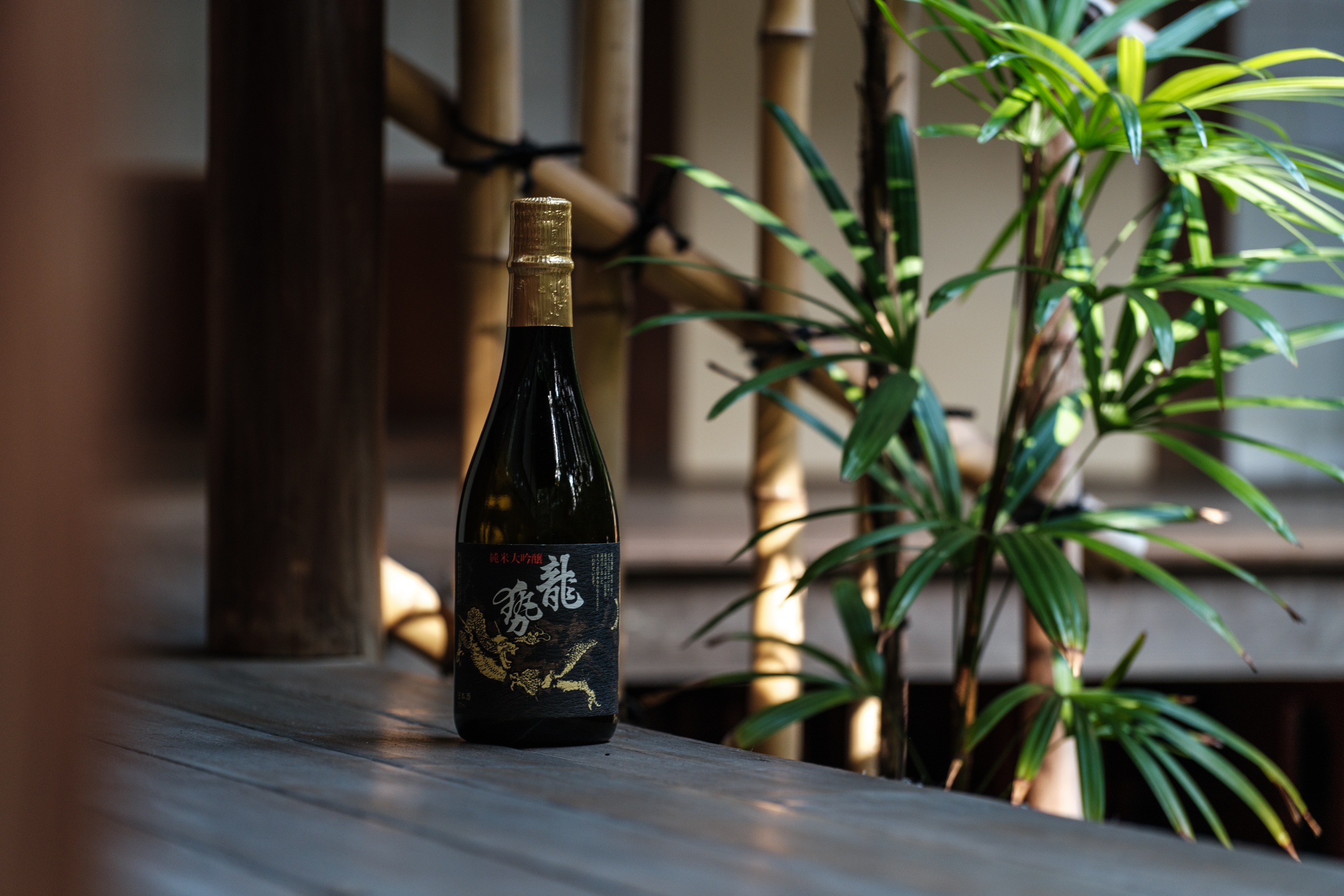
Behind the thorough commitment to Kimoto production lies the direction of sake brewing envisioned by Yoshihiro Fujii. Fujii Shuzo gained fame when its “Ryusei” brand won first place at the first National Sake Appraisal in 1907. At that time, it was Kimoto brewing using brewery-resident yeast, but this stopped during the post-war wave of efficiency. Believing the brewery’s roots lie there, Fujii took the first step toward unification with Kimoto, stating, “Value that cannot be bought with money becomes a one-of-a-kind individuality.” In the future, he aims to brew all sake using brewery-resident yeast.
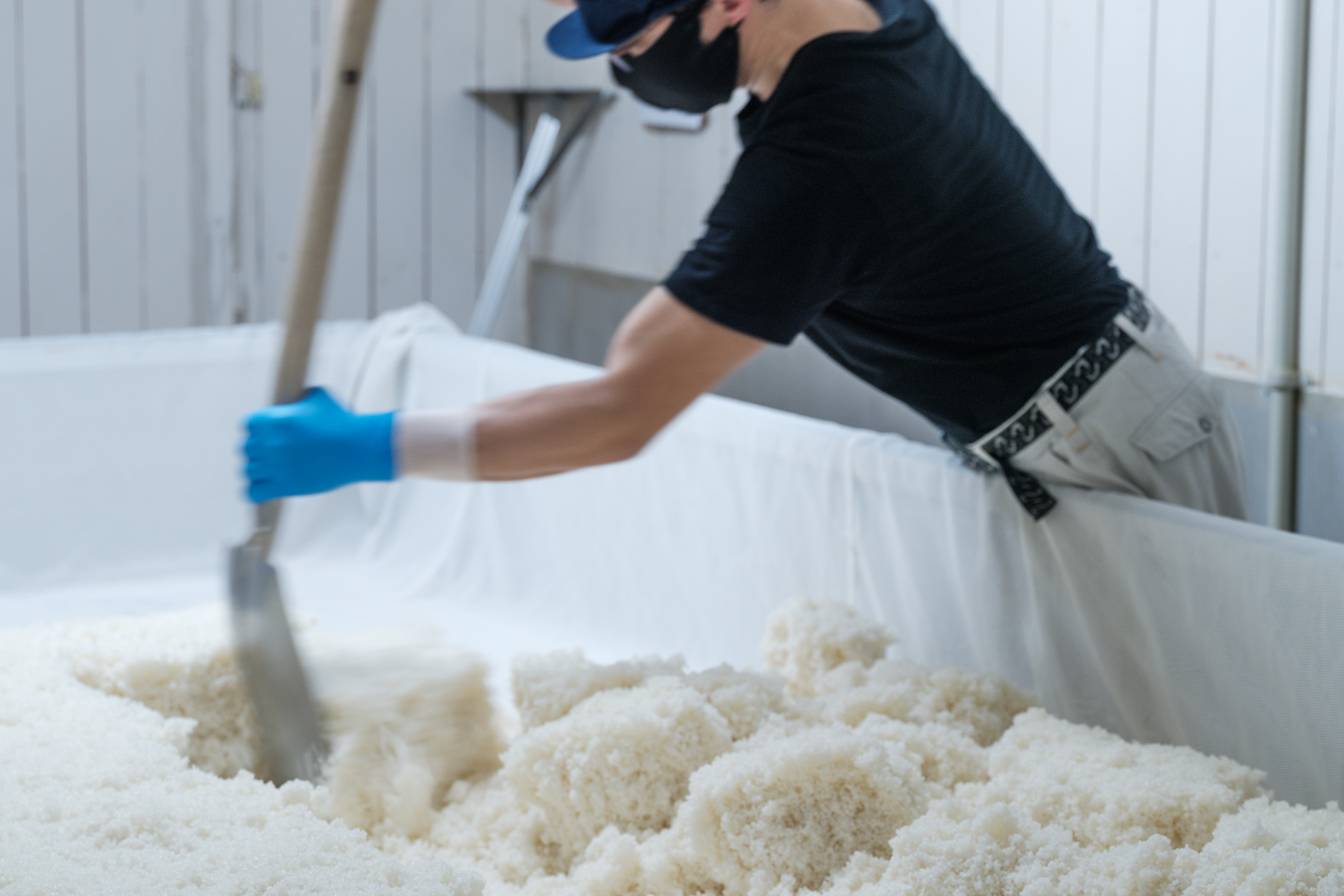
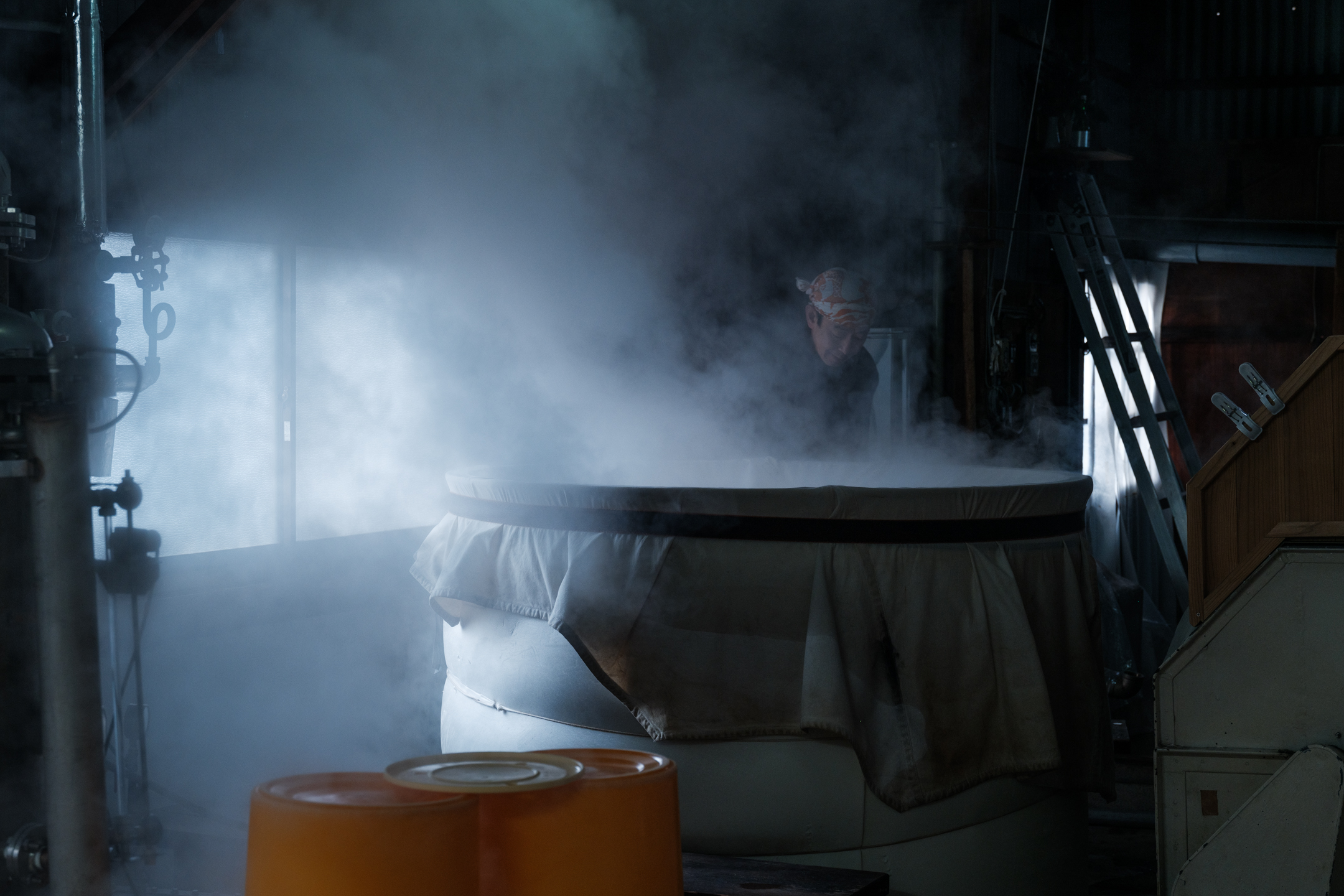
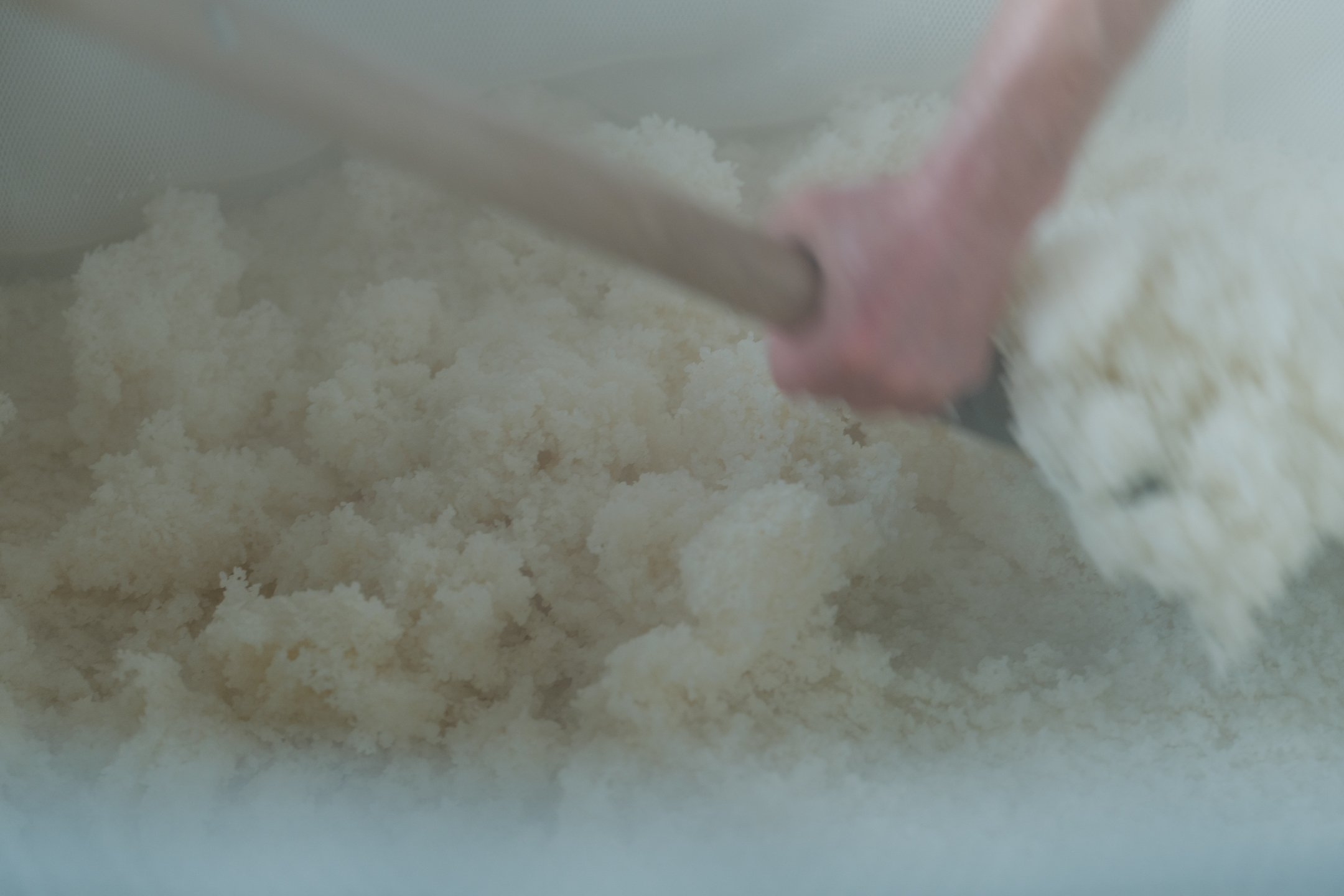
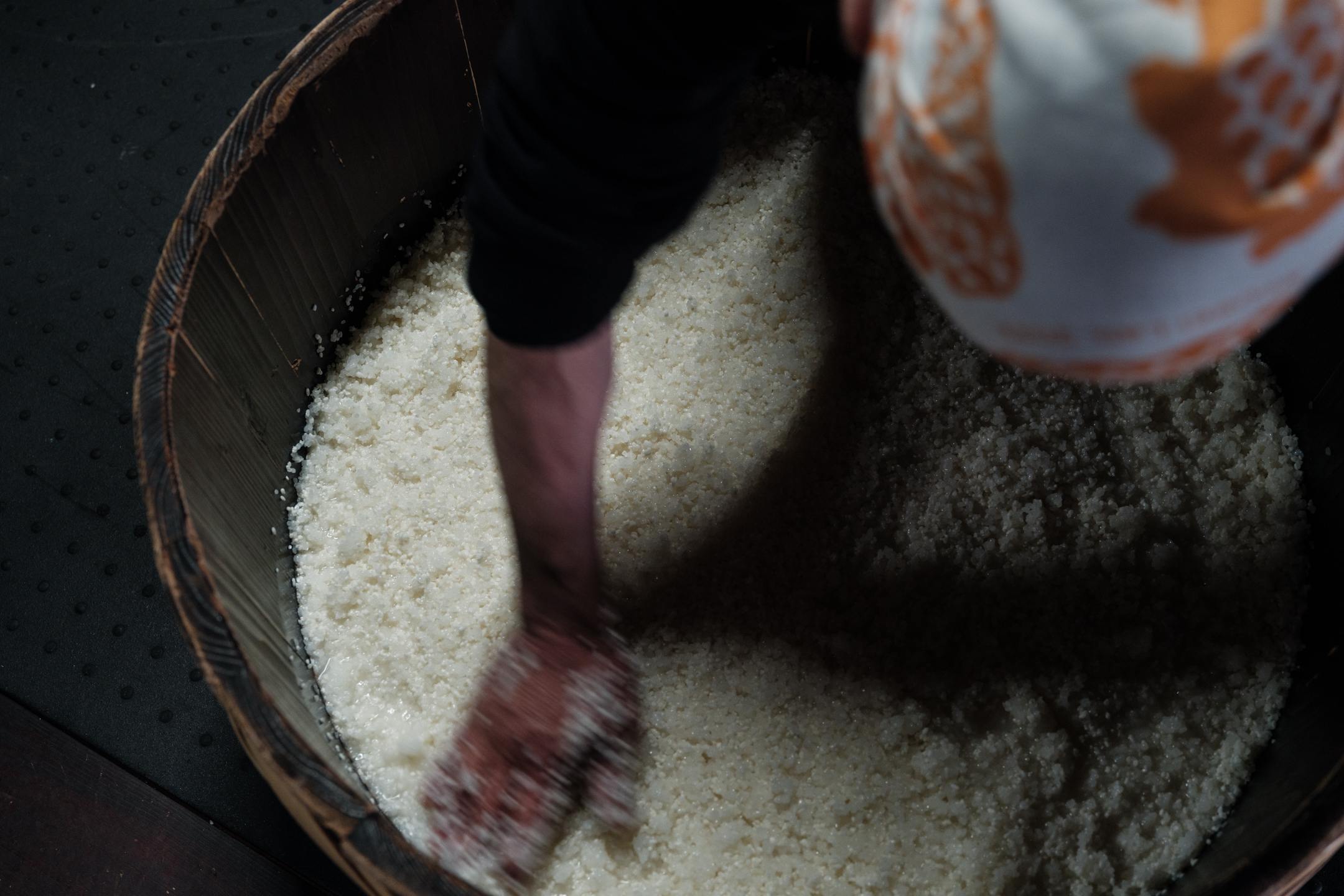
Steam rising from steamed sake rice, workers moving their hands mindfully. One might imagine that sake brewing always has a solemn, tense atmosphere… but currently playing in the brewery is the theme song for the anime “Gatchaman.” Surprisingly, the workers’ favorite music plays one after another, and everyone moves their hands to the beat. This is based on Fujii’s policy that “while results are important, the process can be fun.” It is a stylish touch that adds a subtle brightness to a workplace involving a lot of physical labor.
Staying the Same Means Continuing to Change
With a thorough commitment to Kimoto production and the challenge of switching all sake to brewery-resident yeast, the brewery is updating its working styles and technology to the latest standards while respecting tradition. A new chapter is beginning at Fujii Shuzo. The catchphrase “Brewing the soil, the brewery, and daily life” embodies a strong will to create a flavor unique to Fujii Shuzo, born from the trinity of blessings from the Takehara land, the unique ecosystem nurtured in the brewery, and the attitude of the workers passed down daily.
Daily Observation and Recording Create the Taste of the Future
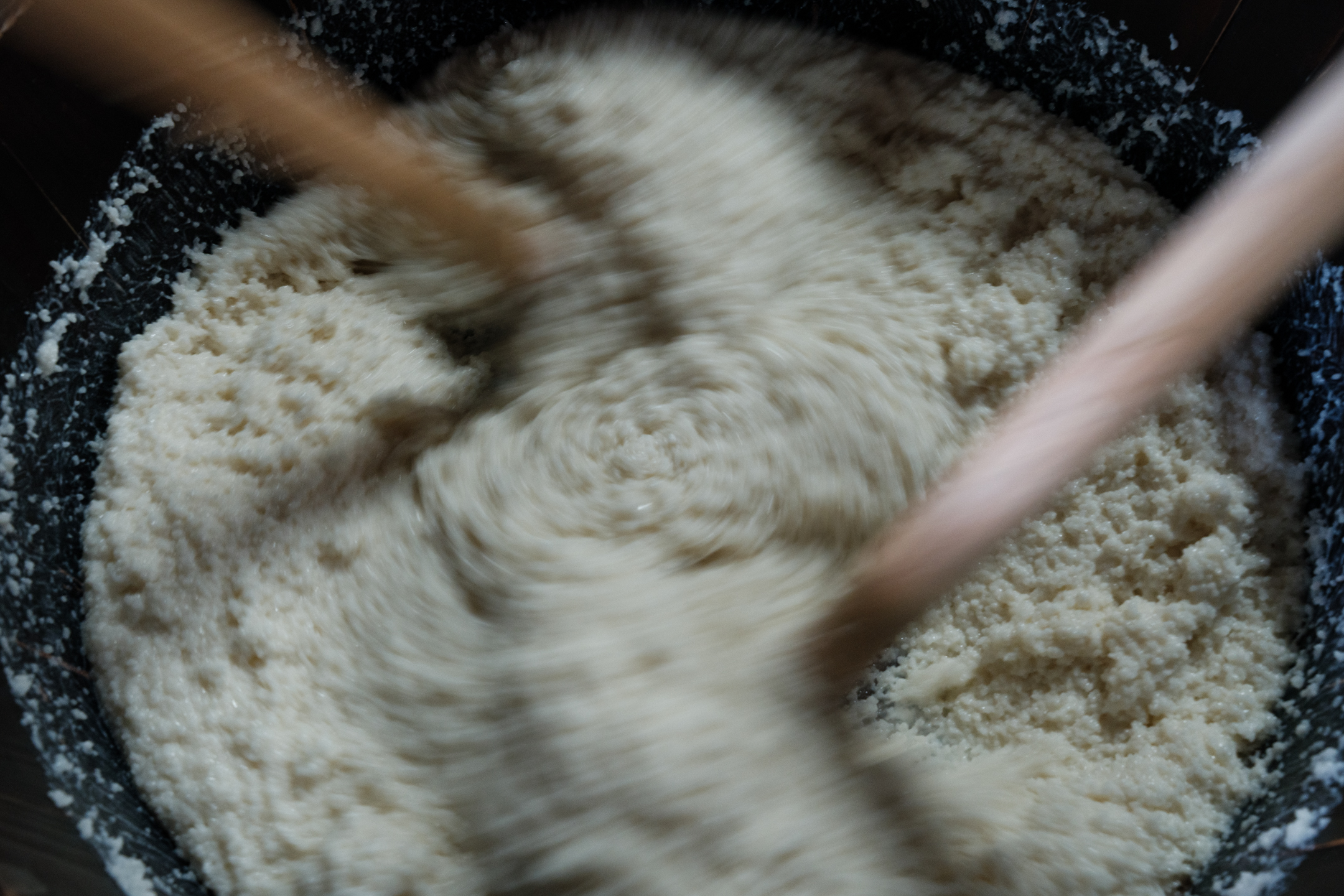
Even though terms like “Kimoto production” and “using brewery-resident yeast” sound simple, achieving them is no small feat. Fujii Shuzo’s brewing water is soft water that has passed through granite, characterized by the gentle fermentation of yeast. In Kimoto production, which relies on the power of microorganisms, this “gentleness” actually creates difficulty. Toji Okada says it was a series of trials and errors, but the “complexity” born from that is the very individuality of the sake.
Looking Toward the Future of the Brewery as the 6th Generation
Fujii studied abroad in Singapore for a year during high school and chose California State University for his higher education. He says the feeling of frustration he felt while experiencing foreign cultures was the catalyst for choosing this path. “Overseas, everyone talks proudly about their home country, but I noticed that Japanese people have a low evaluation of their own country. That’s why I wanted to make it so people could say ‘Japan is wonderful’ through sake.”
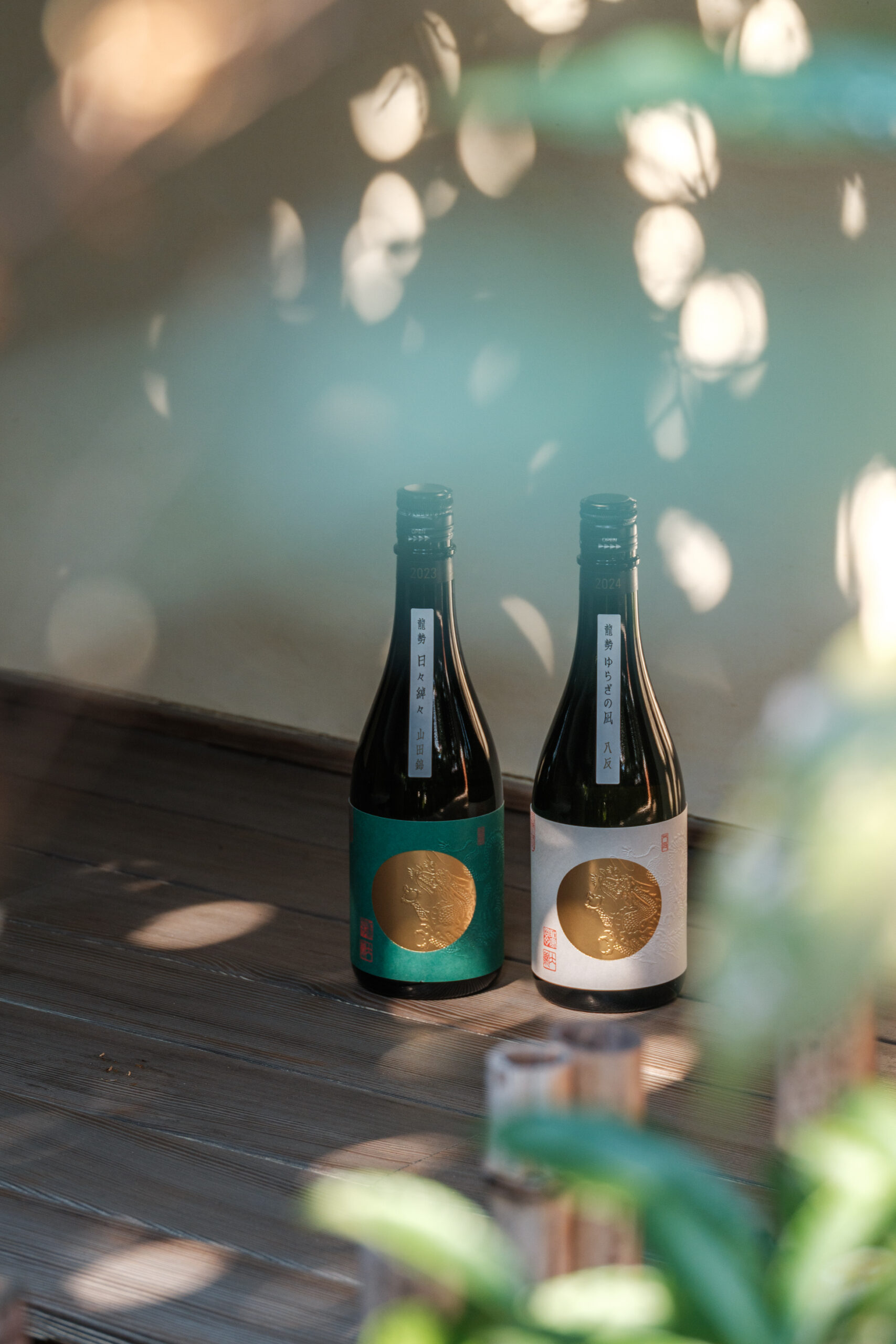
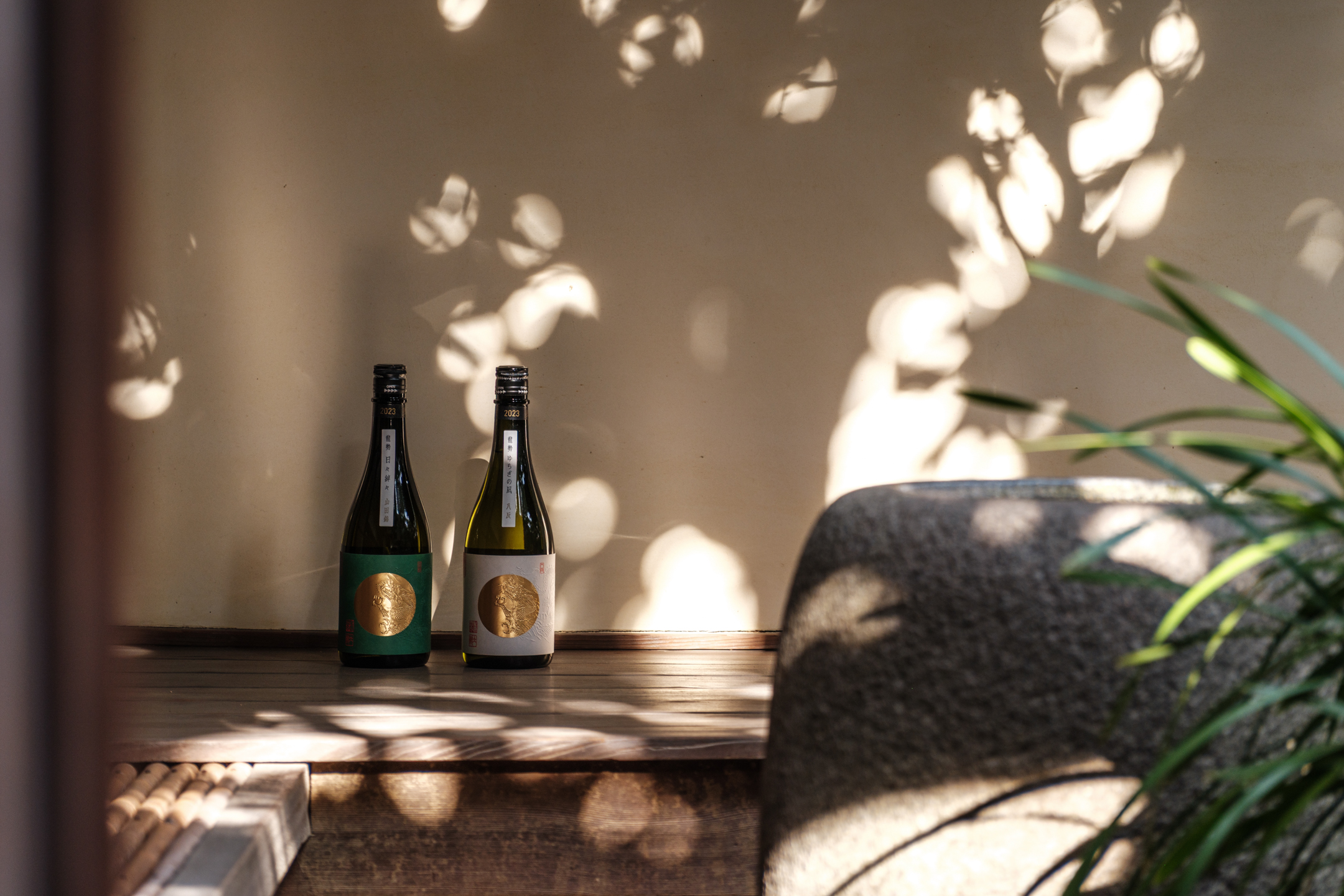
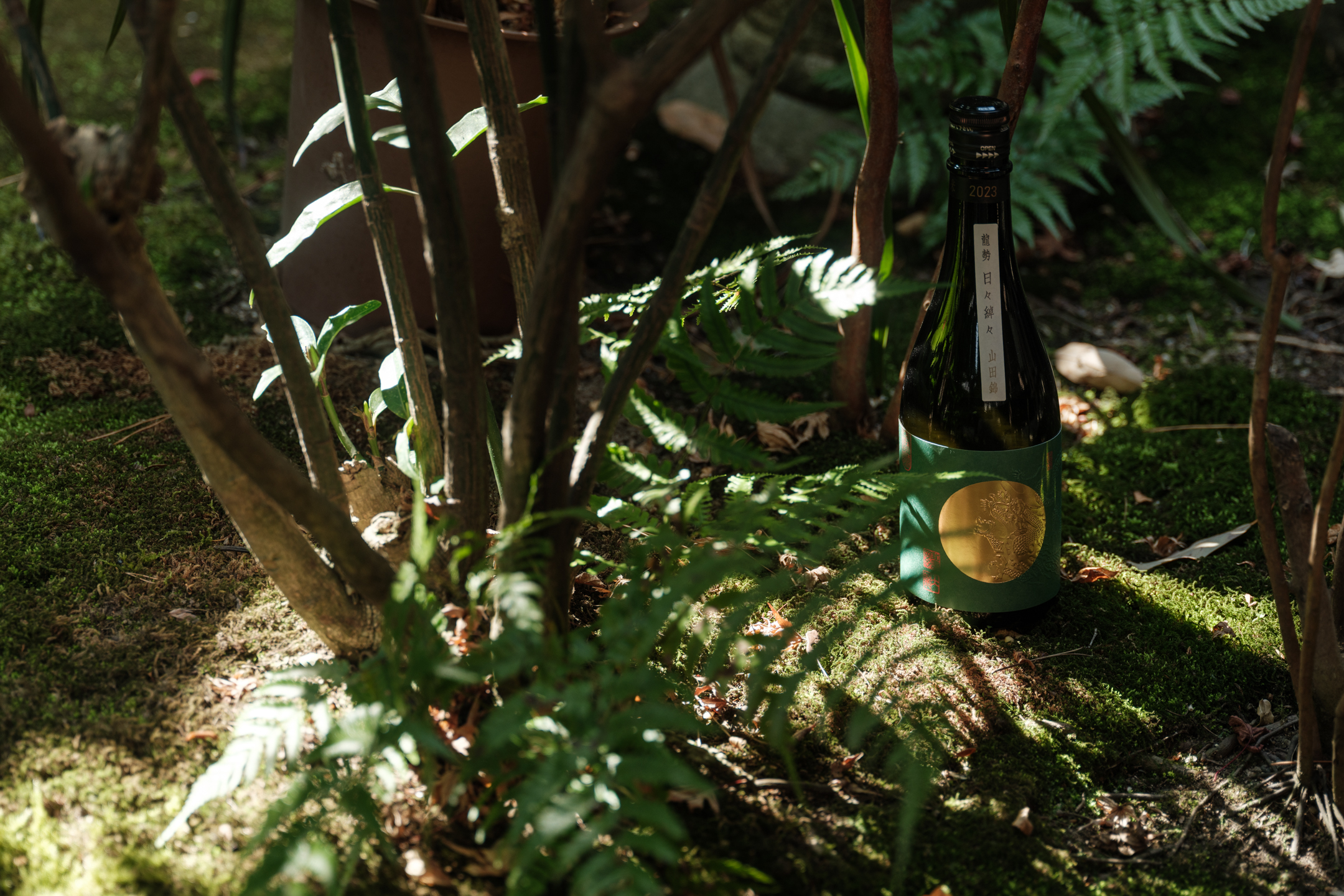
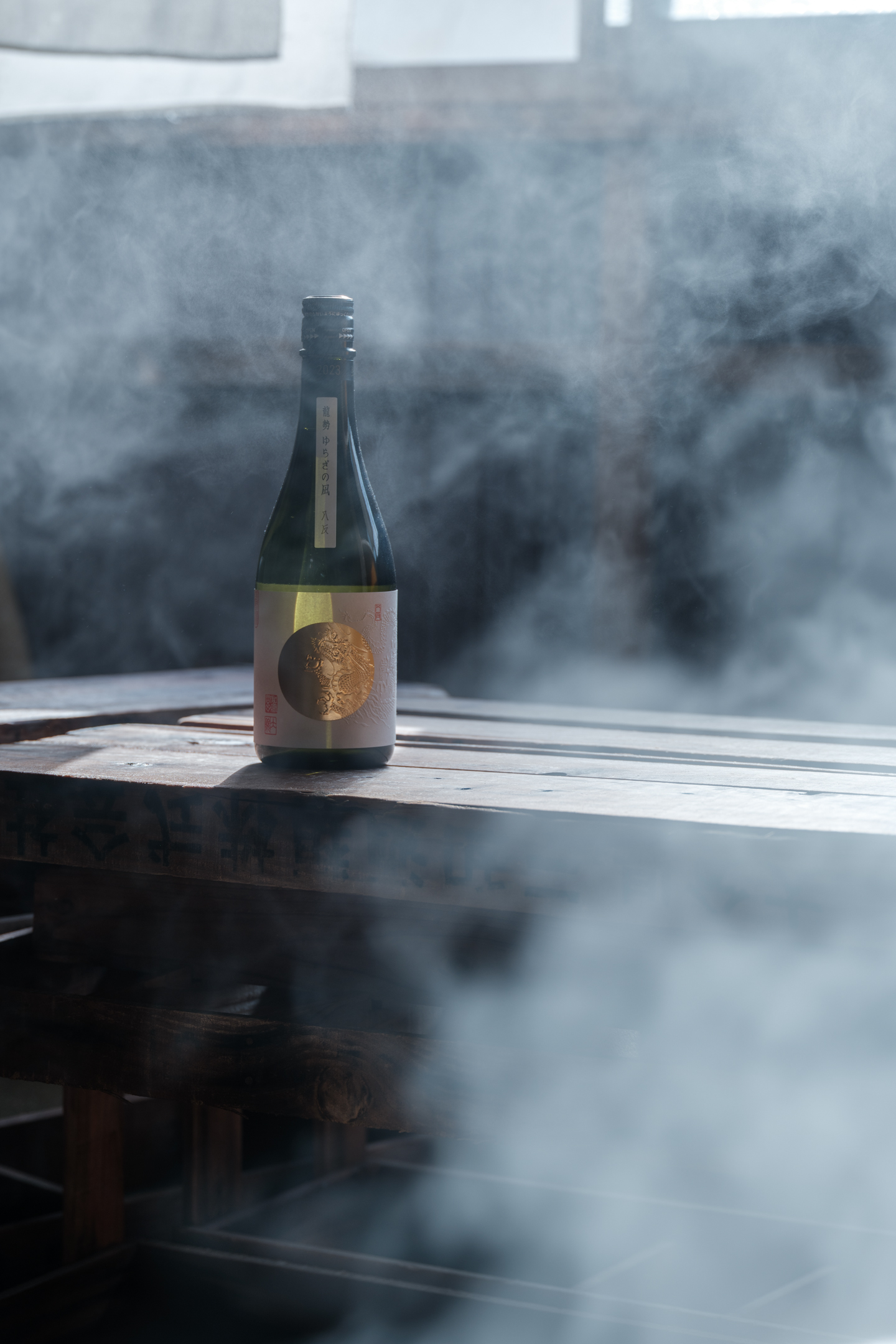
Fujii decided to take over the family business because it happened to be a profession rooted in Japanese culture. He became a brewery worker in 2013 and learned sake brewing from scratch. Now as a manager, he has set “Onko Soshin” (innovating by learning from the past) as his theme, aiming for a brewery that continues to make sake within the brewery’s ecosystem. The “Ryusei Limited Series,” crafted by Fujii using the Kimoto method to bring out the individuality of the rice, is a bottle infused with that spirit.
Currently, Fujii has also started rice farming with peers in Konashi-cho, Takehara. “For example, if we could hold workshops on making miso using koji, it would lead to food education and better communicate that a sake brewery exists in the local community,” he says, with no end to his ideas for the future. Through connections with brewery workers, local peers, and people with various strengths, Fujii Shuzo uses sake as a medium to convey the richness of Japanese culture and life. The brewery’s attitude of enjoying new challenges while valuing tradition is spreading from Takehara to the rest of the country and the world, moving toward a future where Japanese people can be proud of Japan.