Sear in the flavor with overwhelming heat —Okonomiyaki Miyuki
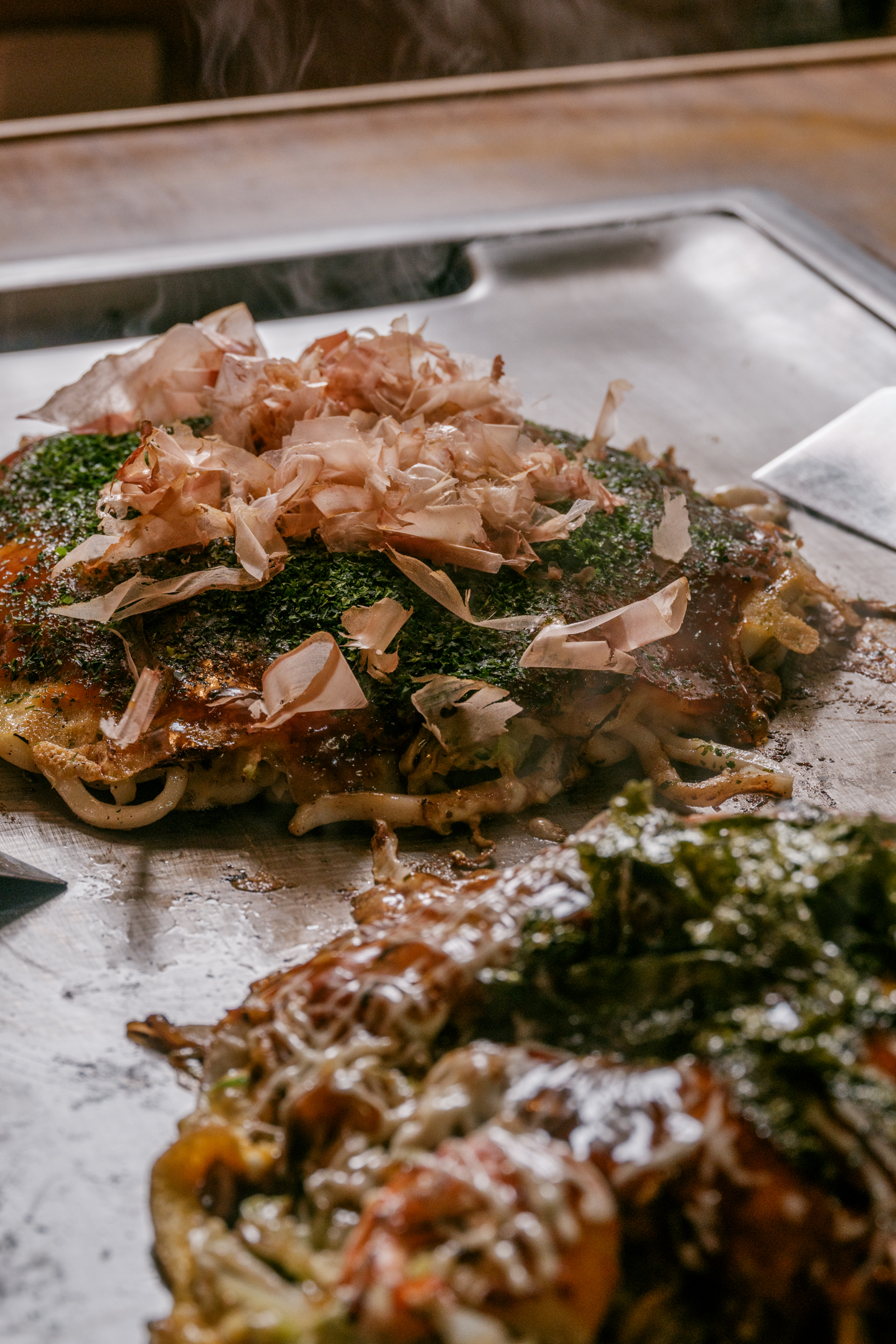
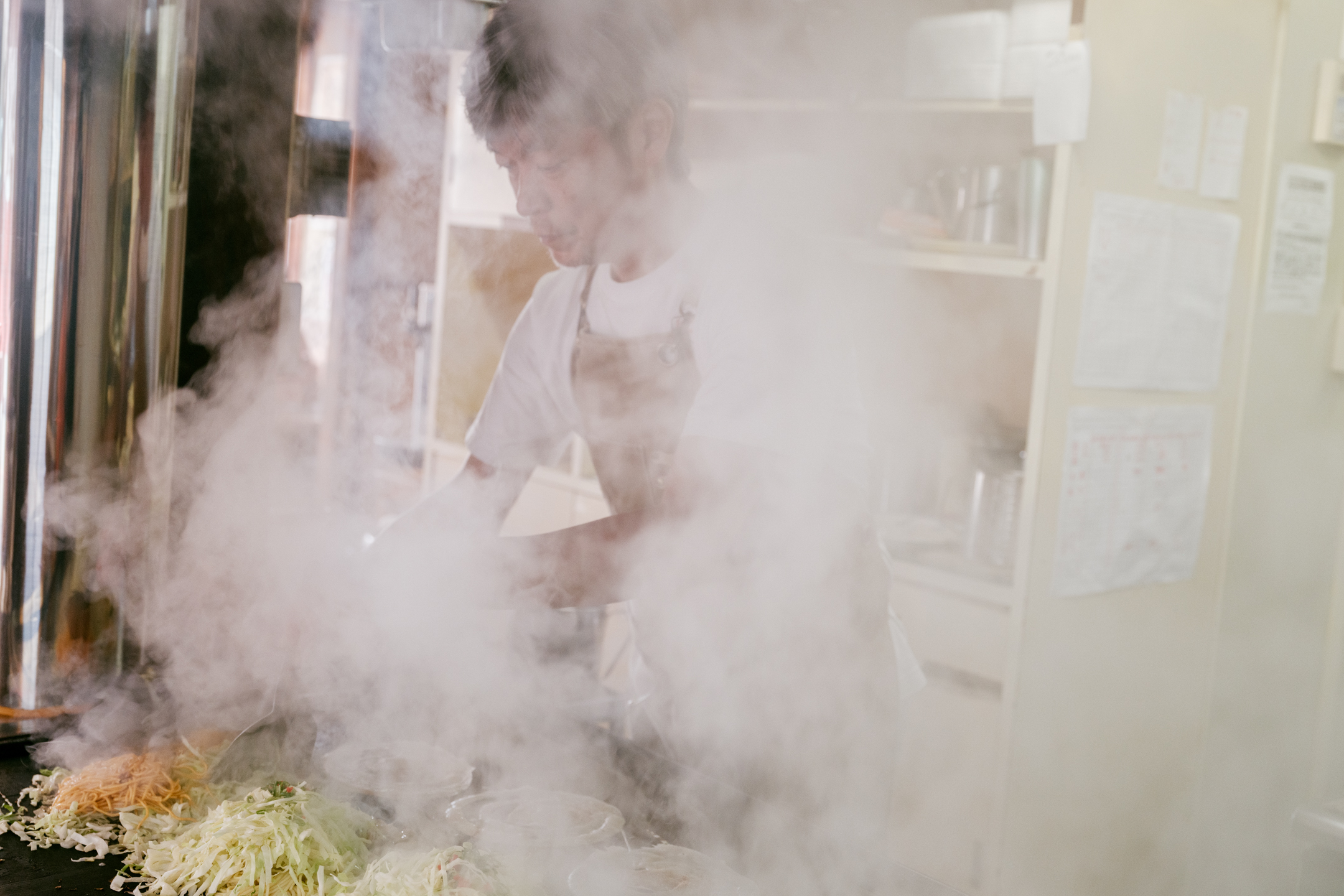
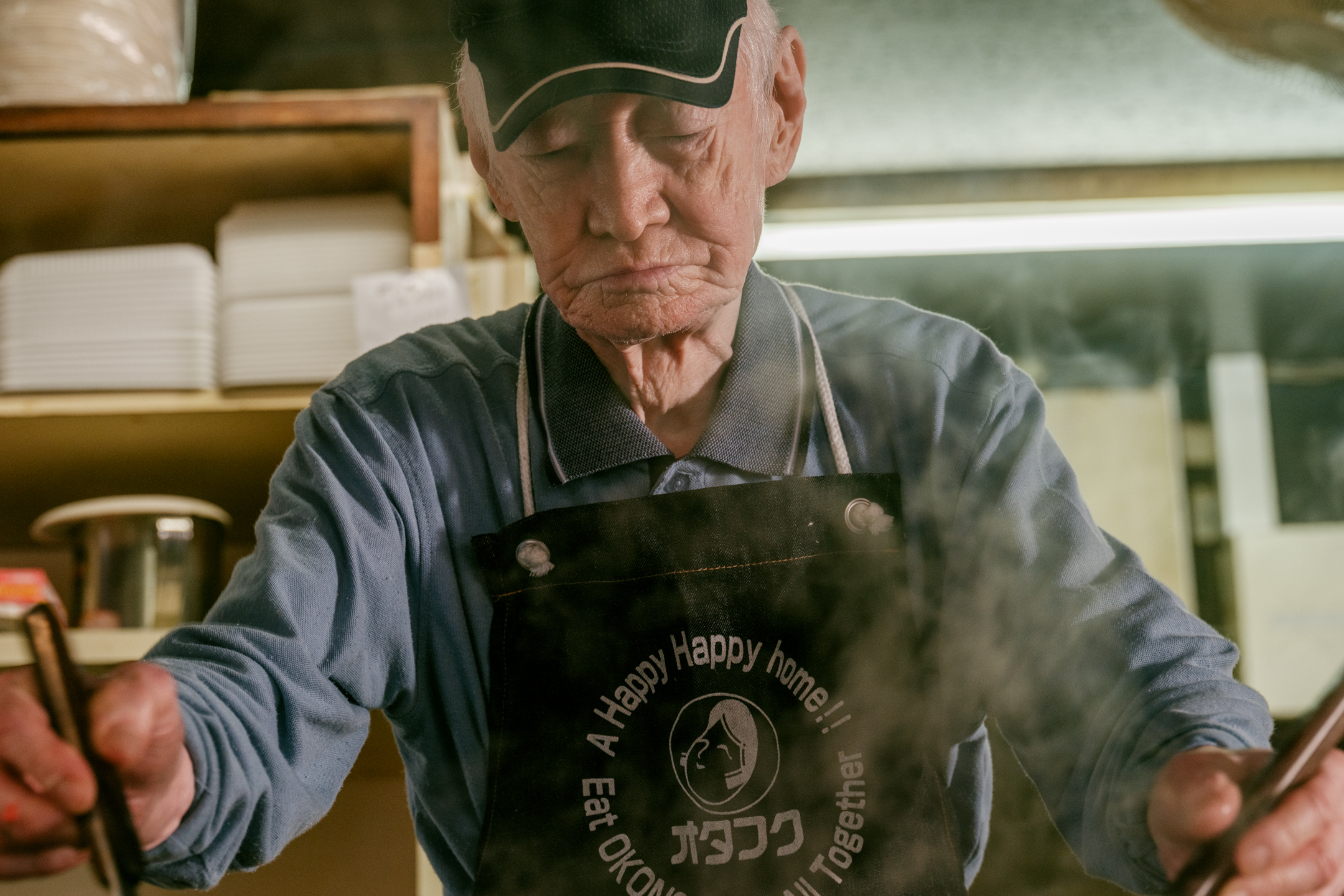
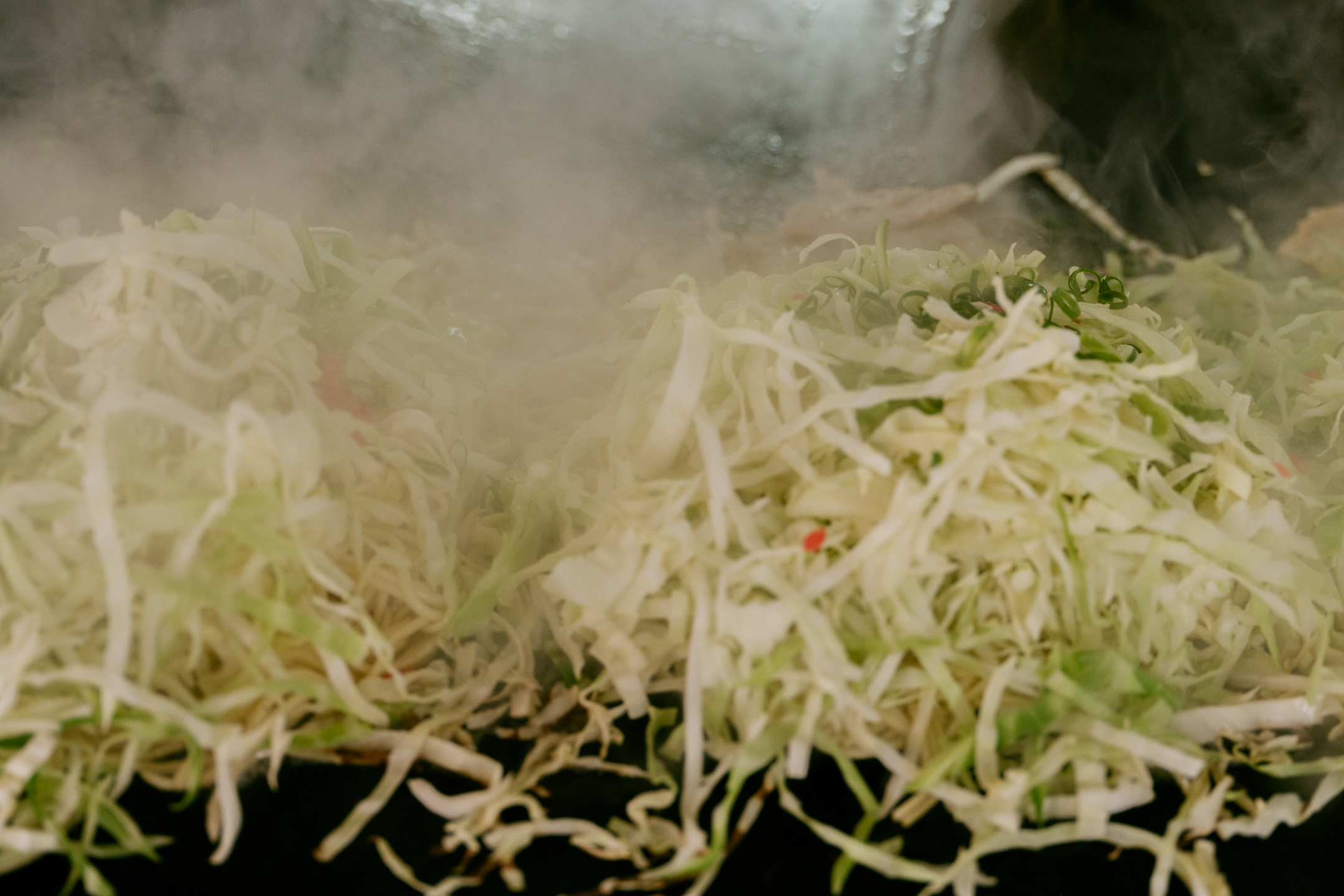
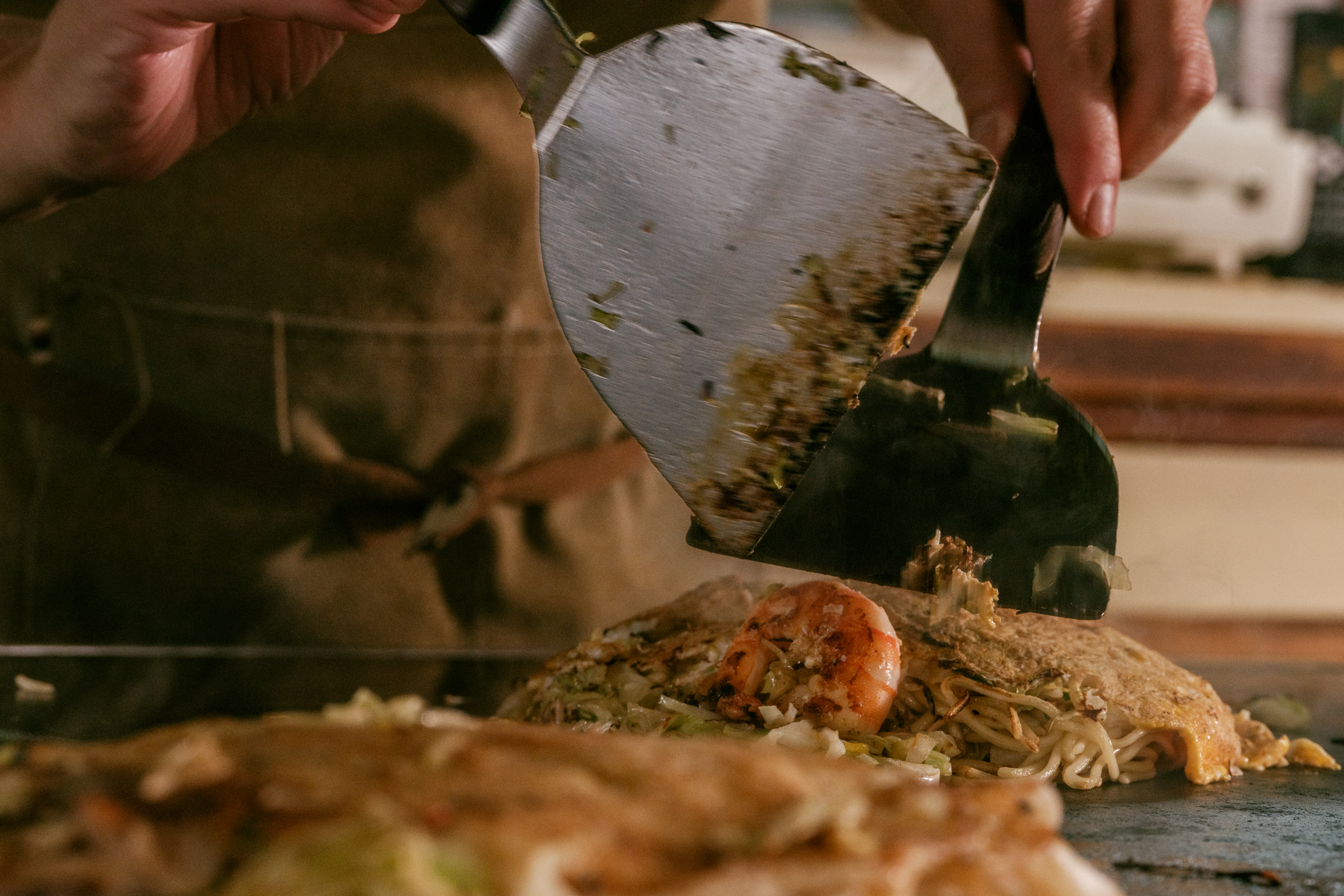
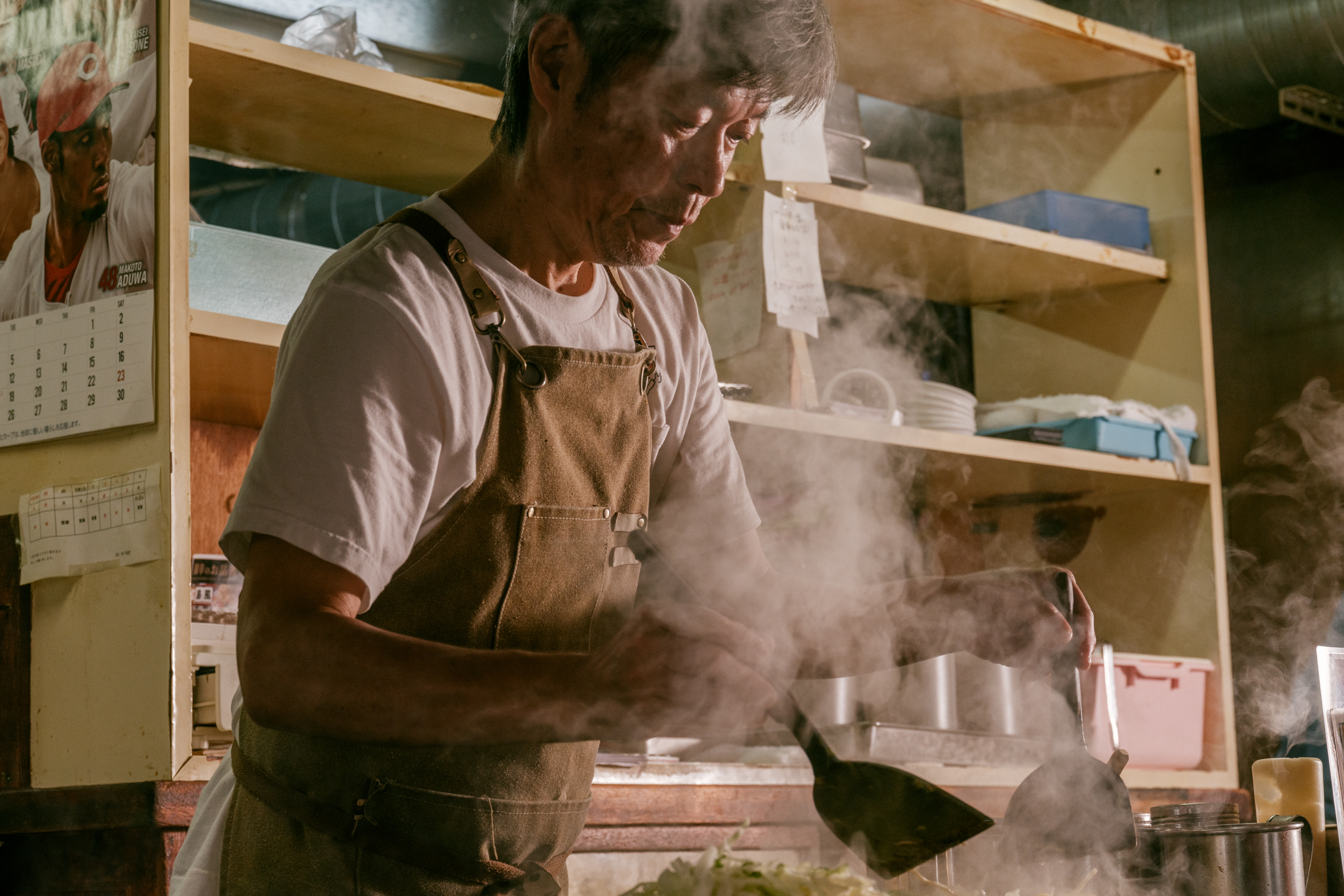
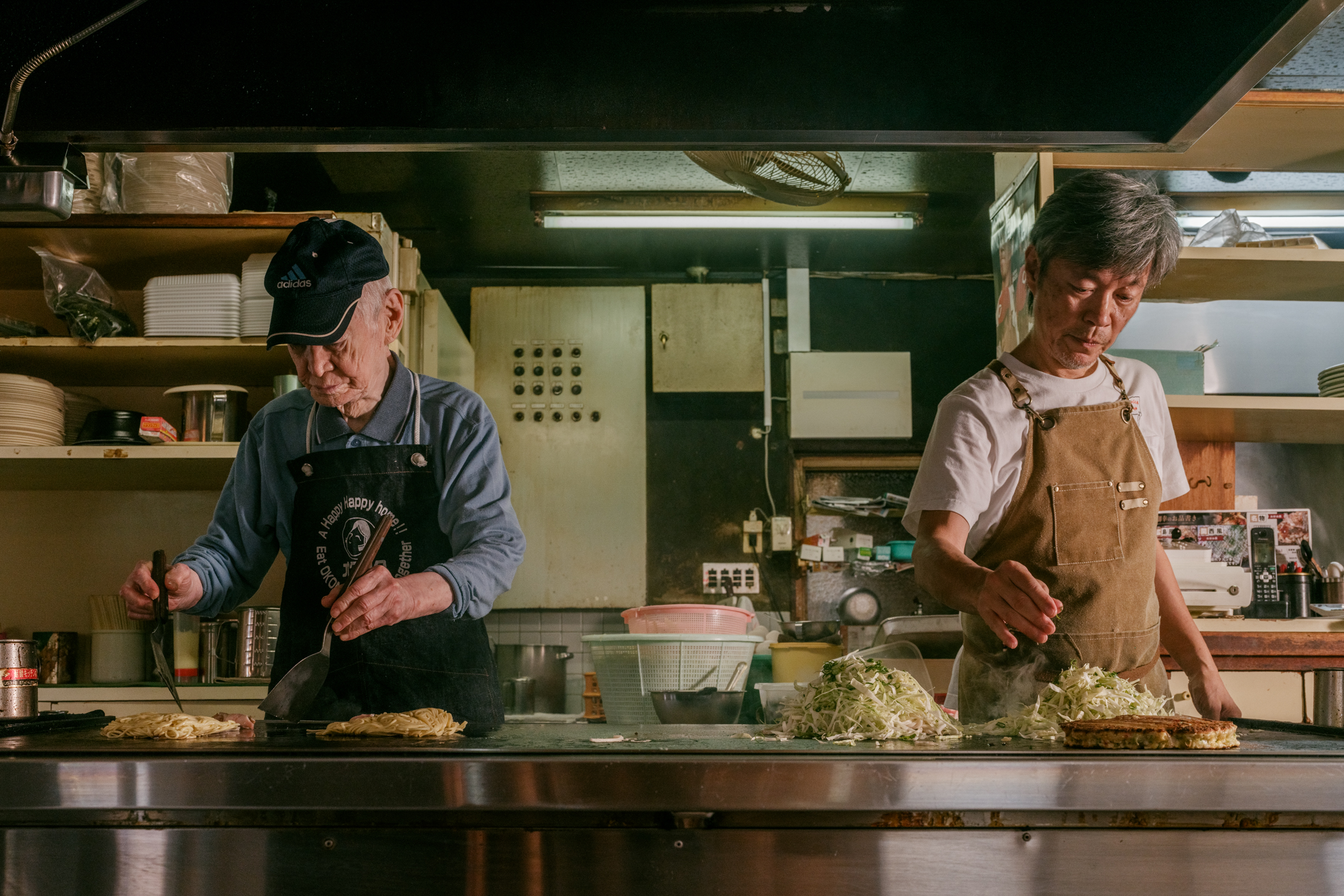
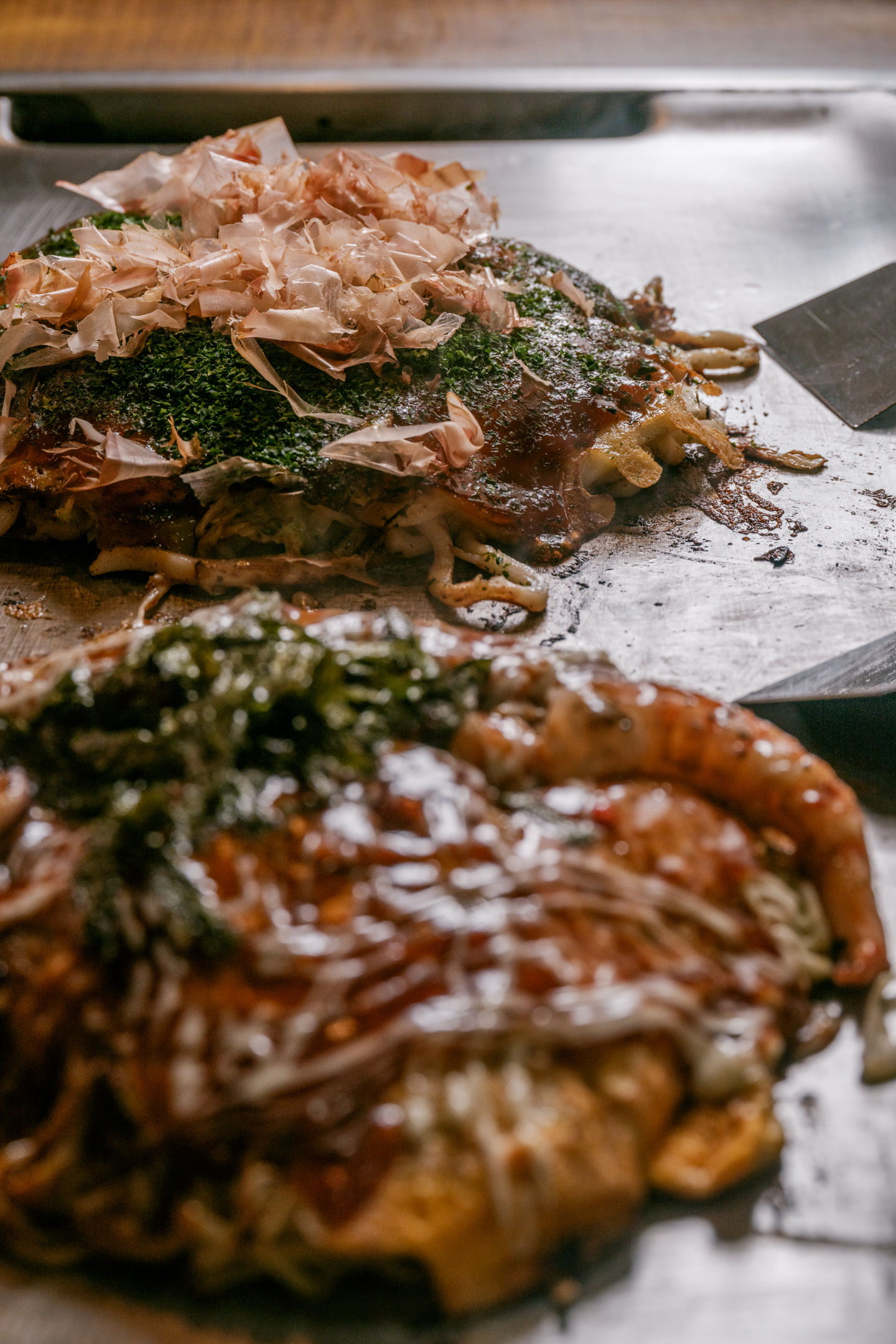
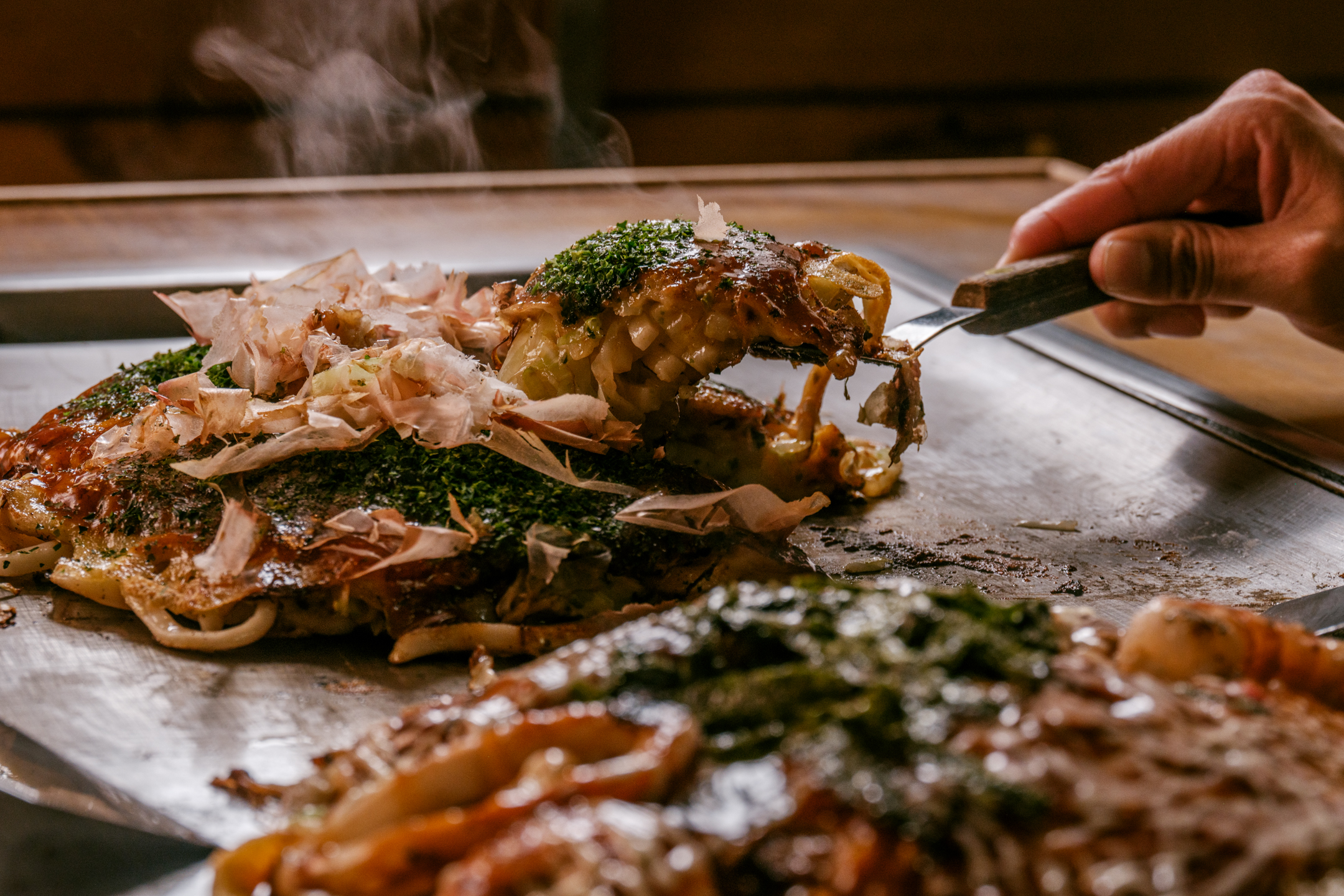
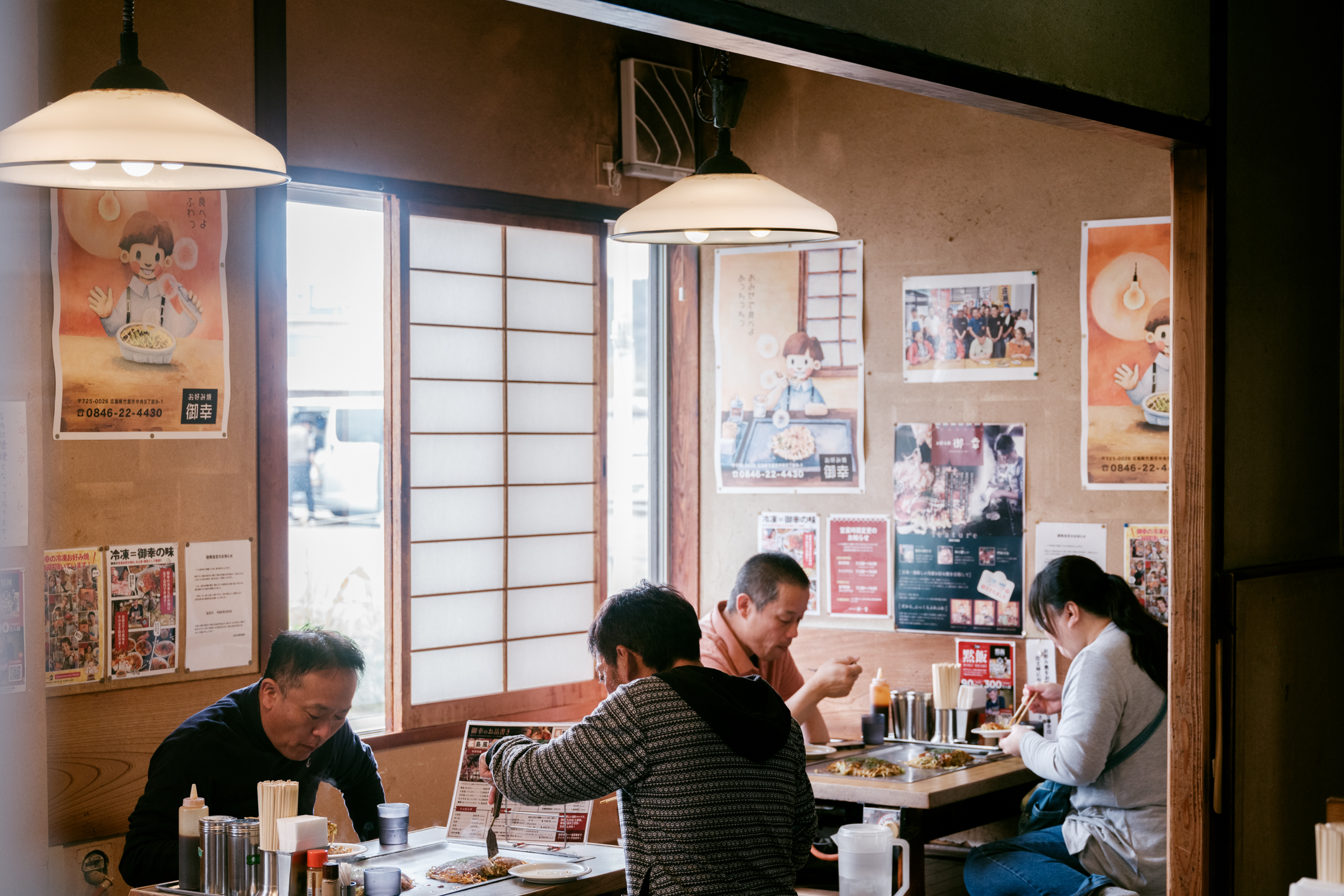
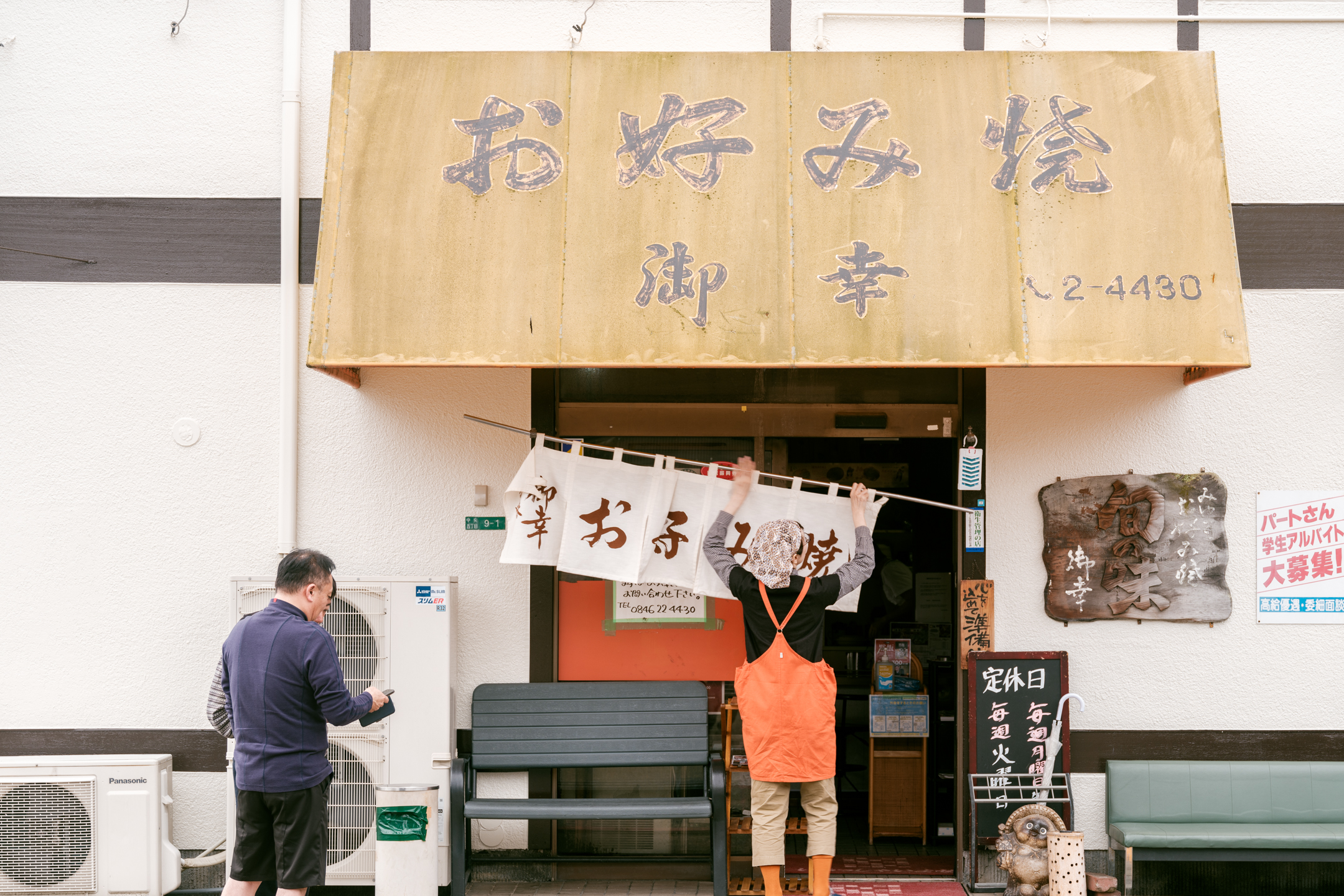
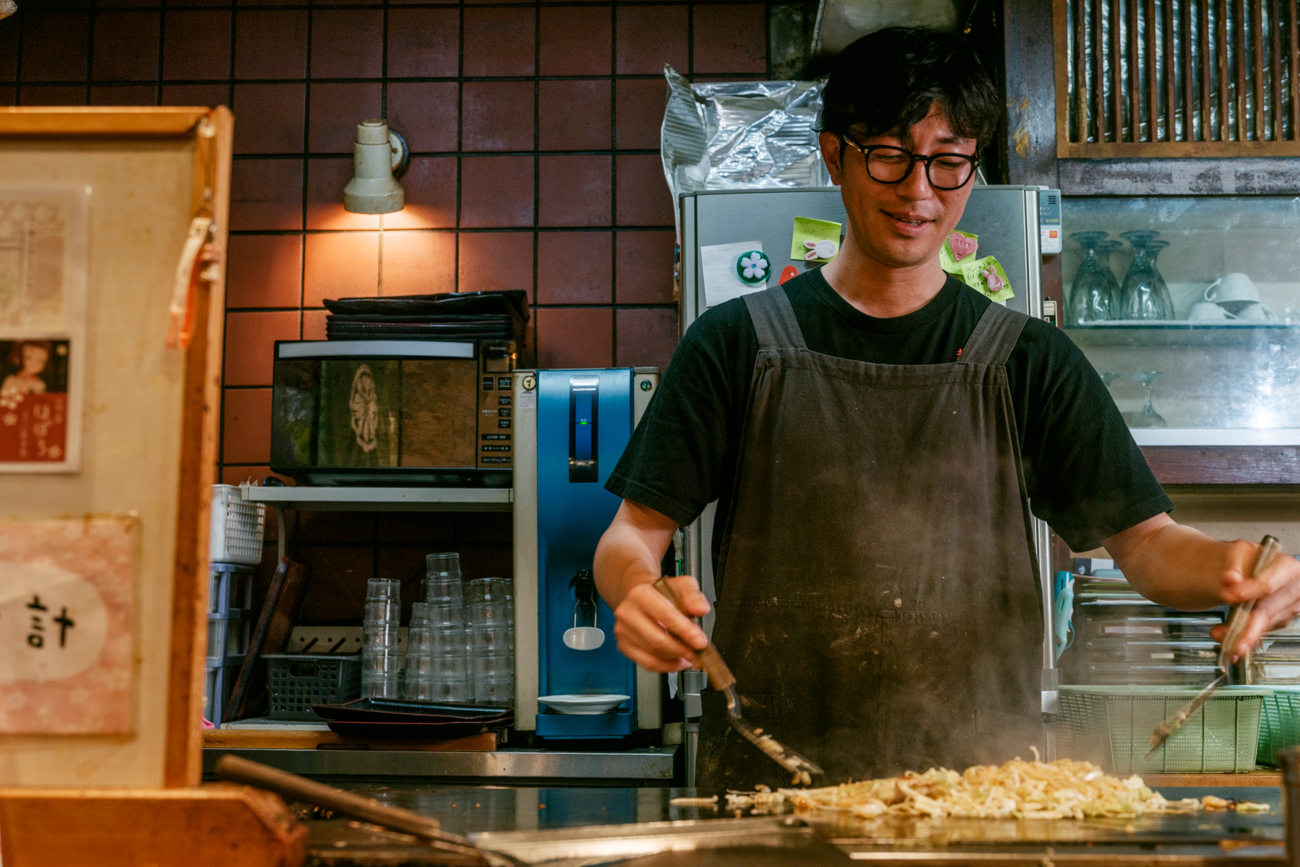
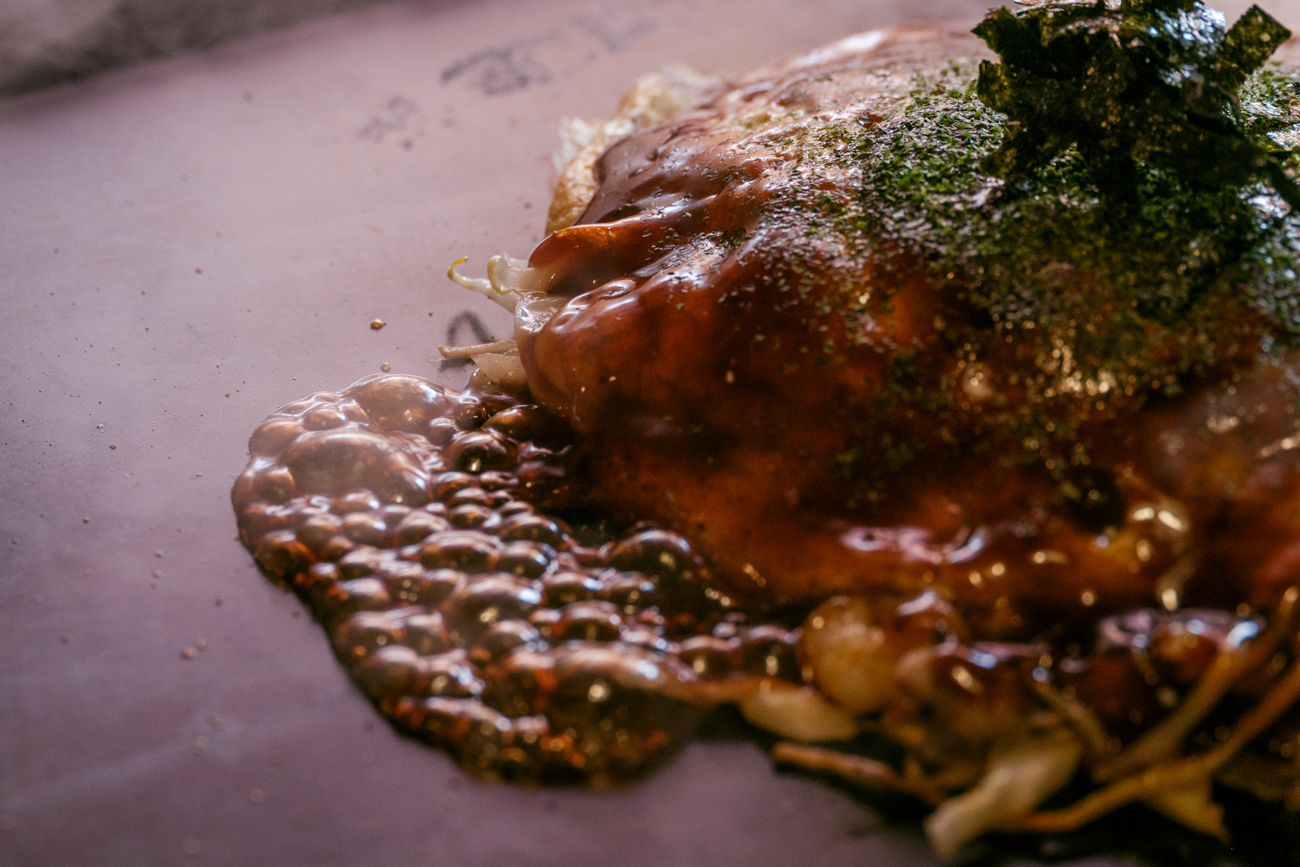
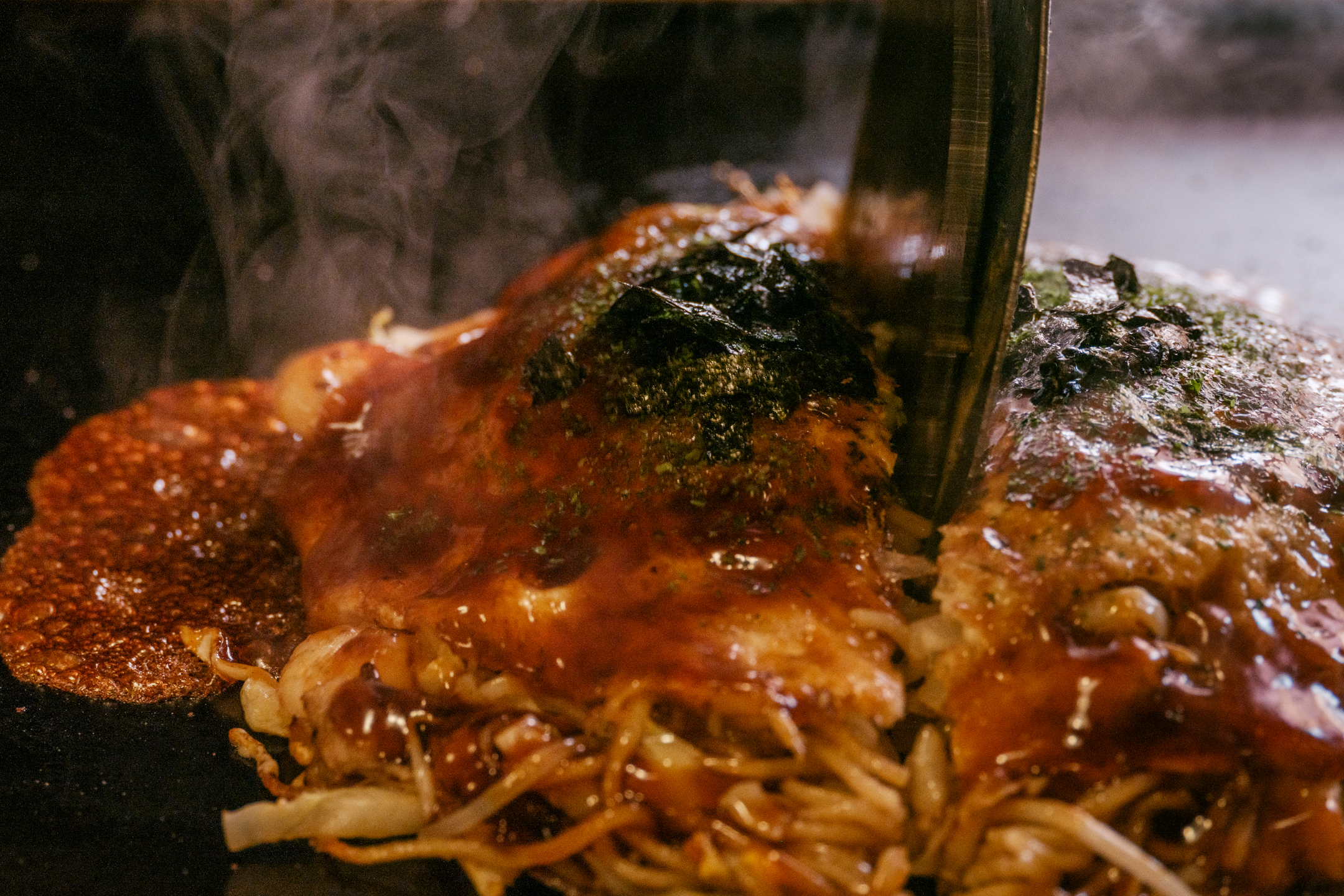
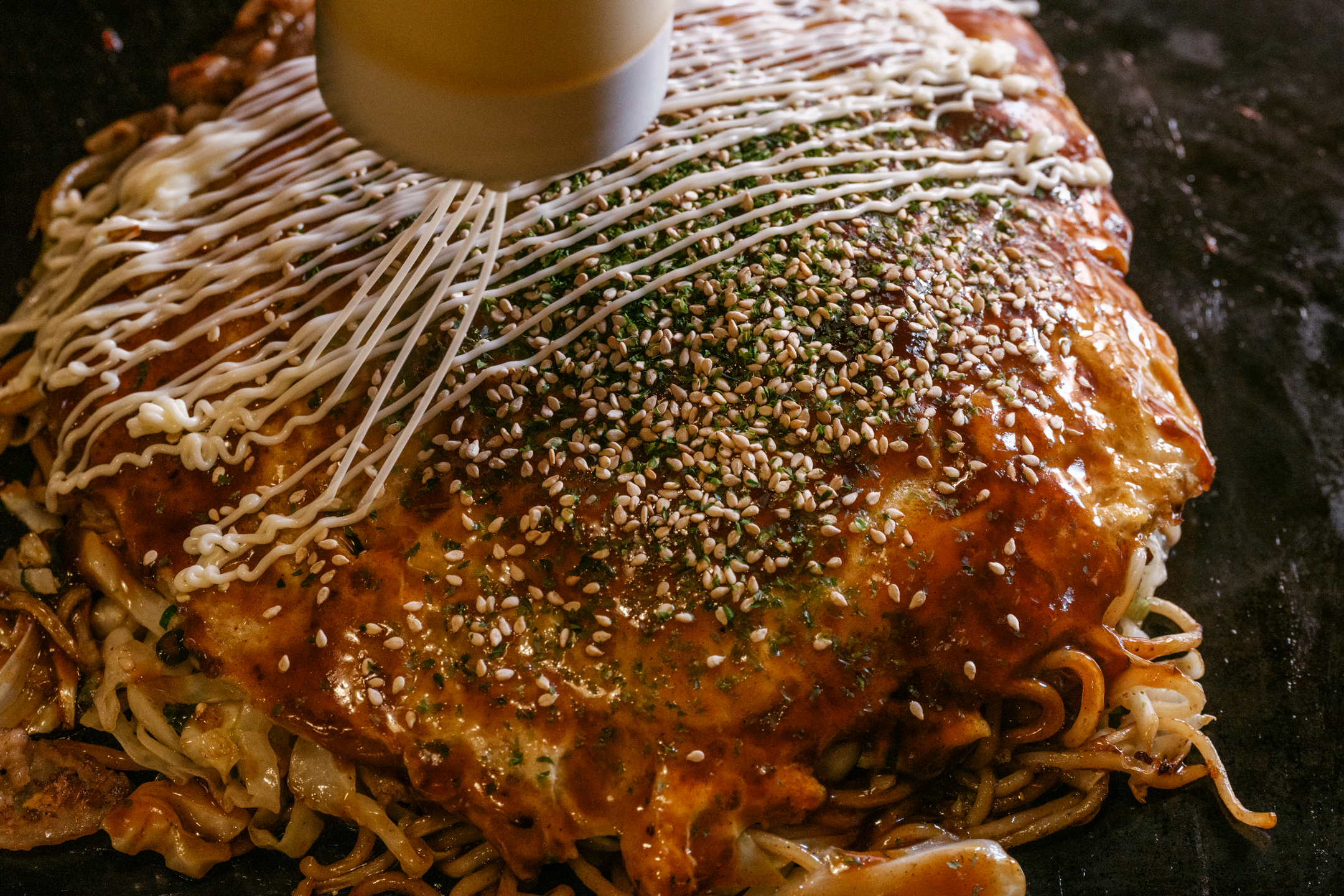
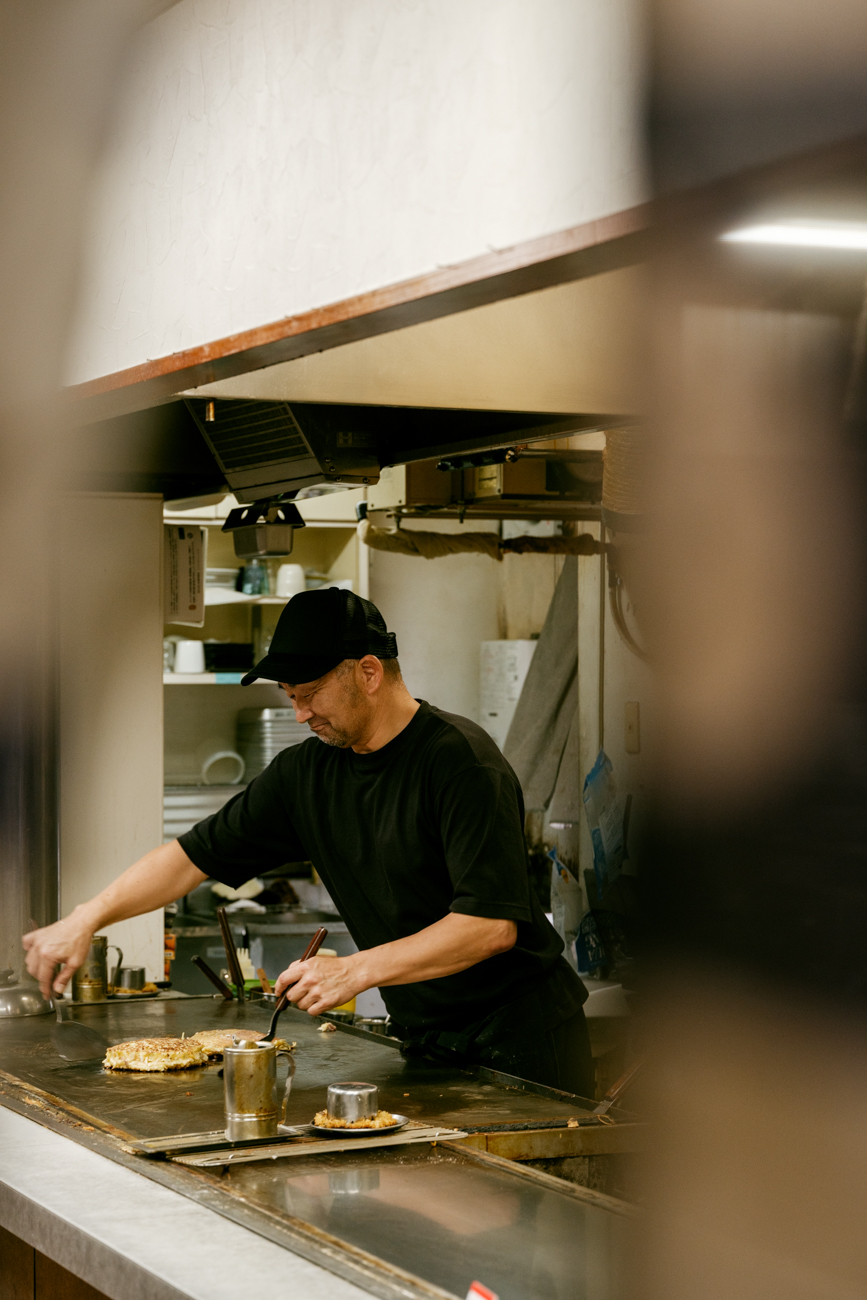
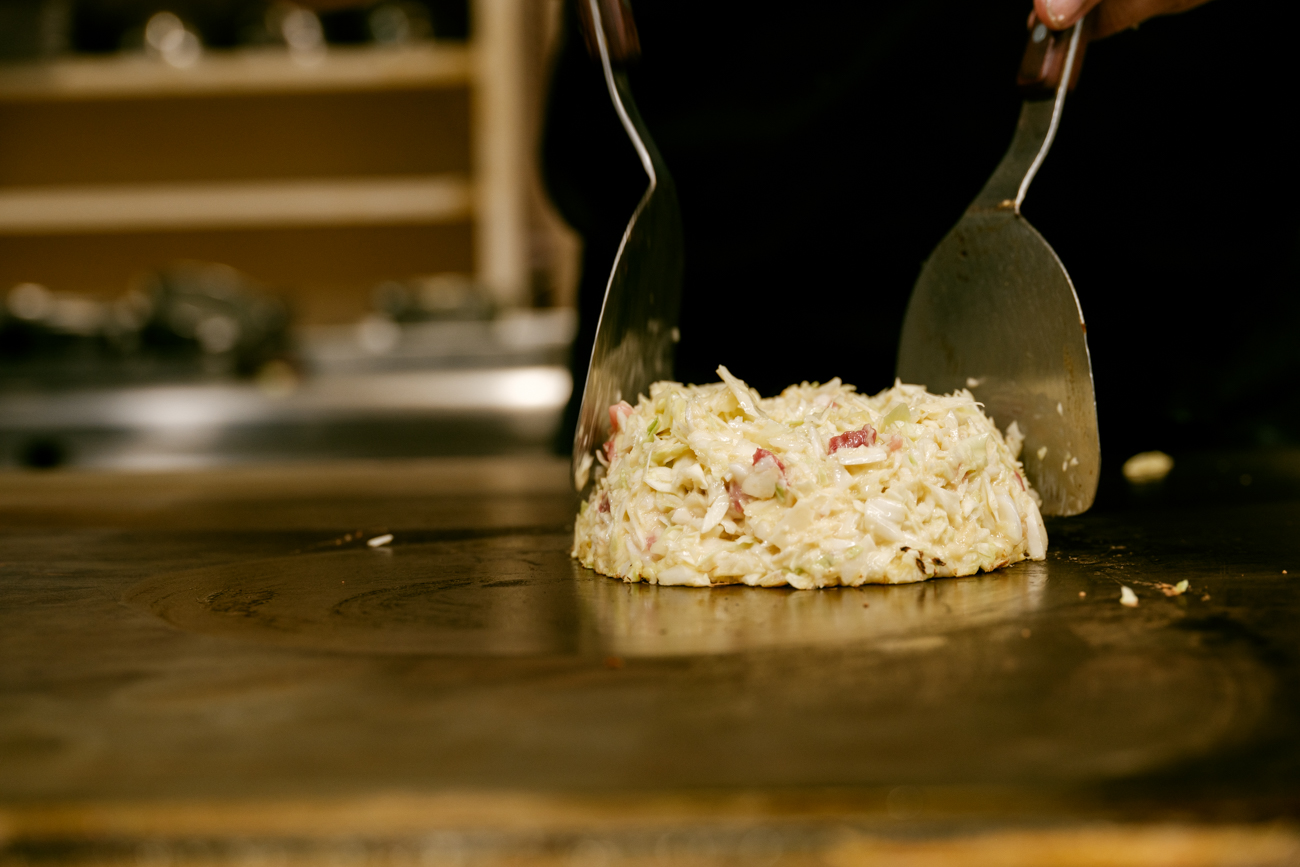
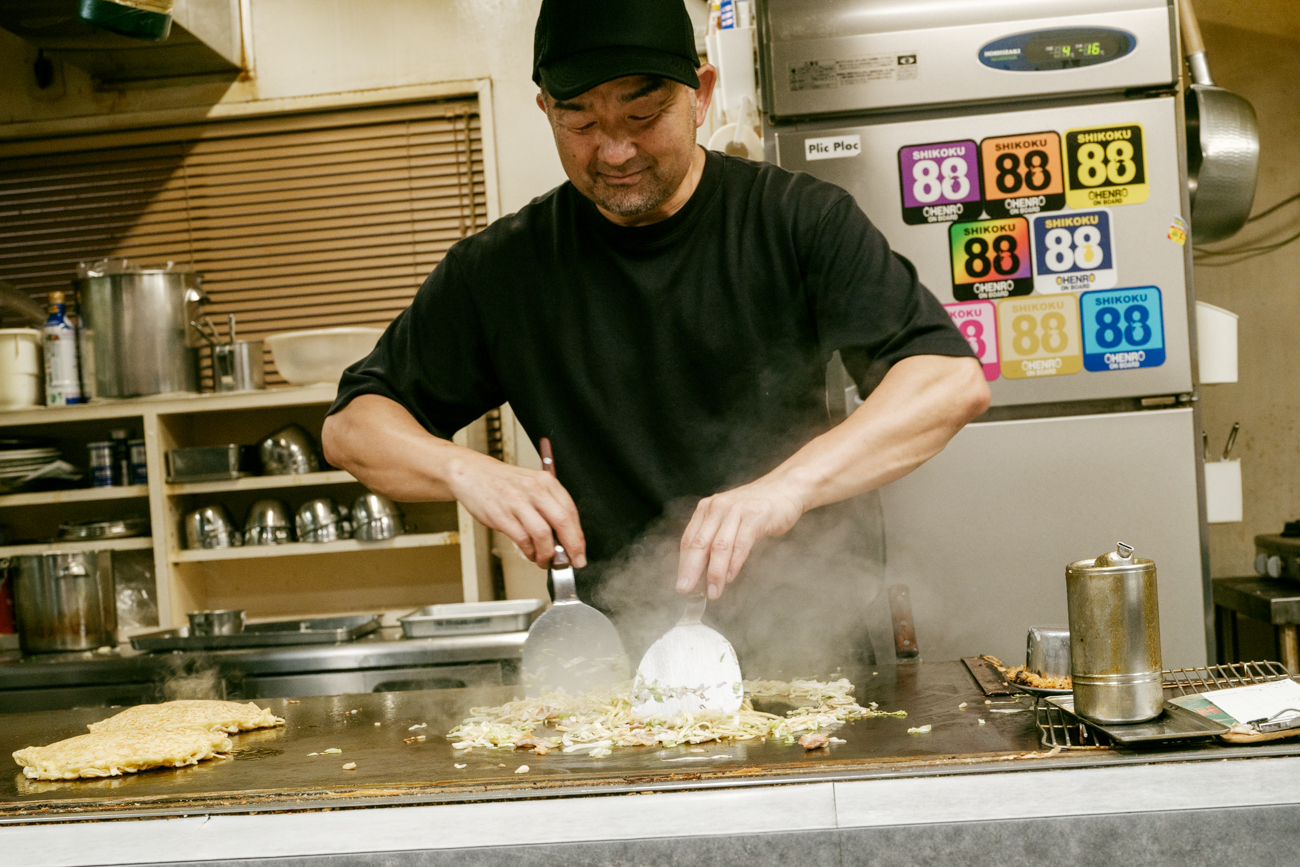
The spectacular sight of the owner enveloped in steam rising from the griddle, along with a loud sizzle, is a signature of “Okonomiyaki Miyuki.” After quickly grilling the ingredients on a carefully chosen griddle that reaches over 300°C, they pour on a secret broth and steam it all at once to concentrate the flavor—this is Miyuki’s okonomiyaki. It’s finished in just a few minutes, using an original method devised to keep the ingredients at their best. Founded in 1972, the shop is now run by a father-and-son duo: the 91-year-old founder, Hiroyuki Katayama, and the second-generation owner, Shuji.
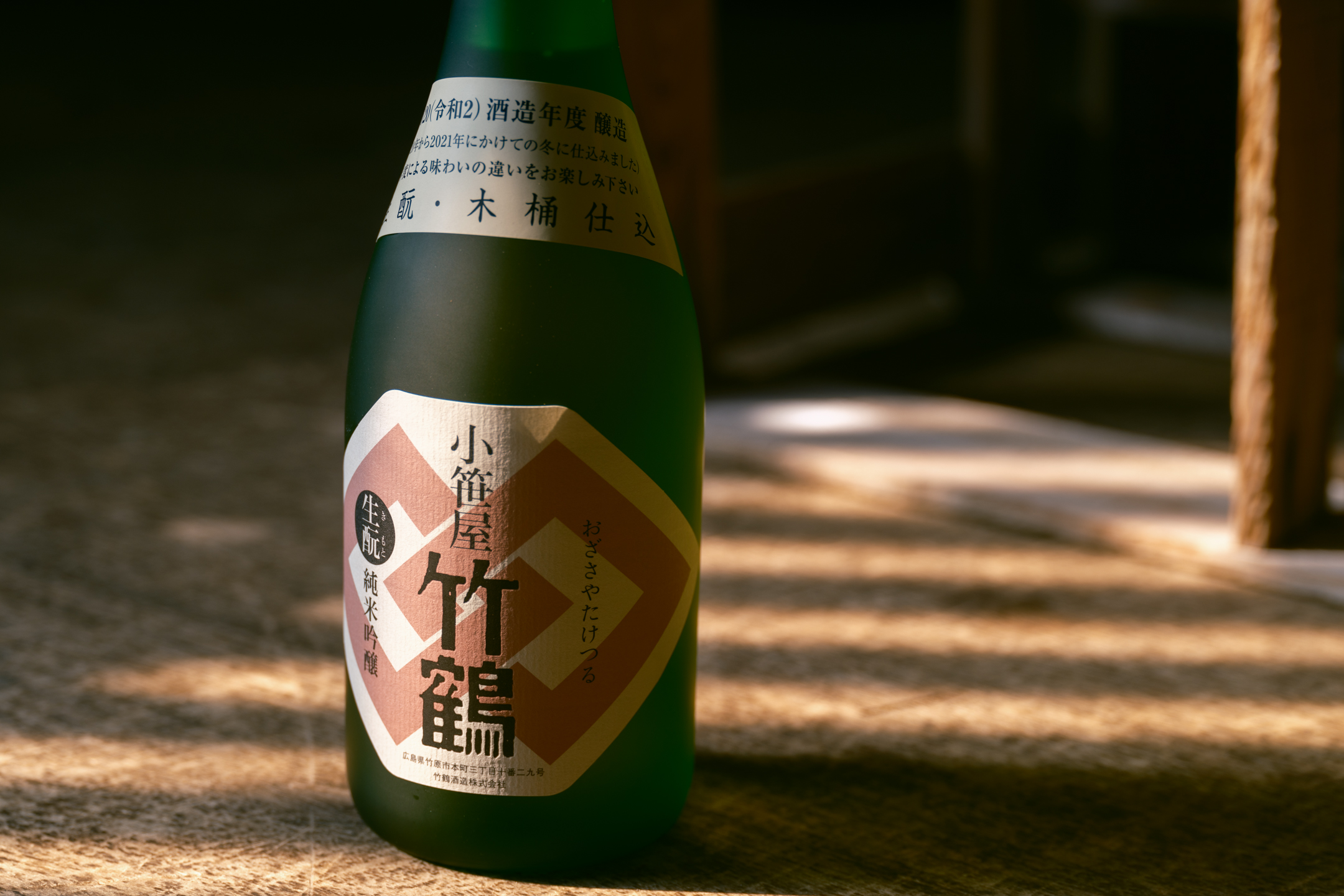
“Okonomiyaki isn’t B-grade gourmet food—it’s a proper dish to me,” says Shuji, who trained at a Western-style restaurant and has spent nearly 40 years devoted to okonomiyaki. He’s uncompromising about ingredients, carefully selecting everything from tender, juicy pork from southern Kyushu to domestic cabbage and green onions, plus large, fresh raw shrimp and Japanese flying squid. Because the founder’s wife was from Osaka, Miyuki serves both Hiroshima-style and Kansai-style. Both use beni shoga (pickled red ginger), which is especially popular with people from Kansai as a “nostalgic taste.” Another favorite is “Takehara-yaki,” a local specialty that uses sake lees in the batter.
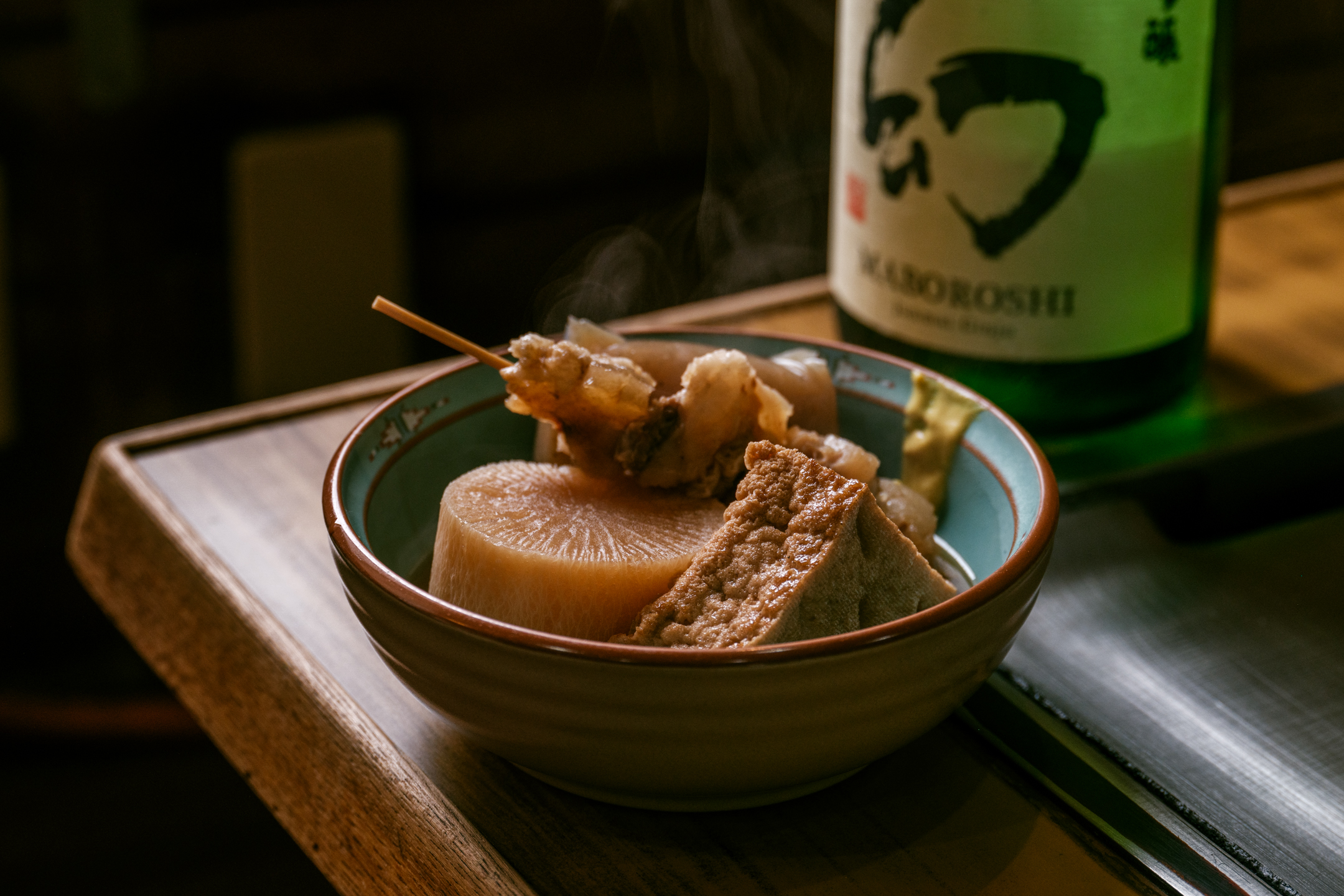
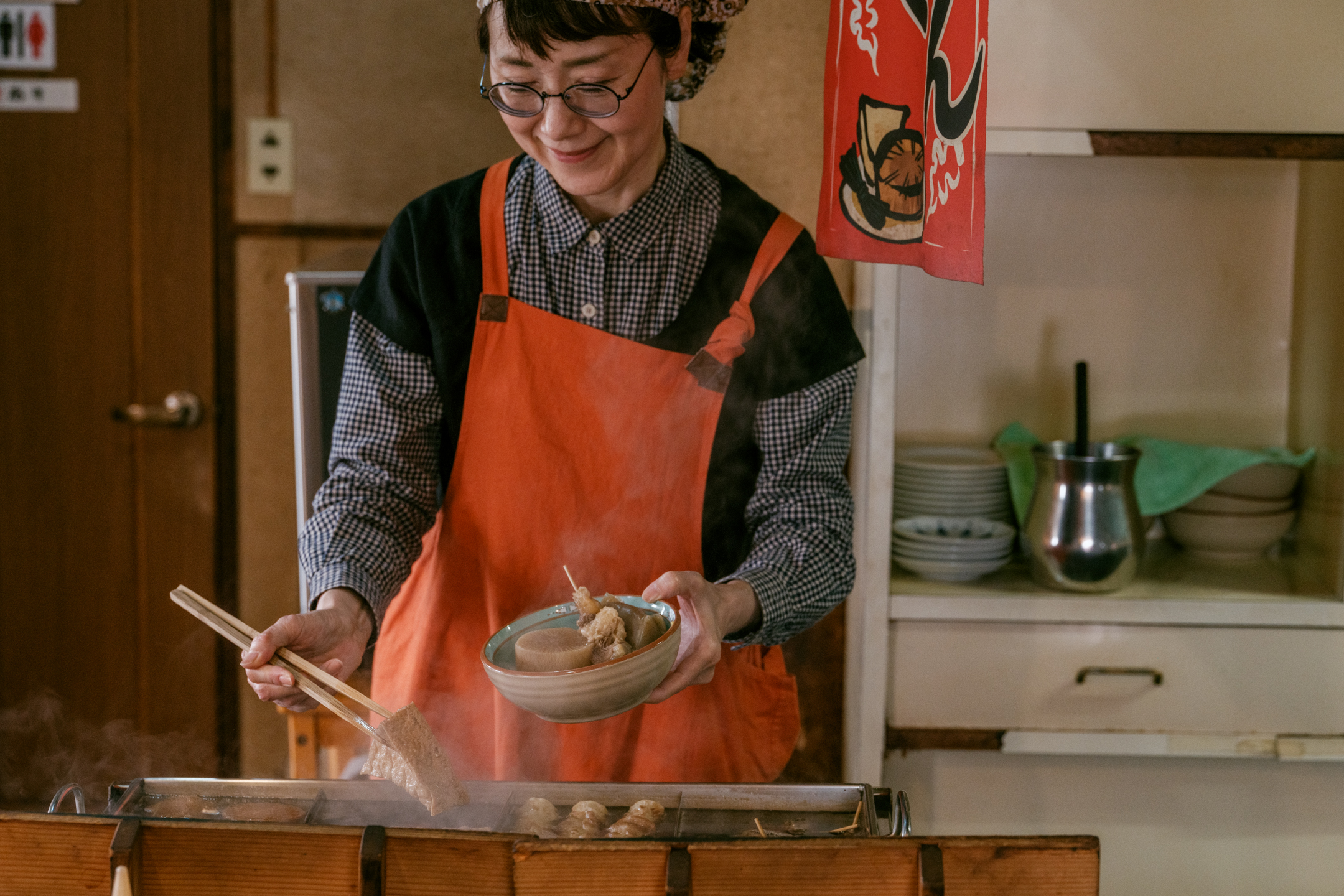
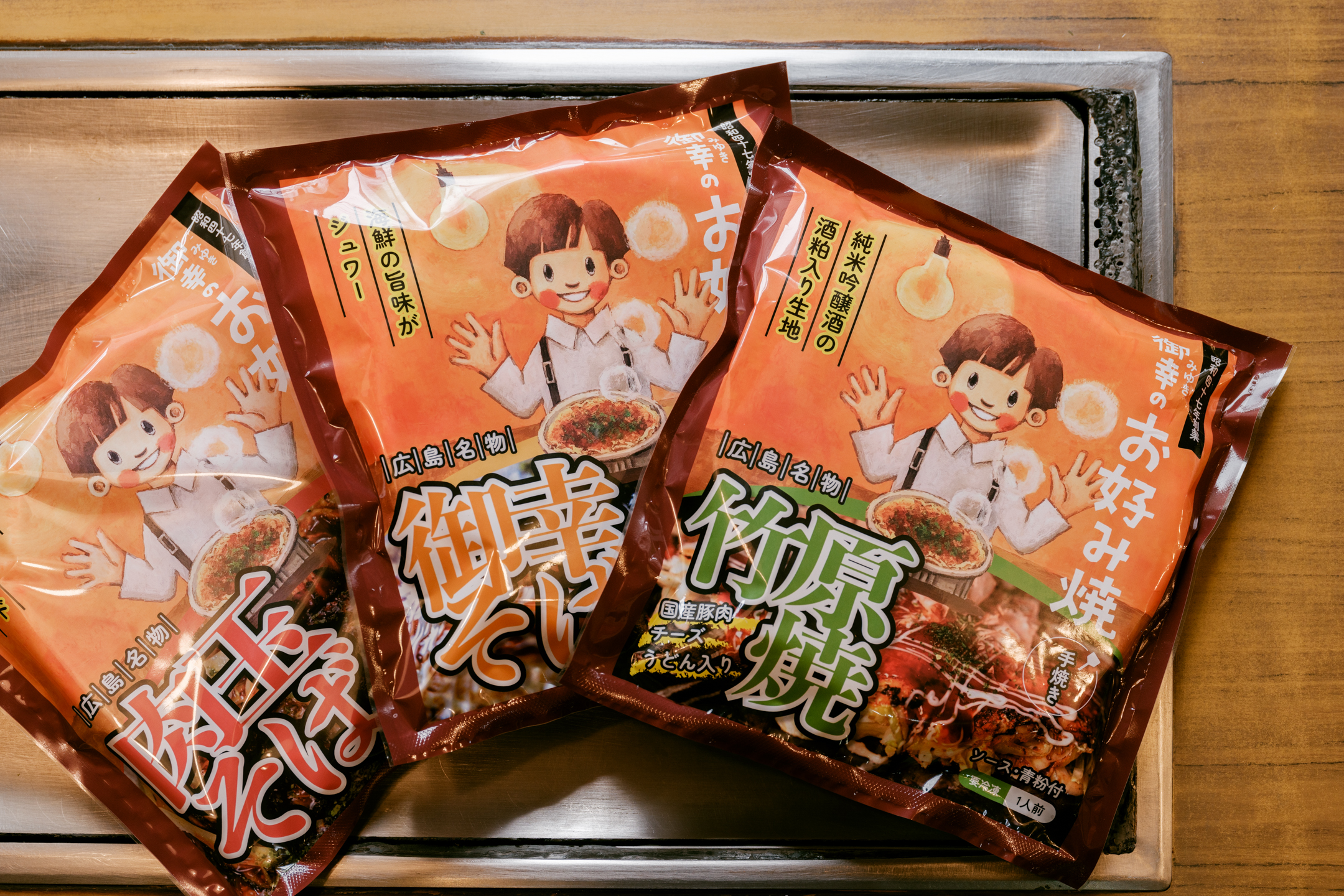
Another highlight is the cheerful hospitality of the proprietress, Kyoko. With suggestions like “Takehara-yaki, with its gentle aroma of sake lees, goes great with cheese—another fermented food,” or “How about this sake with piping-hot oden?” you can’t help but want to try a little of everything. With the wish to “bring the taste of home to your table,” Miyuki has also started shipping nationwide. Each okonomiyaki is carefully grilled one by one and flash-frozen, so you can simply heat it in the microwave and enjoy it fluffy and piping hot, just like it’s freshly made. Still, nothing beats eating it at the shop, surrounded by steam. Gather around the griddle and dig in while it’s hot.
Creating buzz in Takehara with okonomiyaki!? —Okonomiyaki Horikawa
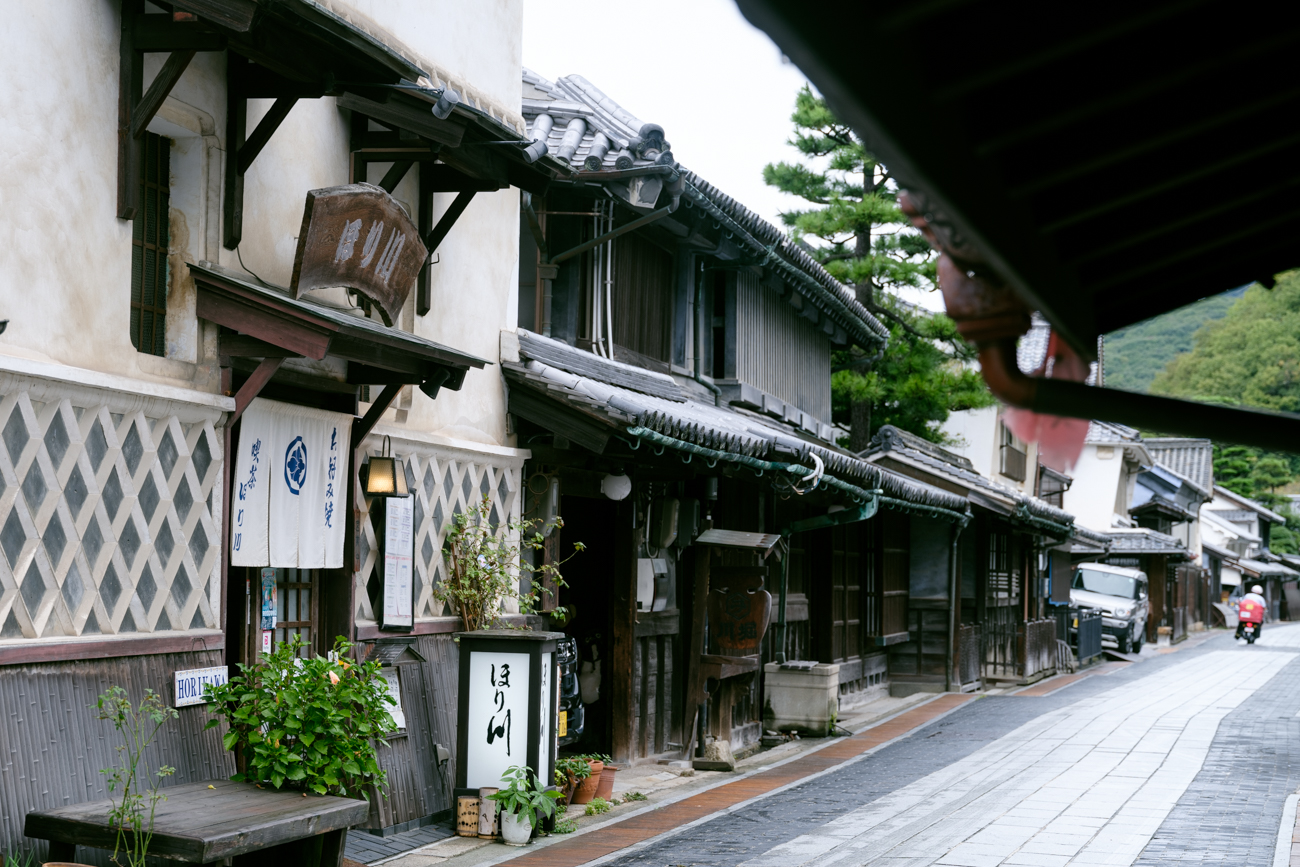
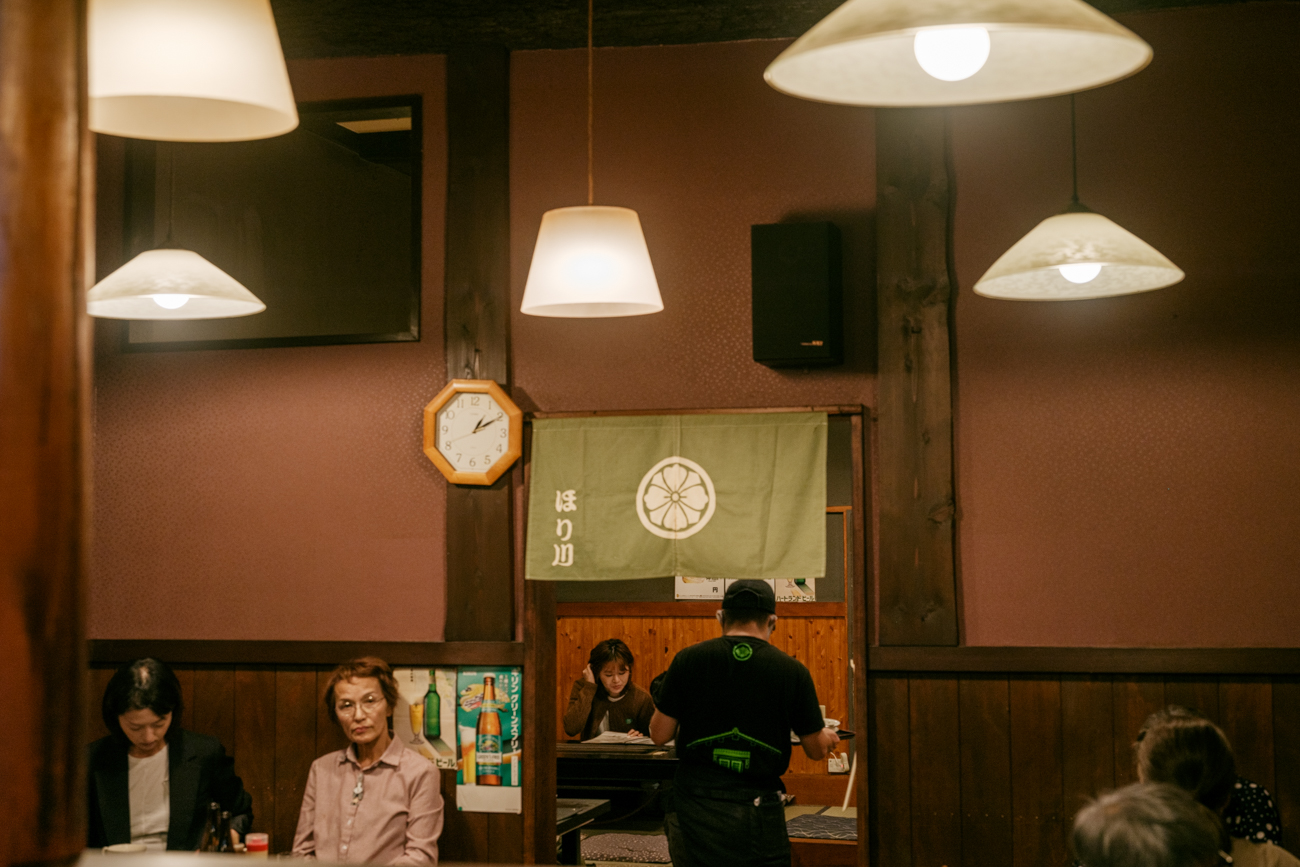
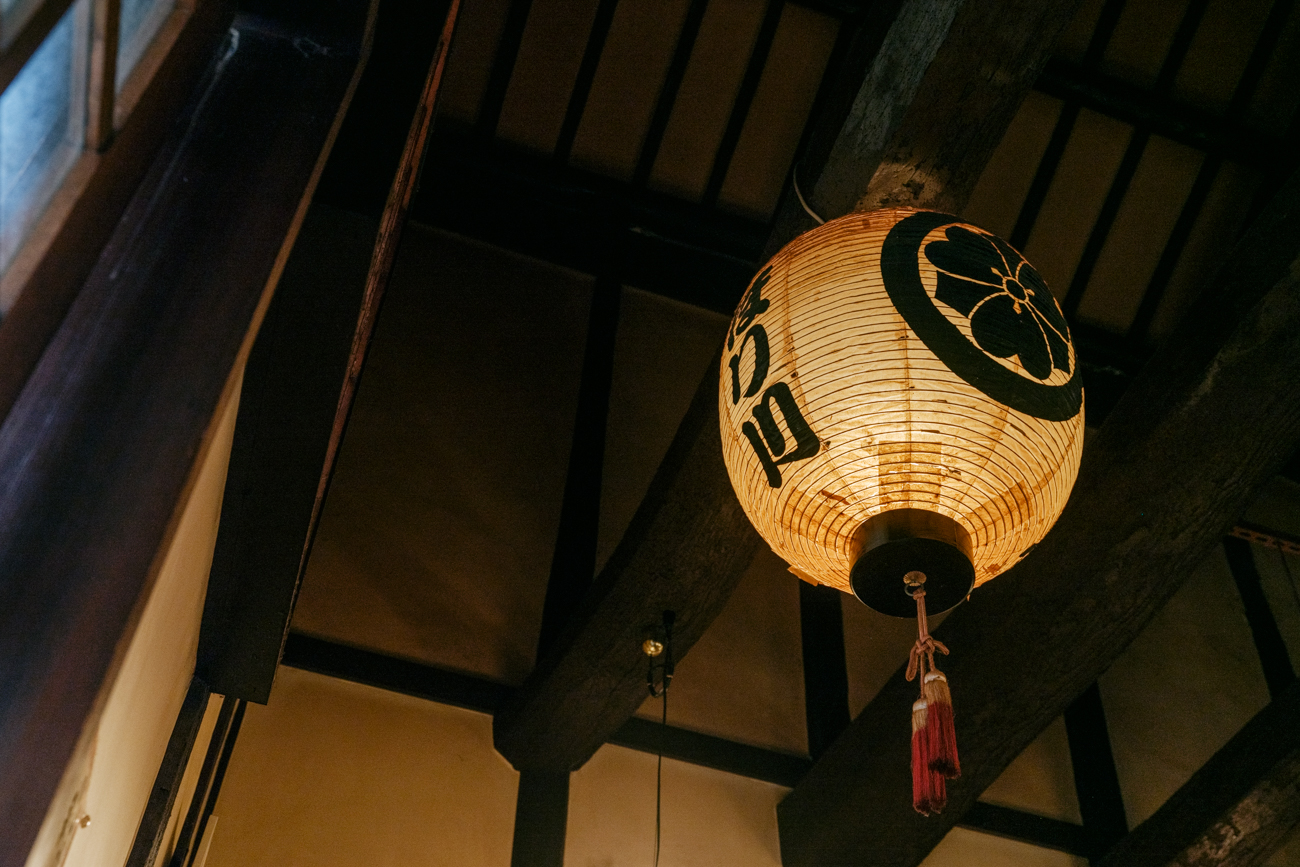
Located in the “Takehara Historic Preservation District,” “Okonomiyaki Horikawa” is a shop created by renovating a storehouse once used by a soy sauce brewer founded in 1919. “My mother, who loves okonomiyaki, started it 45 years ago,” says second-generation owner Daisuke Horikawa. Entrusted with both soy sauce making and running the okonomiyaki shop, he makes okonomiyaki with a fruity, mellow original sauce. Inside, the high ceilings and impressive beams preserve the storehouse character, creating a calm, substantial atmosphere. At the same time, the friendly owner’s service makes it a fun, relaxed place to be.
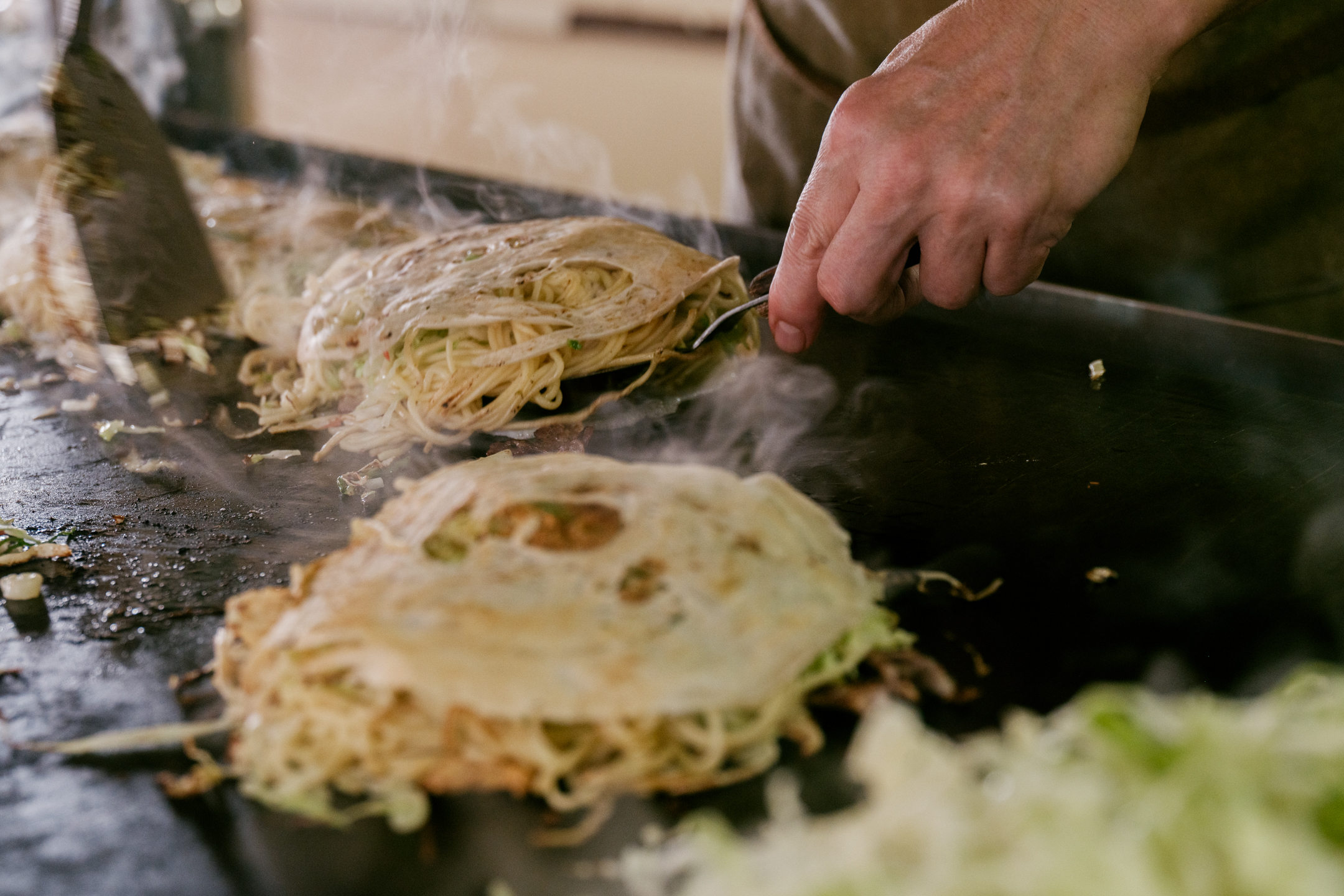
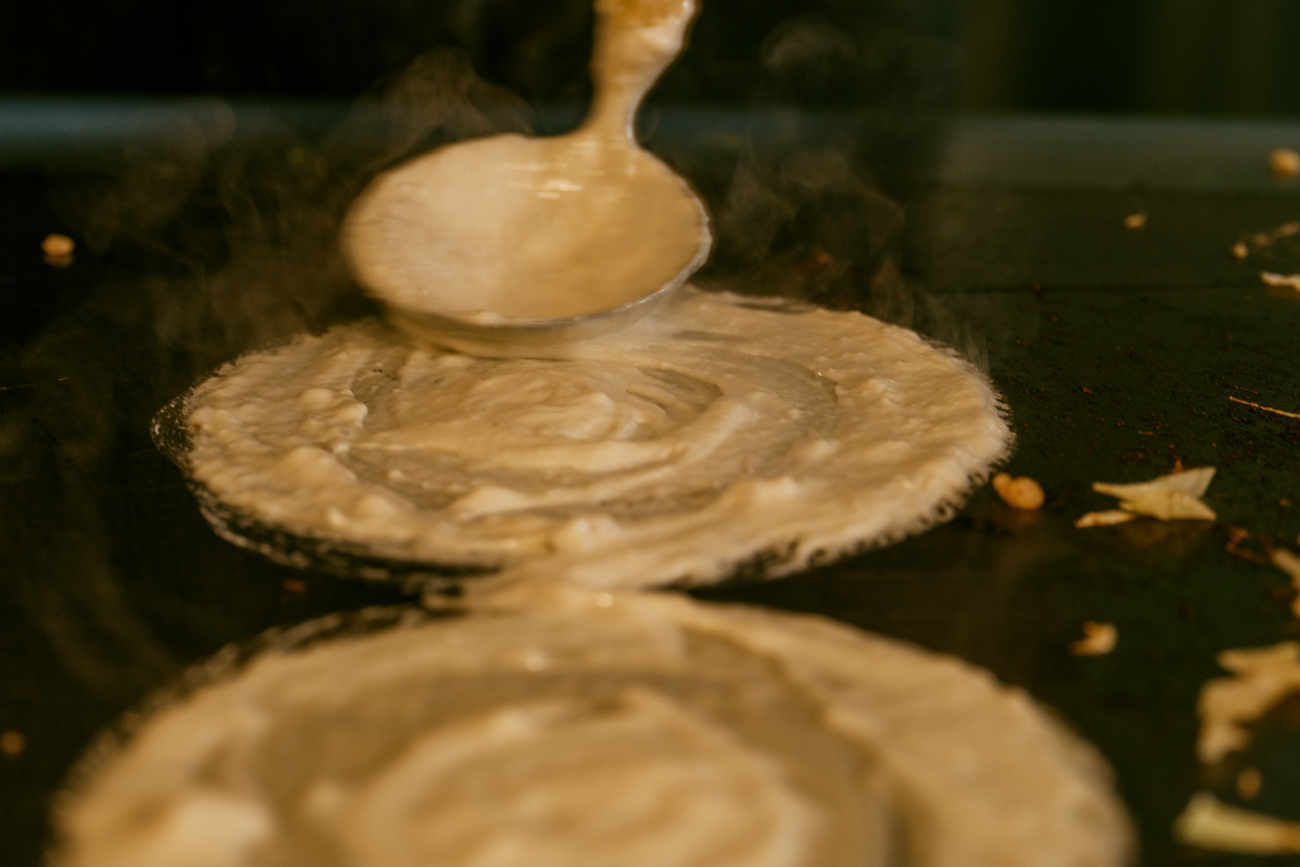
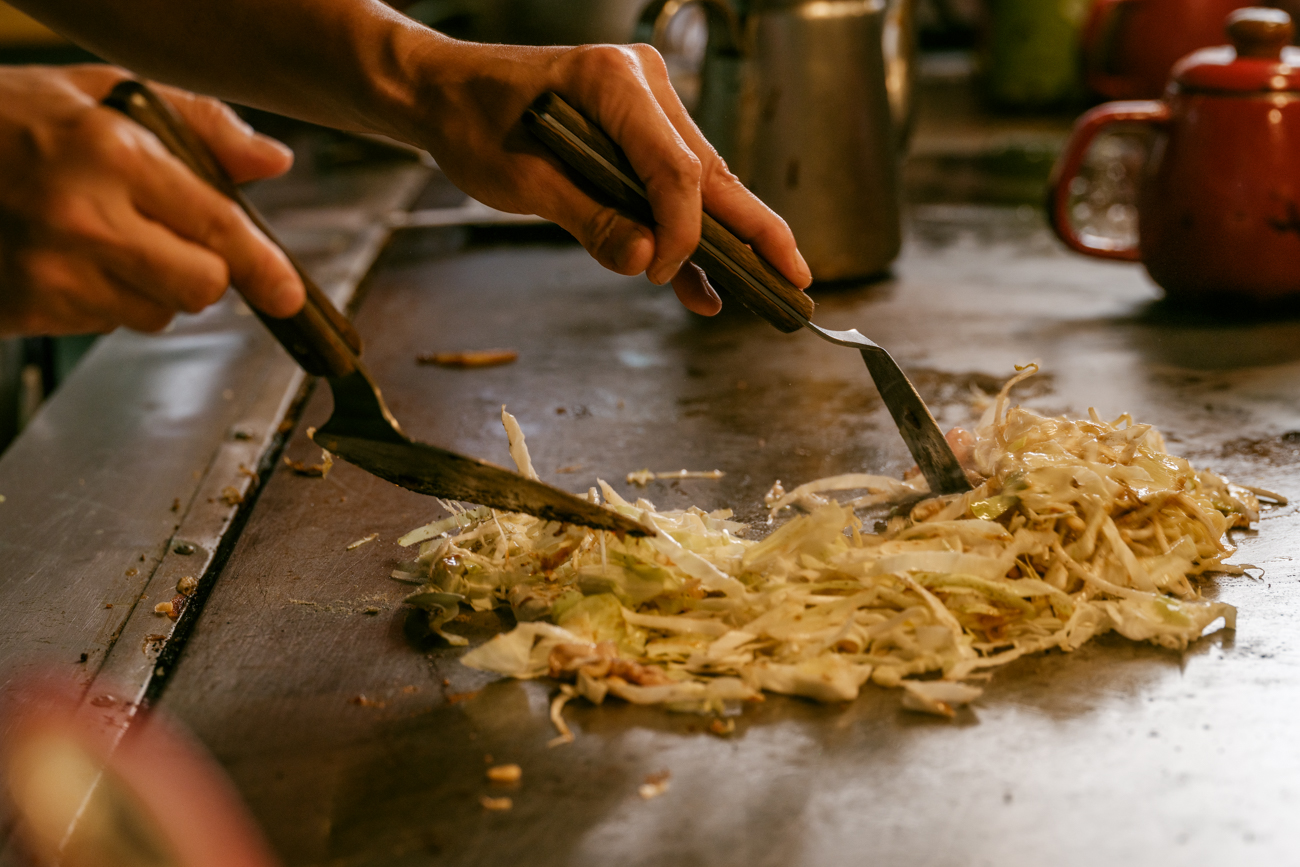
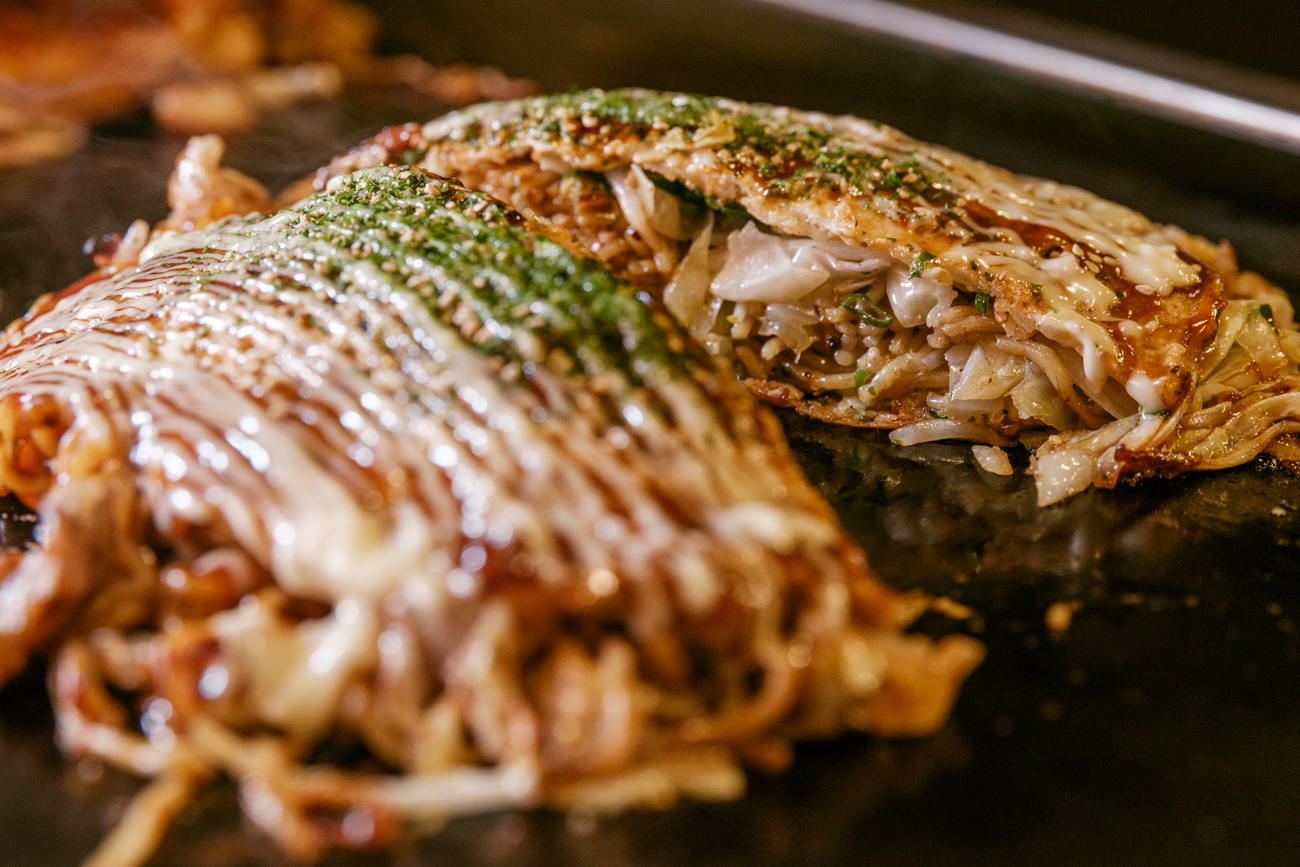
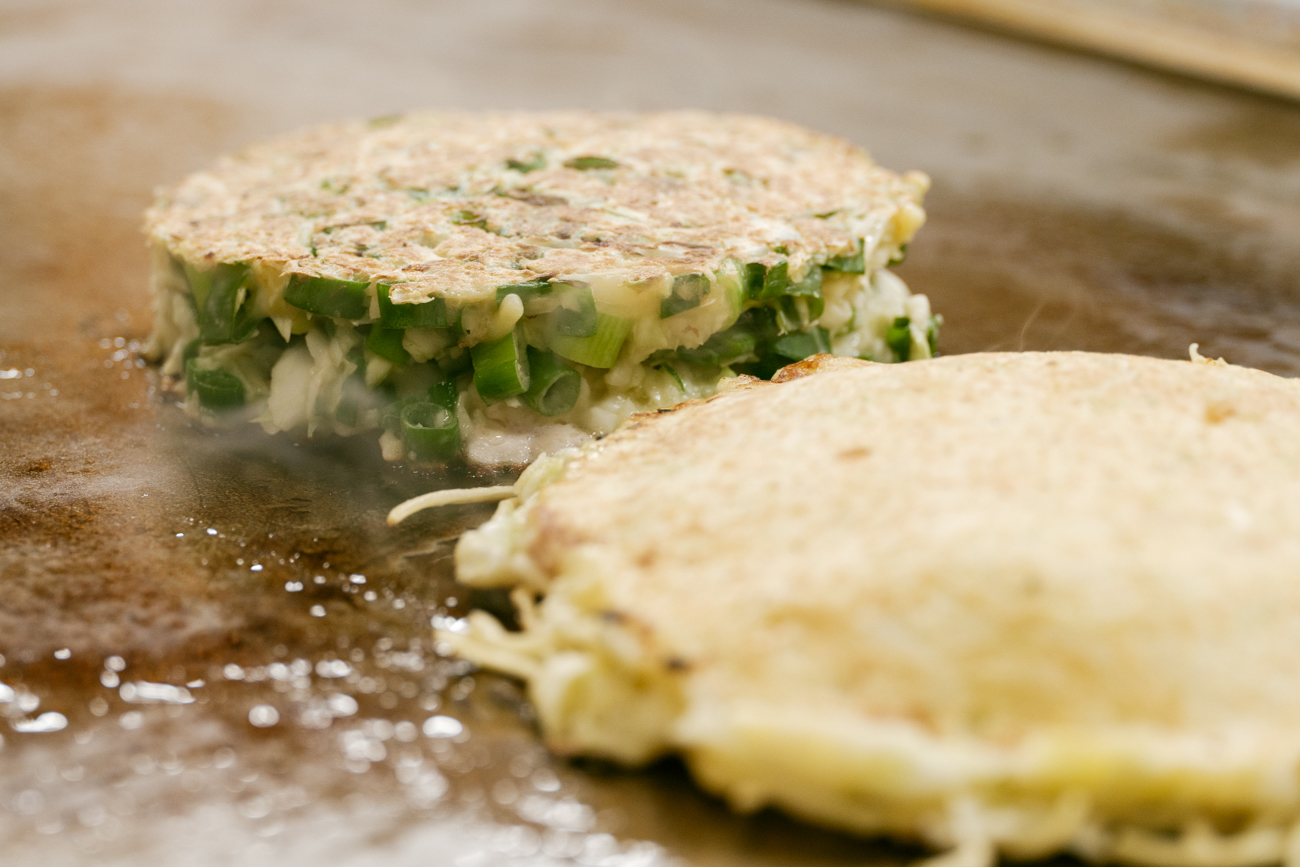
Horikawa’s okonomiyaki is distinctive for how it locks in flavor: noodles and fillings are stir-fried after being lightly seasoned with sauce, then wrapped in batter and steamed on the griddle. Alongside the classic Hiroshima style, their signature item is “Junmai Ginjo Takehara-yaki.” By turning junmai ginjo sake lees into a paste and mixing it into the batter, they create a pancake with a unique sweet aroma that gently spreads in your mouth.
Horikawa is also known as the model for an okonomiyaki shop that appears in the anime Tamayura, and many fans visit on “pilgrimage.” With the motto “Nothing makes me happier than seeing customers enjoy it!”, they’ve created menu items from the anime and actually served them in the shop, and used collaboration products as well—helping bring liveliness not only to the restaurant, but to Takehara itself.
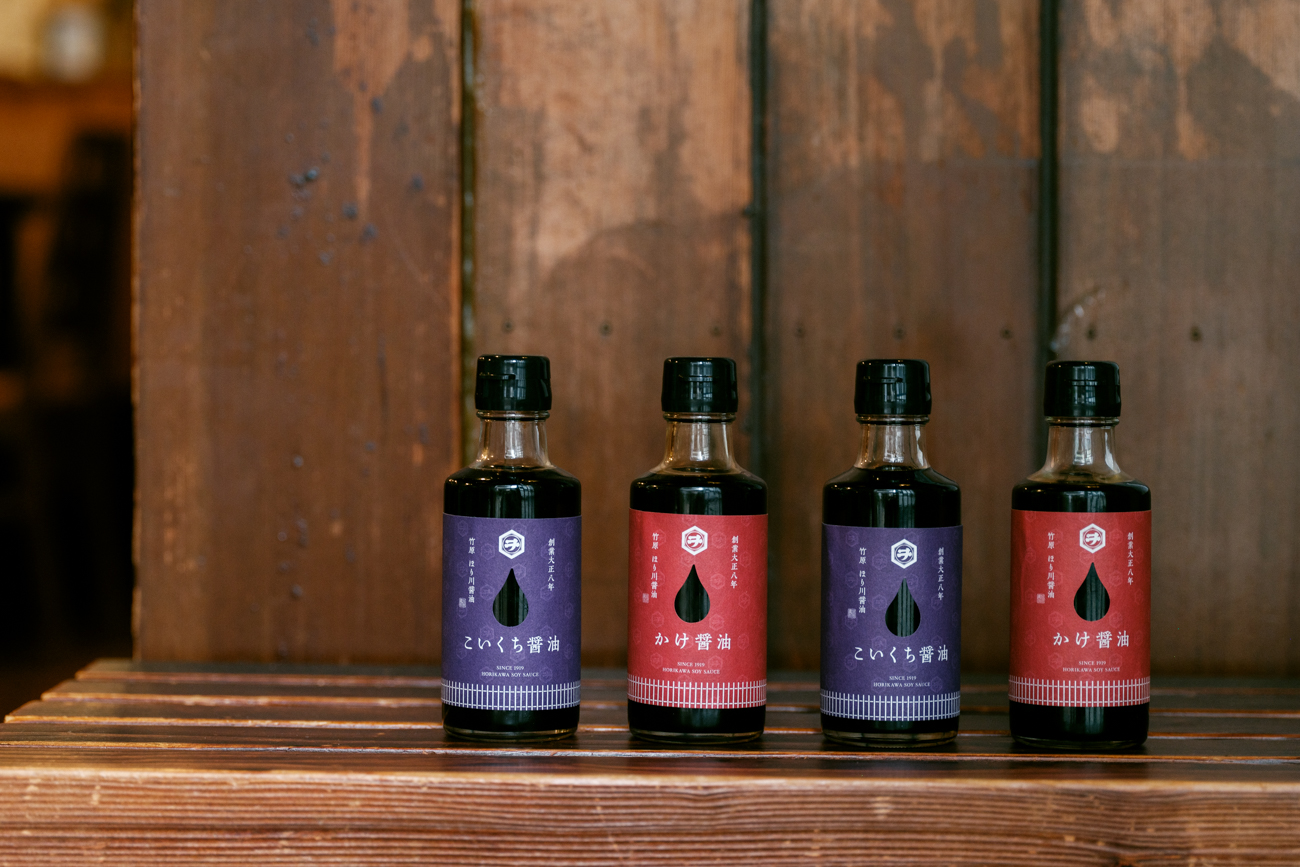
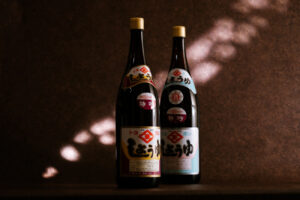
Soy sauce making also continues to this day, and it’s sold in the shop. Both the “dark soy sauce” and “pour-over soy sauce” have a mild sweetness. The dark soy sauce is best for simmered dishes, while the pour-over soy sauce is ideal for tofu, gyoza, and other foods you eat without cooking. The elegant packaging, using traditional Japanese colors, was selected for the Hiroshima Good Design Award—making it a great souvenir, too.
With the hope that “by getting involved with me, people might feel inspired or find something interesting,” Horikawa is active in many areas—appearing on the local cable TV station and planning events like live shows and festivals. Enjoying new encounters, he connects people through okonomiyaki.
Kansai-style “extra-thick” that will make your eyes pop —Okonomiyaki Shogun
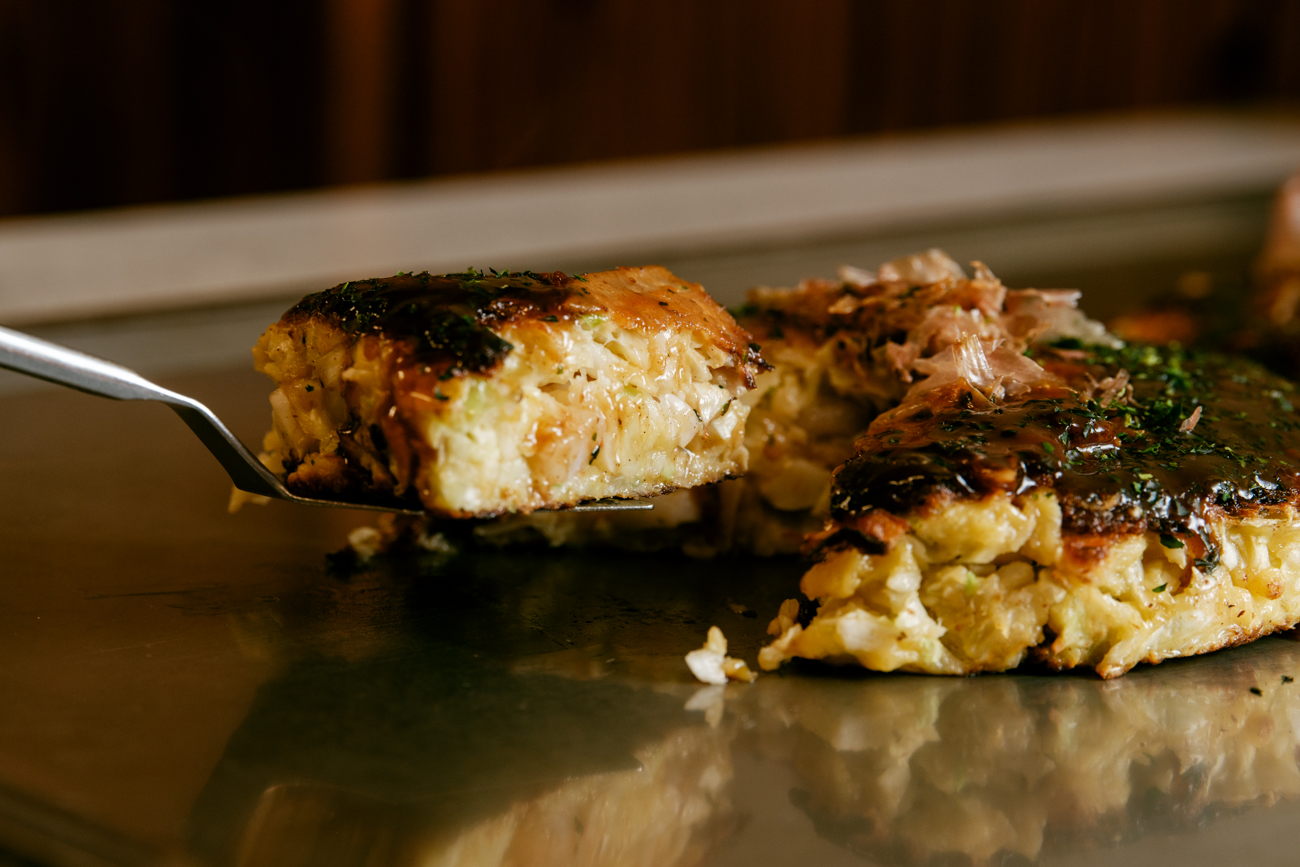
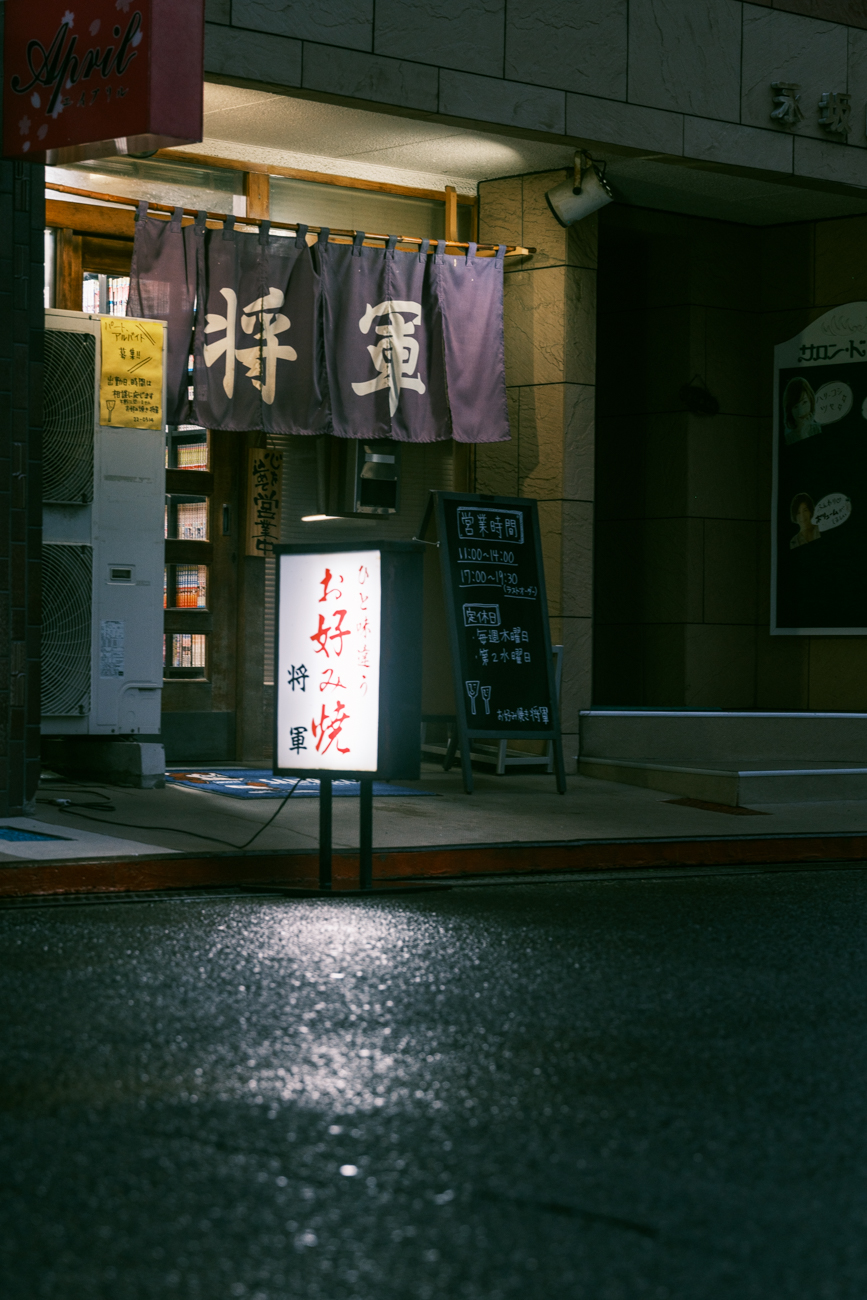
The signature menu at “Okonomiyaki Shogun,” founded in 1983, is Kansai-style—rare in Hiroshima. At the time, Hiroshima-style with noodles was the norm, so the founder thought, “A different menu might draw attention,” trained in Kansai, and opened in his hometown of Takehara. The current third-generation owner, Takashi Kanda, who continues to protect that flavor, is thorough: he still sources the okonomiyaki flour and sauce from Kansai, just as they did at the beginning. “Without this flour, Shogun’s okonomiyaki wouldn’t work,” he says, taking great care with purchasing.
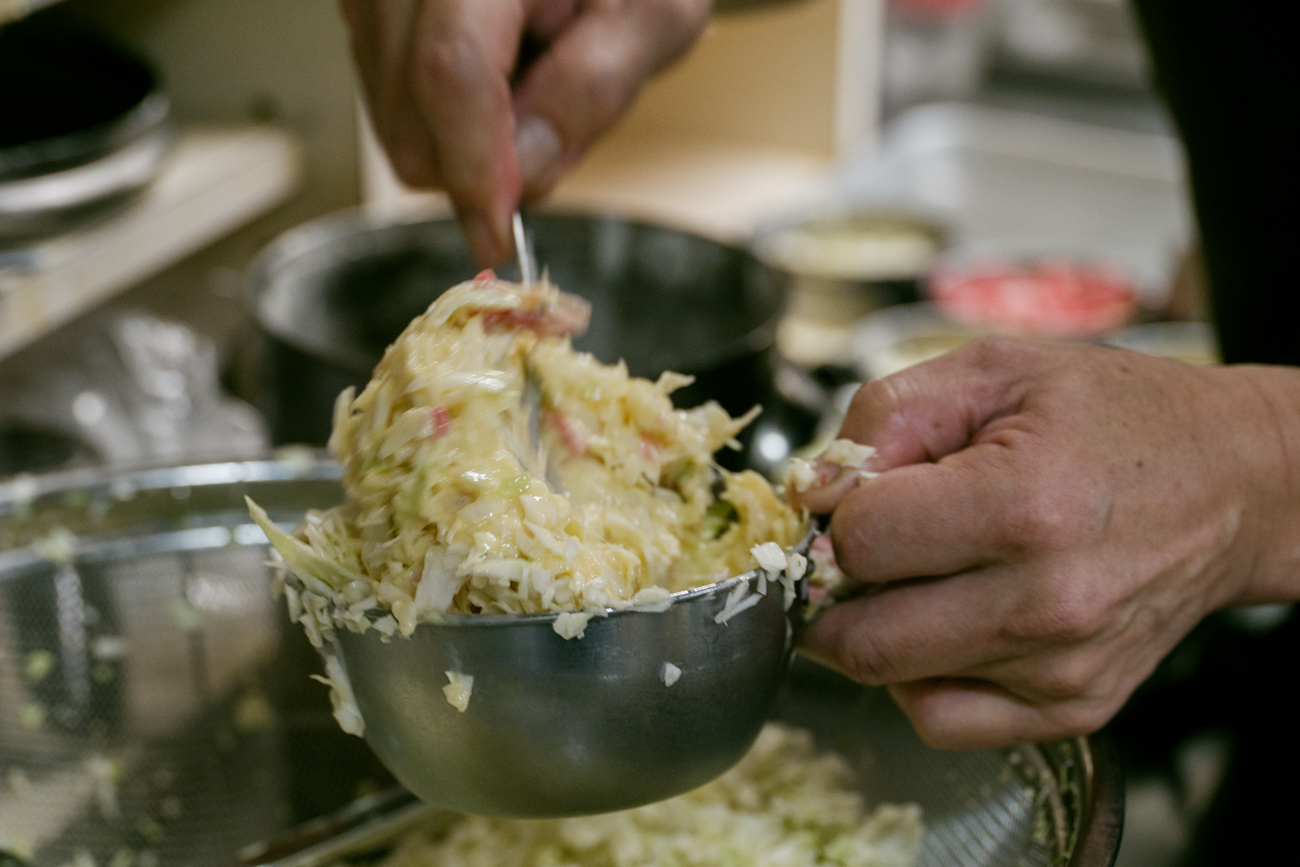
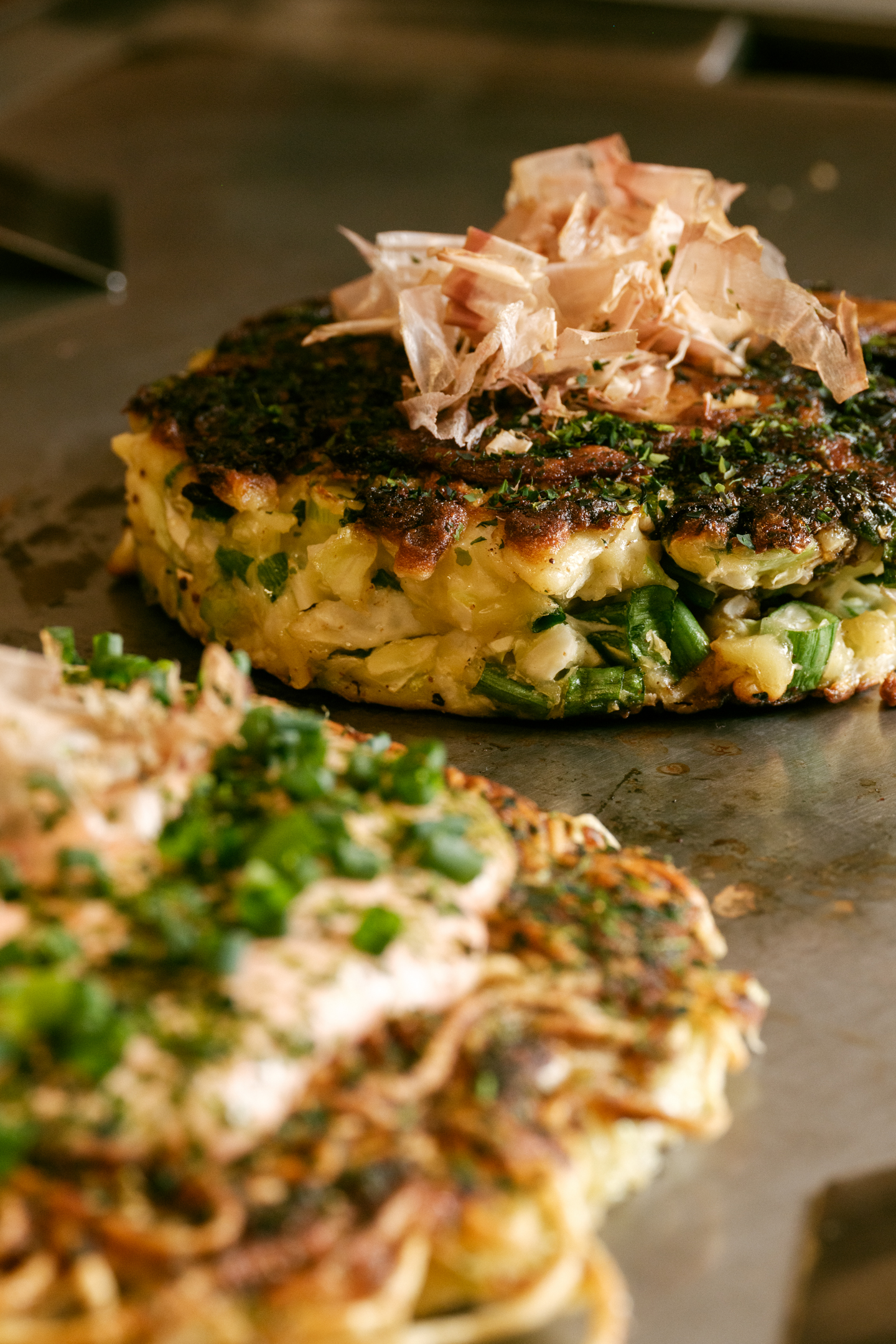
What defines Shogun’s Kansai-style okonomiyaki is, above all, its thickness. A generous amount of cabbage, tempura bits, beef, pork, raw squid, shrimp, and two eggs are skillfully mixed in a bowl so small it looks like it might overflow, then poured onto the griddle. The airy batter is piled up high and grilled until crisp, taking about 25 minutes as moisture is slowly cooked off.
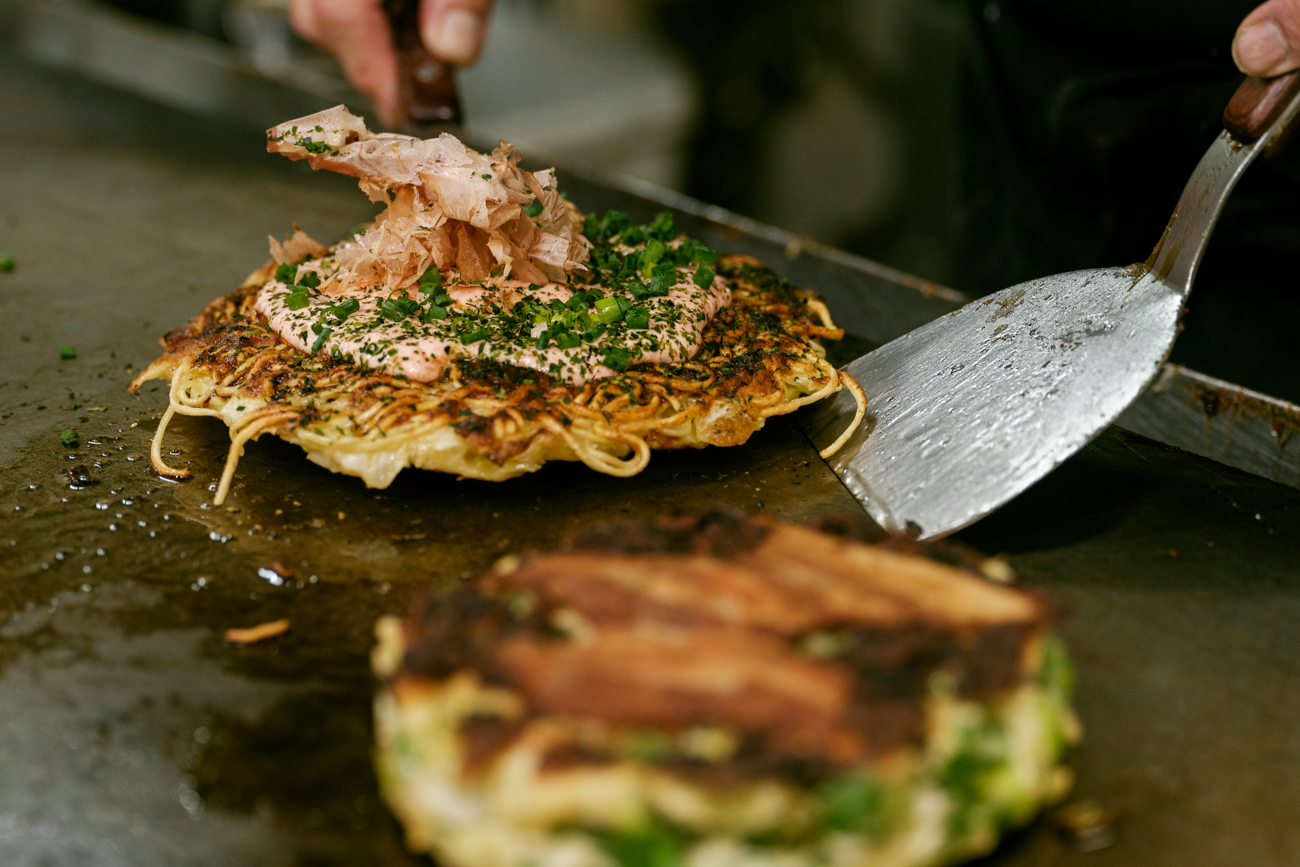
Shogun’s Kansai style has a unique texture—crispy outside and fluffy inside. Still, because many people in Takehara prefer noodles, the menu also includes modern-yaki with noodles. There are plenty of other options too, like “negi-yaki” loaded with green onions and eaten with a refreshing Japanese-style soy sauce, or “mentai modern” topped with rich mentaiko mayonnaise. Everyone seems to have their own favorite, and when the owner says, “We’re here thanks to the support of the local community,” you can easily picture the regulars who keep coming back.
“When I was a student, I used to come here often to eat okonomiyaki,” says Kanda. After meeting his wife, he was surprised to learn that this place was her family home. Smiling, he says, “I never imagined I’d end up grilling okonomiyaki here,” and looking back on the past 21 years adds, “Now it’s been my longest workplace.” The taste that holds Kanda’s memories seems to have become the taste that makes someone else’s memories, too.
What does “delicious” okonomiyaki taste like to you?
Okonomiyaki is a food culture close to the hearts of people in Hiroshima Prefecture. The flavors you grow up with often become your personal standard for what tastes “good.” Takehara’s okonomiyaki shops, too, are filled with “nostalgic flavors” for each person. What’s more, Takehara is home to three sake breweries, and in 2009 efforts began to develop local okonomiyaki using sake lees from each shop—adding a new chapter to its story. As you explore Takehara, enjoy a trip that leads you to your own favorite pancake.