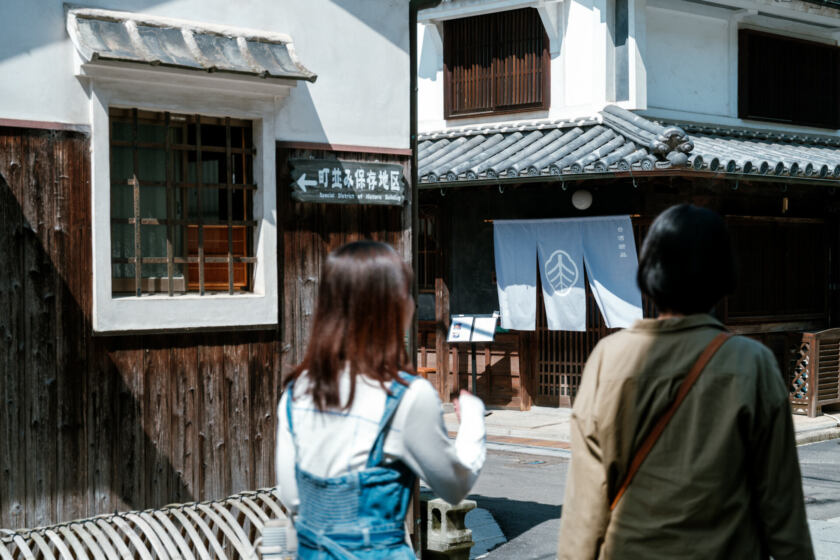
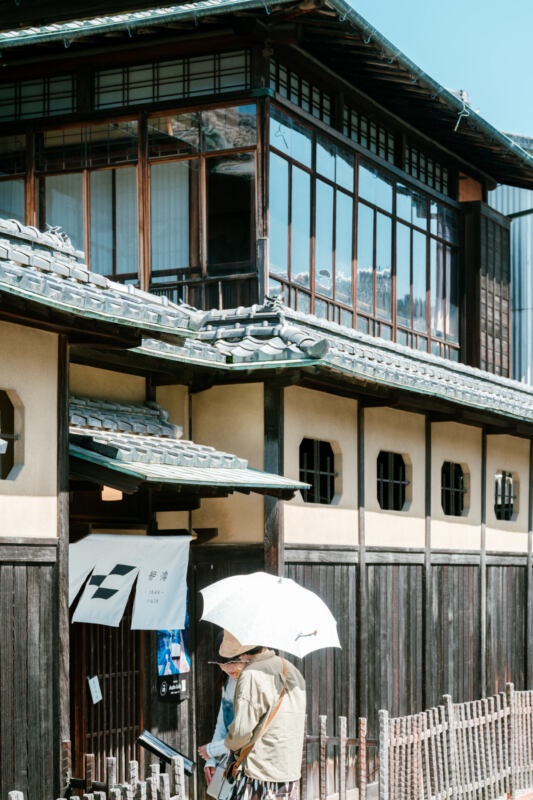
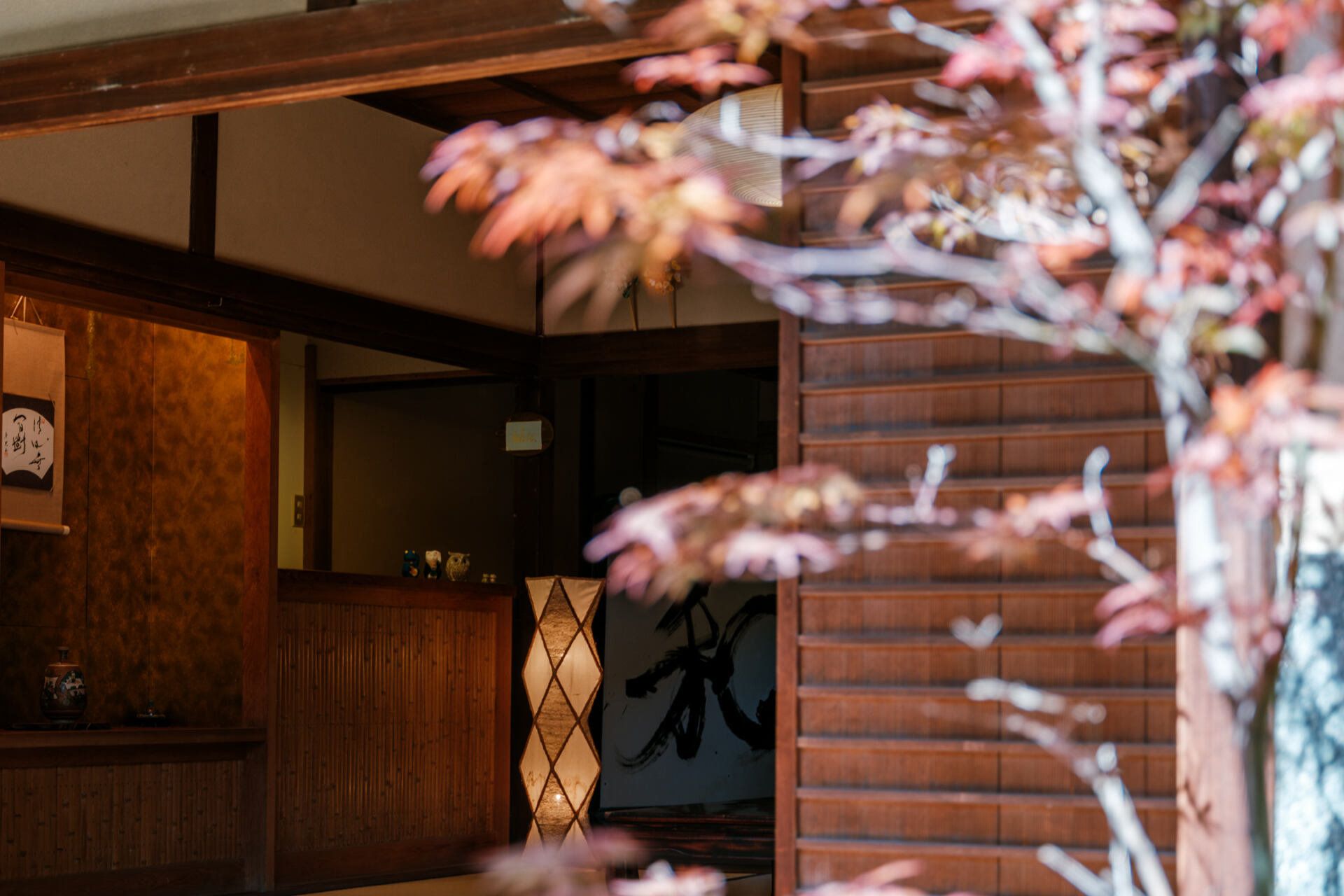
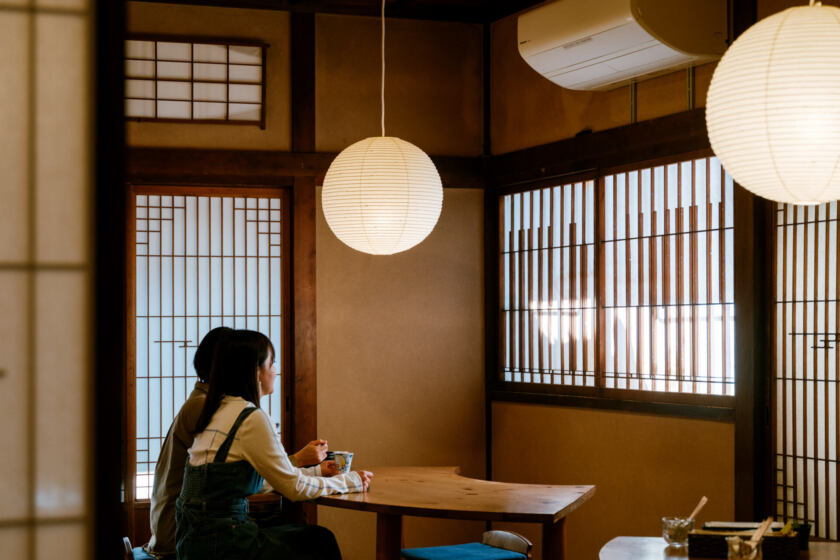
Introduction You may find yourself naturally slowing your pace, wanting to stop for a breath of air. In the Takehara Important Traditional Buildings Preservation District, shops that retain the atmosphere of days gone by are dotted throughout the area, still welcoming visitors today. We visited two such cafés that have inherited these memories and opened their doors to the public.
Where Exotic Breezes Blend Softly into the Townscape — café Nekoya
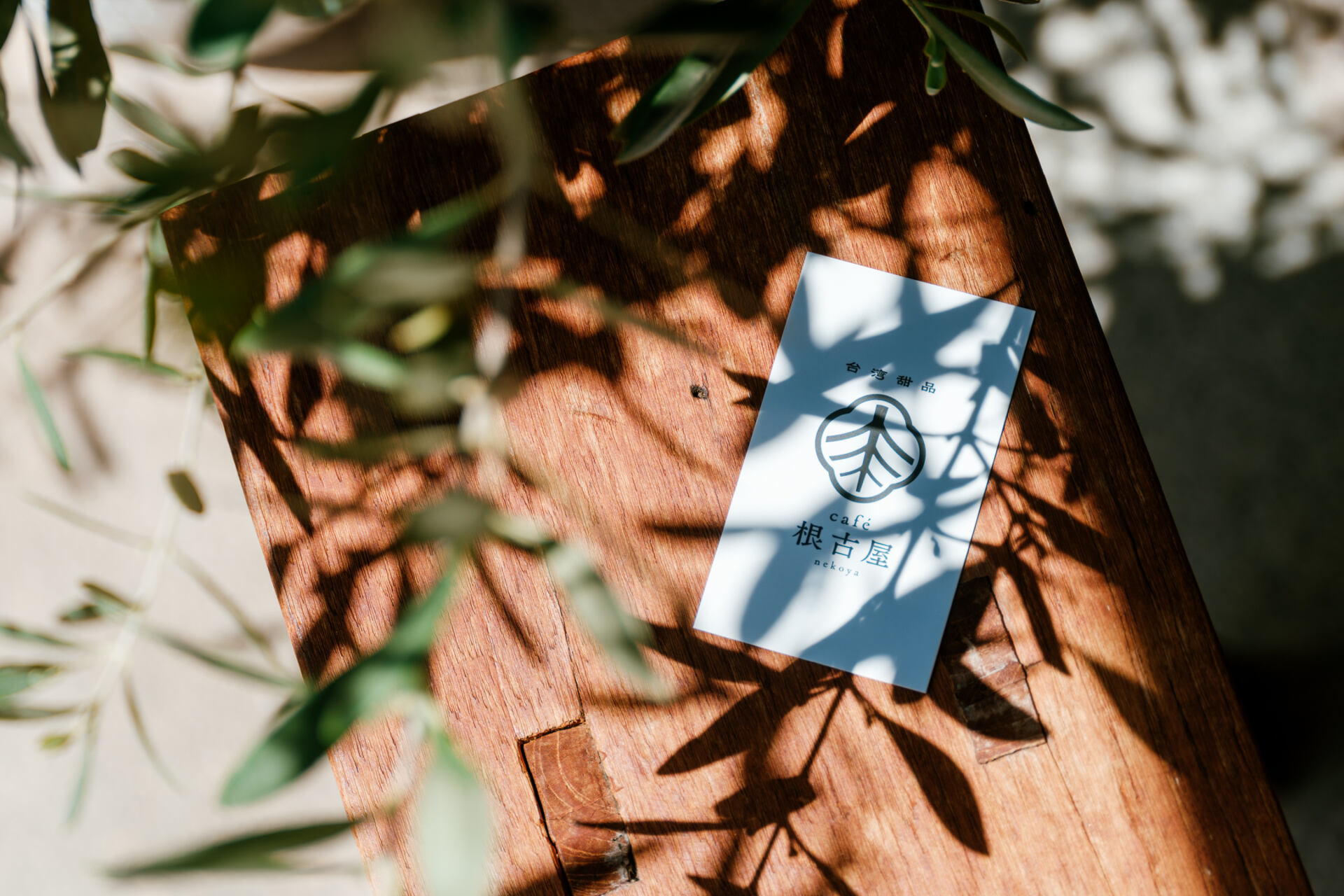
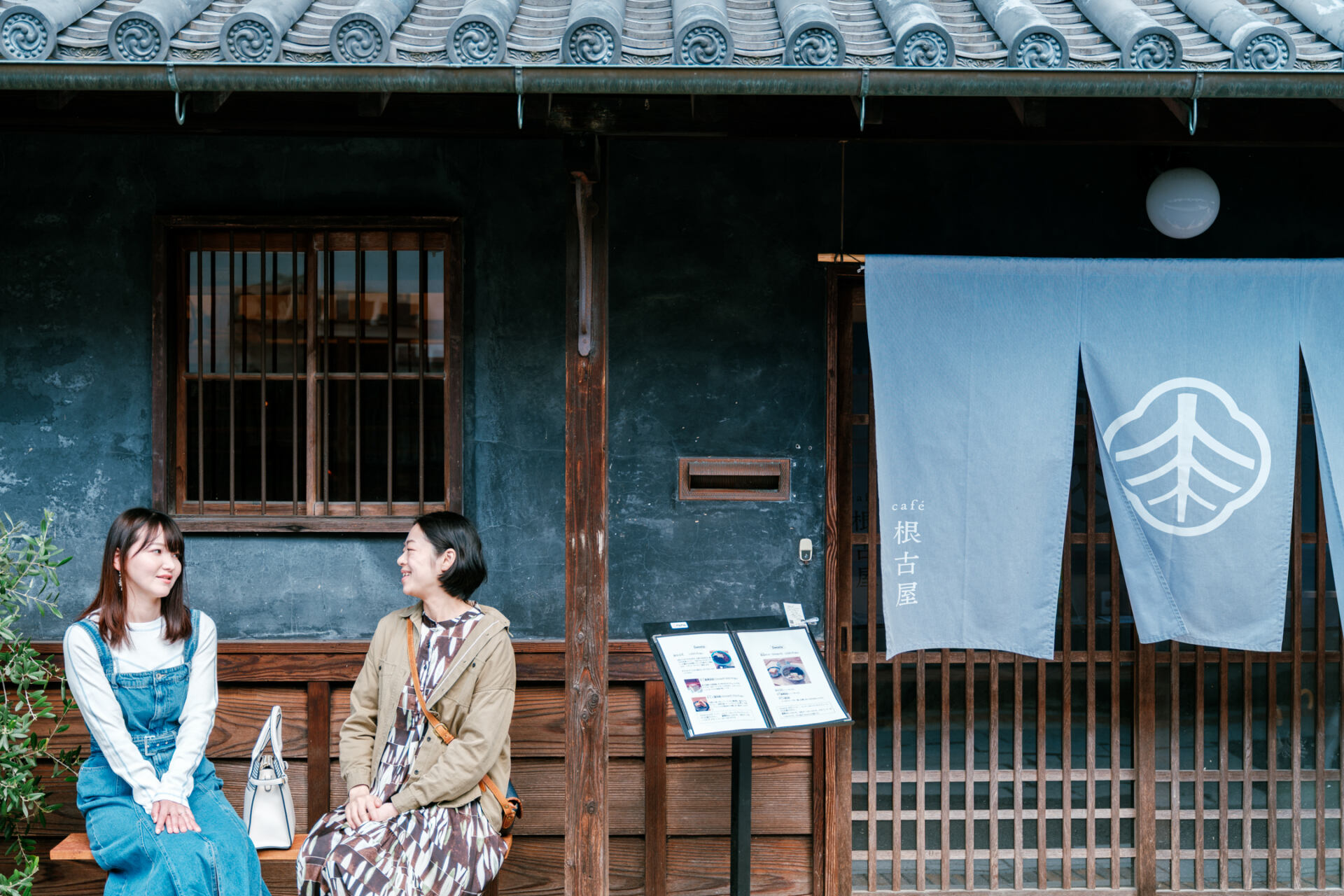
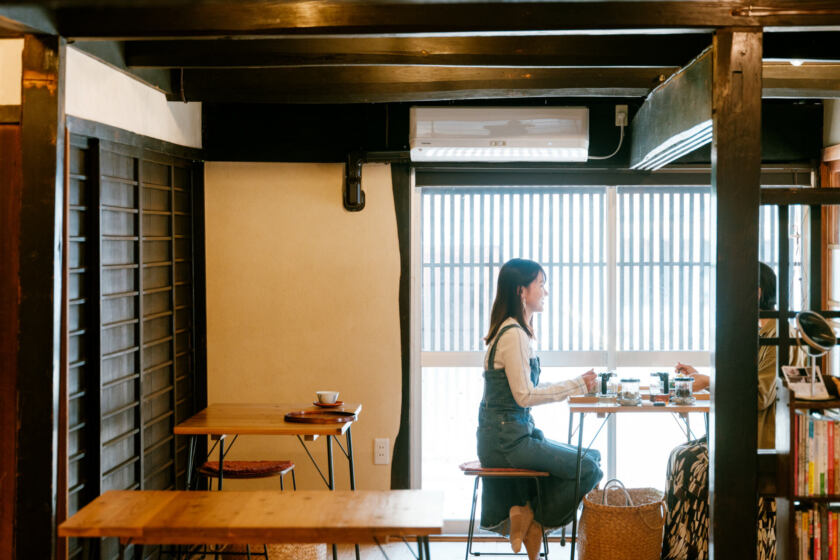
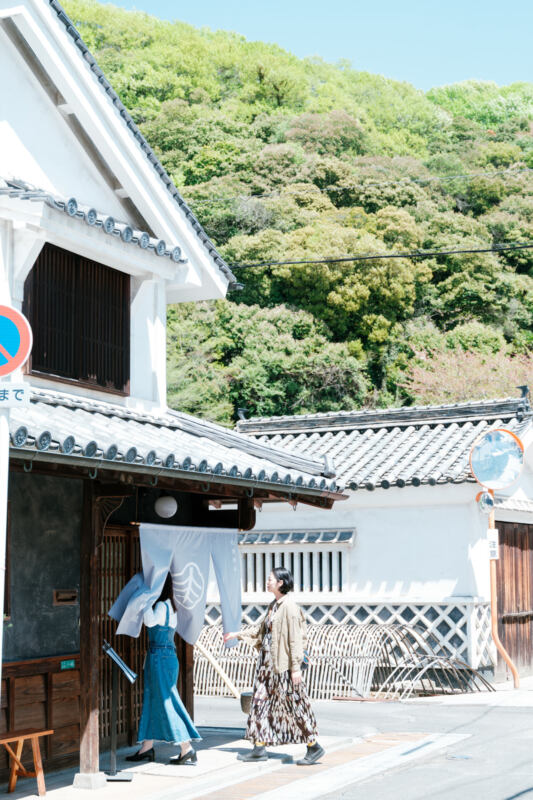
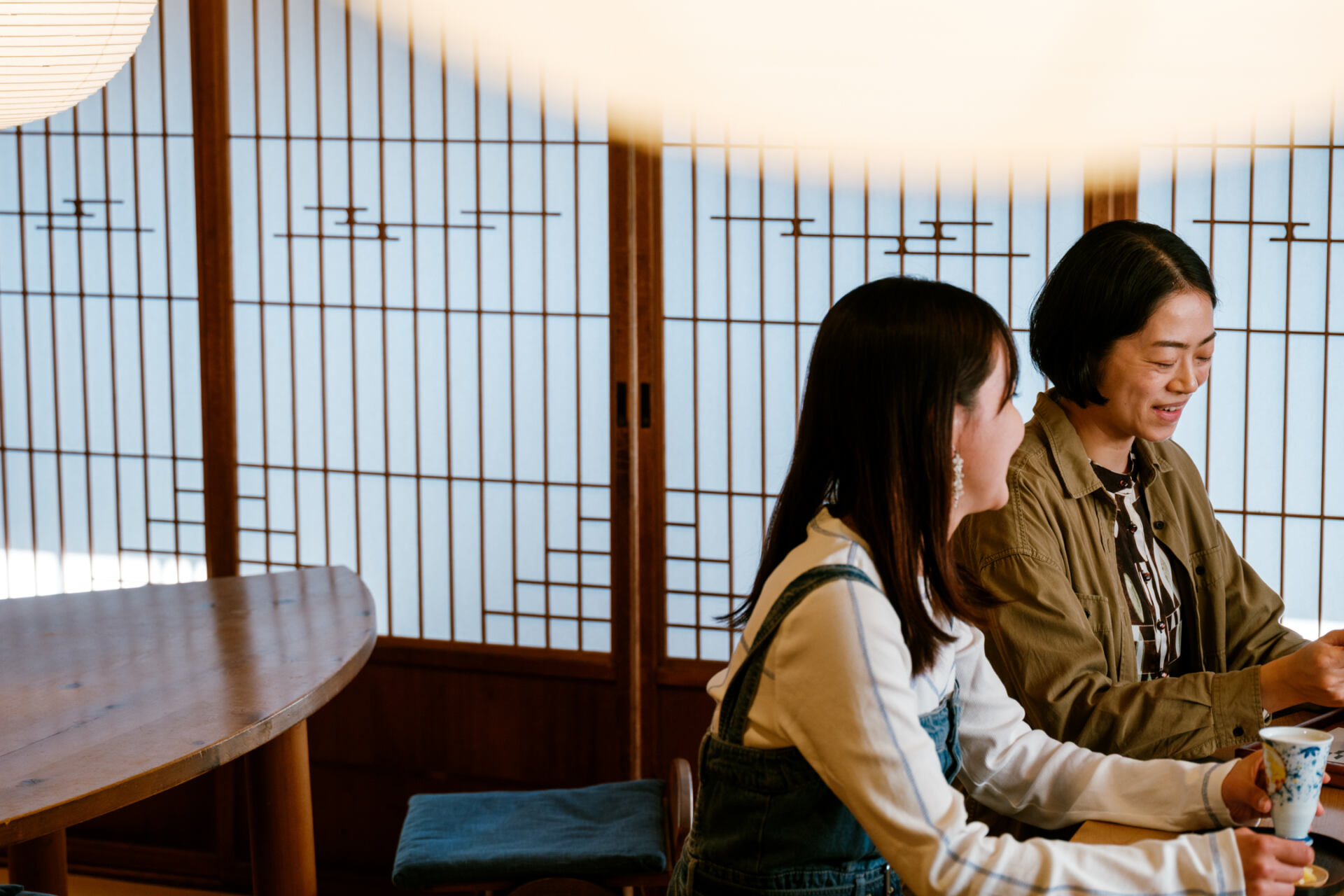
Standing on the north side of the Takehara Preservation District is café Nekoya, a Taiwanese café. It is run by Hiroyuki and Masako Yamauchi, a couple who moved here from Fukui in 2019. Their journey with this location began when they encountered a private house built in the Meiji era and intuitively felt, “This is the place.” Introduced to the building through a vacant house bank, they opened the café in March 2022, naming it after the “yago” (traditional shop name) of Masako’s family home. Today, their noren curtain hangs quietly at a corner of the street.
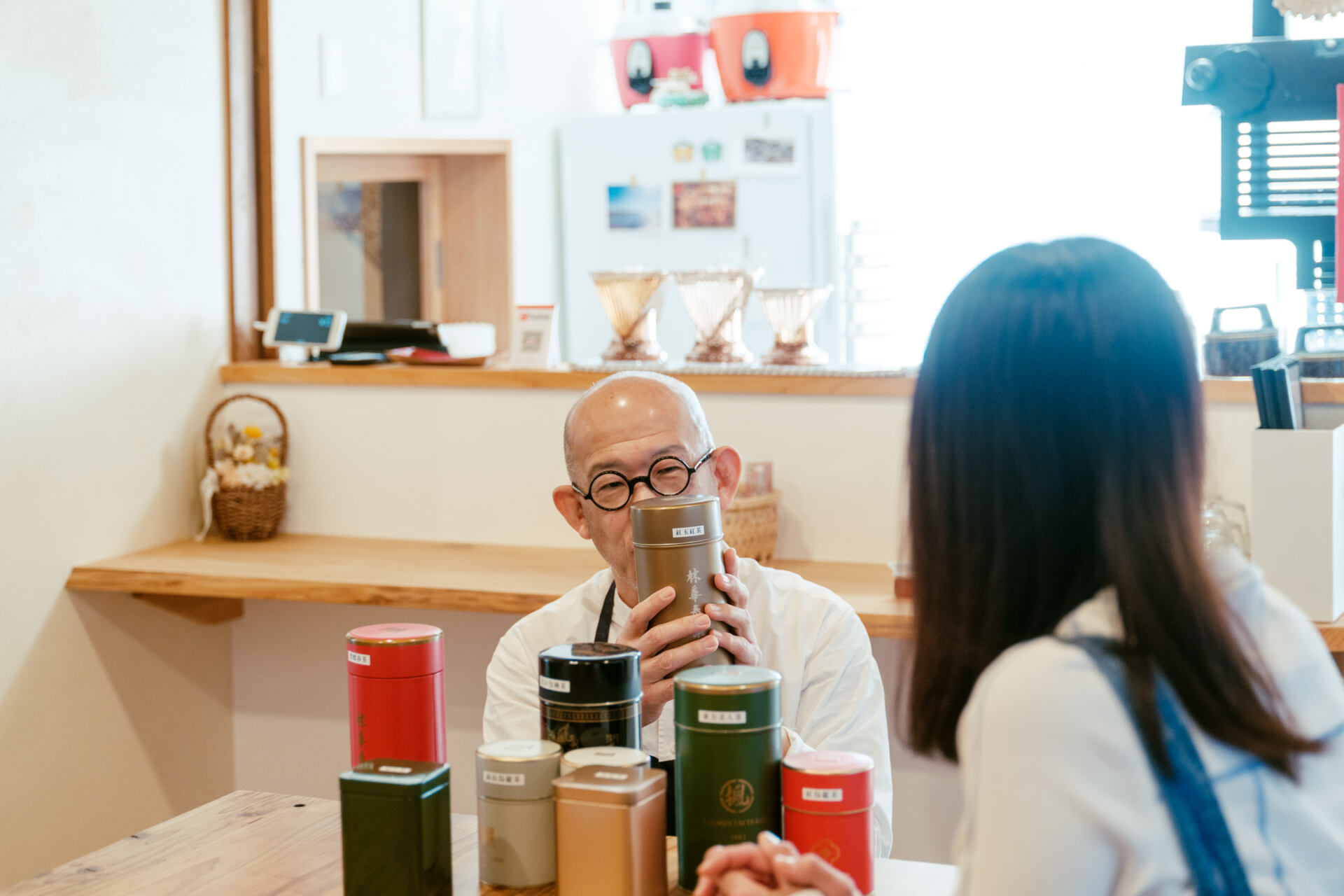
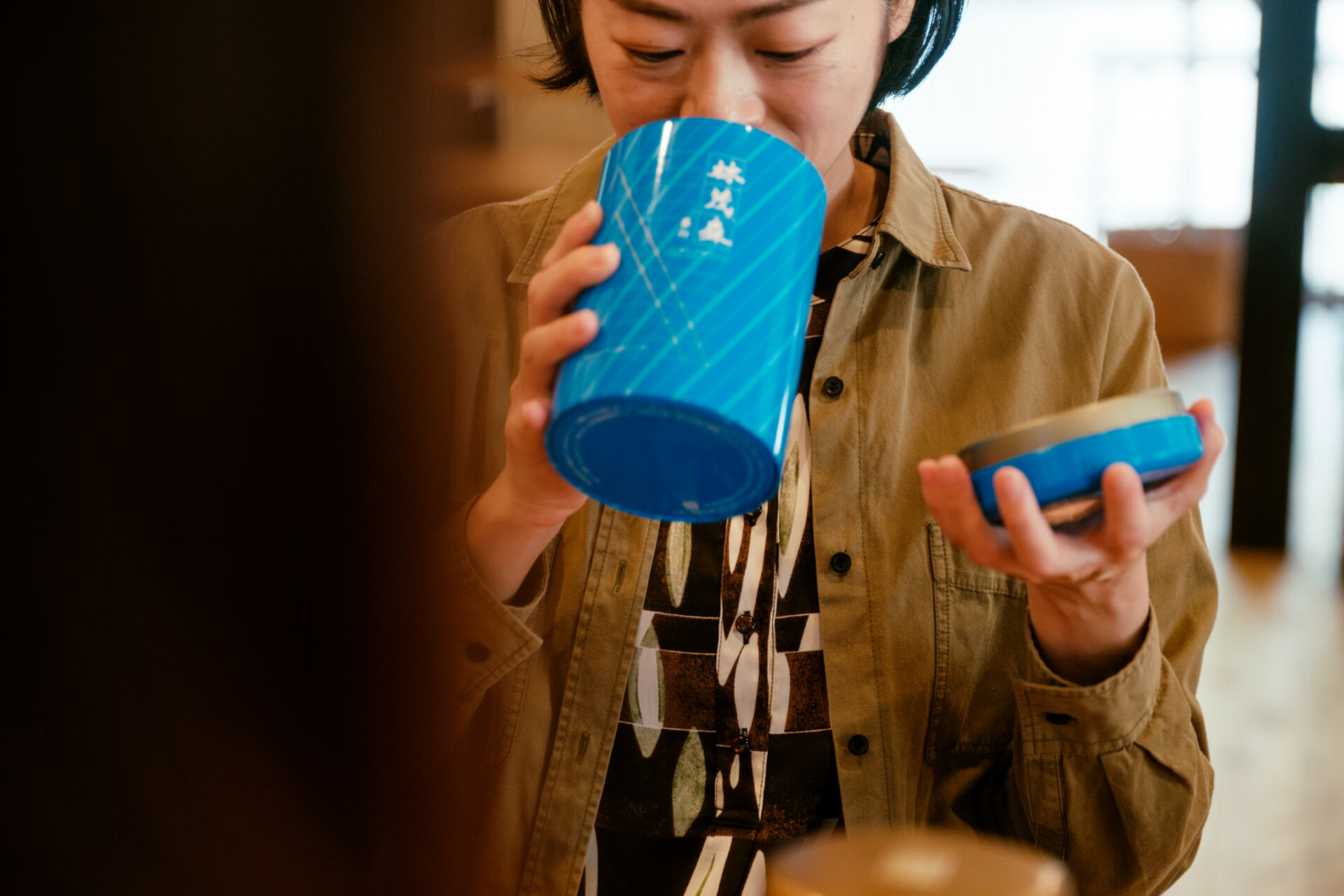
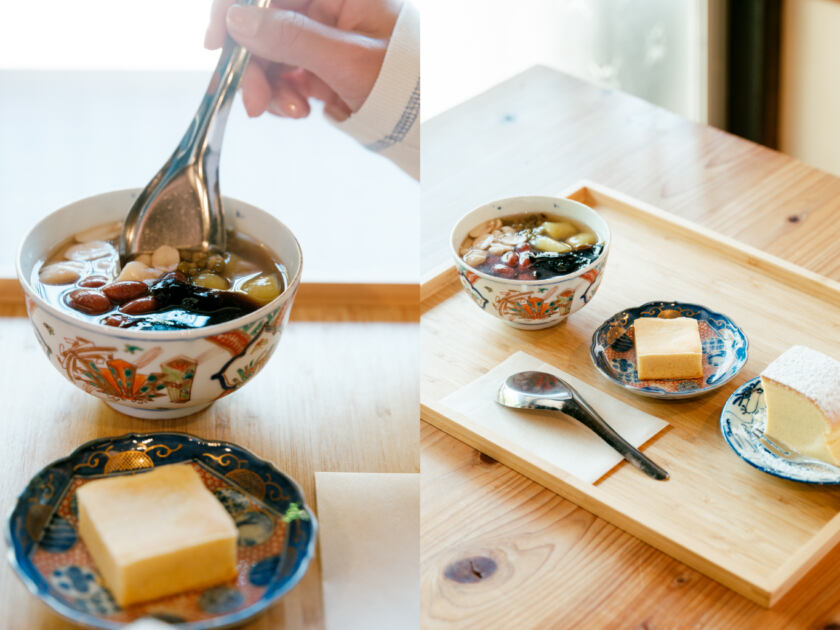
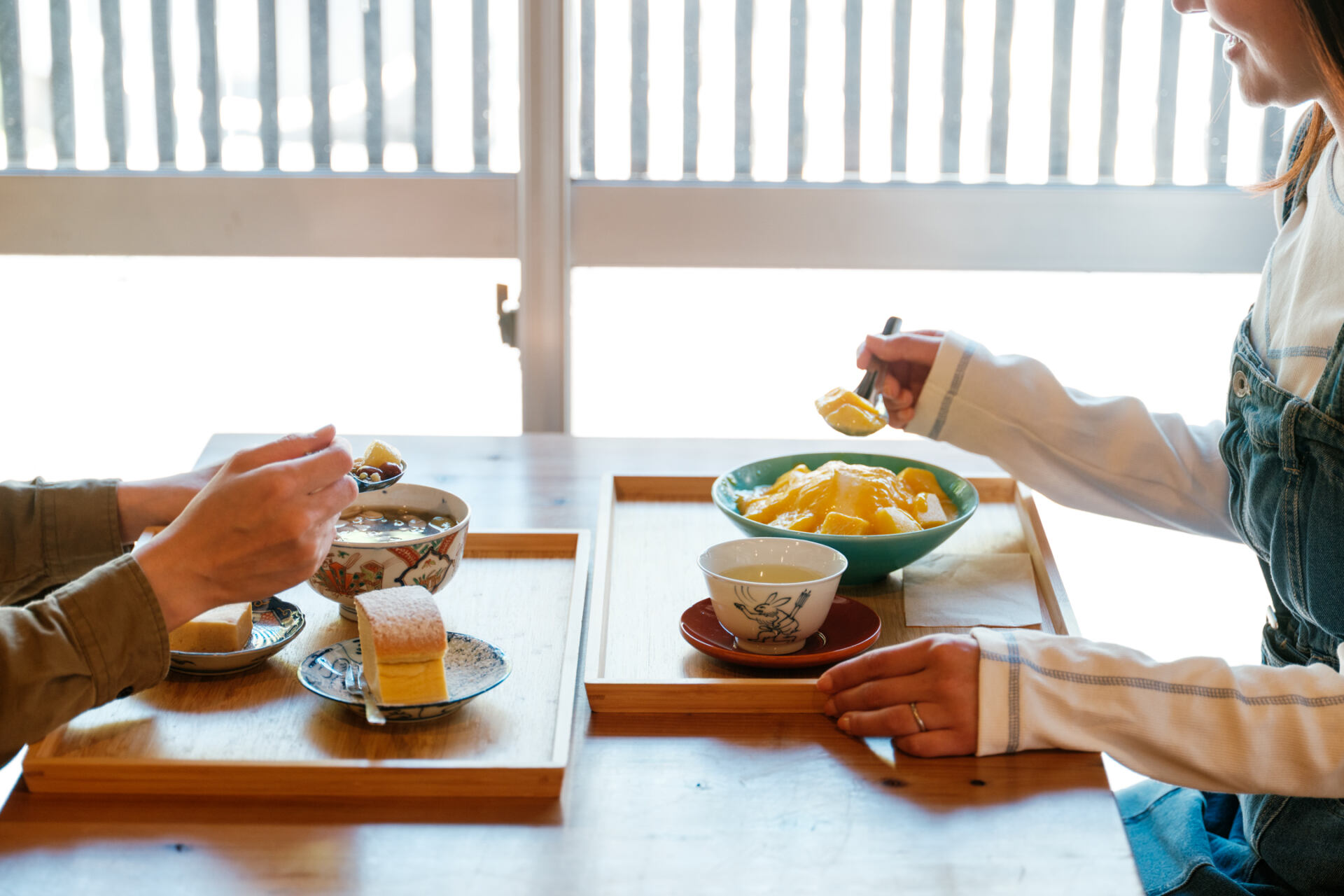
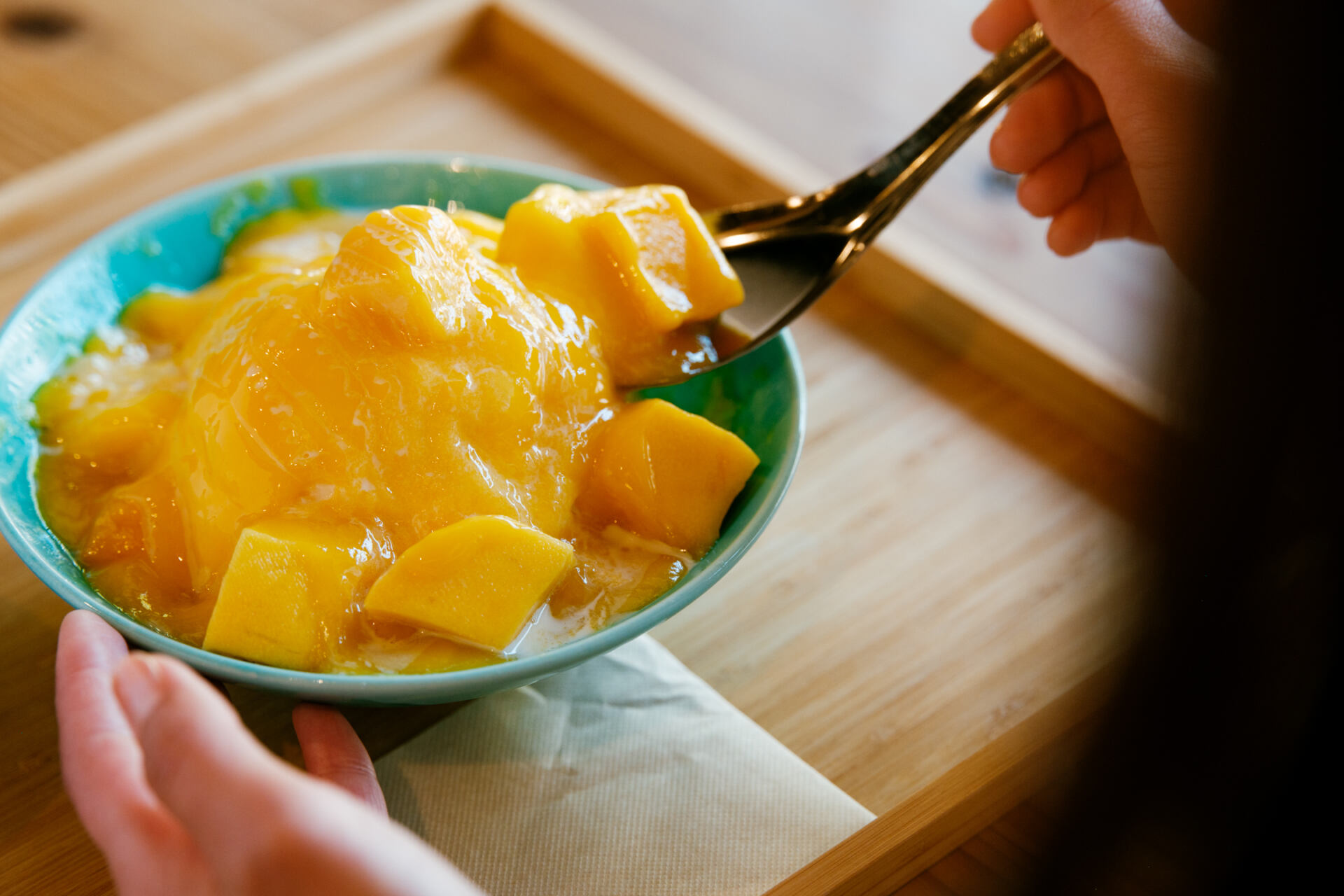
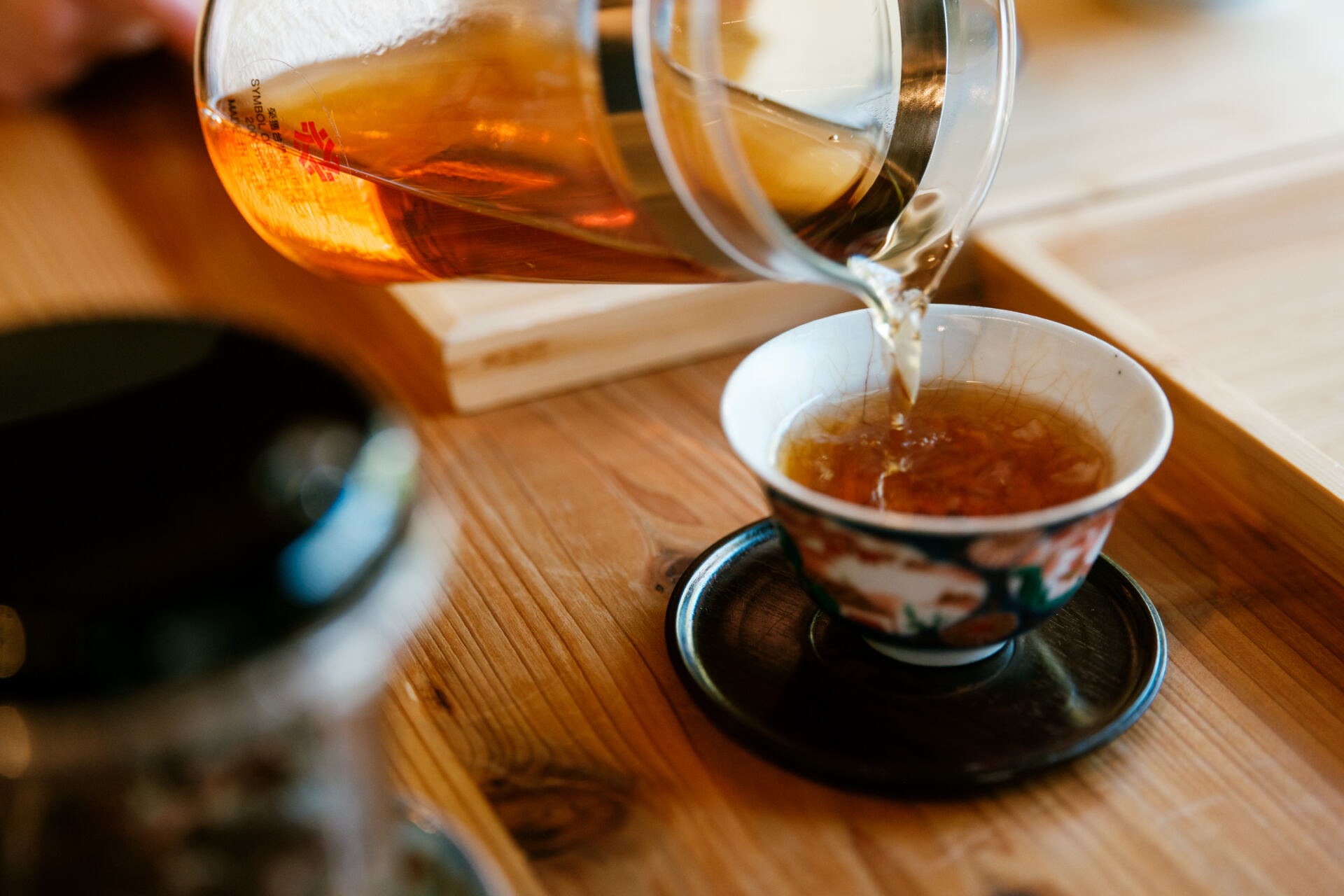
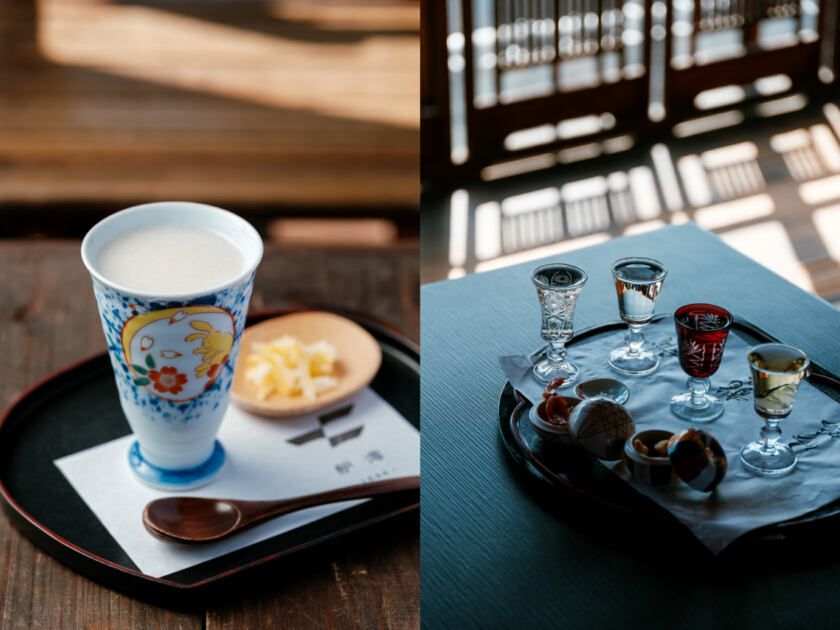
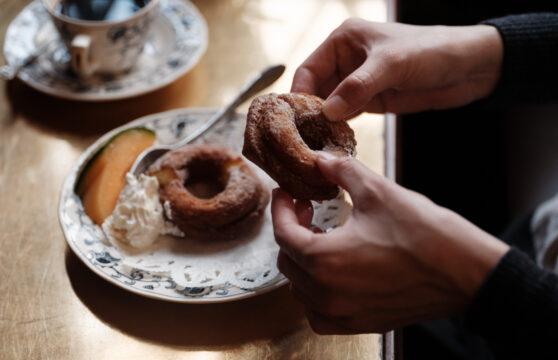
The menu features Taiwanese home-style cooking and “tenpin” (desserts). From beef noodle soup (niurou mian) and douhua (tofu pudding) to sweets like Taiwanese castella and pineapple cakes, everything is handmade by Masako. The beans, jellies, and other generous toppings served with the douhua are also all homemade. With just the right amount of sweetness, they offer a light and refreshing finish to a meal. Additionally, the shop stocks about 10 varieties of Taiwanese tea. The time spent choosing a tea while learning about the differences in aroma and flavor is a charm unique to this establishment.
The two originally worked for Hiroyuki’s family textile company. The turning point came during a trip to Taiwan for their silver wedding anniversary. They were captivated by the delicious local cuisine and the warm atmosphere of the people they met there. Around that time, Masako’s family required more support, leading them to consider relocation. As they planned their move, they decided that whatever they started next should be related to Taiwan.
While searching for a location for their shop, the couple found themselves naturally drawn to old buildings. Looking within an hour’s radius of Fuchu City, they visited various towns and realized they wanted to spend their days in a calm atmosphere rather than a bustling one. When they visited the streets of Takehara, they could clearly envision their future life there. “We hope to continue at our own pace,” says Masako. They run the shop while cherishing a comfortable rhythm of life.
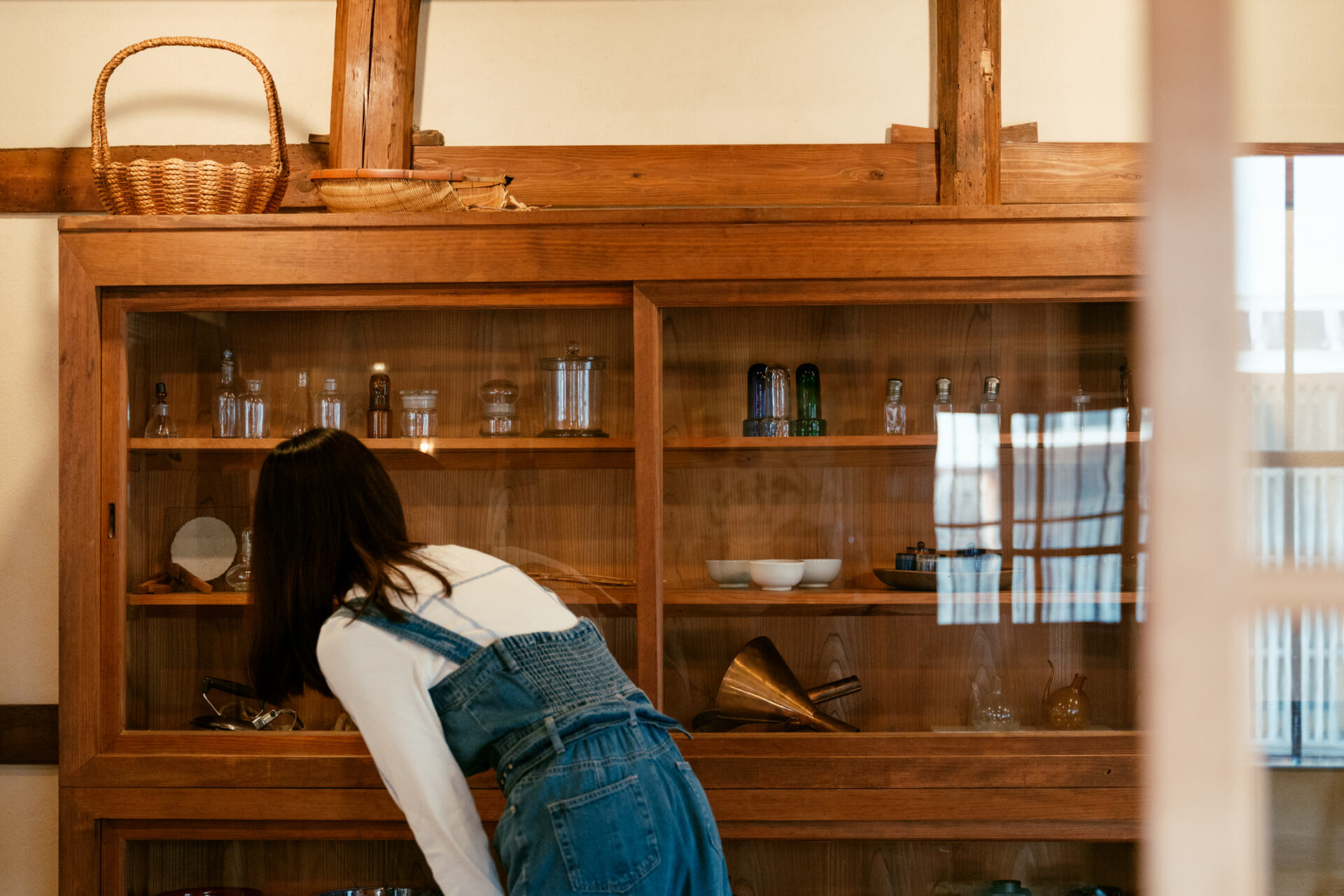
To preserve the original character of the building, they kept renovations to a minimum, performing only necessary repairs. The retro-designed window glass and the exterior appearance remain unchanged, while antique furniture was brought in to match the space. In the shop, conversations about Taiwan often flourish, and it is not uncommon for visitors to strike up chats with one another. Sometimes, they even travel to Taiwan together. “This place has brought us many new connections,” they say. The light now burning in what was once a vacant house represents the bonds formed by taking that new step forward.
A Beacon in the Heart of the Townscape — 舮澪-1648- rulé
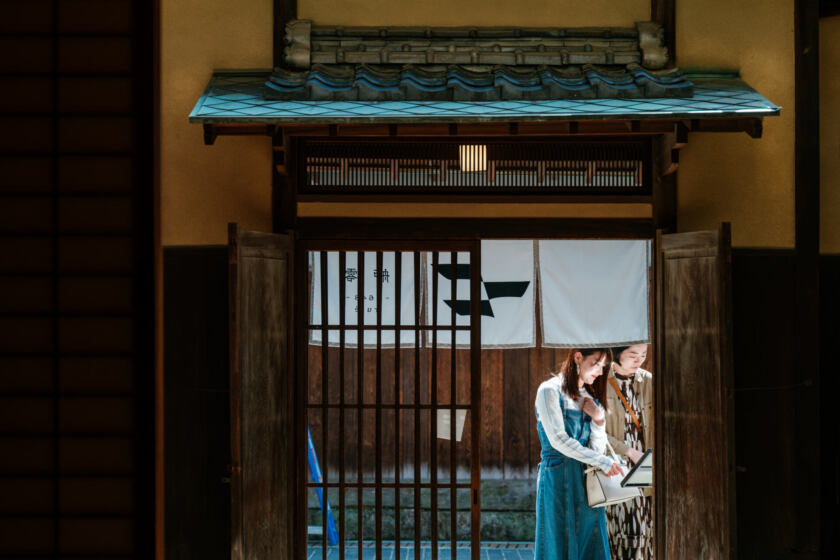
In the center of the Preservation District stands a building that once entertained travelers. With over 100 years of history, this site welcomed people as the “Isobe Ryokan.” Soft light filters through the wavy antique glass, and a small garden sits quietly in the back. Its appearance, retaining the elegance of the past in every detail, is particularly eye-catching on the street. Later, from 2019, it was beloved as the confectionery shop “Saryo Ichie,” but in March 2025, the shop closed its doors. It felt as though one of the town’s lights had gone out, leaving a sense of loneliness behind.
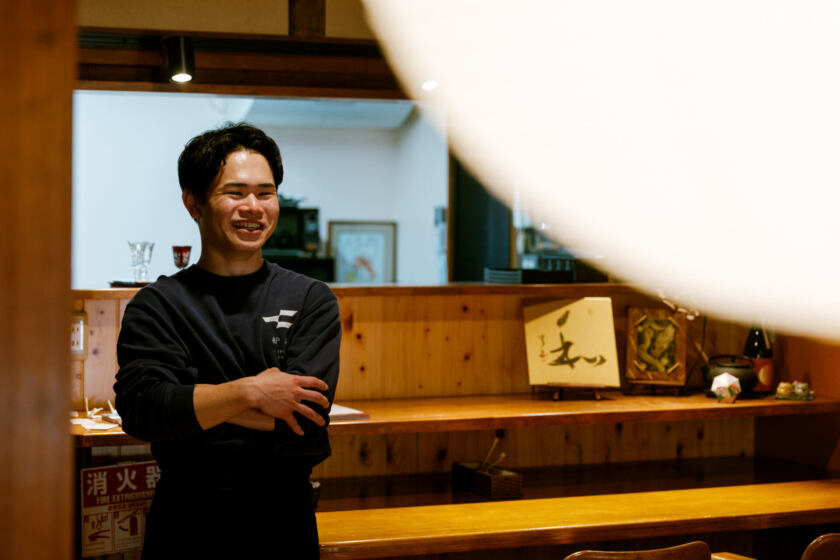
Tokio Yamada, who returned to his hometown of Takehara in October 2024, watched these events with mixed emotions. His family runs a sake brewery and had a connection with Saryo Ichie, so he had been concerned about the building’s future. Upon learning there was no successor, he asked his father, “If no one else is going to do it, why don’t we get involved?” His father encouraged him, saying, “Then why don’t you try running it yourself?” This led to him taking over the location.
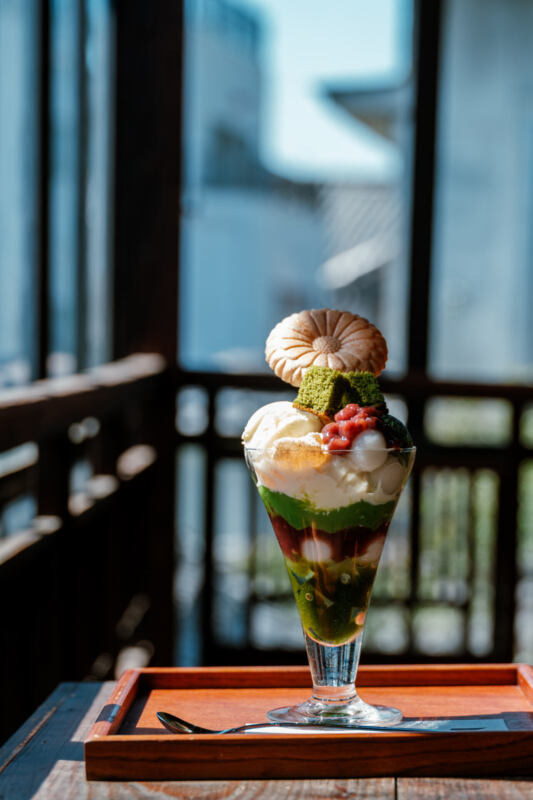
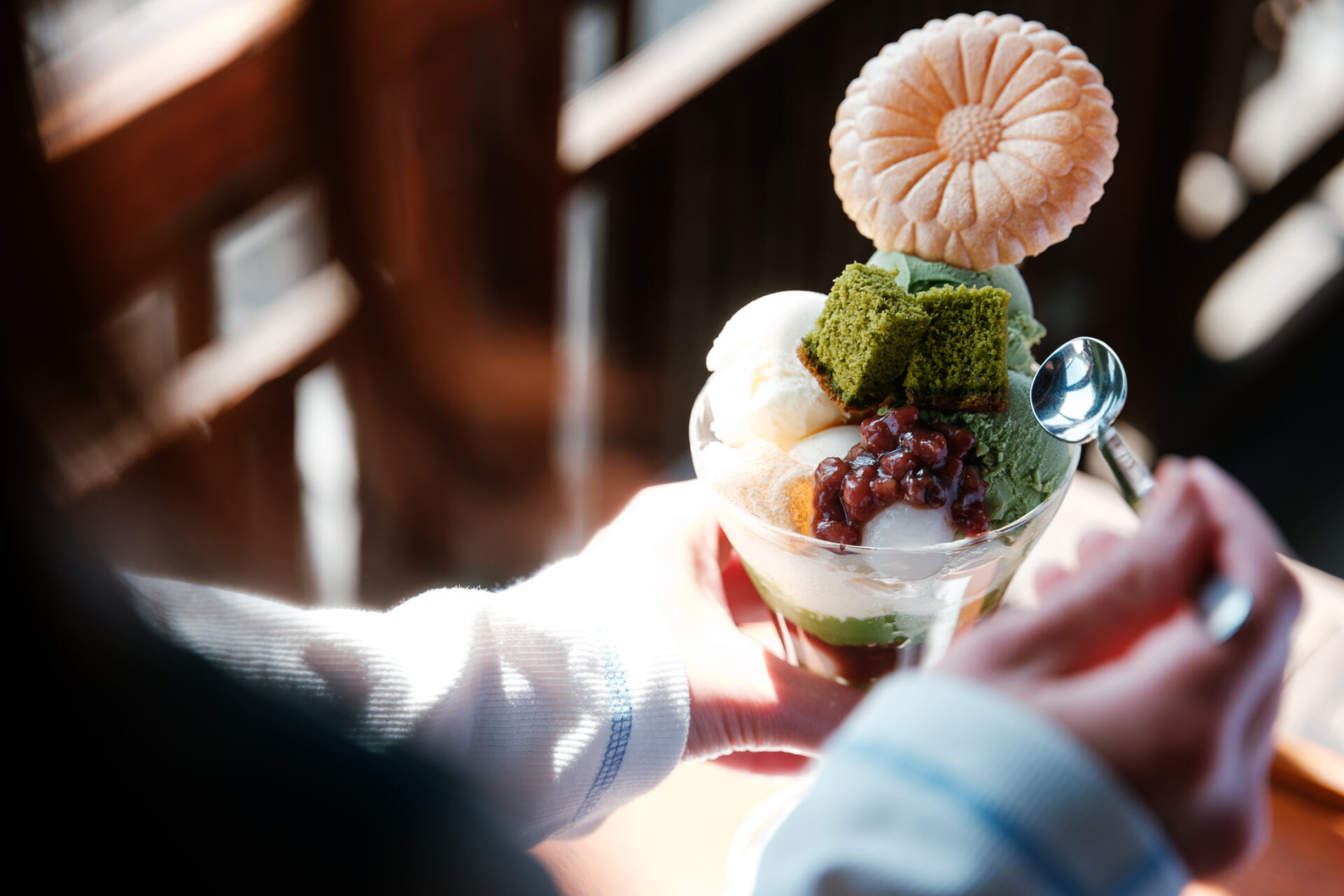
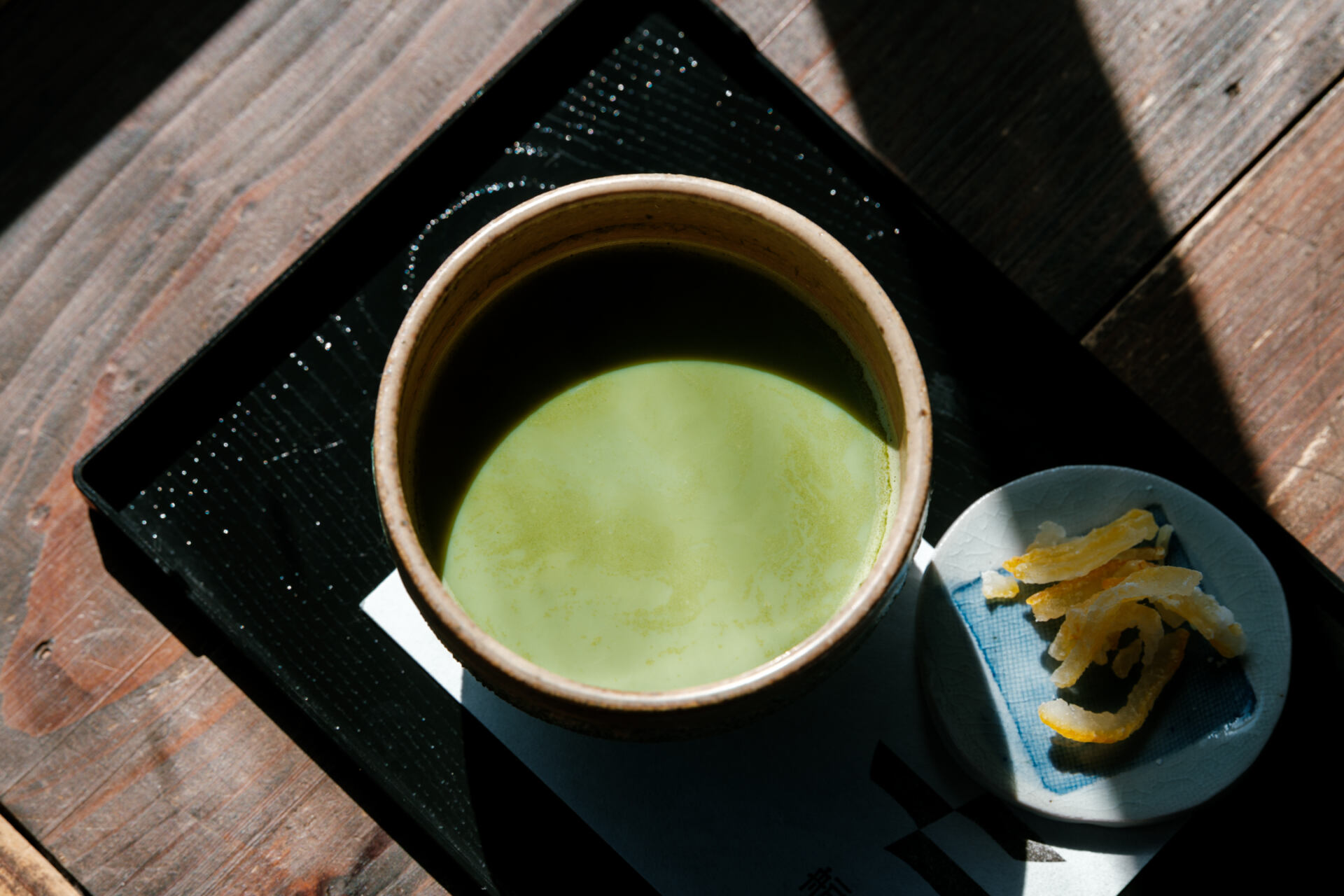
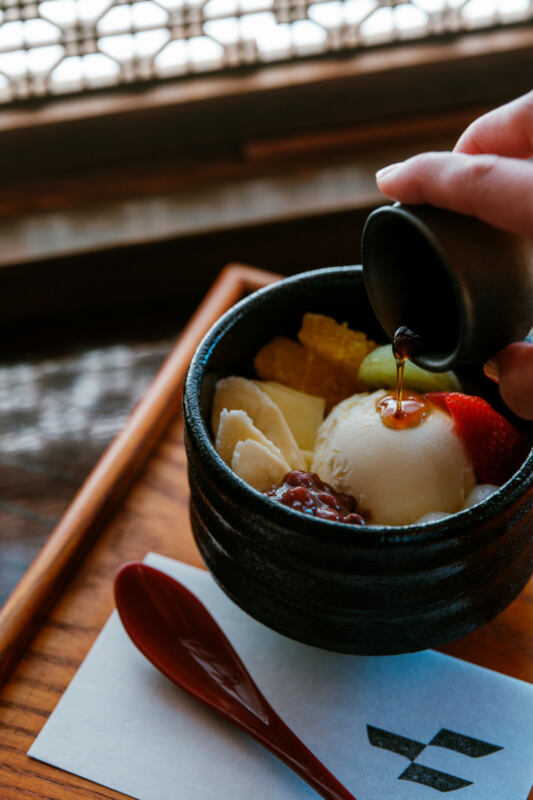
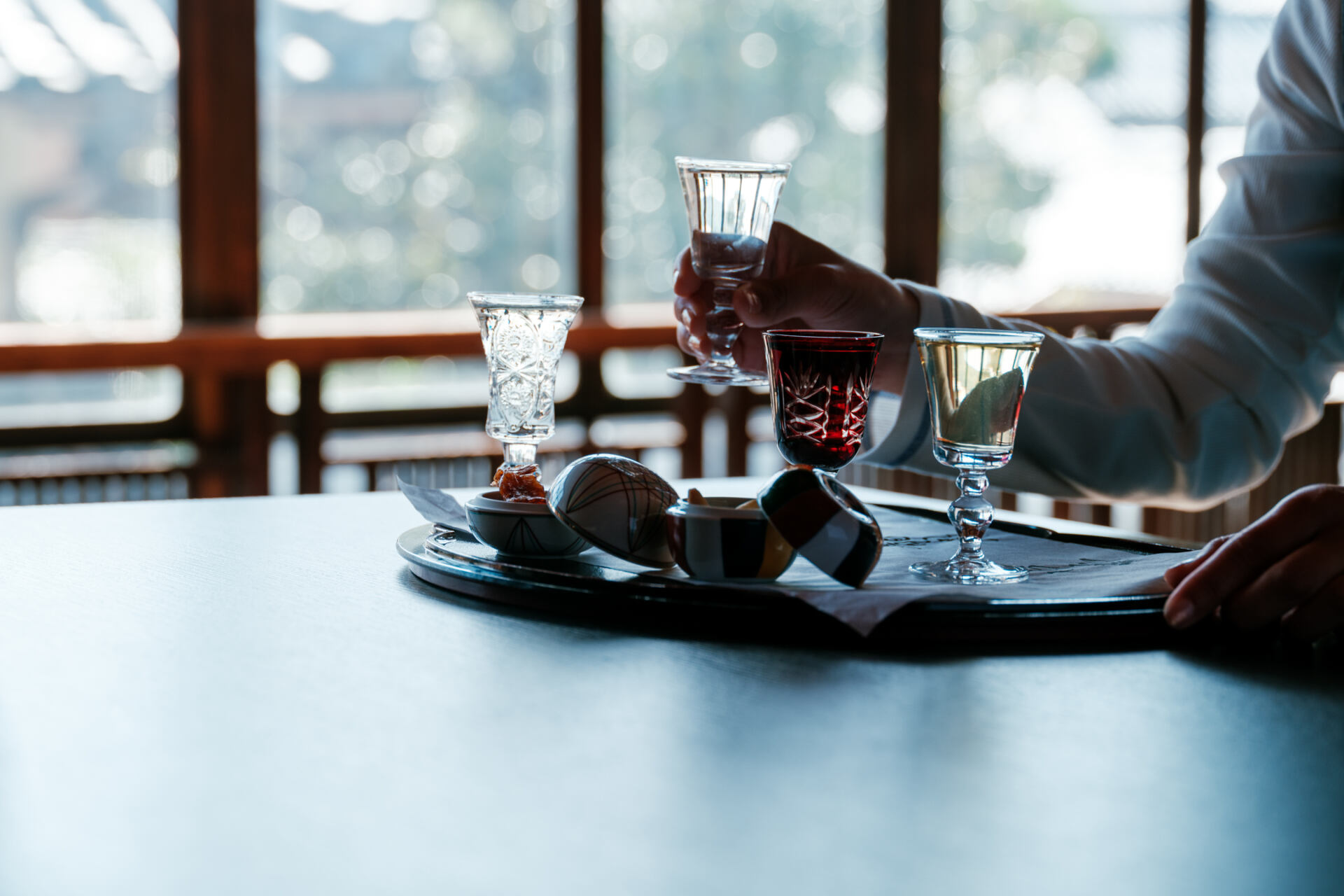
In November 2025, the space reopened as “舮澪-1648- rulé.” The name “rulé” means “post station” in French (relais) and shares roots with the English word “relay,” reflecting the desire to pass on the baton of history. The number “1648” marks the year salt production began in Takehara, paying homage to the era when the town was at its most prosperous. The menu carries on the tradition of the previous confectionery, offering anmitsu, parfaits, matcha, and amazake. It also reflects the shop’s identity as a sake brewer’s venture, featuring items like ice cream topped with chilled sake and tasting flights from Takehara’s three sake breweries.
Tokio actually began his career as a medical professional in emergency services. While re-evaluating his lifestyle during the pandemic, a solo trip to the Oki Islands in Shimane Prefecture became a turning point. There, he saw people of his generation living vibrantly while rooted in their local community. To understand why he was so drawn to this, he changed careers and worked in hotel front-desk operations, where he discovered the appeal of creating gentle connections between people and the region. “Looking back, my father also valued his involvement with the community,” Tokio says. That memory is linked to the choice he has made today.
“I simply didn’t want this place to disappear,” Tokio explains. This challenge marks his first foray into the food and beverage industry. He spends his days in trial and error, from cost calculations and menu creation to customer service. Nevertheless, he finds fulfillment in interacting with visitors and sharing the town’s charms. “Many people are interested in the building’s history, so I want to provide an experience unique to this location.” Within this inherited space, a new chapter has quietly begun.
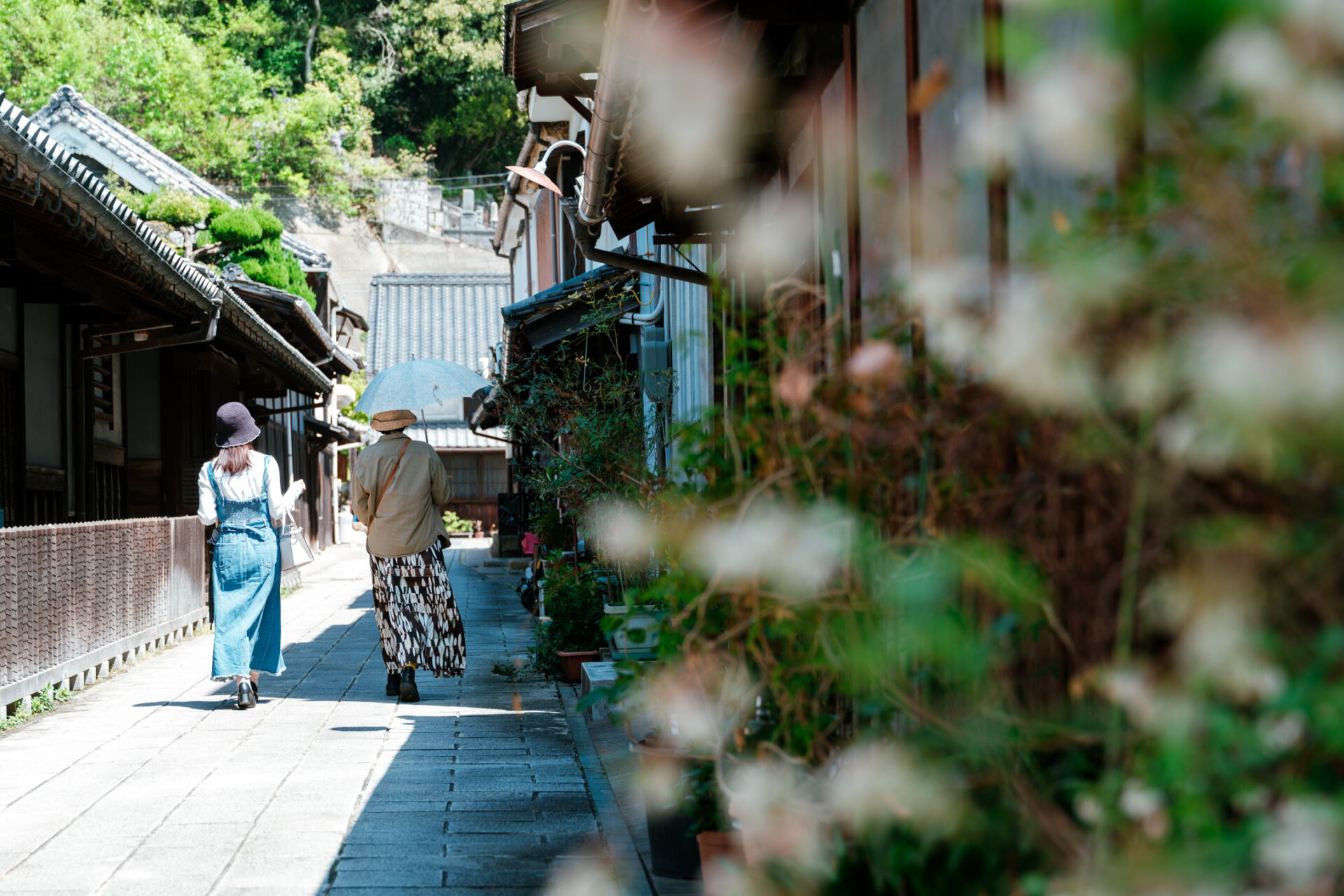
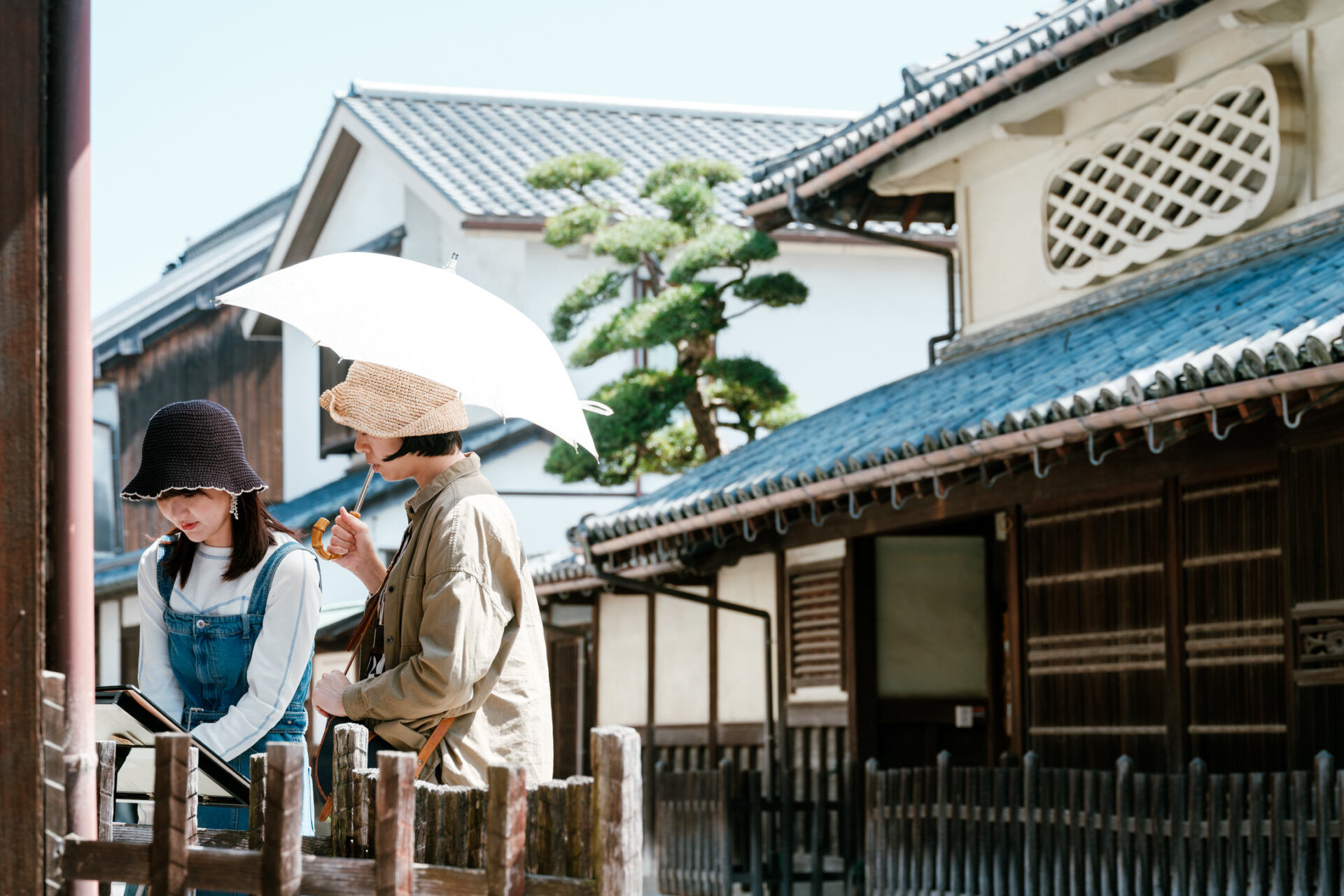
As you walk through the historic streets, you may find yourself stopping at an old folk house café. The time spent there is more than just a break; it is a moment to touch the layers of time the building has accumulated. Both of the shops we visited were once vacant houses, but now, each has been relit in its own way, blending gently into the modern townscape.
The presence of people passing by on the street and the soft light filtering in—a single bite enjoyed within such a landscape might feel just a little more special than usual.