A relaxed stroll through the townscape from Takehara Station
- Preservation District for Groups of Historic Buildings
Recommended Season: Spring / Summer / Fall / Winter
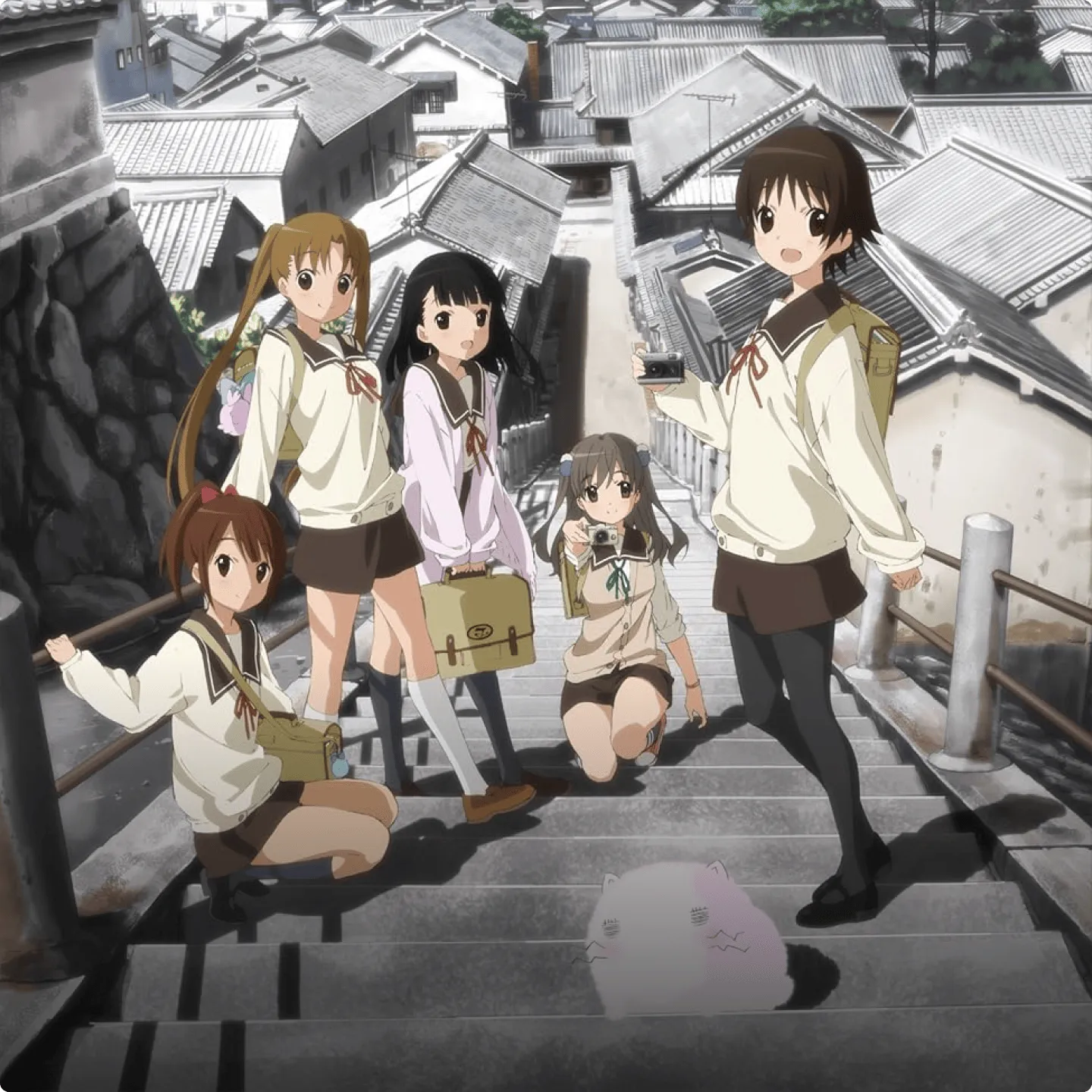
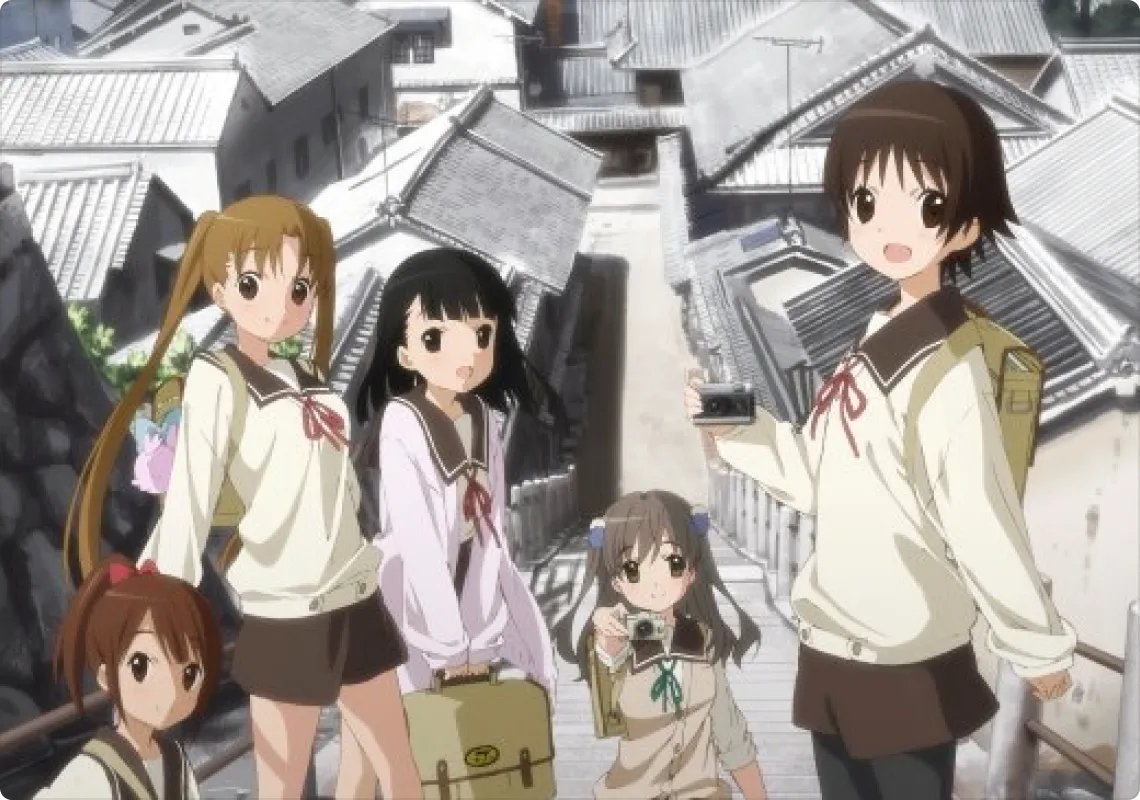
Takehara City, Hiroshima Prefecture, is home to scenery that feels just like the gentle world of the anime “Tamayura.”
The warm everyday moments that the main character, Kaoru Sawatari (“Potte”), and her friends shared—and the moving scenes that stir your heart—still live on in this beautiful town known as the “Little Kyoto of Aki.”
In this article, we’ll introduce Takehara’s main “Tamayura” pilgrimage spots that fans will want to visit at least once, along with tips for getting around efficiently.
We’ll also cover spots in Osakishimojima, the hometown of Maon—one of the main characters—as well as locations in the Kure downtown area.
With a camera in hand, why not head out to find the views Potte and the others saw?
The anime “Tamayura” is a heartwarming story about Kaoru Sawatari, who moves to Takehara City, Hiroshima Prefecture—the town filled with memories of her father—and grows through everyday life and small dreams as she shares all kinds of experiences and encounters with Kaoru, Norie, and Maon.
Kaoru loves photography, and the photos she takes with the camera her father left behind bring happiness to those who see them, connecting hearts along the way.
An OVA was released in 2010, and the TV anime “Tamayura: Hitotose” aired in 2011. In 2015, it was also shown in theaters as “Tamayura: Graduation Photo.”
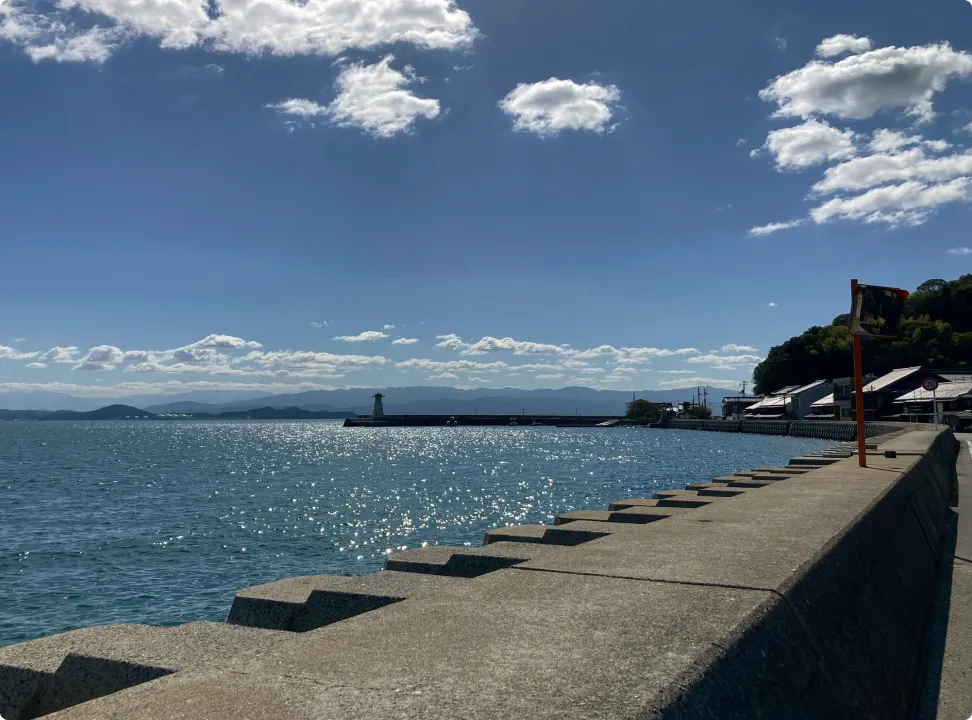
With Takehara’s historic streets and the beautiful scenery of the Seto Inland Sea faithfully recreated, it’s a series that delights not only anime fans, but also people with ties to Takehara, those who love Seto Inland Sea views, and anyone who feels nostalgic for old-town streetscapes.
Takehara, the pilgrimage site for “Tamayura,” was chosen as one of the 88 Anime Pilgrimage Sites, and it was also selected for 2018–2025 in the “Anime Pilgrimage Sites in Japan You Want to Visit,” which is decided by votes from anime fans around the world.
The Anime Tourism Association website features “Tamayura” and Takehara, so be sure to take a look.
The pilgrimage spots are broadly divided into three areas.
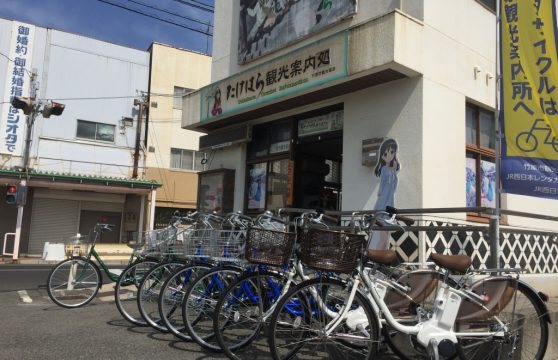
How to get around: Start from JR Takehara Station and explore on foot.
Time needed: If you take your time at the main spots, plan for about 3–4 hours. With lunch and a café break, having half a day is a safe bet.
How to get around: From JR Takehara Station, you’ll need to travel by train (JR Kure Line) or by car. For Mt. Kurotaki and Mt. Asahi, we recommend going by car.
How to get around: Travel by car, or use the JR Kure Line if you’re taking the train. To reach Osakishimojima, you can also take a ferry from Takehara Port via Osakikamijima. A plan that takes half a day to a full day for each area is recommended.
The central area where Potte and the others live, and where the story unfolds.
Highlights are packed within walking distance of JR Takehara Station.
Start your trip here. This area stretches from the station front through the shopping street and down to the waterfront.
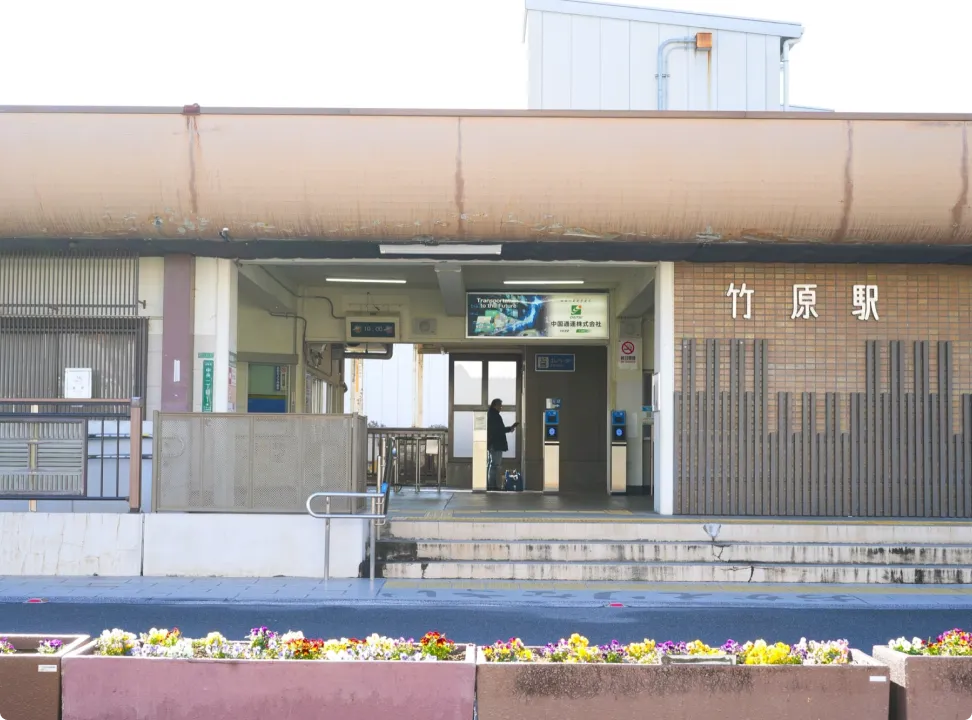
This is the story’s starting point, where a warm “Welcome home” sign displayed on the station building greeted Potte when she moved from Yokosuka.
The main street leading from Takehara Station to the Historic Preservation District. It’s also Potte and the others’ route to school.
The tall chimney, easily seen from around the station, also appears as part of the scenery. You can’t enter the grounds, but you can get a good view of it from the station area.
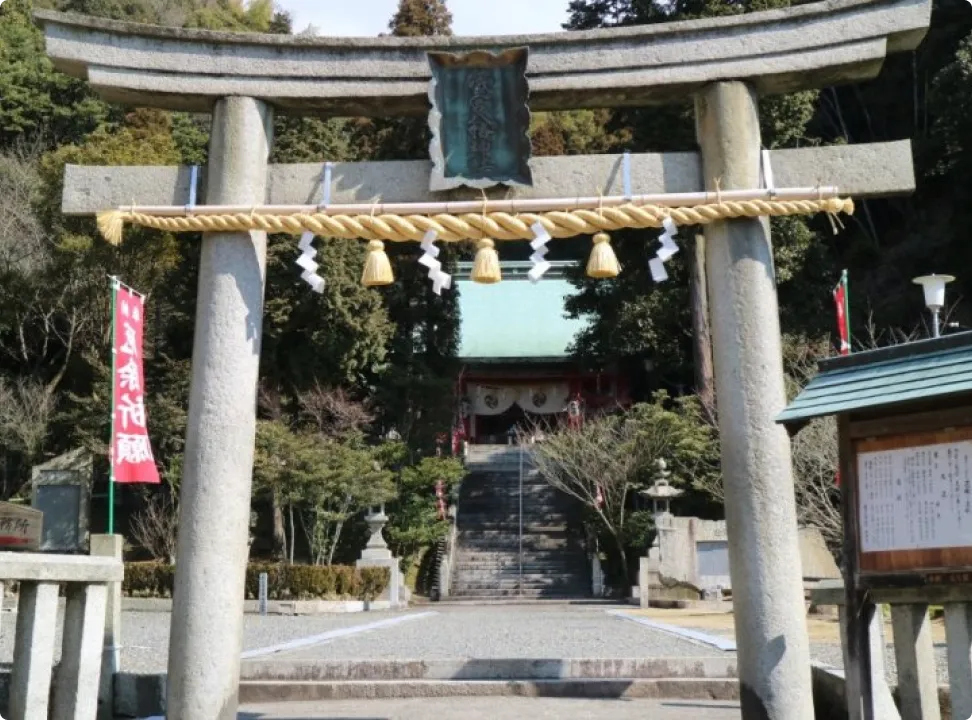
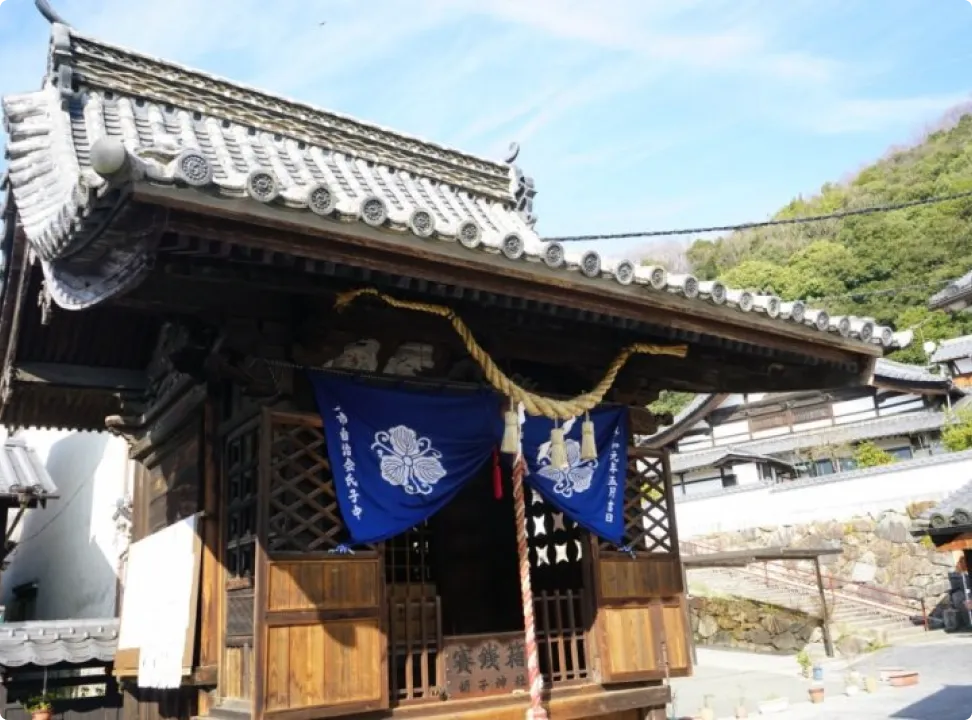
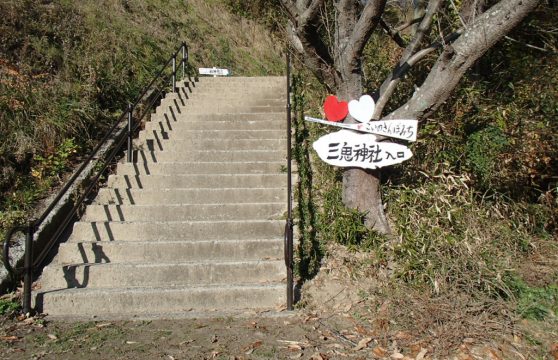
The shrine where Potte and the others visited for Hatsumode (the first shrine visit of the year). It’s said to have been named “Isomiya” because it stood on the shore where the Narui River meets the sea.
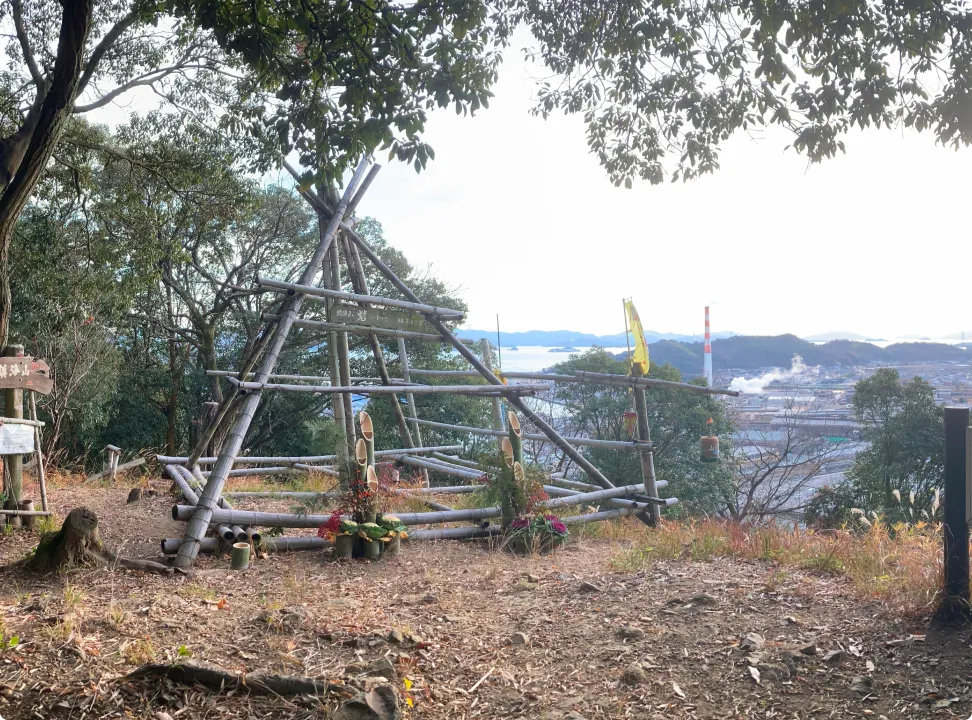
A spectacular viewpoint featured in the opening, with sweeping views over Takehara’s townscape.
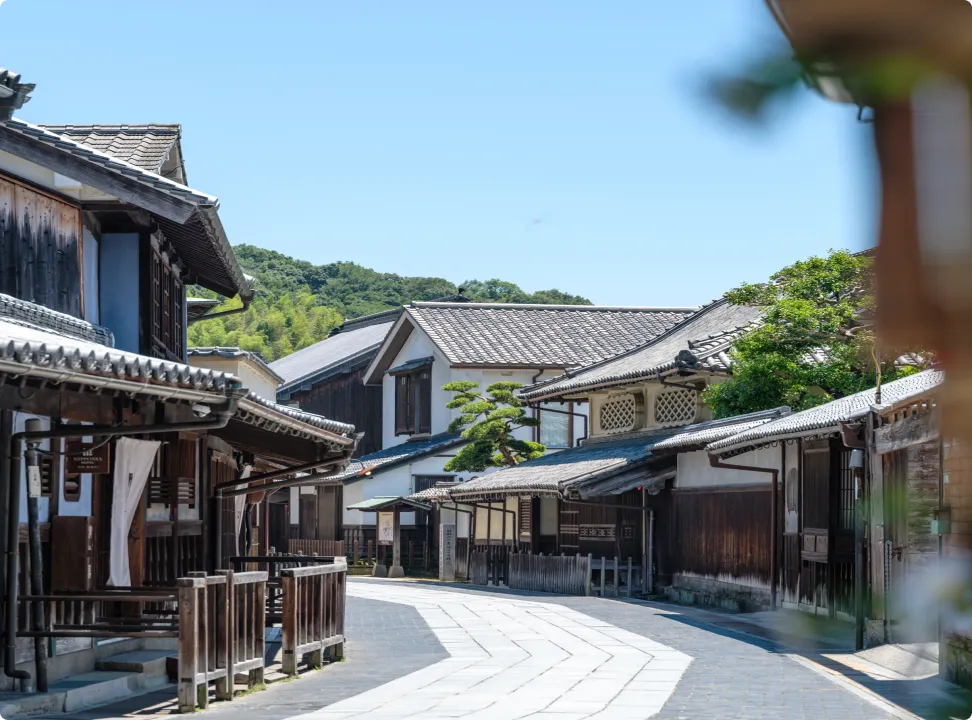
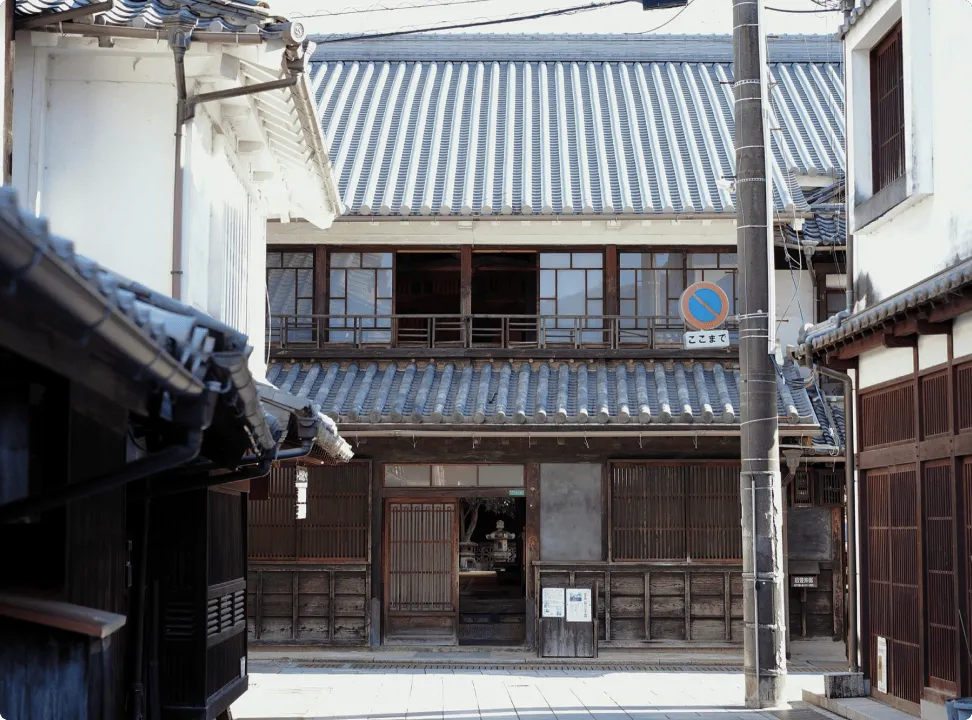
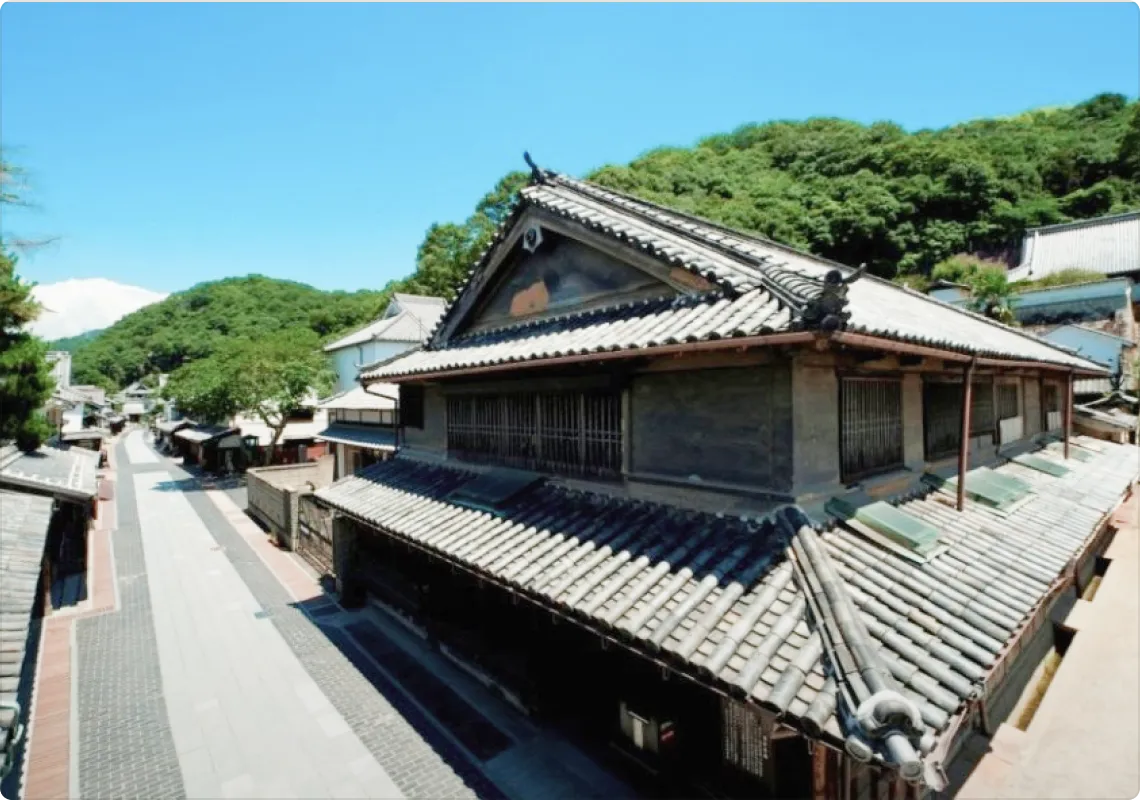
A beautiful area selected as a nationally designated Important Preservation District for Groups of Traditional Buildings, with an Edo-period atmosphere still intact. The core “Tamayura” spots are concentrated here.
This is the story’s starting point, where a warm “Welcome home” sign displayed on the station building greeted Potte when she moved from Yokosuka.
This is where Potte and the others held the “Our Exhibition.” It’s a historic residence built in 1872 as the home of a hamanshu (salt-field operator).
This is the restaurant that served as the model for the okonomiyaki shop “Hoboro,” which Potte and the others frequent. Lunch during your pilgrimage is a no-brainer here.
A plaza where a memorable bamboo tunnel appears. This bamboo tunnel is set up during the “Machinami Takeakari: Takehara Shokei no Michi” event held every autumn.
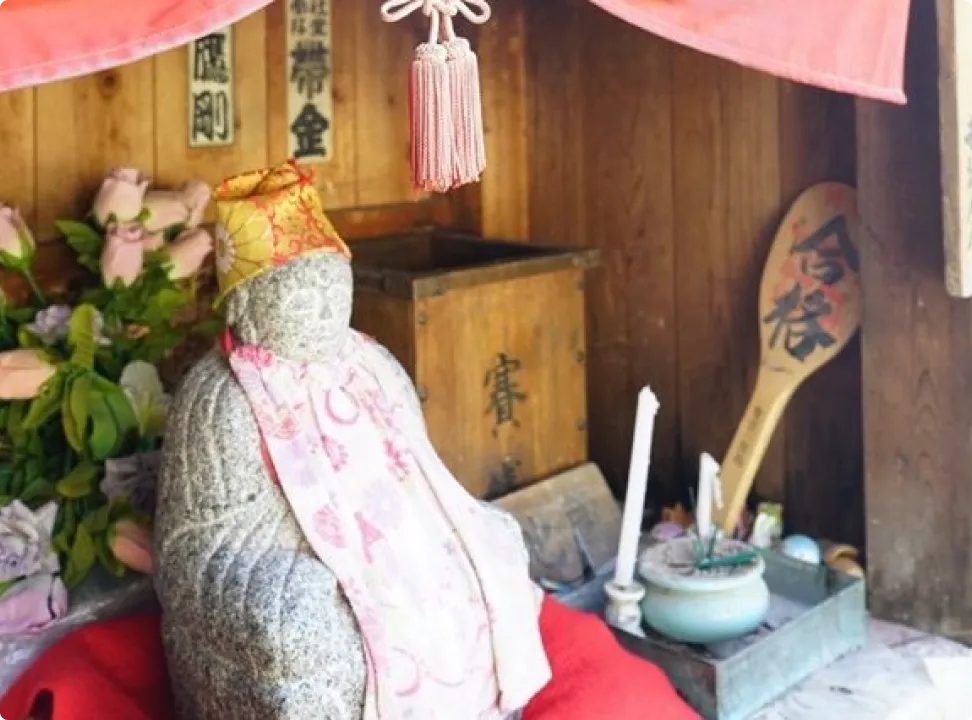
A Jizo statue tucked away in the Historic Preservation District. There are various theories, but it’s said that if you hold it while praying for a wish and it feels lighter than you imagined, your wish will come true.
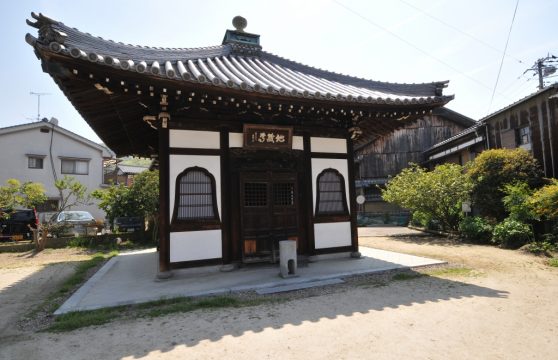
A small shrine where Potte was taking photos. It was also used as a setting in director Nobuhiko Obayashi’s film “The Girl Who Leapt Through Time” (1983).
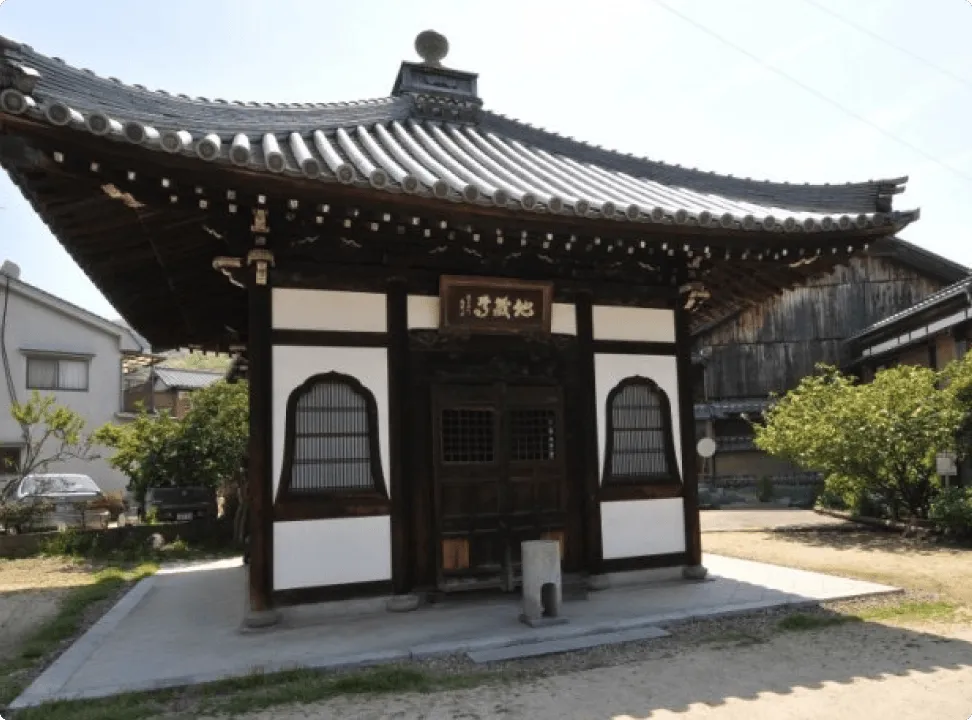
A hall in the Historic Preservation District also appears as part of the scenery in the series.

Unique Takehara-style wheel stops near Michi-no-Eki Takehara and Shinko Bridge. They also appear memorably in the series.
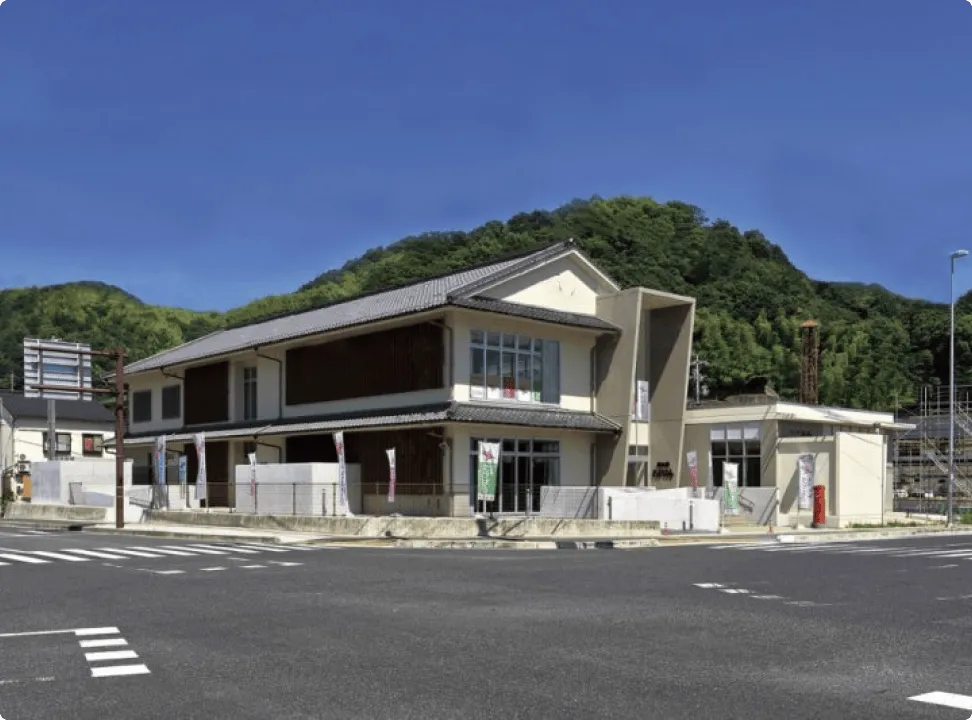
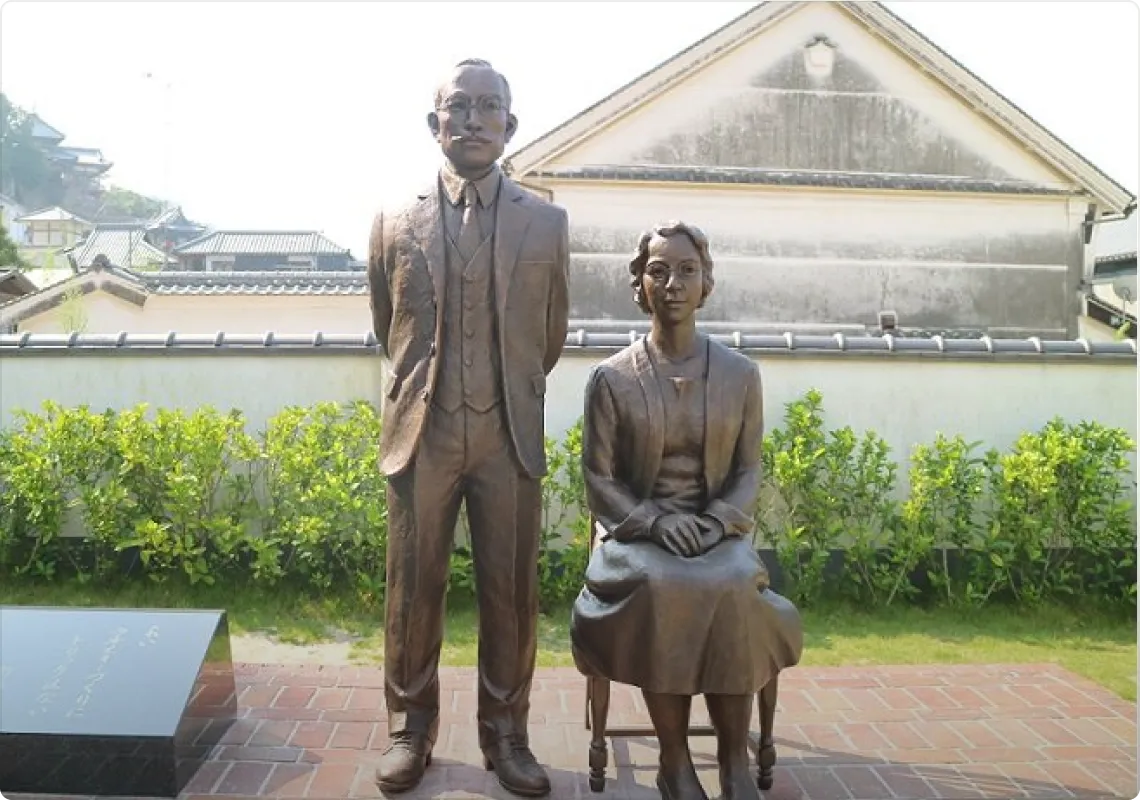
On the second floor, there’s a permanent “Tamayura” corner with valuable materials and autographs on display.
Climb a few steps up from the Historic Preservation District, and you’ll find spectacular viewpoints overlooking Takehara.
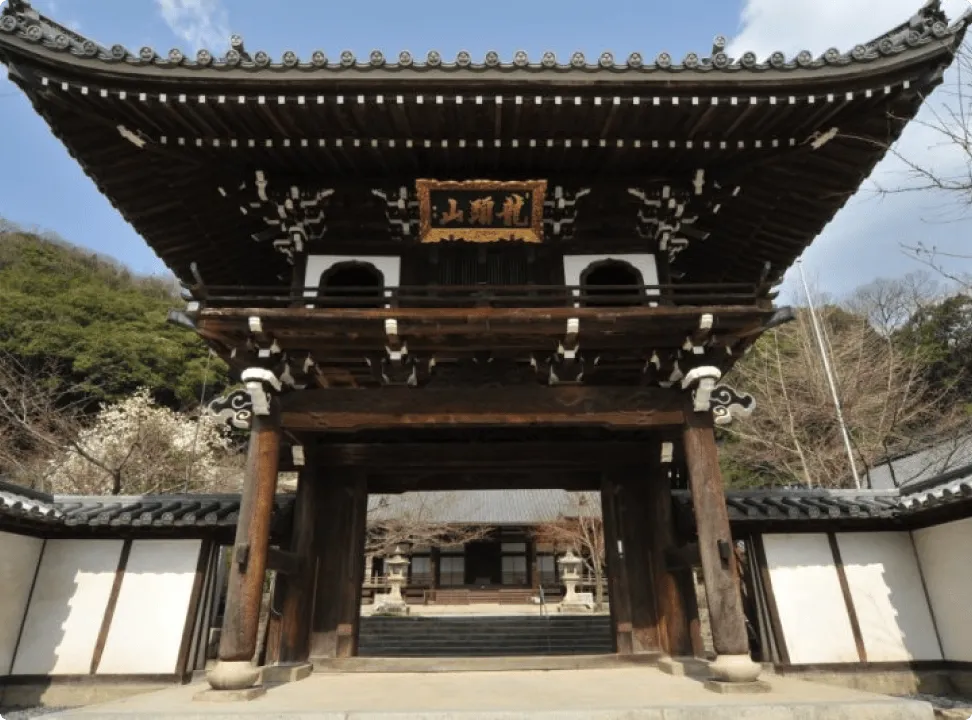
This temple is known for its long, beautiful stone steps, featured in the opening title scene.
The bell near Fumeikaku also appears in the story.
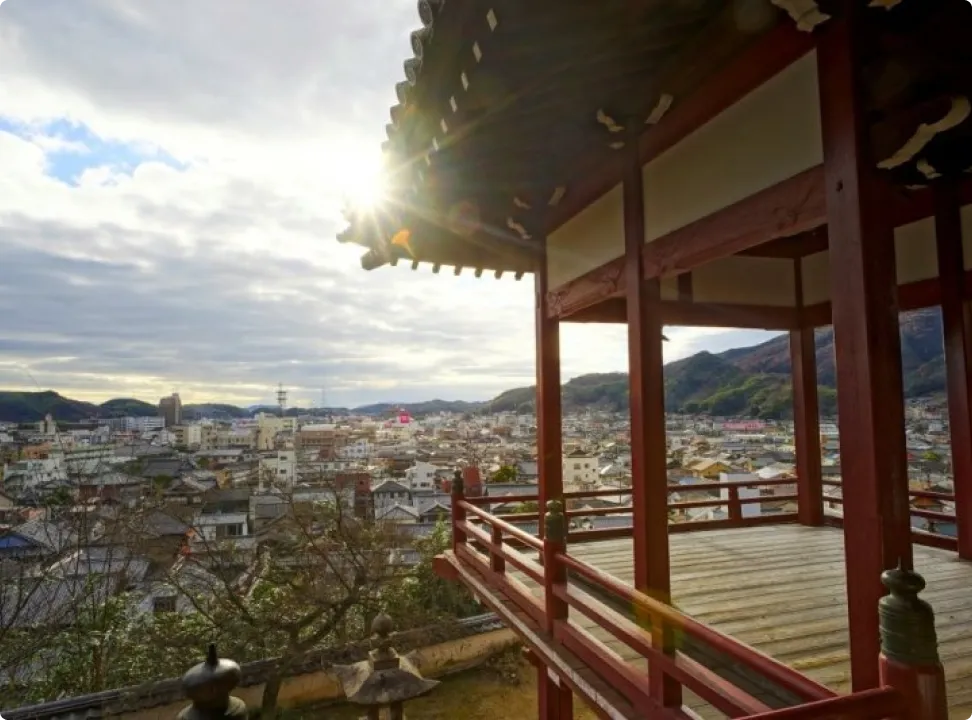
A stage-style hall on the grounds of Saifukuji Temple, said to be modeled after Kiyomizu-dera in Kyoto. It’s everyone’s favorite place, and the breathtaking view of Takehara’s townscape and the Seto Inland Sea from here is truly the world of “Tamayura.”
This is the temple where Potte and the others rang the Joya-no-kane bell on New Year’s Eve. The nationally important cultural property “Koma no Kane” (Korean bell) is preserved here.
A short trip from central Takehara reveals even more “Tamayura” spots scattered around the area.
An uninhabited island that inspired the name of the okonomiyaki shop “Hoboro.”
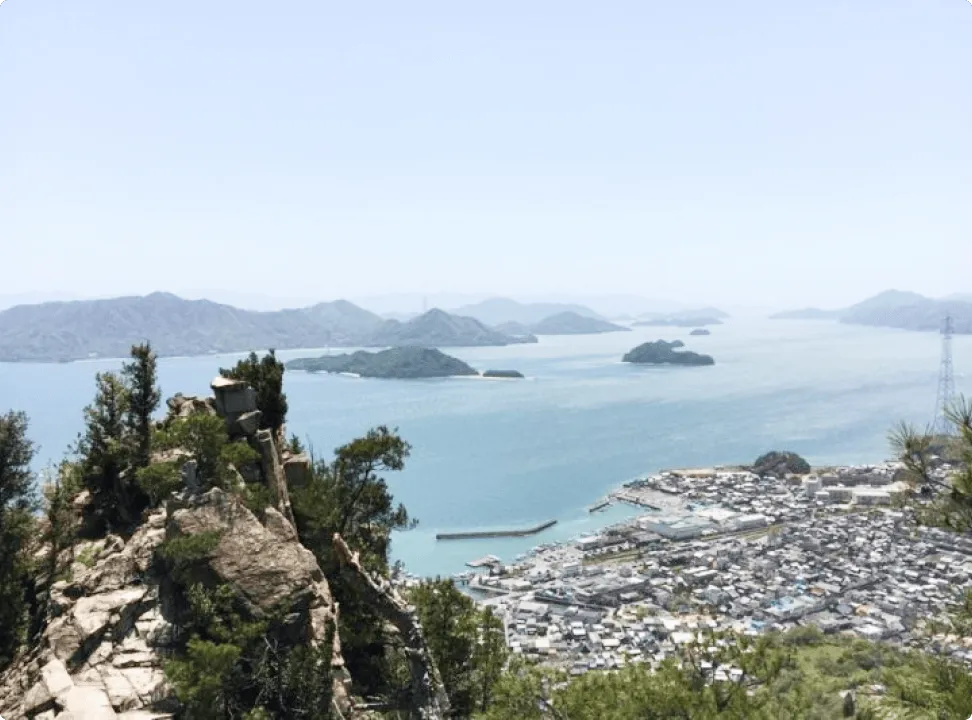
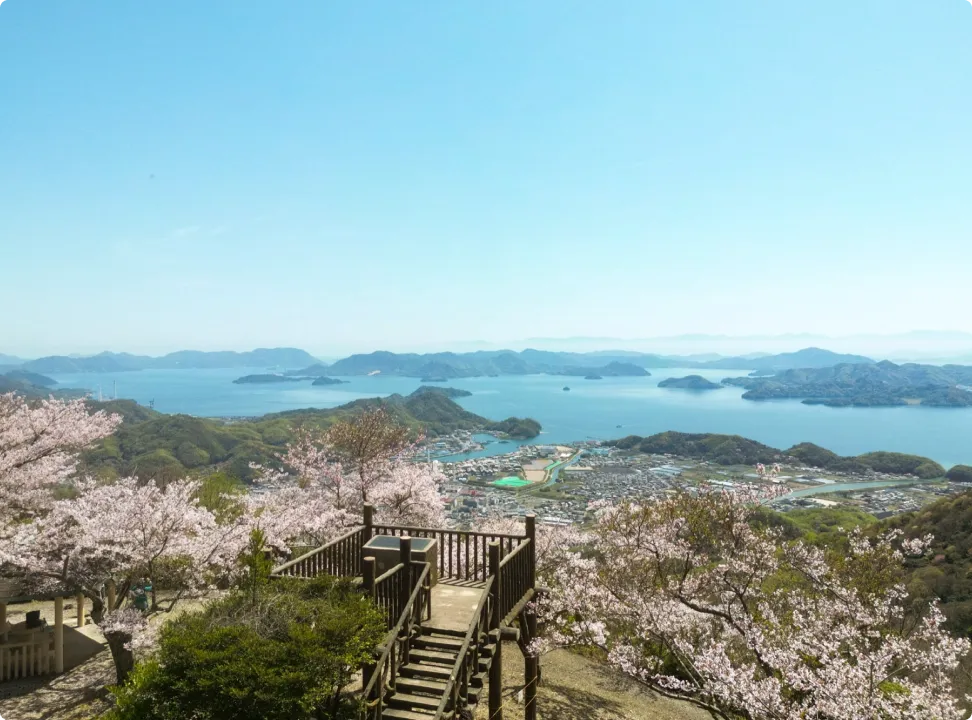
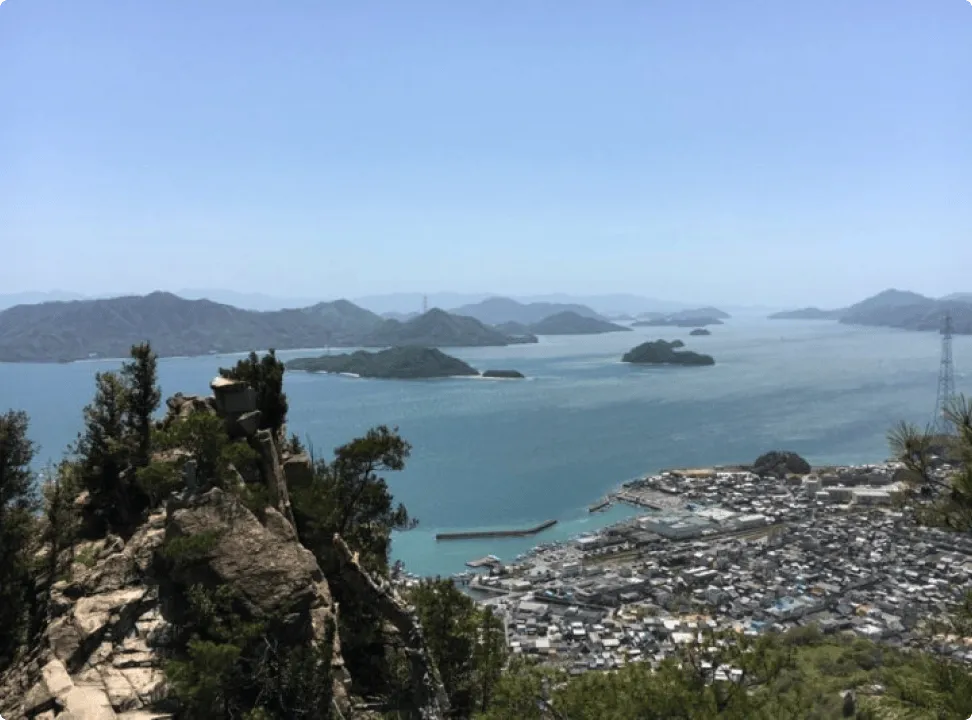
The mountain where Potte and the others cheered up a girl after heartbreak. You can take in sweeping views of Takehara’s city area and the islands of the Seto Inland Sea.
This is where Sayomi accidentally got her car stuck with a wheel off the road.
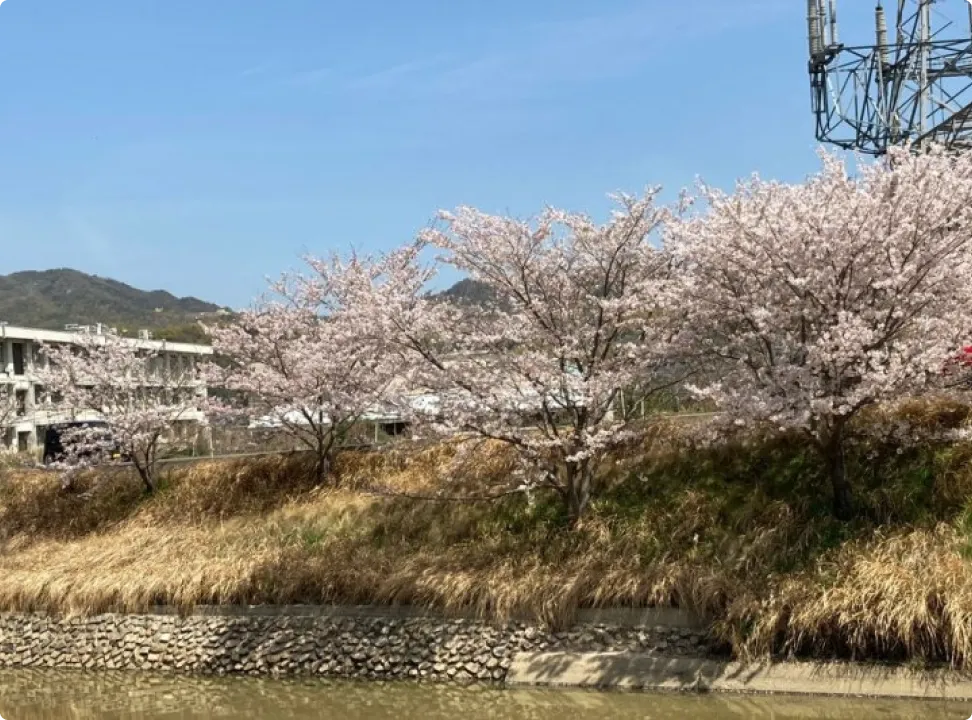
This is where Norie and Maon became friends.
The bamboo grove where Momoneko-sama and a wild boar had an epic showdown. It’s also famous for producing tender, fragrant bamboo shoots. In spring, you can even try bamboo-shoot digging.
A parking area where Sayomi took everyone for a break on the way from central Takehara toward Mt. Kurotaki on foot. In reality, it’s quite far from central Takehara, so we recommend going by car.
This is the station where Chihiro, a friend from Yokosuka, got off by mistake, thinking it was Takehara Station. Tadanoumi has sightseeing spots like the Aohata Jam Deck and Mt. Kurotaki.
A hall on the mid-slope of Mt. Kurotaki (266 m), where Chihiro and the people of Takehara deepened their friendship. In spring, cherry blossoms bloom in full around the hall.
The setting of “Tamayura” extends beyond Takehara City to nearby areas like downtown Kure and Osakishimojima.
Head west from Takehara on the JR Kure Line. These are spots in Kure City featured in Episode 8.
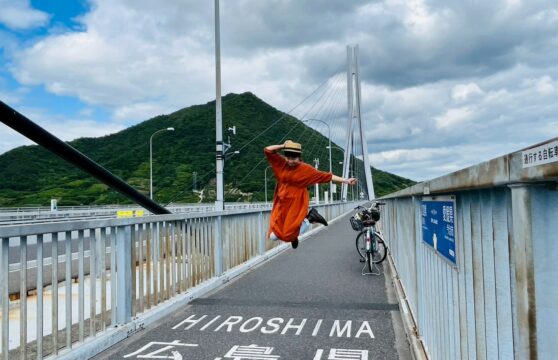
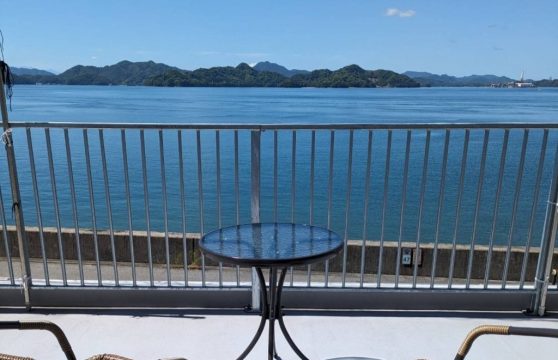
An island with deep ties to Maon.
You can drive via the Tobishima Kaido, or take a ferry from Takehara Port via Osakikamijima.
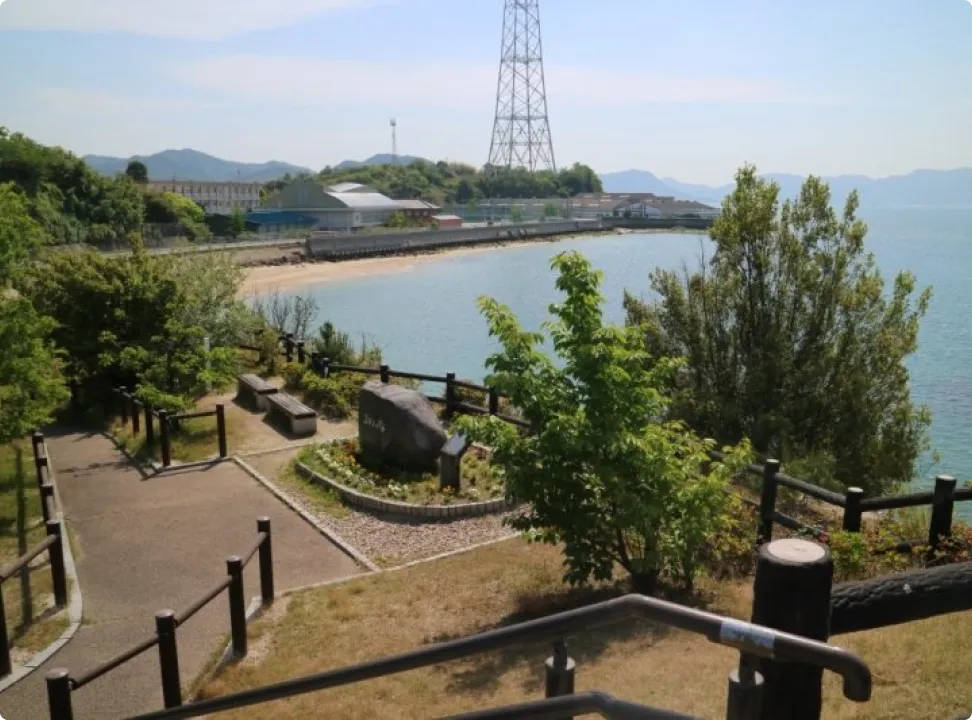
A park overlooking the Mitarai district, where Maon first learned to whistle as a child. You can also see the Kurushima Kaikyo Strait and the mountains of Shikoku.
A historic theater built in 1937 that Maon admired, and where Potte and the others performed a staged reading.
Mitarai’s streets, still filled with the atmosphere of an Edo-period port town, are depicted in detail in Episode 4. Ocho Port also appears.
As the setting of the anime “Tamayura,” it’s also a charming town that seems to softly embrace everyone who visits.
Please come and experience the warmth, light, and breeze that Potte and the others felt for yourself.