A One-Day Hiroshima Walk Even Locals Would Take

Course: 日帰りコース
Add to My Travel Plan
A One-Day Hiroshima Walk Even Locals Would Take

A One-Day Hiroshima Walk Even Locals Would Take By Jessie I can hardly believe I’ve been living in Hiroshima for nearly nine years. What began as my student life slowly turned into a career, and somewhere along the way, this city quietly became home. Strangely enough, my family still hasn’t visited me here yet (don’t worry—we’re on great terms!). Instead, it’s usually friends who fly in and tell me they “just want to see where I live.” When they ask for recommendations, I don’t hand them a checklist of tourist spots. I give them the route I genuinely enjoy myself. This is a record of one of those days—starting from the airport and heading east—rediscovering a side of Hiroshima that feels familiar yet always reveals something new.

Day 1

1.

Starting with a Sense of Freedom

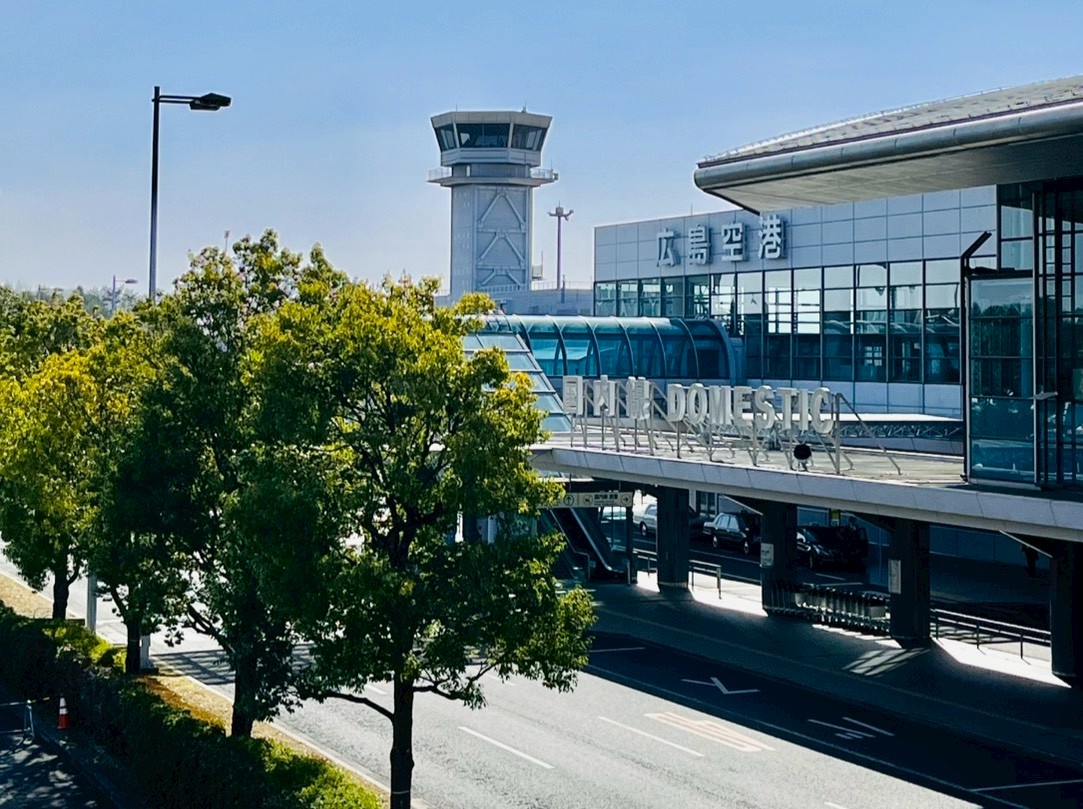
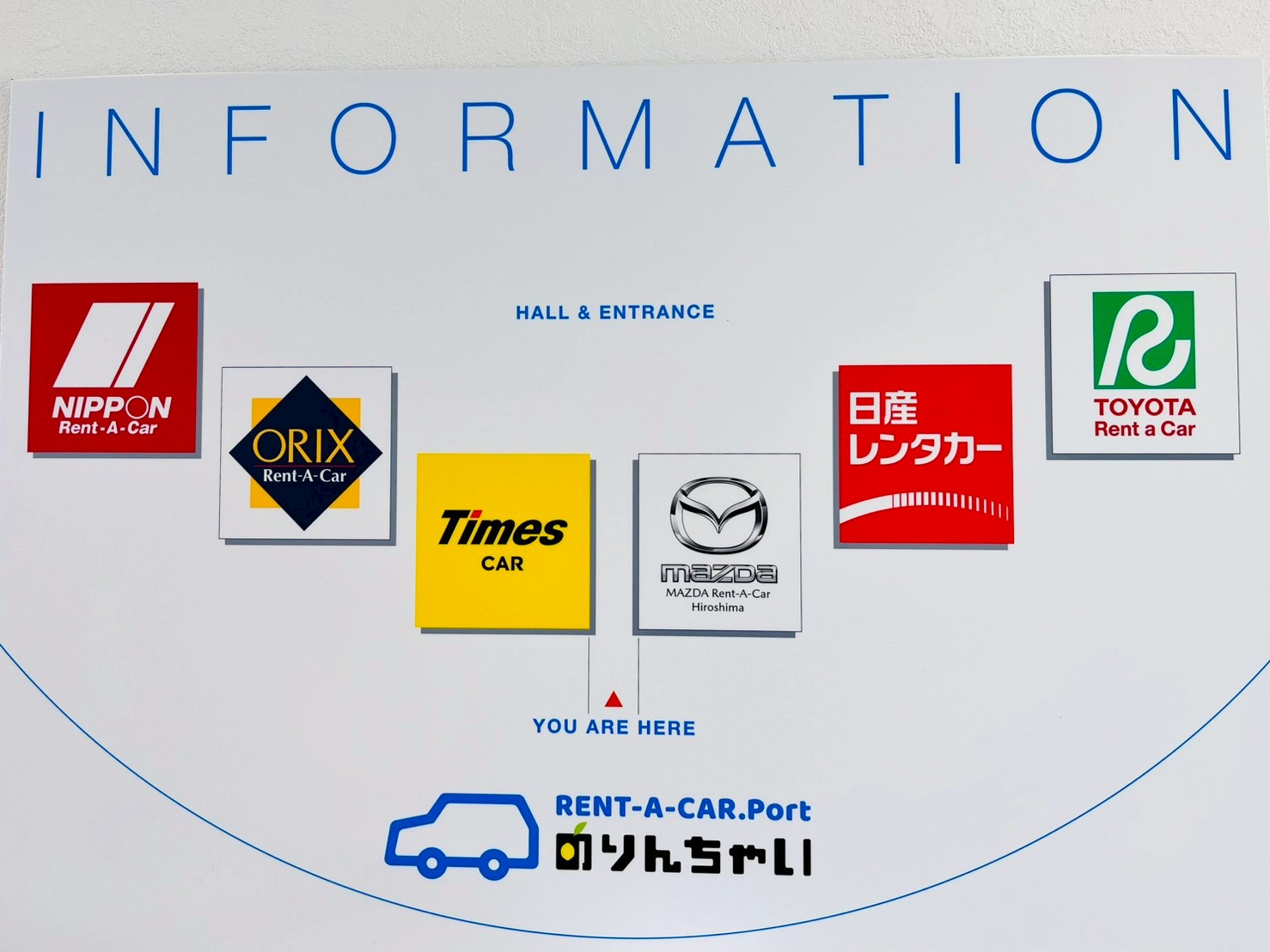
After landing at Hiroshima Airport, most visitors instinctively head for the limousine bus. But if you want to travel at your own pace, renting a car is a fantastic alternative.
Several rental counters are located right inside the airport, making it incredibly easy to get on the road. For those wanting to explore beyond the city center and venture into quieter suburbs or coastal towns, having your own car offers both freedom and peace of mind.

https://www.hij.airport.jp/en/access/rentalcar.html
2.

Okunoshima: Where Time Slows Down

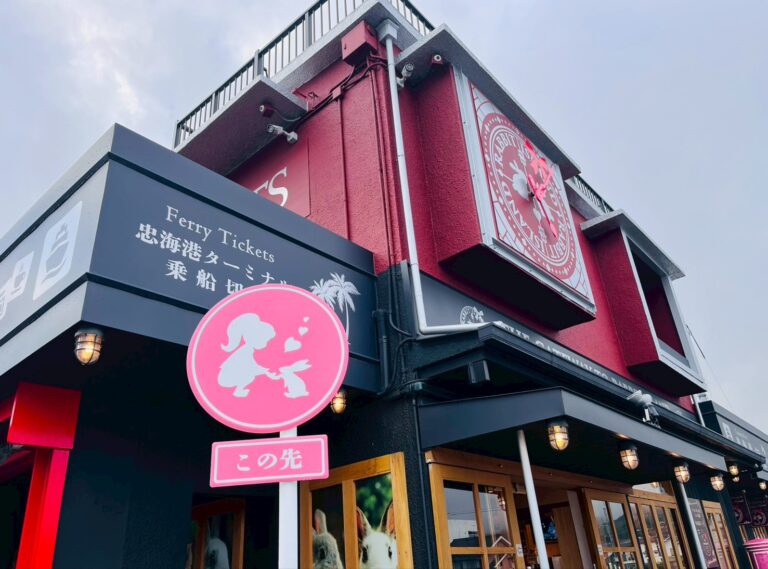
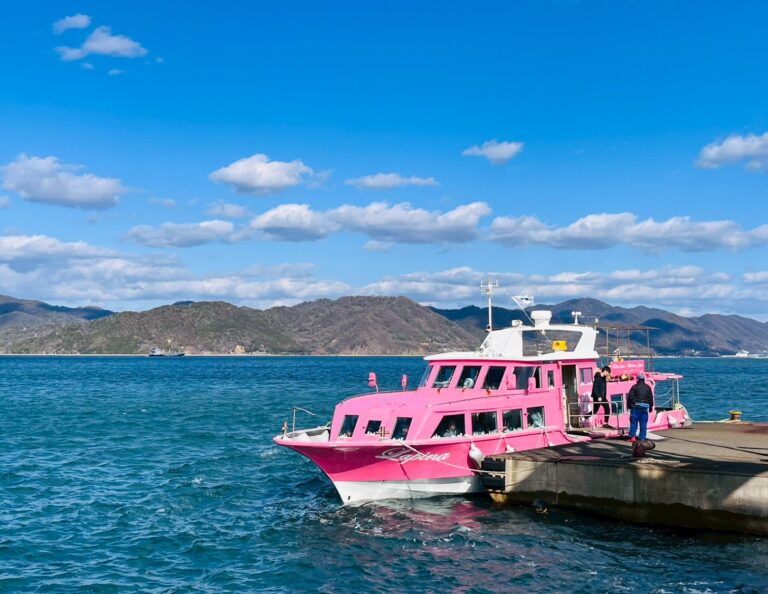
From the airport, it’s a scenic drive to Tadanoumi Port. After grabbing tickets at the charming pink ferry terminal—famously known as the “Gateway to Rabbit Island”—it’s just a short boat ride to Okunoshima.
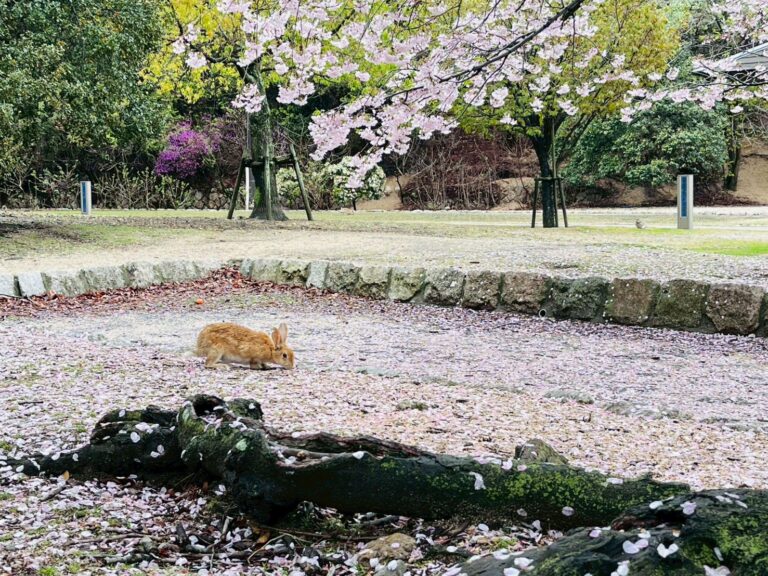
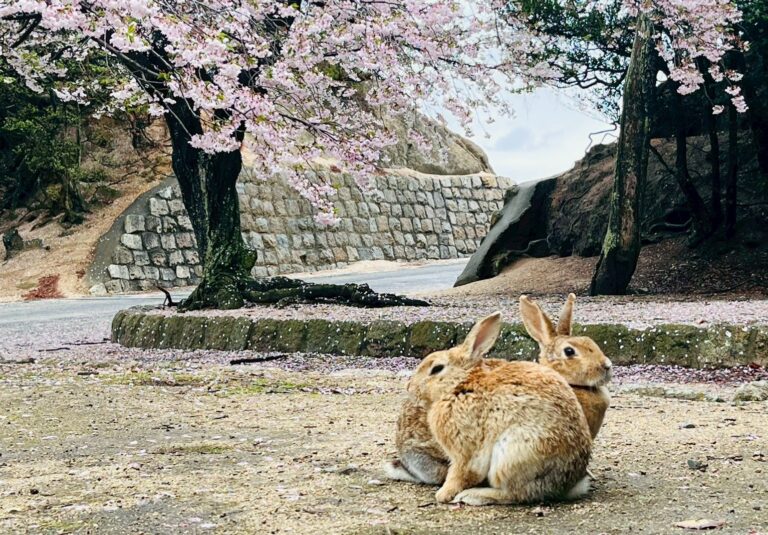
The ferry ride is brief, but the moment you leave the dock, the pace of life shifts. Once you arrive, rabbits are everywhere. Some hop right up to greet you, while others lounge lazily in the shade. There’s no need for a strict itinerary here; simply wander the island paths and let the sea breeze wash away the stress of daily life.
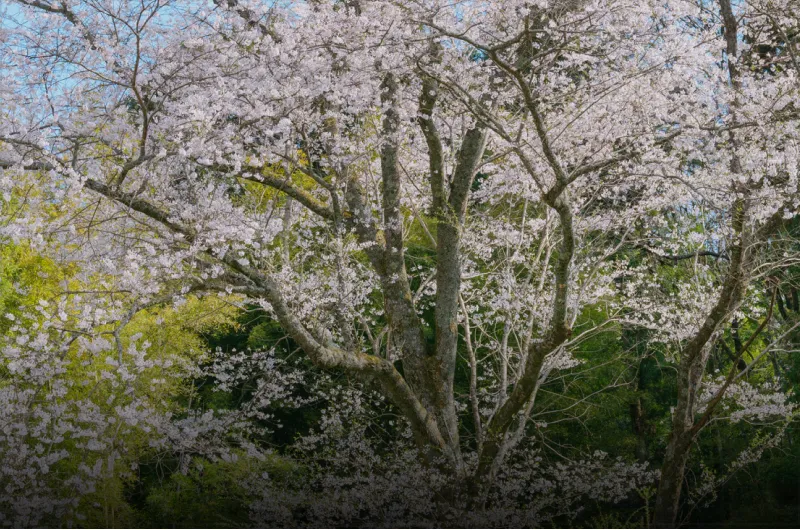
Every season has its charm, but spring is especially magical. Watching rabbits hop through drifting cherry blossom petals is a sight you won’t soon forget.
3.

A Taste of Tradition: Lunch in Takehara

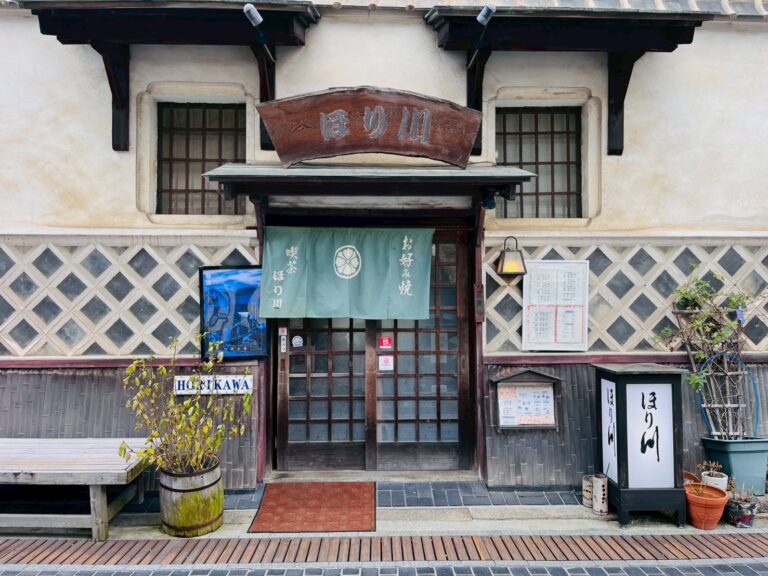
A short drive from the port brings you to the historic town of Takehara—an ideal place for lunch. We headed to Okonomiyaki Horikawa, tucked away in the beautifully preserved district. The restaurant is housed in a traditional building that blends seamlessly into the old streetscape.
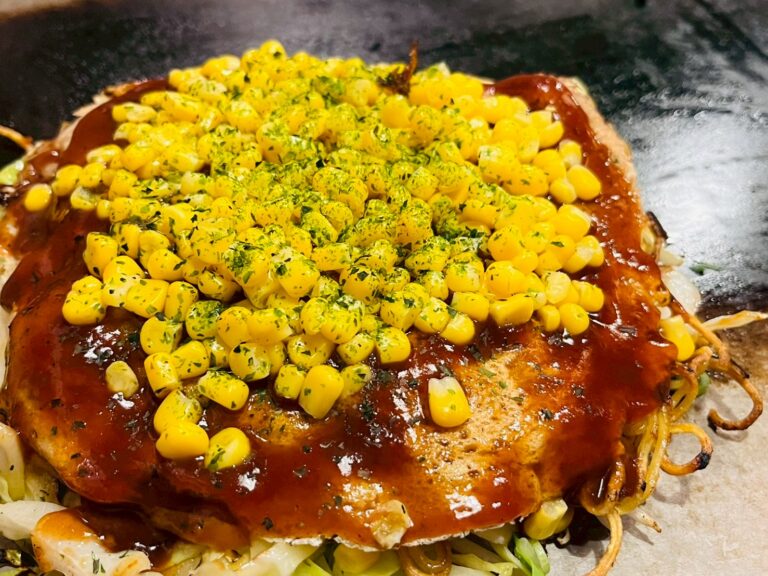
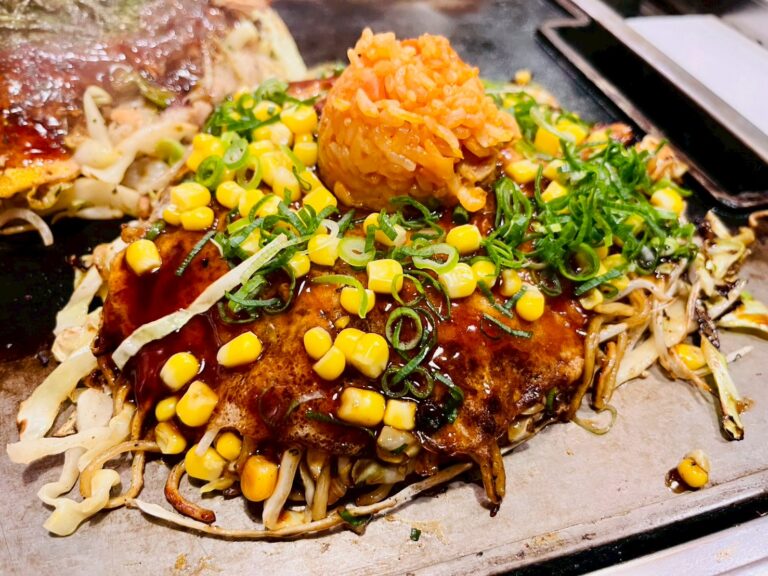
Hiroshima-style okonomiyaki is true local soul food, and Horikawa prepares it wonderfully. What I appreciate most is that they offer vegetarian-friendly options as a natural part of their menu, not as an afterthought. Their vegetable okonomiyaki—filled with corn, green onions, and cabbage—is simple, honest, and incredibly satisfying.
We also tried their Hoboro-yaki, a specialty inspired by the anime Tamayura, featuring a unique chicken rice ball topping.
Business Hours
11:00 AM – 2:00 PM (L.O. 1:30 PM) 5:00 PM – 7:30 PM (L.O. 6:30 PM)
Closed
Wed (Open on public holidays.)
Location
See on Google Maps
4.

The Streets of Takehara: A Walk Through History

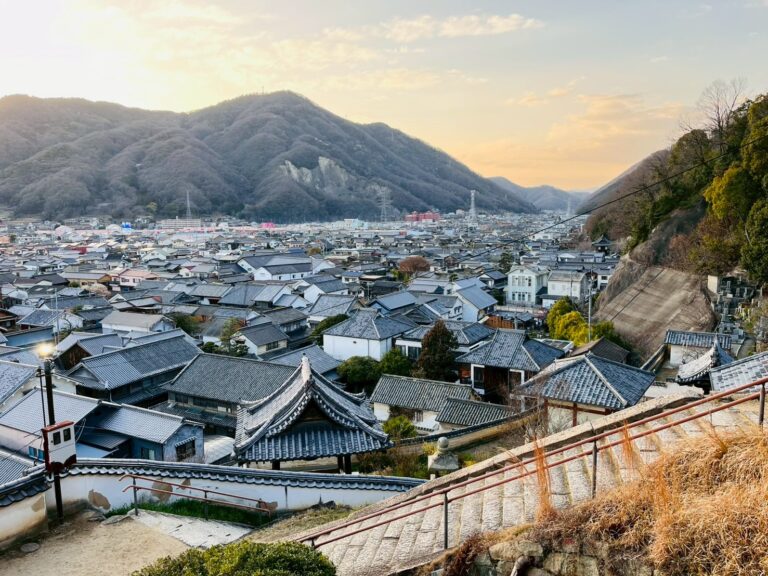
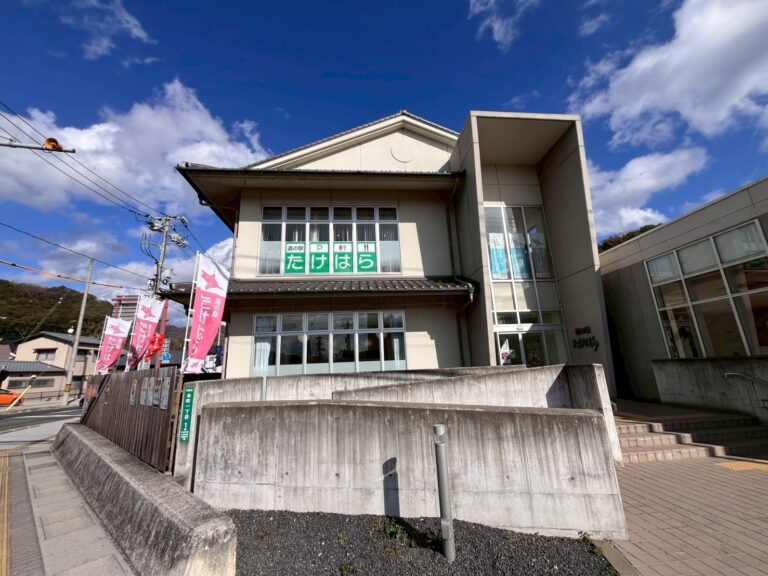
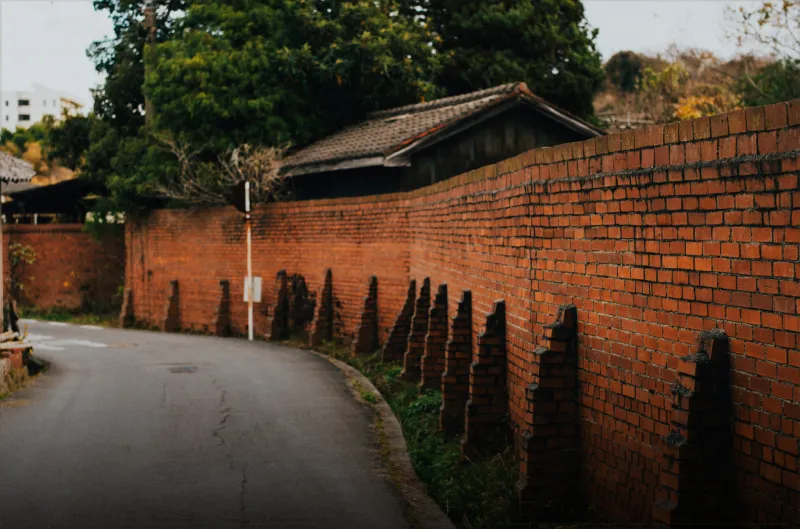
After lunch, we took a slow stroll through Takehara’s Preserved District. The atmosphere is so calm that you naturally find yourself slowing down. You begin to notice the small details—the intricate rooflines, the weathered wooden frames, the texture of old stone walls.
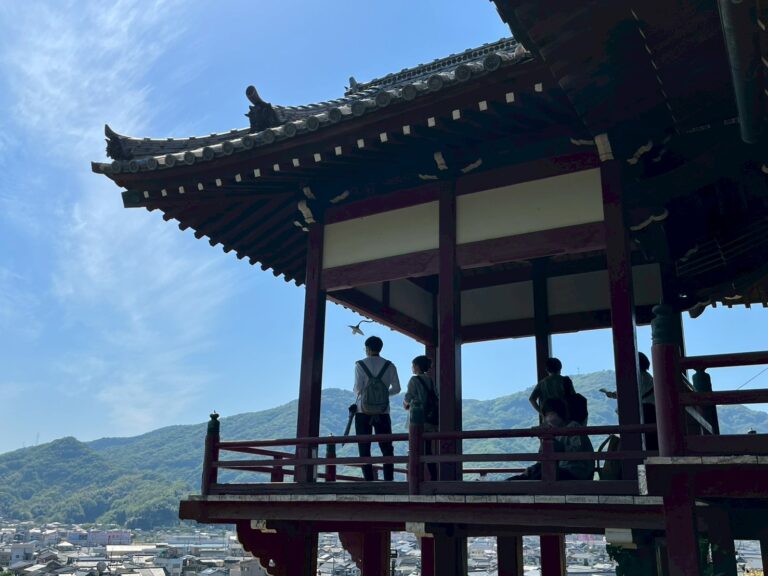
My personal ritual is to climb the steps of Shoren-ji Temple and then walk to the Fumon Pavilion at Saifuku-ji Temple. From the viewpoint, you can look out across the entire town. Every time I stand there, it feels like I’m quietly saying, “I’m back.”
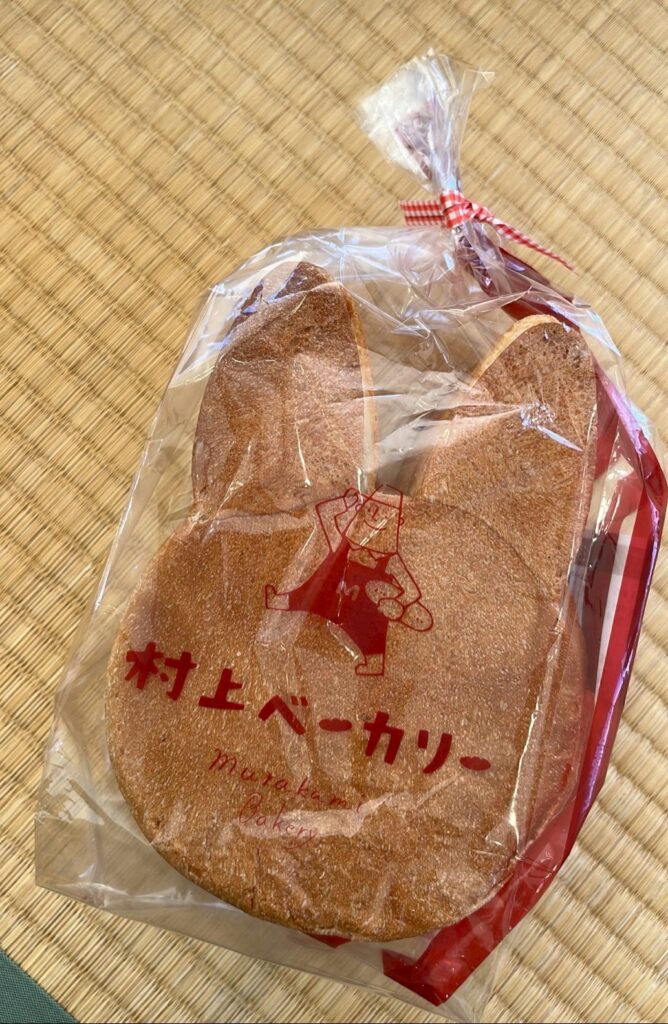
Nearby, the roadside station makes it easy to browse local products and pick up souvenirs before continuing your journey. You might even stumble upon fun surprises—once, I found rabbit-shaped bread that was both adorable and delicious. Takehara isn’t a place to “check off”; it’s a place to wander, pause, and simply be.
5.

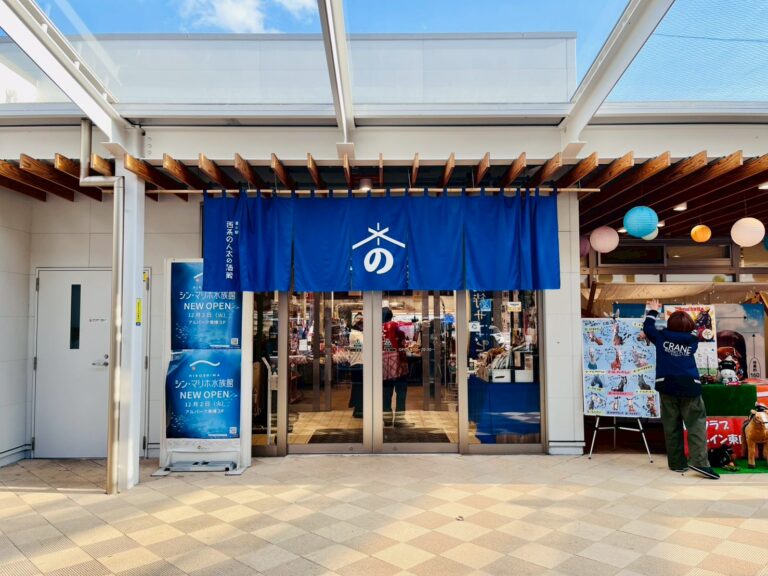
A Quick Pit Stop: Nonta no Sakagura

Driving from Takehara toward Higashihiroshima, we made a quick stop at the Nonta no Sakagura roadside station. It’s a treasure trove of local sake, sweets, and handmade crafts. I always lose track of time browsing the local produce.
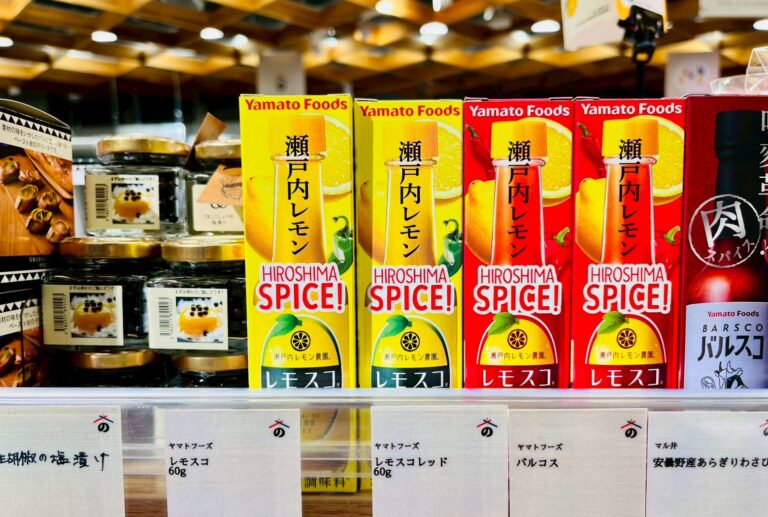
Personally, I can’t recommend their lemon chili sauce enough—I put it on everything from pasta and pizza to fried chicken. It’s the perfect local souvenir.
6.

Dinner in the Heart of Sake Country: Chūshingura

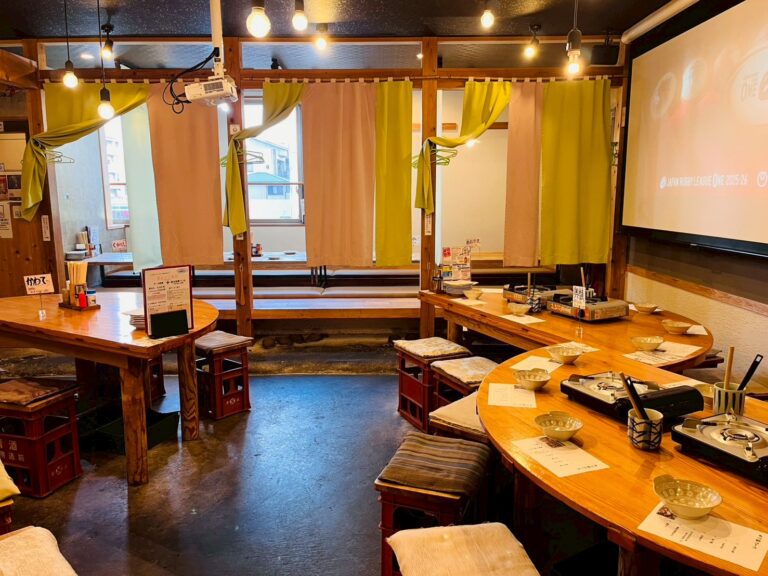
For dinner, we headed to Chūshingura, an izakaya near JR Saijō Station and the famous Sake Brewery Street. The atmosphere is relaxed and welcoming. It’s also very vegetarian-friendly, which is a huge plus when traveling with people who have different dietary needs.
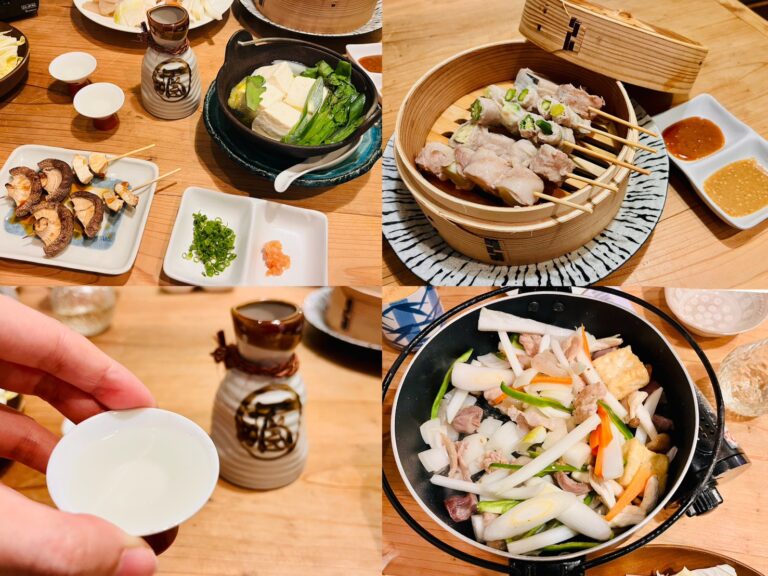
We shared tofu and king oyster mushroom dishes, steamed skewers, and a Bishunabe (a sake-based hot pot), paired—of course—with Saijō’s world-class local sake. Dining here feels less like a tourist activity and more like sharing a slice of daily life with the locals.
7.

Between Familiarity and Discovery

To me, Hiroshima is no longer just “the place where I live”—it’s my second home. This route is part of my everyday life, yet every time I share it with friends, I see it through their eyes and discover something new.
It’s about finding the extraordinary within the ordinary. And someday, I hope I’ll finally get to show my family from Taiwan around this place I now proudly call my second home.