Photogenic Girls’ Trip: Capture, Experience, and Savor

Course: Day Trip Course

Recommended Travel Season: Spring Summer Fall Winter

Add to My Travel Plan
Photogenic Girls’ Trip: Capture, Experience, and Savor

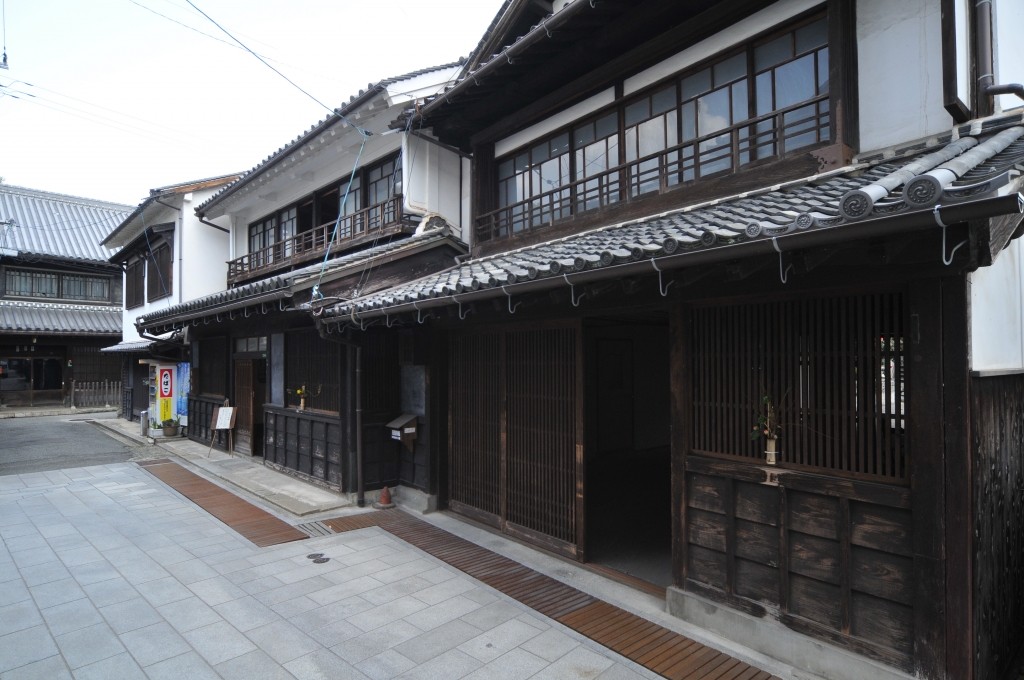
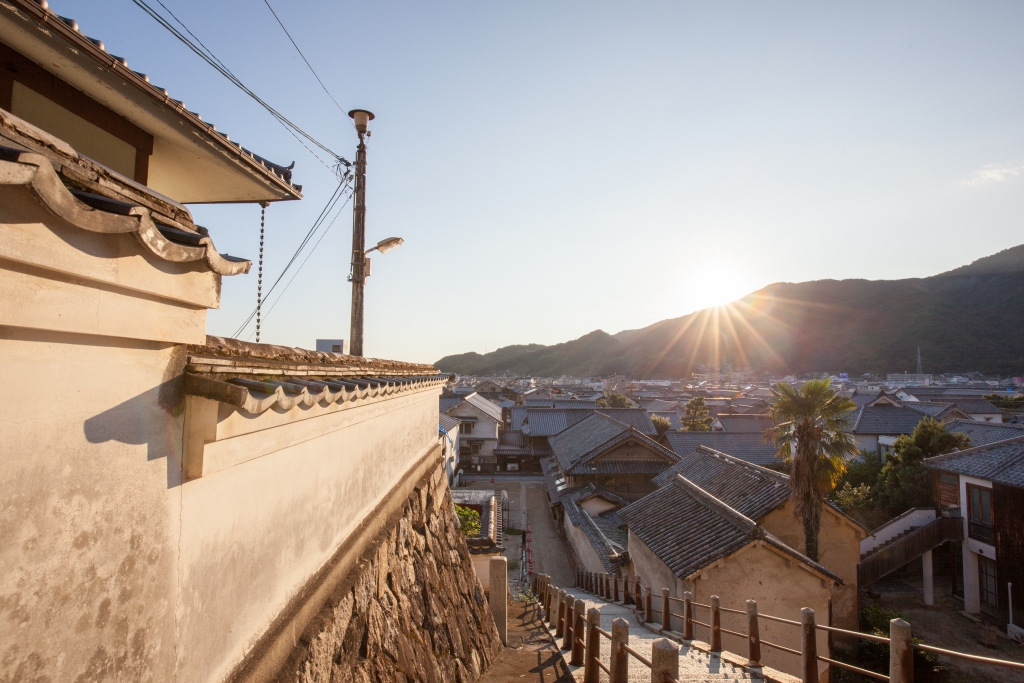
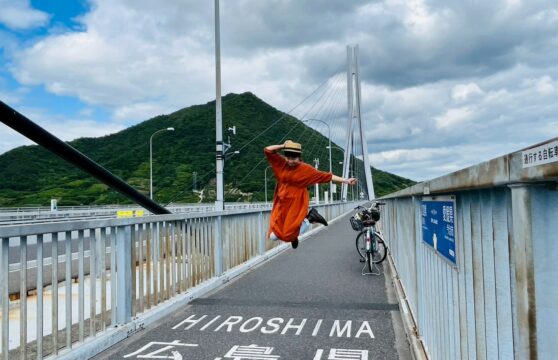
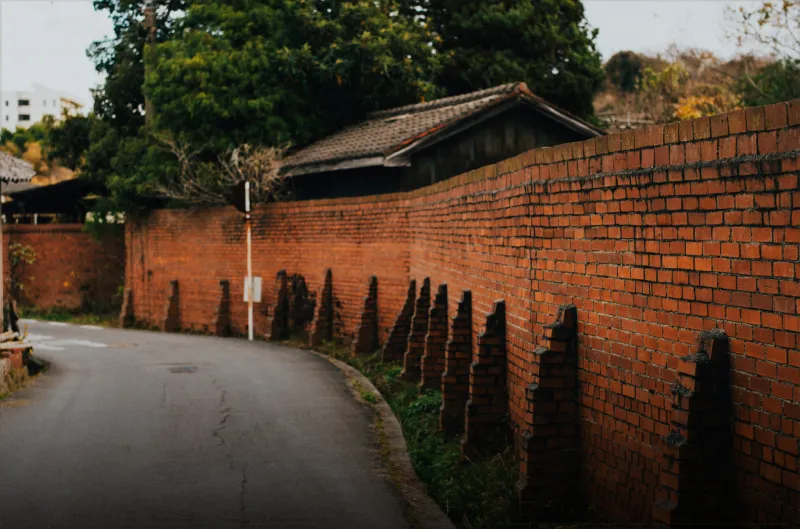
Takehara still has an old Edo-period streetscape, with plenty of picture-perfect scenery. Take a relaxed stroll through this nostalgic town, and you’re sure to snap lots of great photos! You can also use the Camera Girls website here as a reference.

Day 1

1.

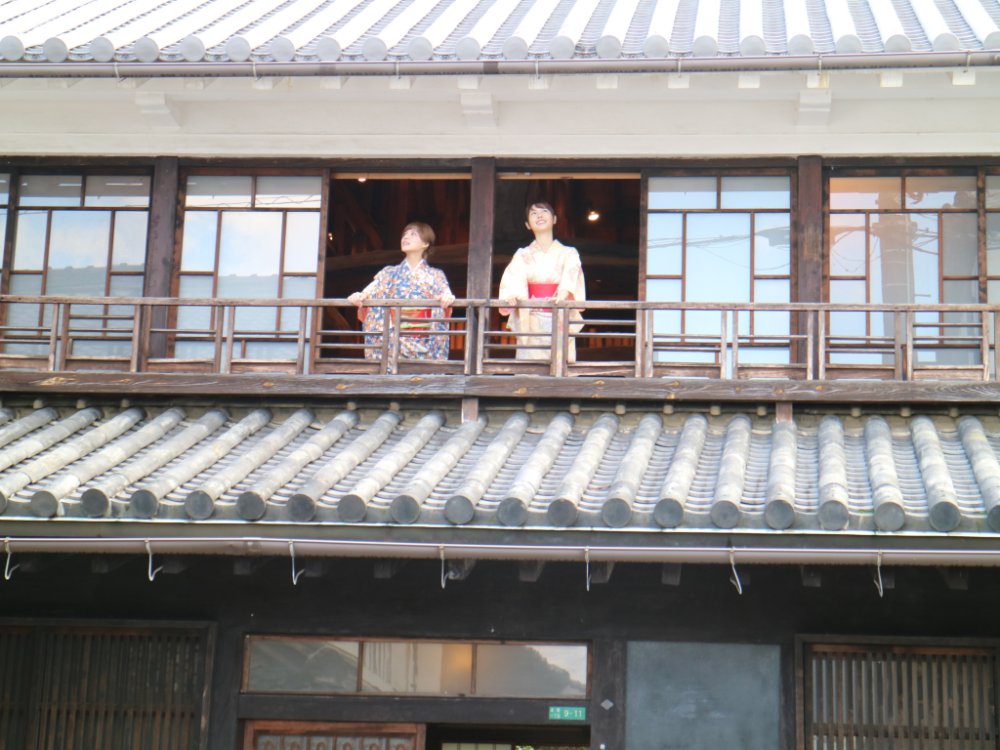
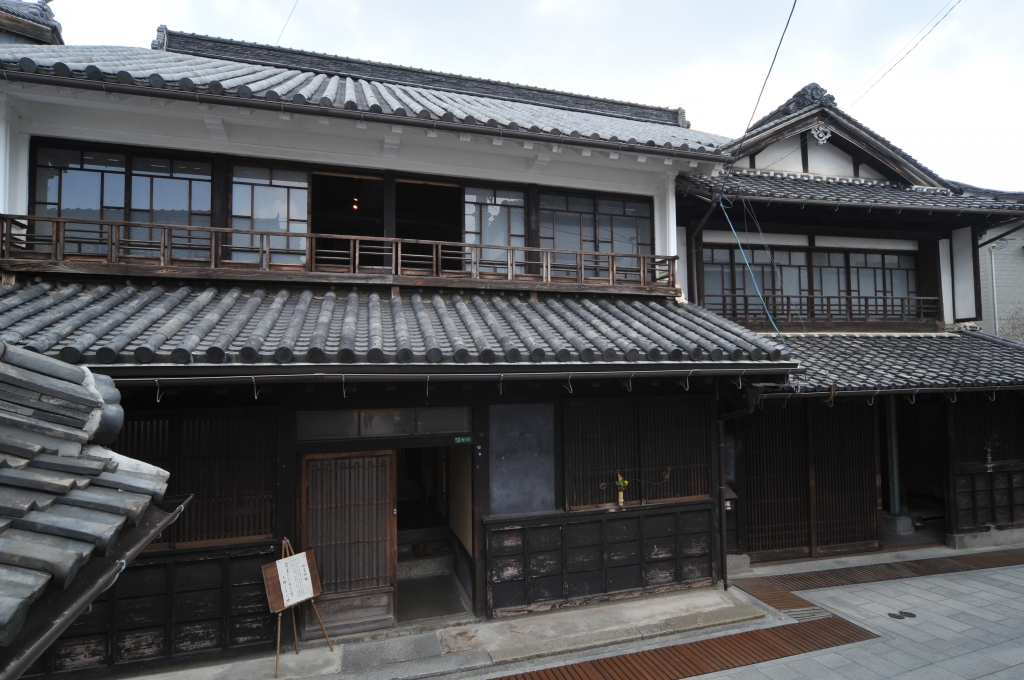
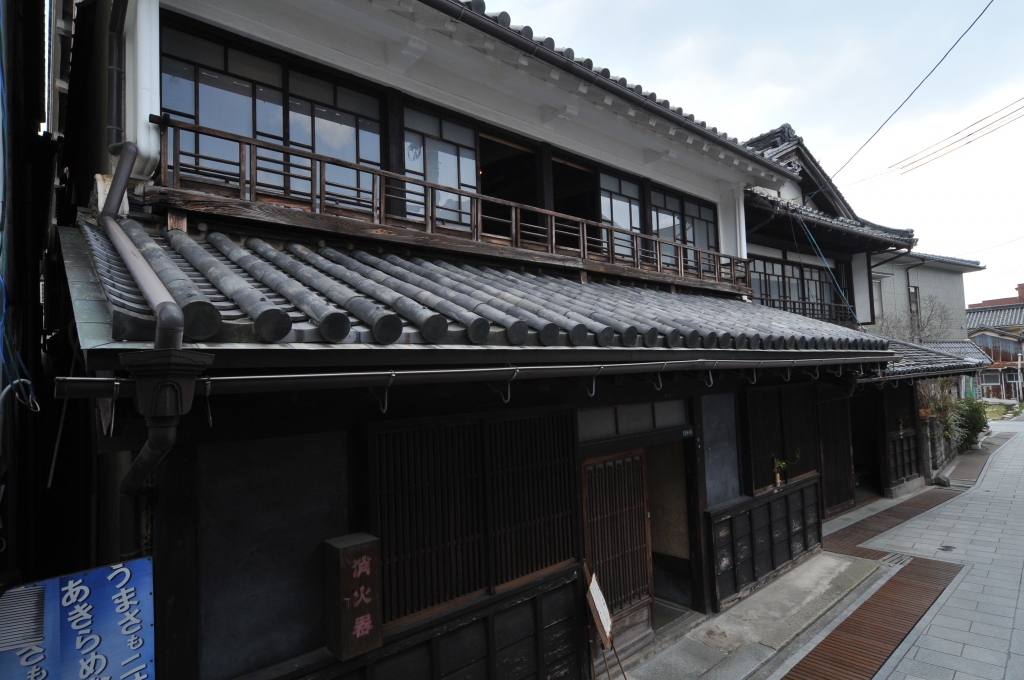
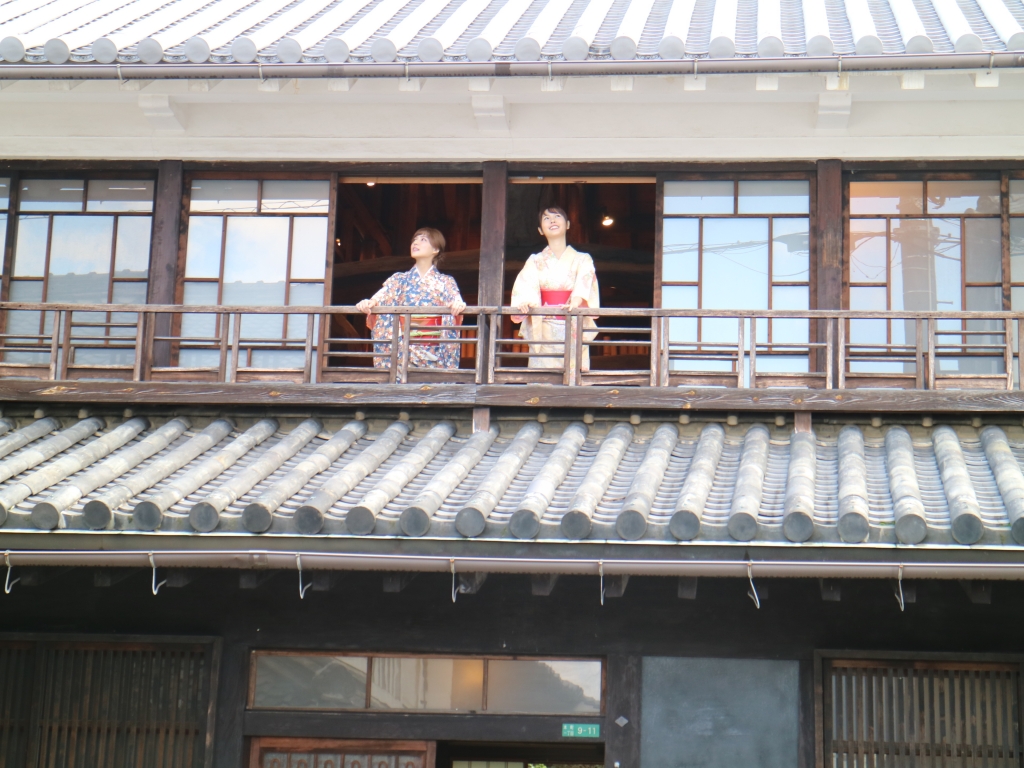
Former Kasai Residence

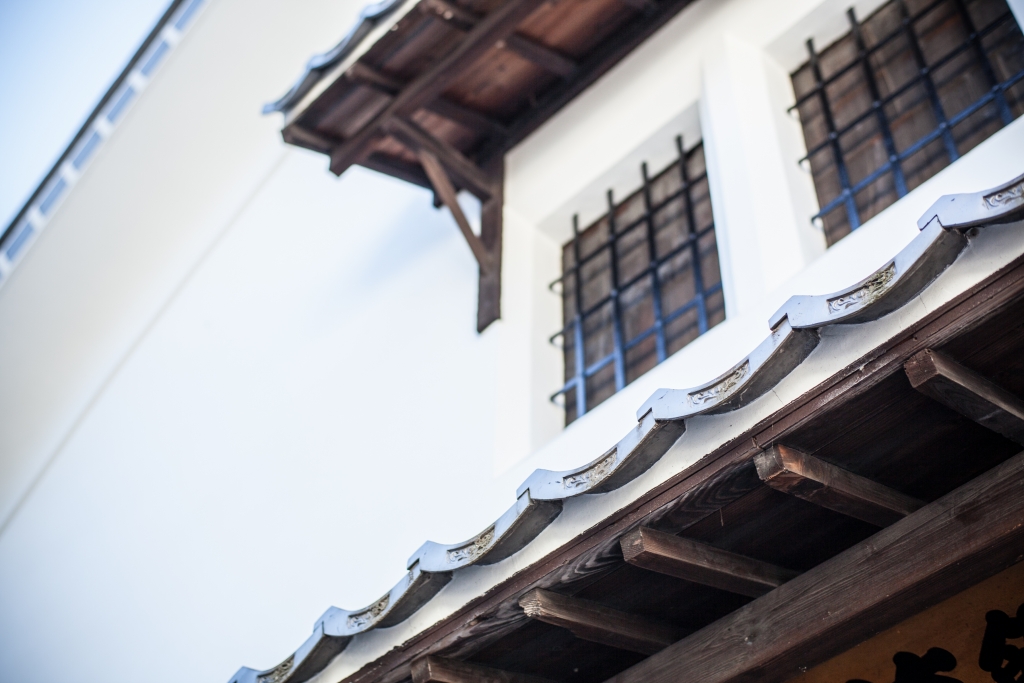
The second-floor window is a wonderful photo spot!
Built in 1872 as the home of a hamadanna (salt field owner). Features a large tiled roof and side walls. The second-floor beams are magnificent.
Used as a venue for the Hina Doll Festival and various other events.
Business Hours
10:00 AM–4:00 PM
Closed
Irregular holidays (Year-end and New Year: December 26–January 4)
3 min on foot
2.

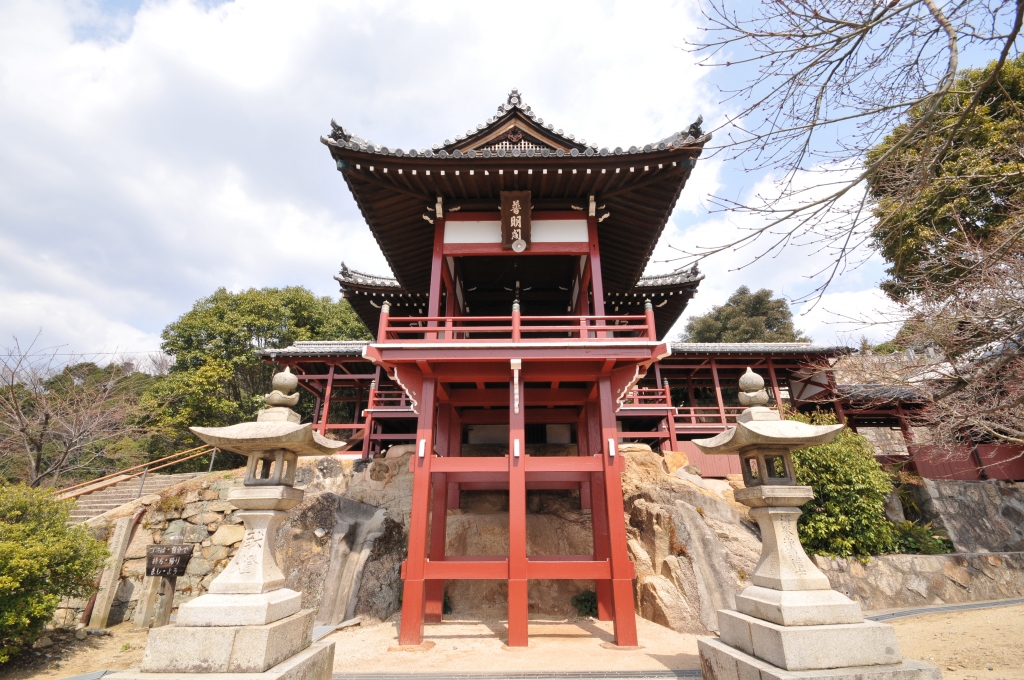
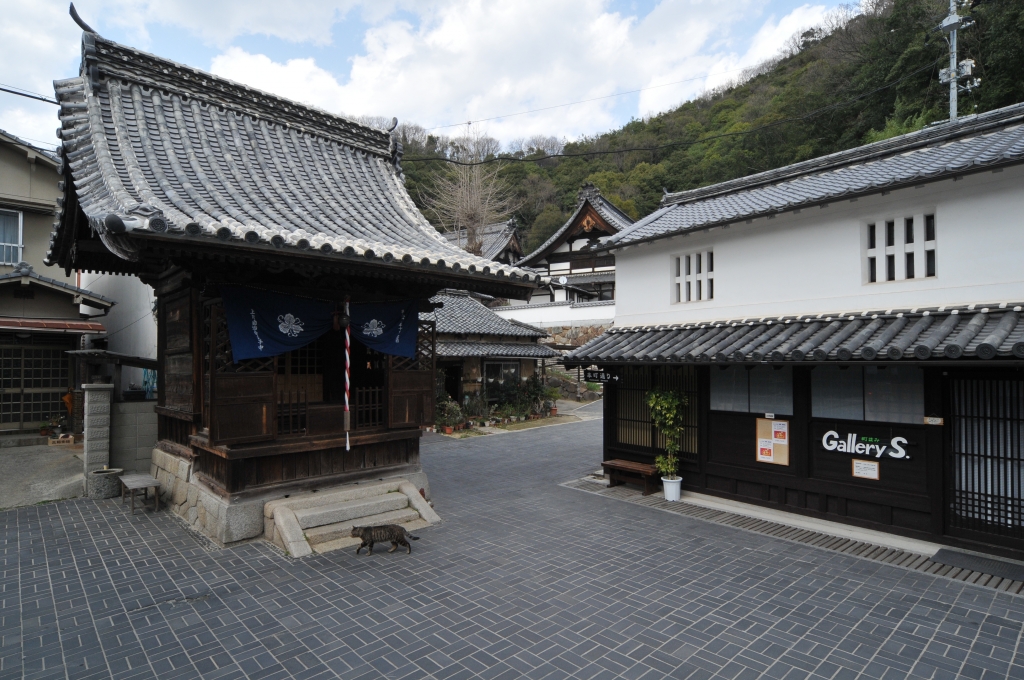
Saiho-ji Temple Fumeikaku

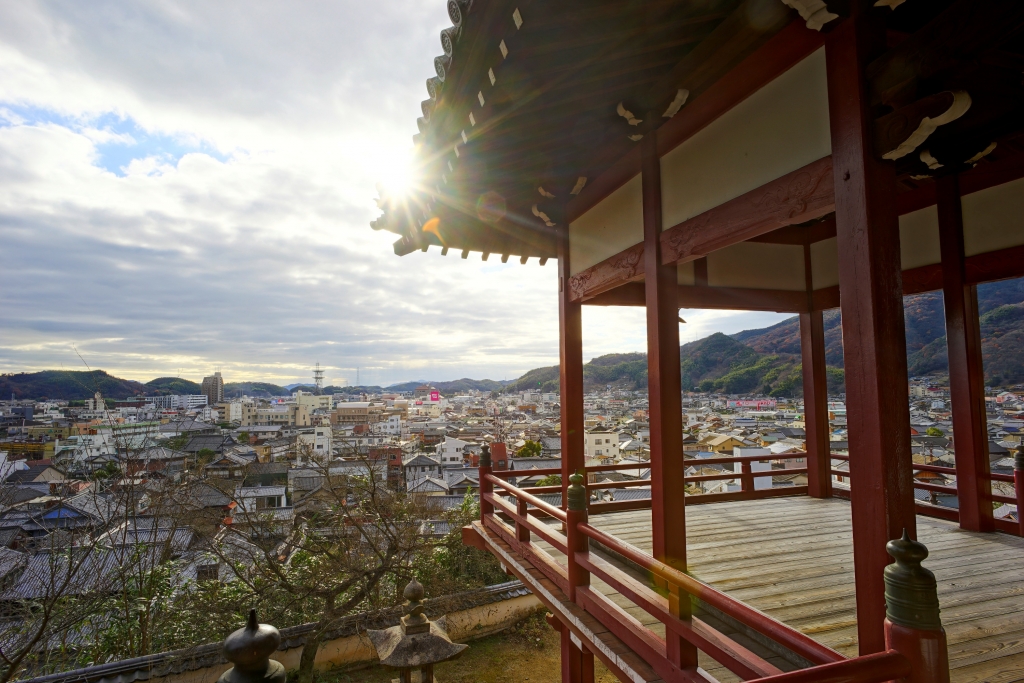
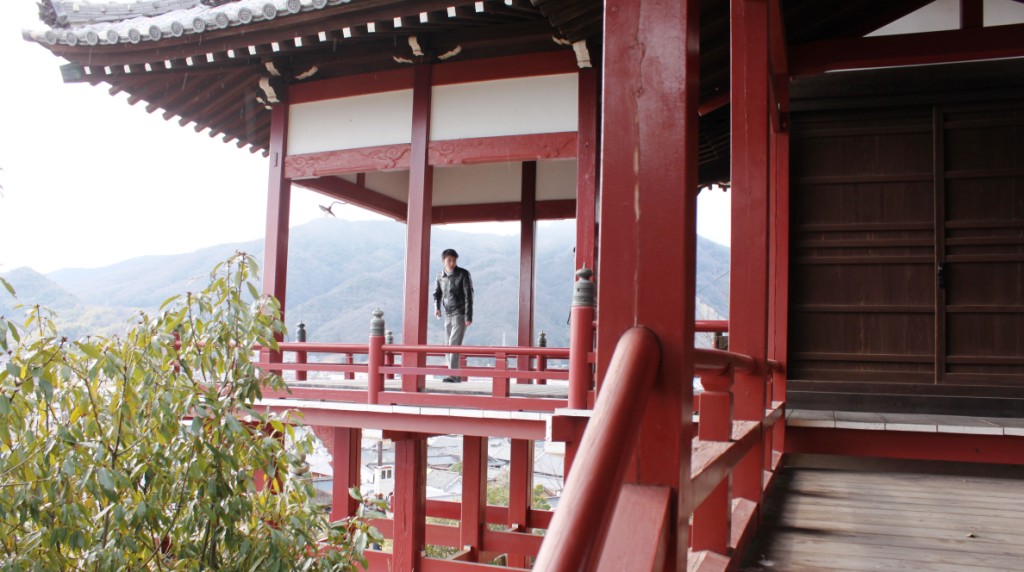
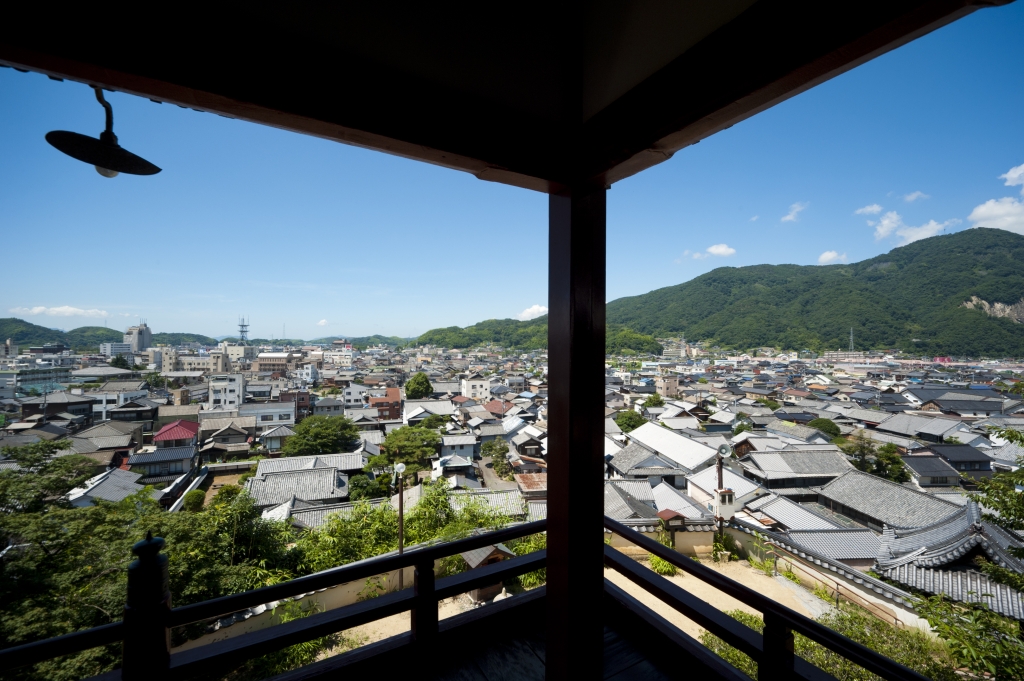
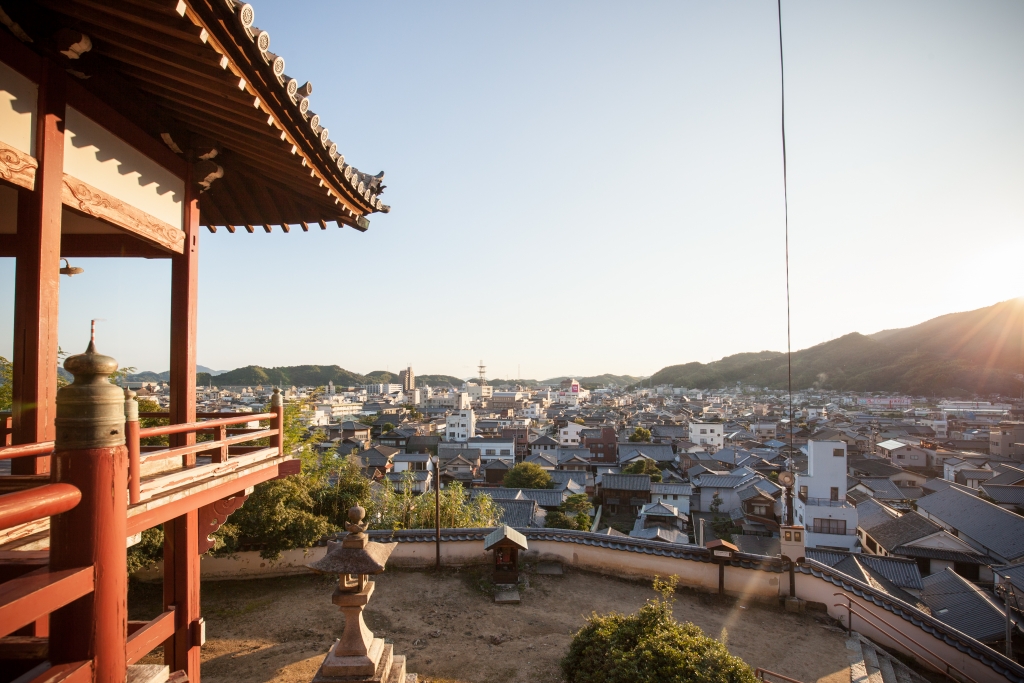
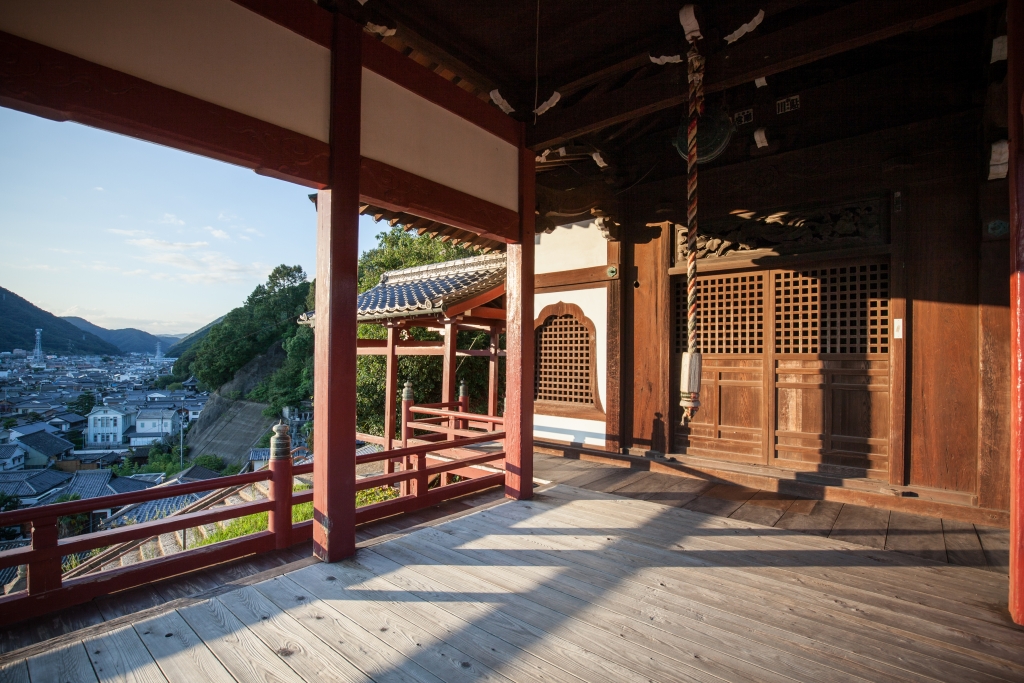
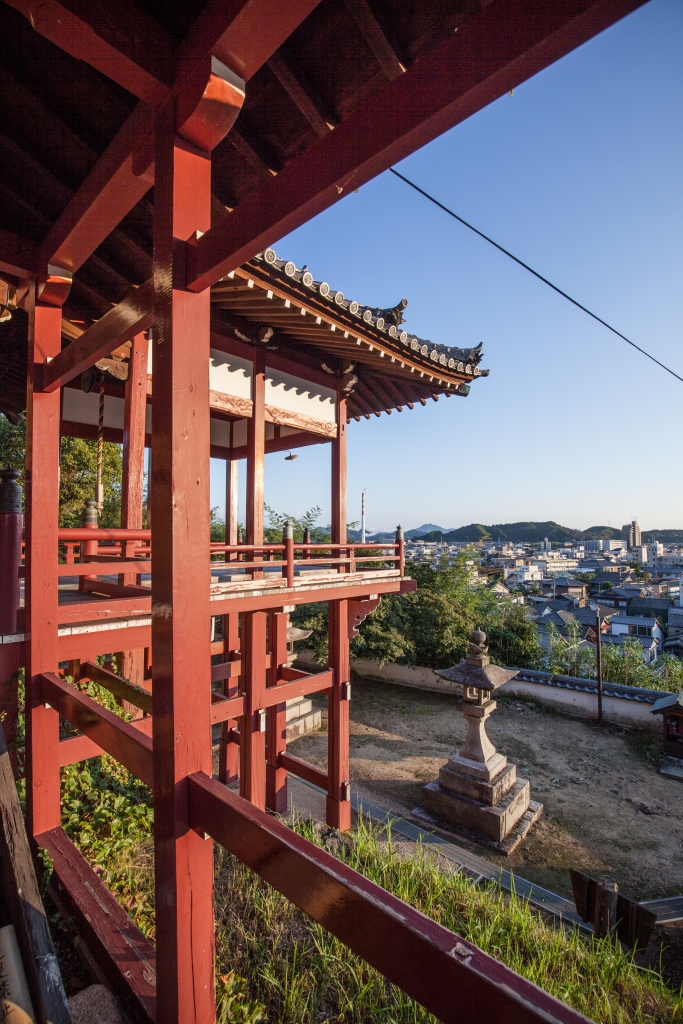
The best view of Takehara town is from here!
The view from here is spectacular!

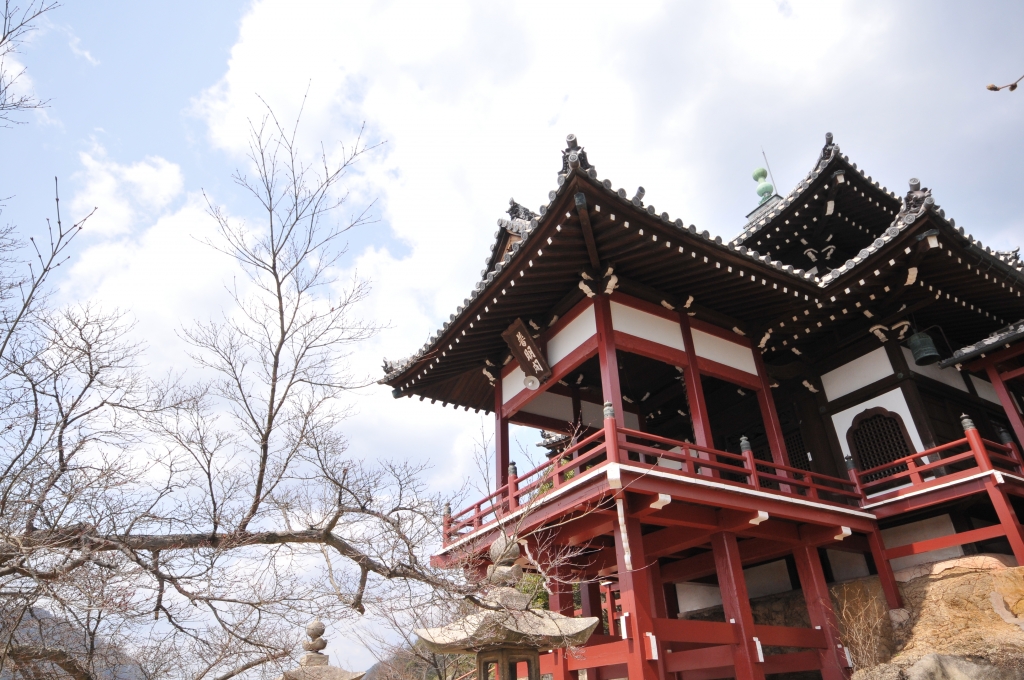
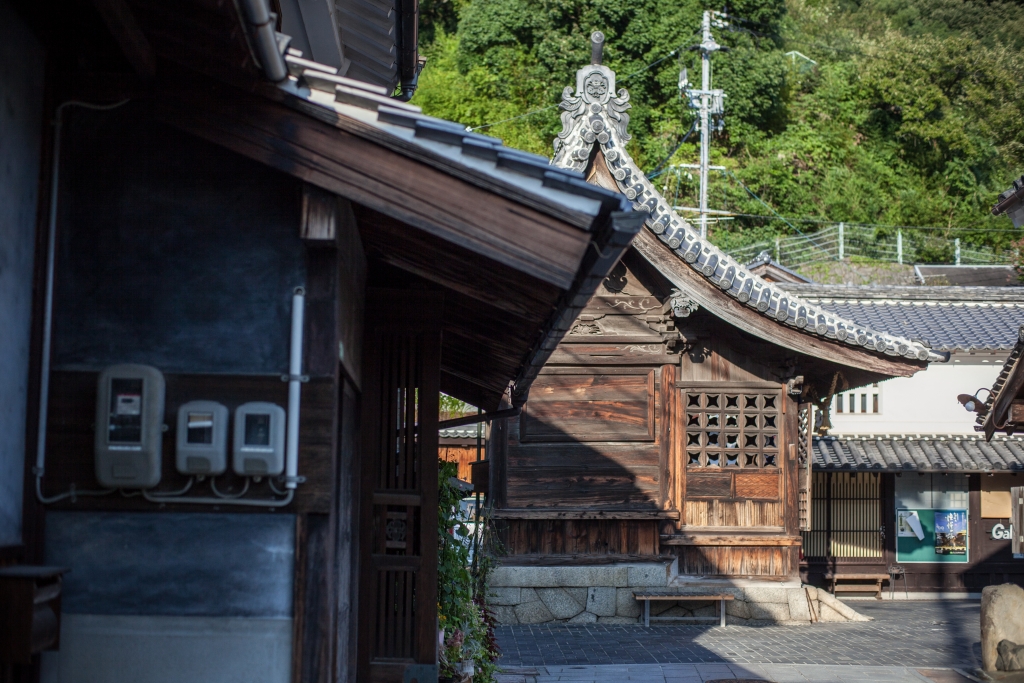
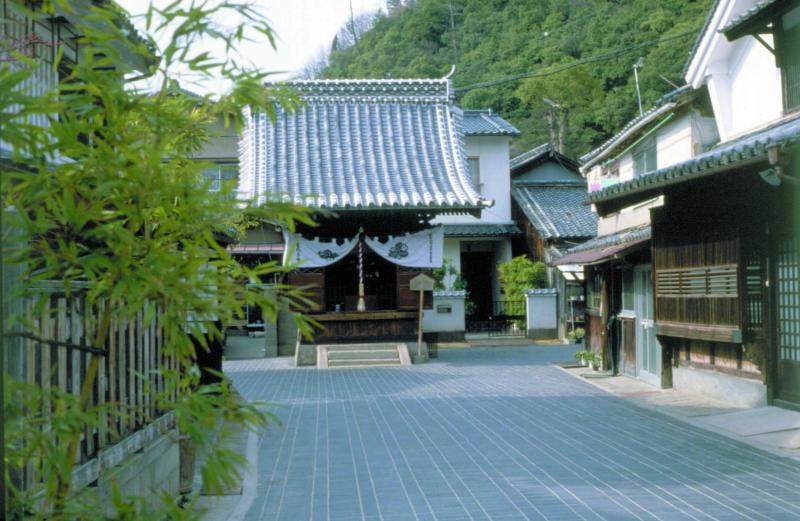
【Saiho-ji Temple】Originally a Zen temple located in Tanaka-cho next to Jizo-do Hall. A Zen temple called Myoho-ji once stood at the current site but was destroyed by fire in 1602. The following year, the temple moved to this location on the former Myoho-ji grounds and converted to the Jodo sect. The temple grounds feature the main hall, bell tower, priests' quarters, Hokkai Jizo-do Hall, and main gate. The front of the grounds features magnificent stone walls reminiscent of castle fortifications, presenting an impressive temple appearance. The main hall is a simple structure with an irimoya-style roof, single story, side entrance, tiled roof, with open front and front sides, and thick foundation beams resting on the side pillars—a typical example of mid-Edo period Buddhist architecture in this region and a valuable building. The altar follows Zen style.

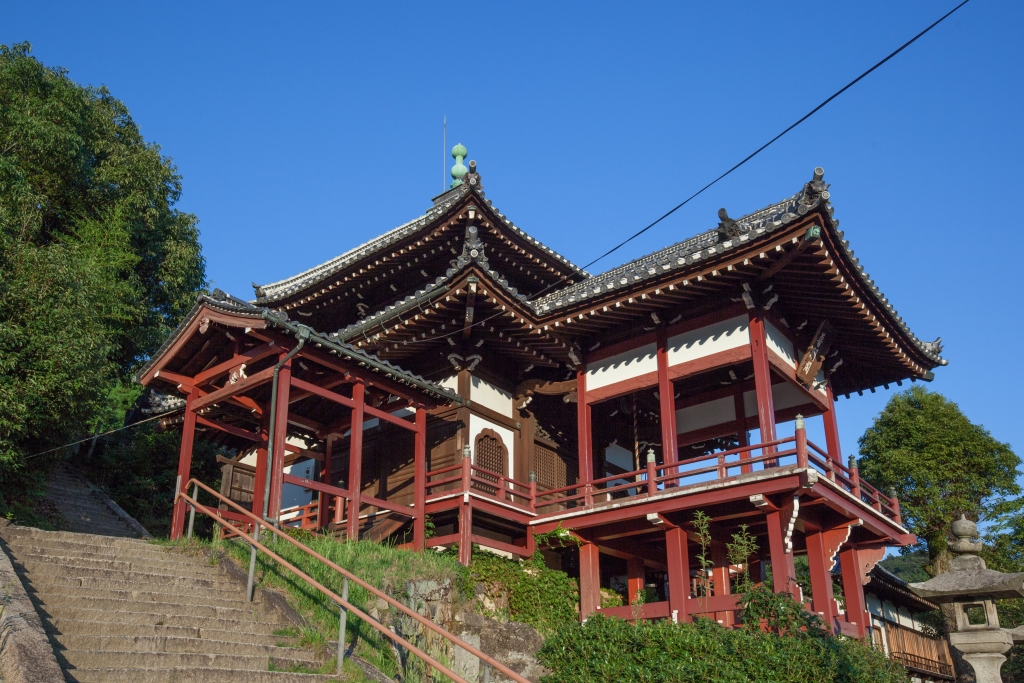
【Fumei-kaku】Located on high ground beside the Saiho-ji main hall, Fumei-kaku was built in 1758. It enshrines a wooden standing statue of the Eleven-Faced Kannon (prefectural important cultural property), which was the principal image when Myoho-ji stood on this site. Built in the same architectural style as Kyoto's Kiyomizu-dera Temple, it features a square three-bay pyramidal roof with double tiled roofing. Though relatively recent in construction date, it has a unique roof style and excellent detailed design. Visible from anywhere in town, it is an important building central to Takehara's landscape. From Fumei-kaku, you can overlook the entire town of Takehara, making it an essential destination for visitors.
Business Hours
Visiting hours: 8:00 AM – 6:00 PM (Your cooperation is appreciated.)
3 min on foot
3.

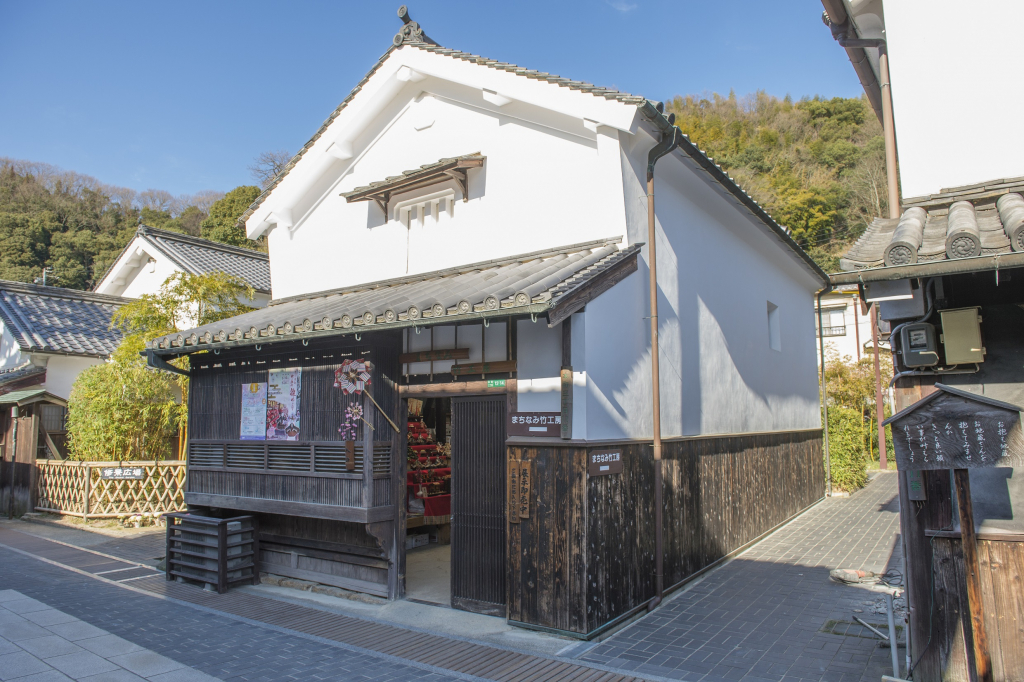
Machinami Bamboo Workshop

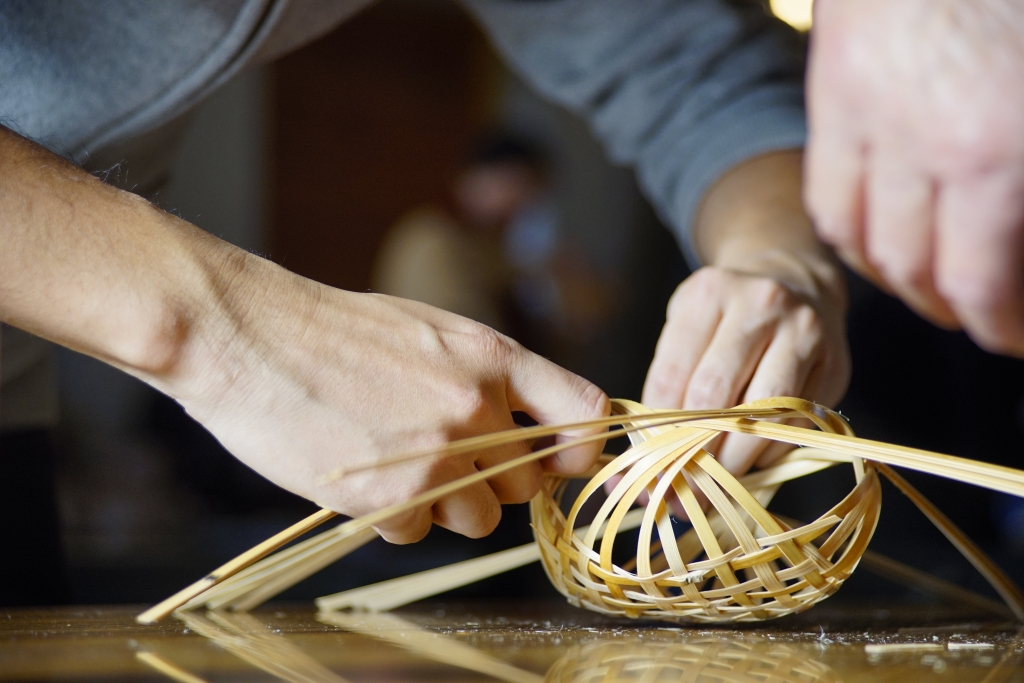
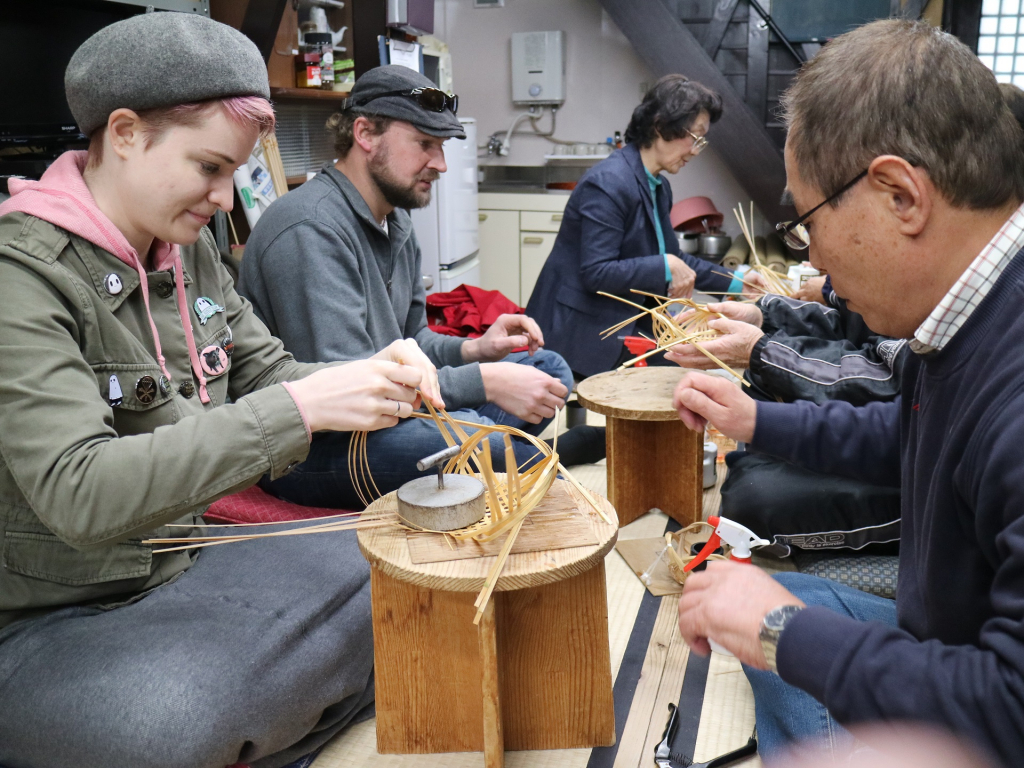
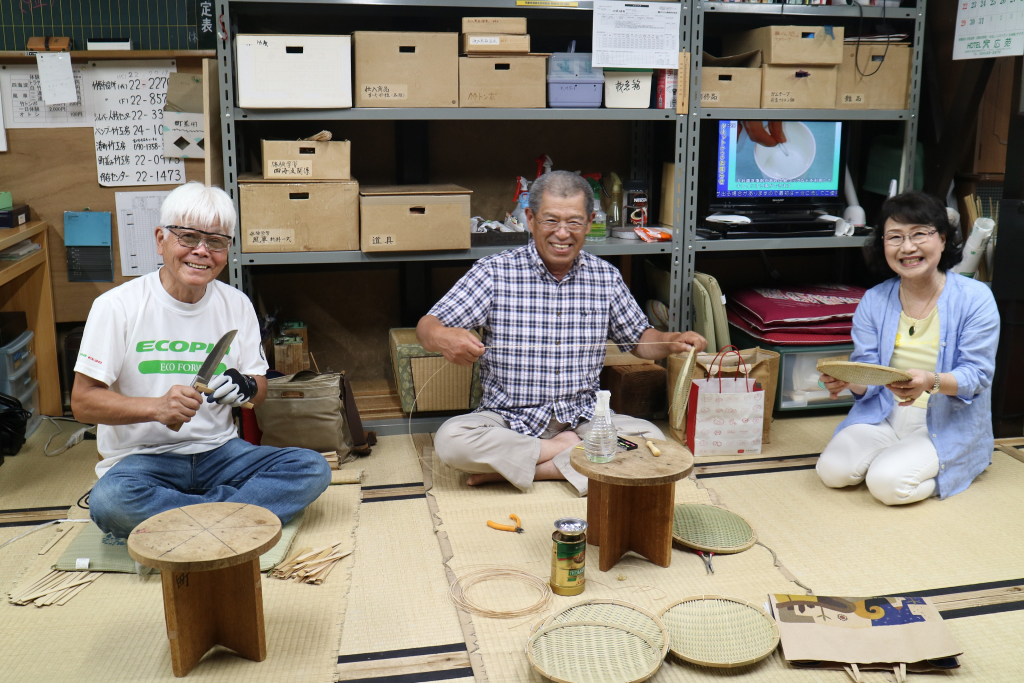
Try your hand at traditional bamboo craft with guidance from skilled artisans
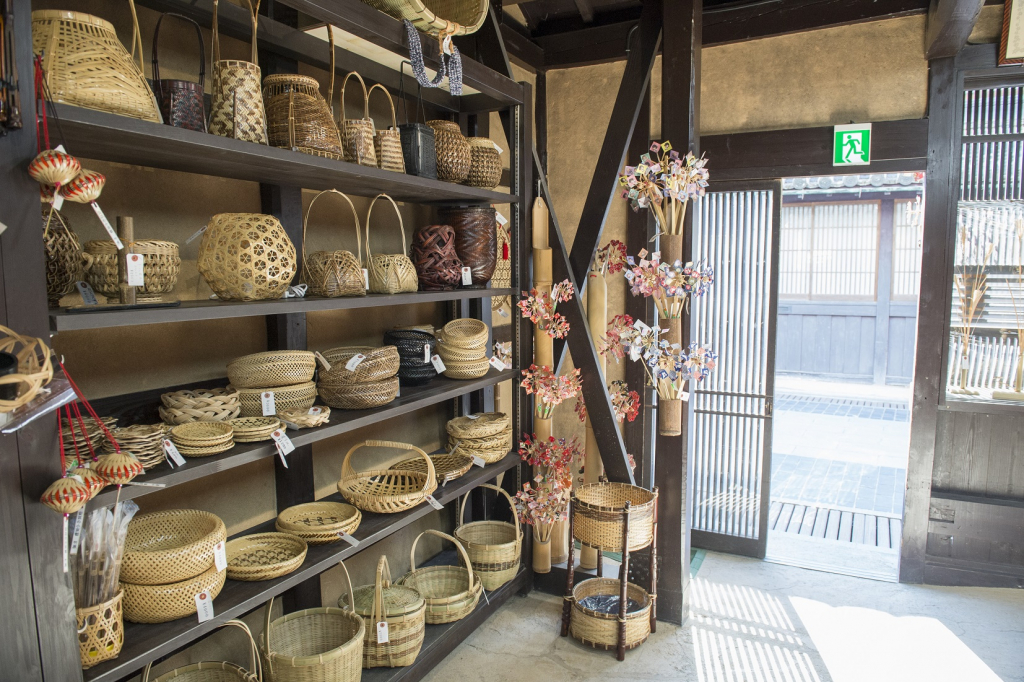
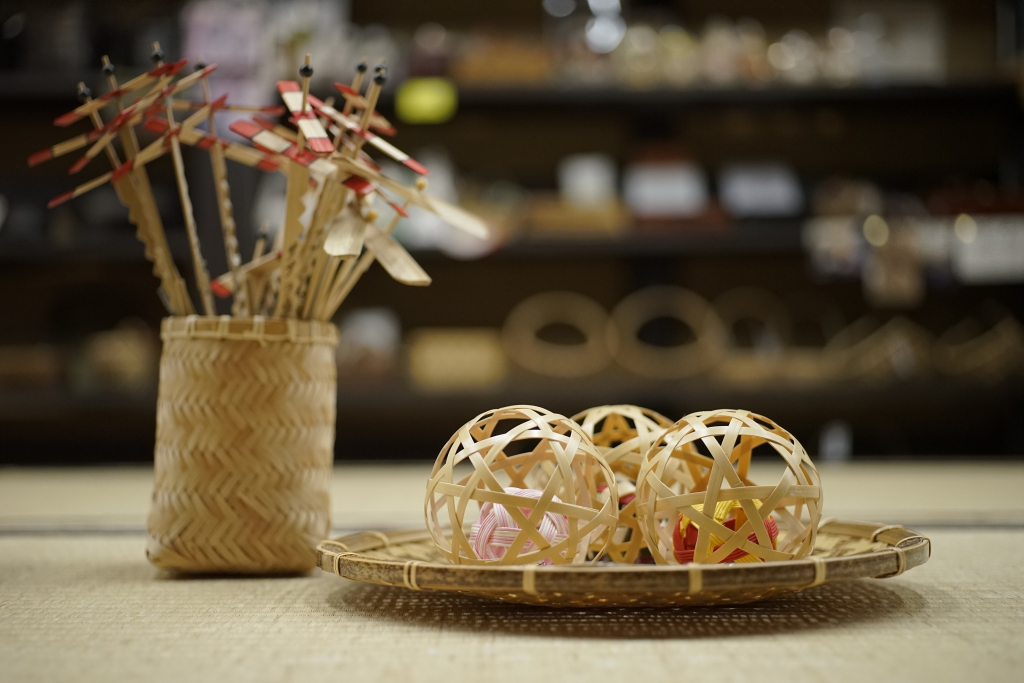
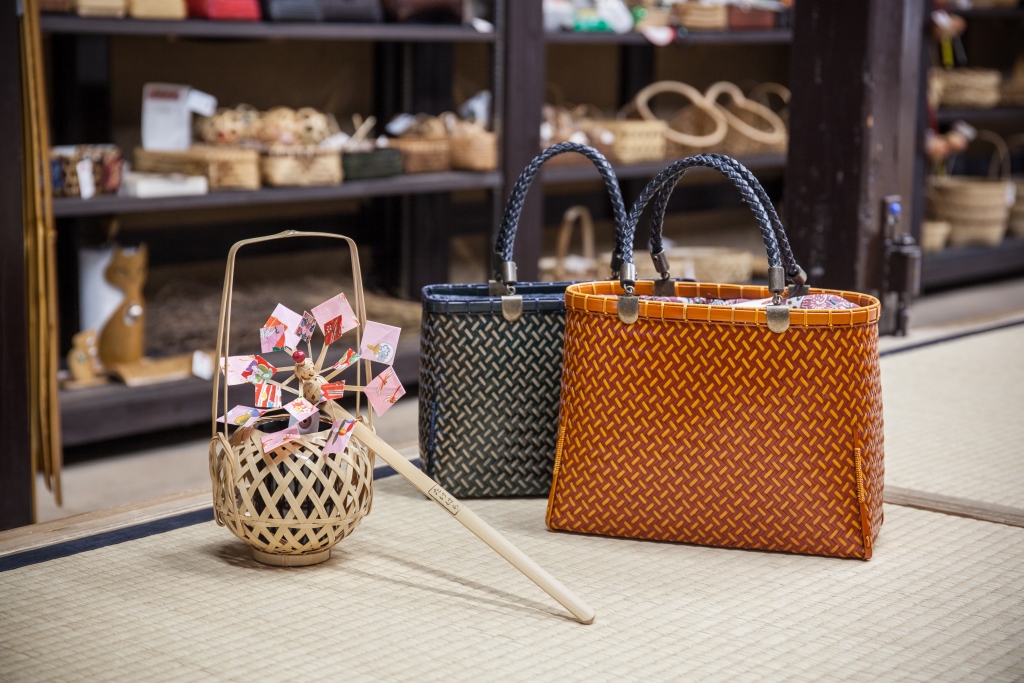
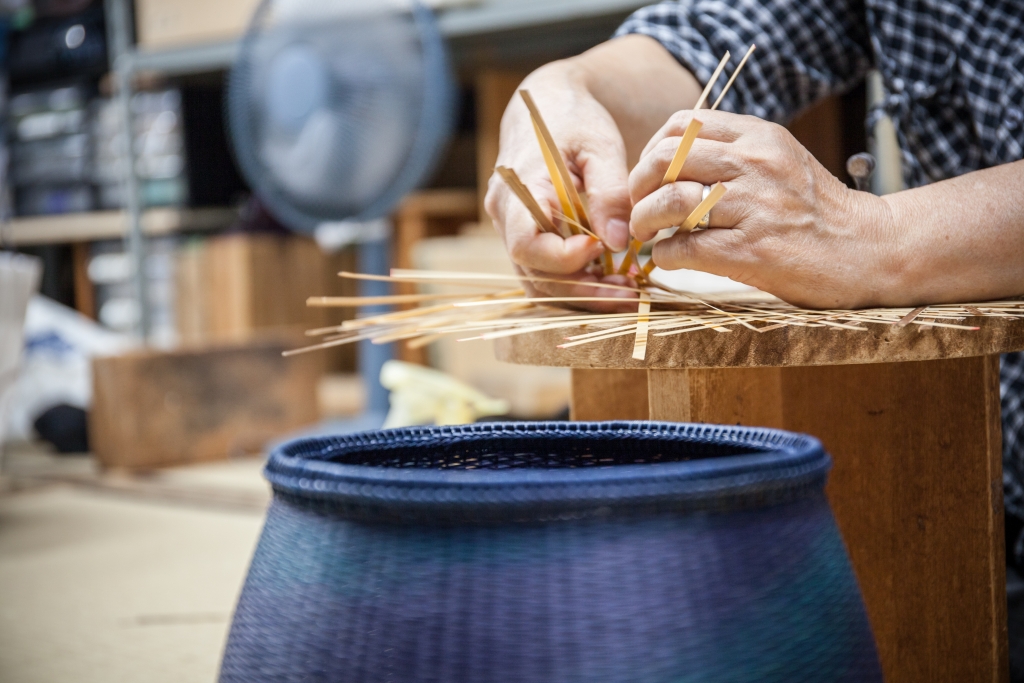
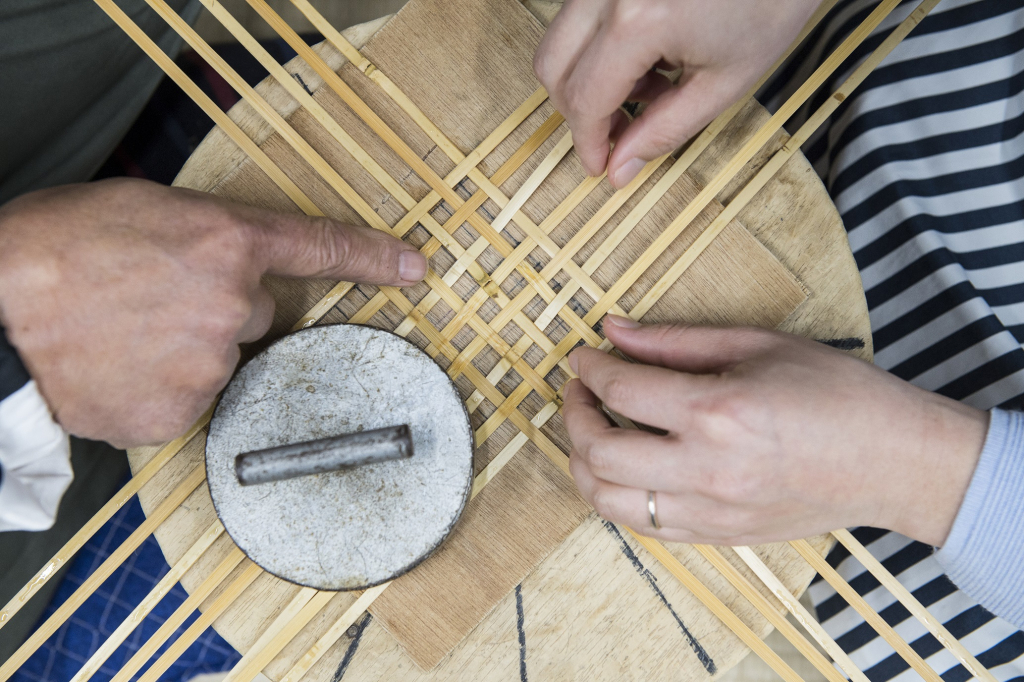
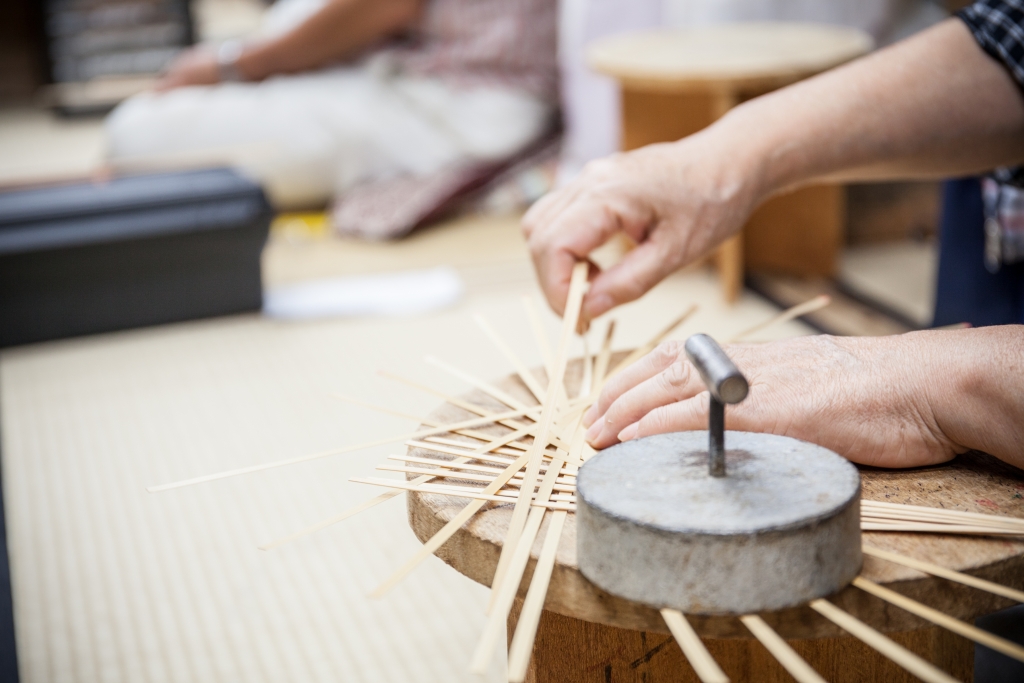
Several artisans are always at work making bamboo craft items such as baskets and ornaments. In addition to watching them work, you can view and purchase products on display.
If you’d like, you can also join a “bamboo craft experience,” making items such as bamboo baskets or bamboo dragonflies with careful instruction from an artisan.
Outside the building is a landscaped plaza with plantings of bamboo and sasa (bamboo grass).
The plaza is designed with bamboo associated with the place name Takehara and elements like Kennin-ji fences. At the back is “Kōsaikyo,” the study of Meiji-era scholar Nakamura Sanri, along with a drinking fountain, benches, and a rest area.
Business Hours
9:30–16:00
Closed
Year-end/New Year holidays; irregular closures
1-minute walk
4.

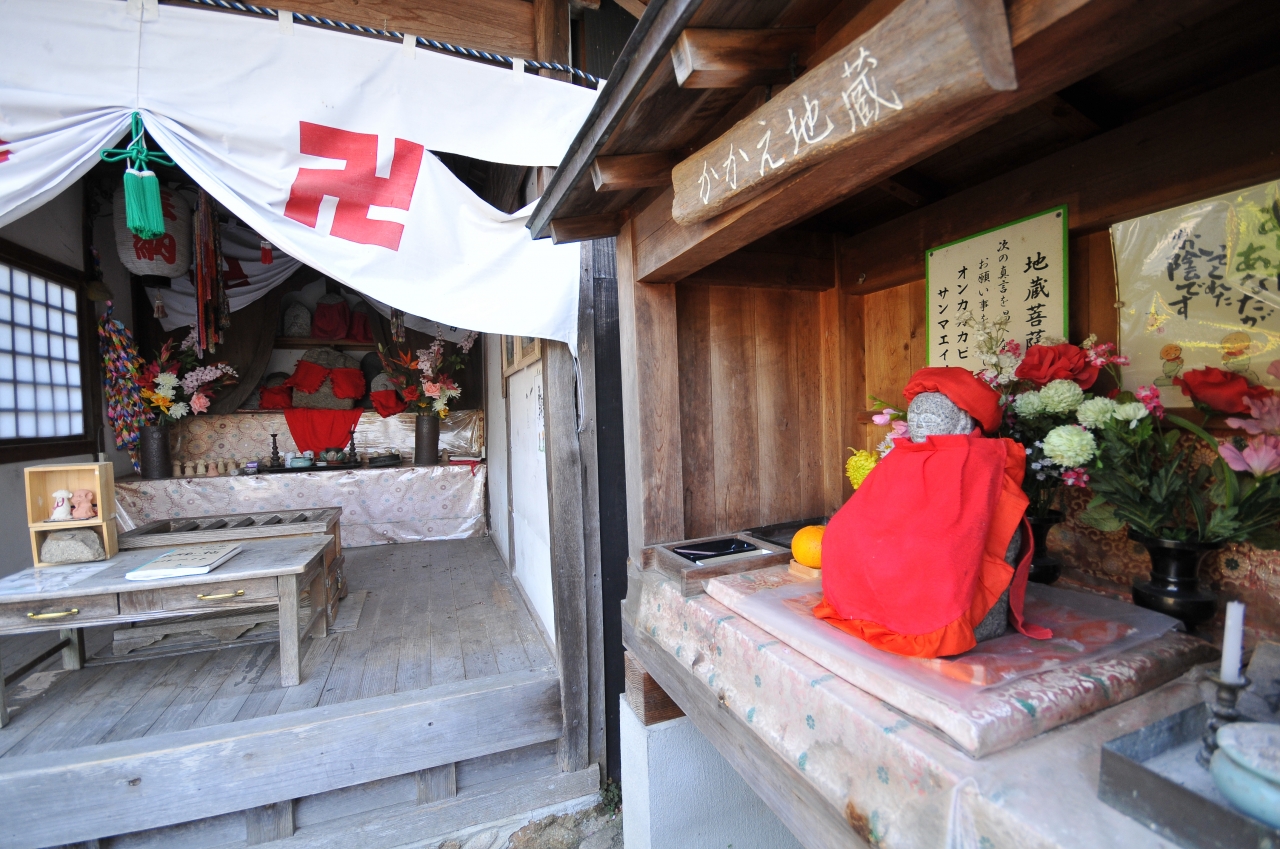
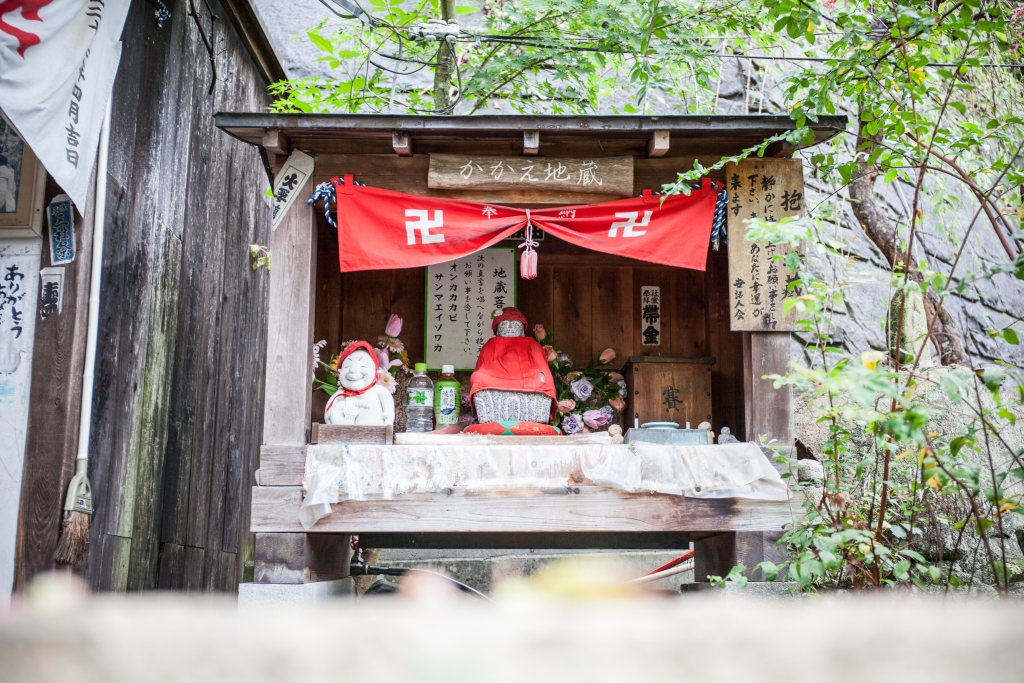
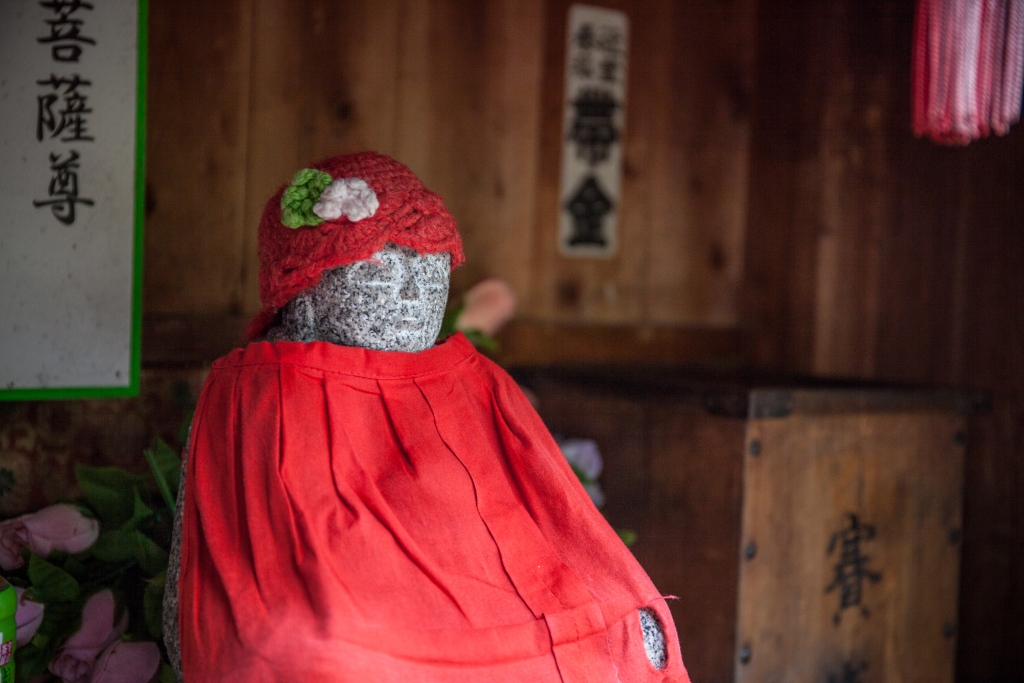
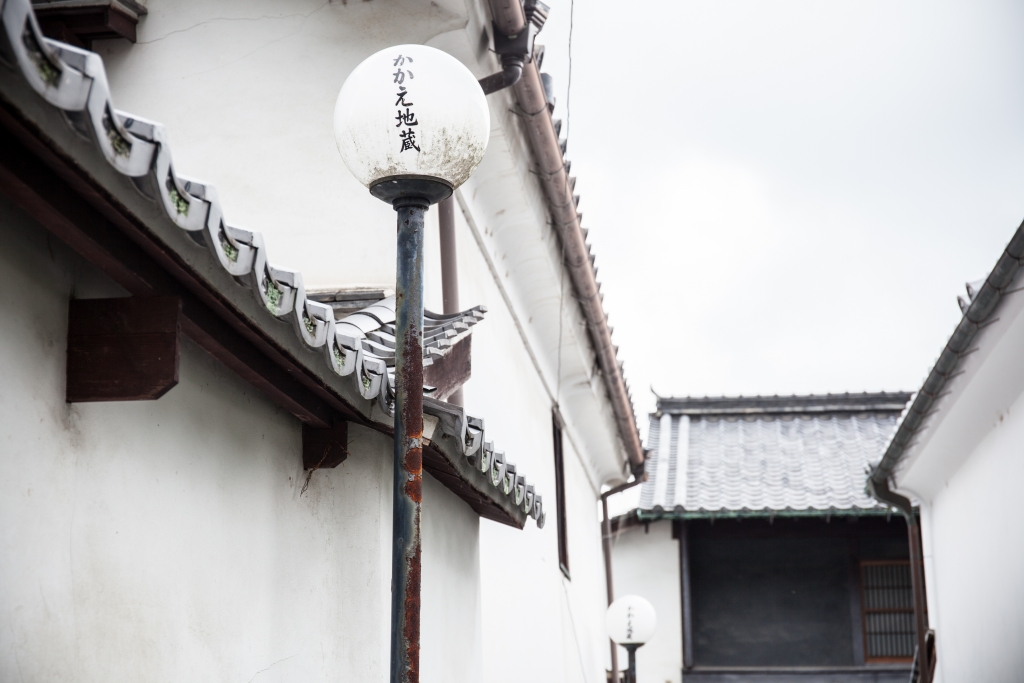
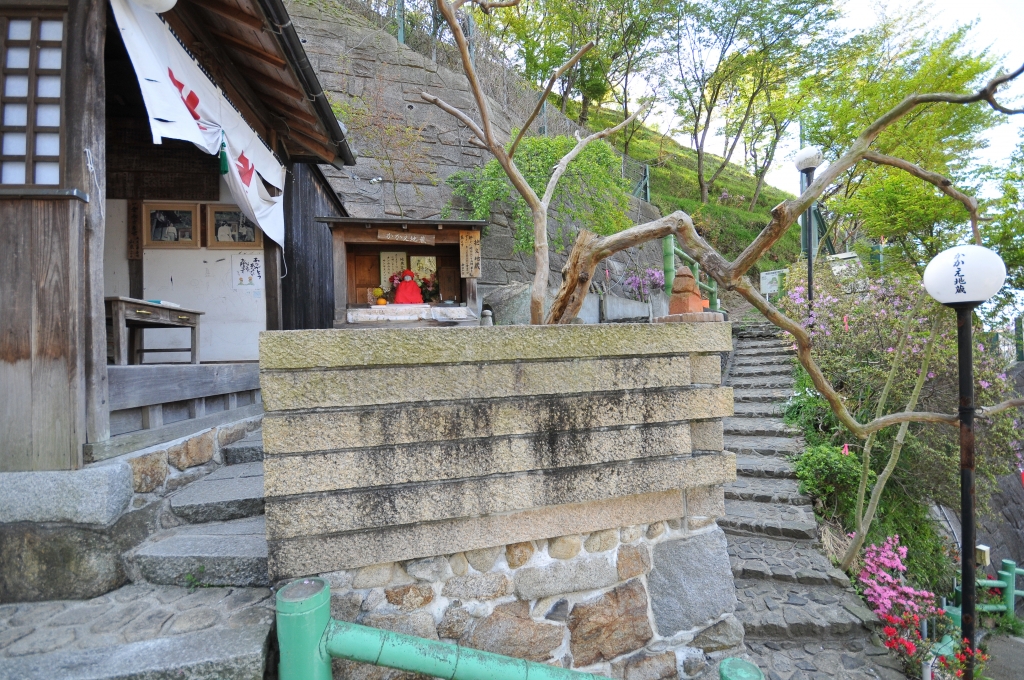
Okakae Jizo

May your wishes come true!
A Jizo statue established in 1650.
It is said that if you lift the statue while making a wish and it feels light, your wish will come true.
1-minute walk
5.

Kodo Shrine

Visit this auspicious hall and boost your fortune!
A familiar spot from director Obayashi Nobuhiko's film "The Girl Who Leapt Through Time." During the salt field industry's heyday, this area was called Kamiichi and Shimoichi. Ebisu-do was enshrined as the guardian deity of commerce for Kamiichi. The annual October festival praying for commercial prosperity has become an indispensable town event.
1-minute walk
6.

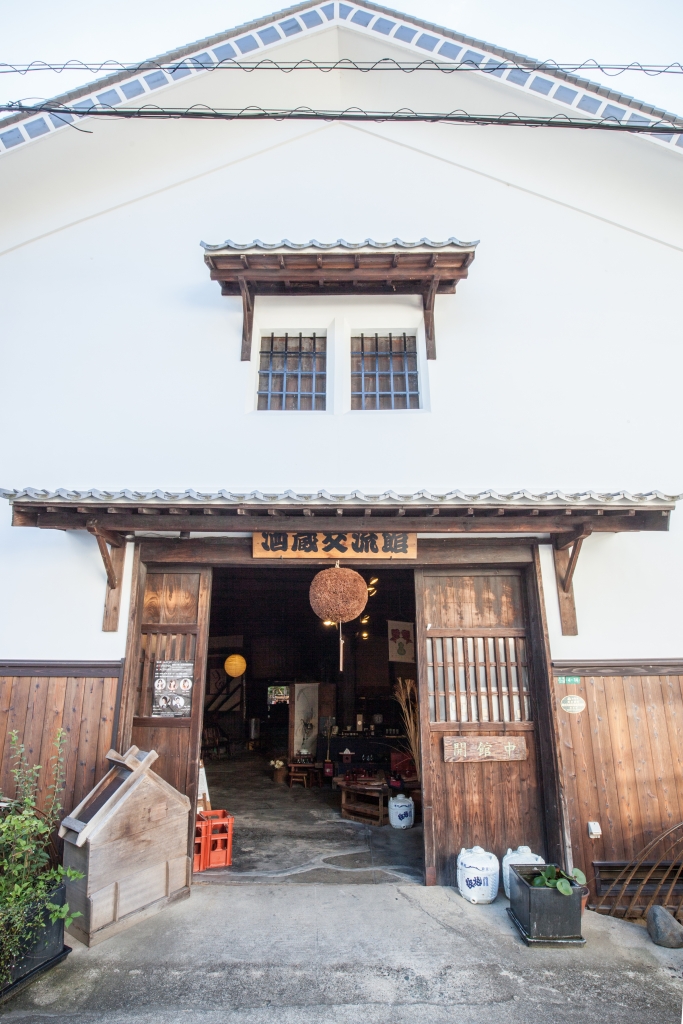
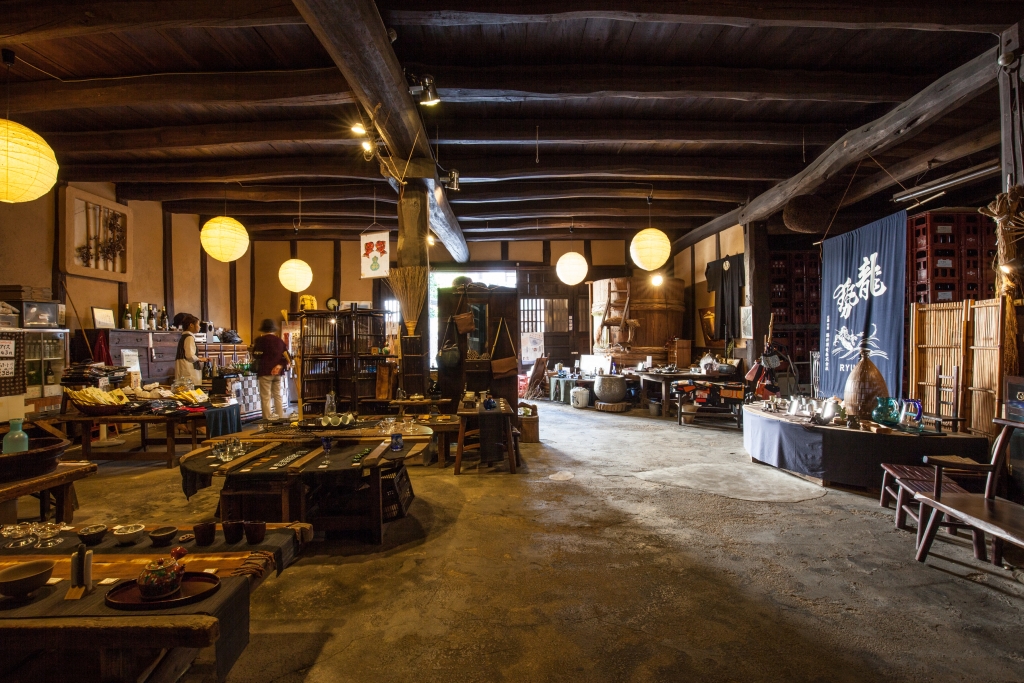
Fujii Sake Brewery - Sake Brewery Exchange Hall

You can purchase sake and lovely sake vessels!
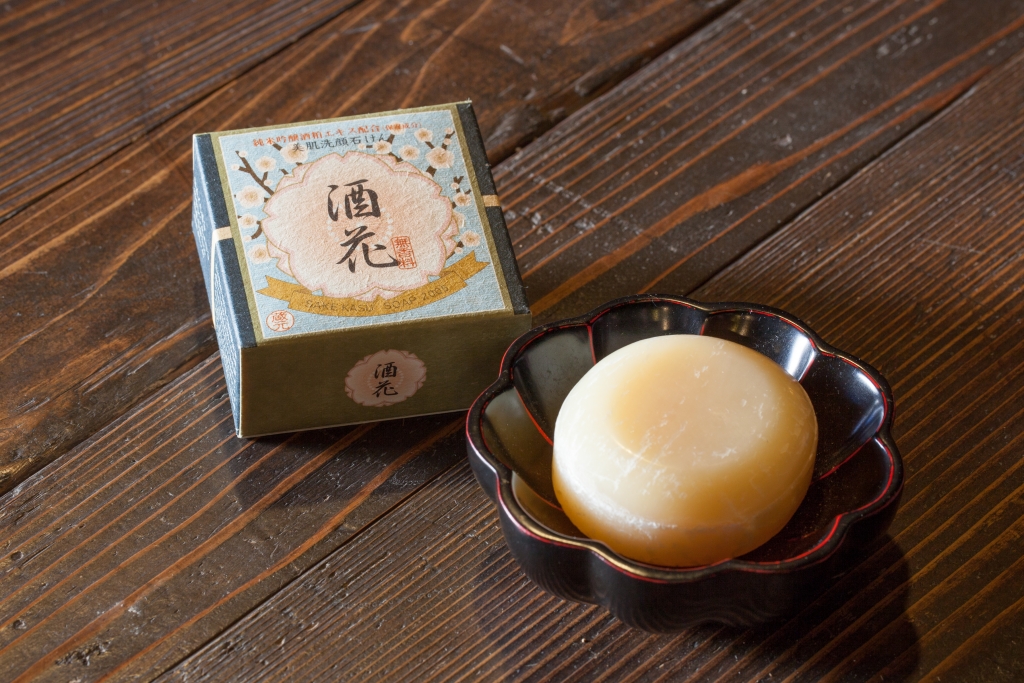
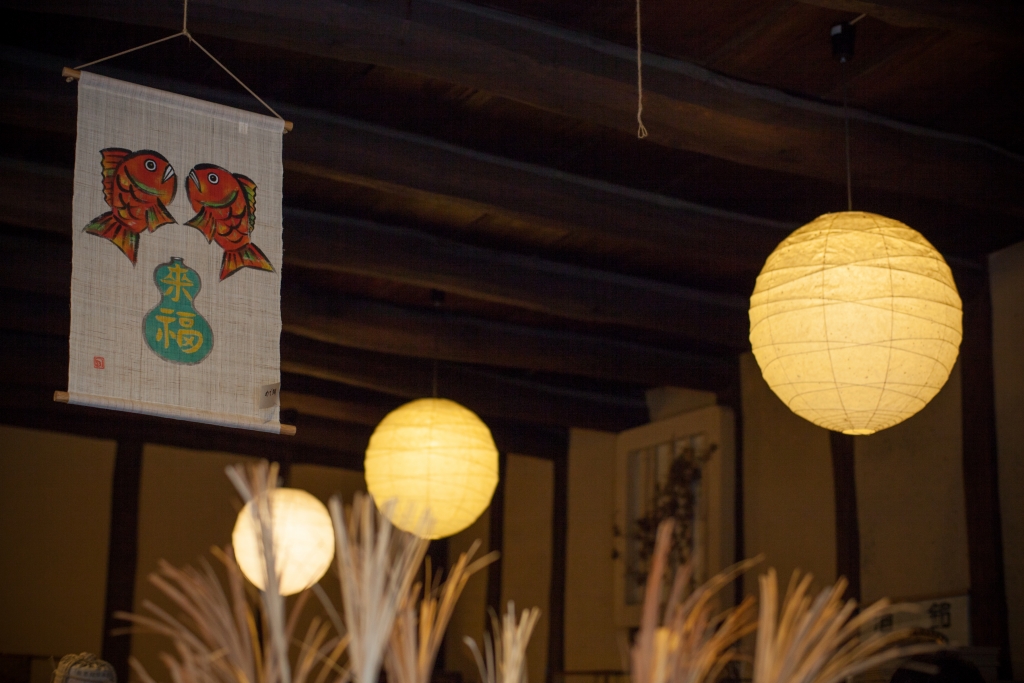
Fujii Sake Brewery, established in 1863. Enjoy touring the Sake Brewery Exchange Hall, which opens a sake brewery built in the mid-Edo period to visitors. Thick pillars and ceiling beams tell the story of over 150 years of tradition, with a subtle sake aroma in the air. The brewery's characteristically high ceilings create a calm atmosphere where tables and chairs are arranged for sake tasting. Souvenirs are also sold, including "Sakehana" cosmetic soap made with sake lees, stylish goods, tableware, sake vessels, and bamboo-themed items.
Please note that tours of the brewing facility are not available.
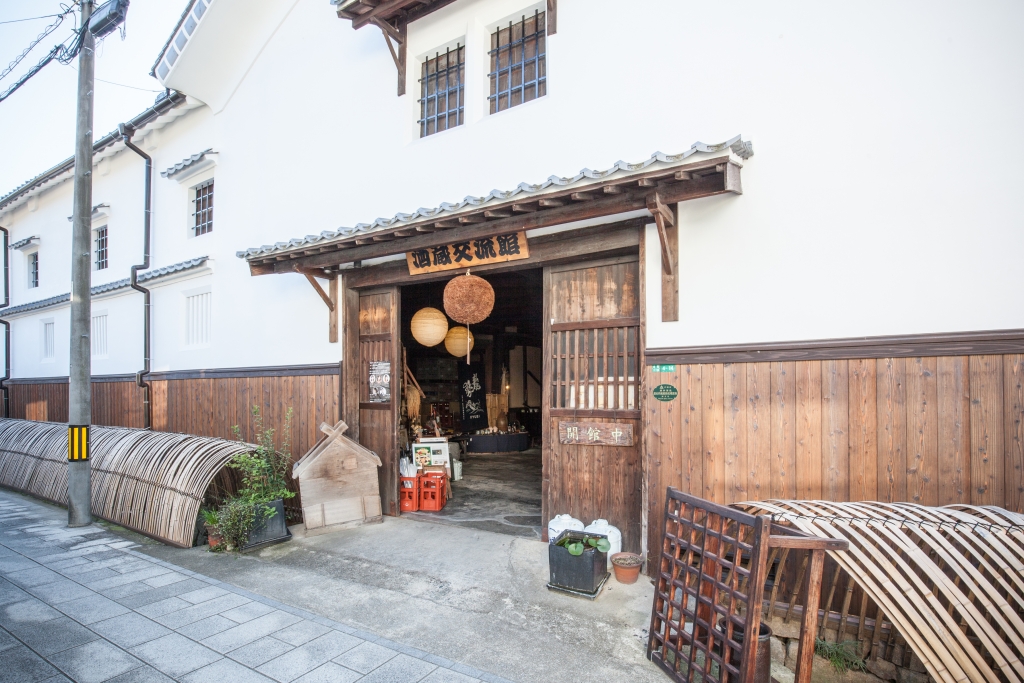
Business Hours
11:00 AM–4:00 PM
Closed
Mondays (or the following day if Monday is a holiday)
15-minute walk
5-minute drive
7.

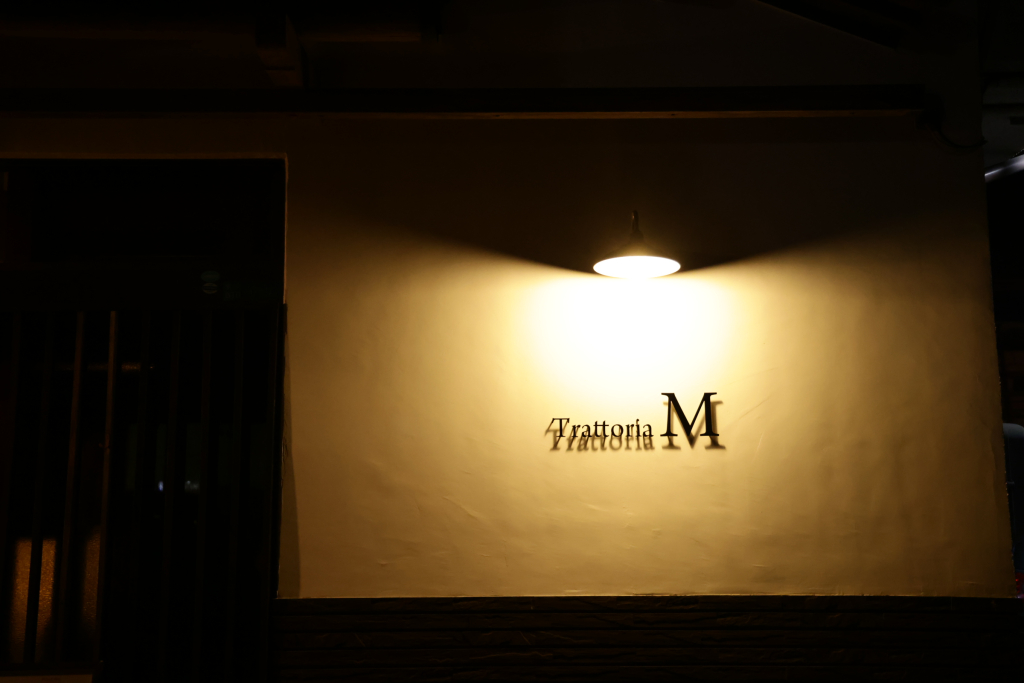
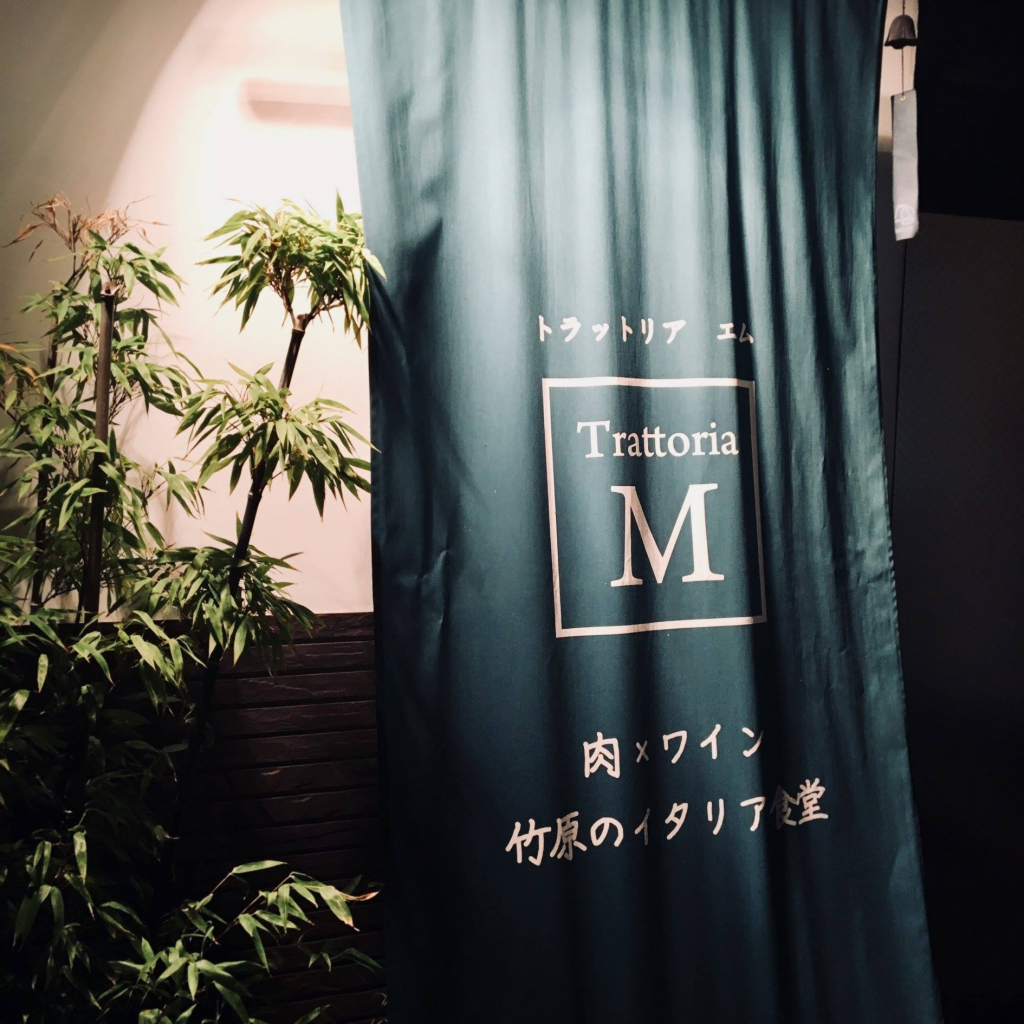
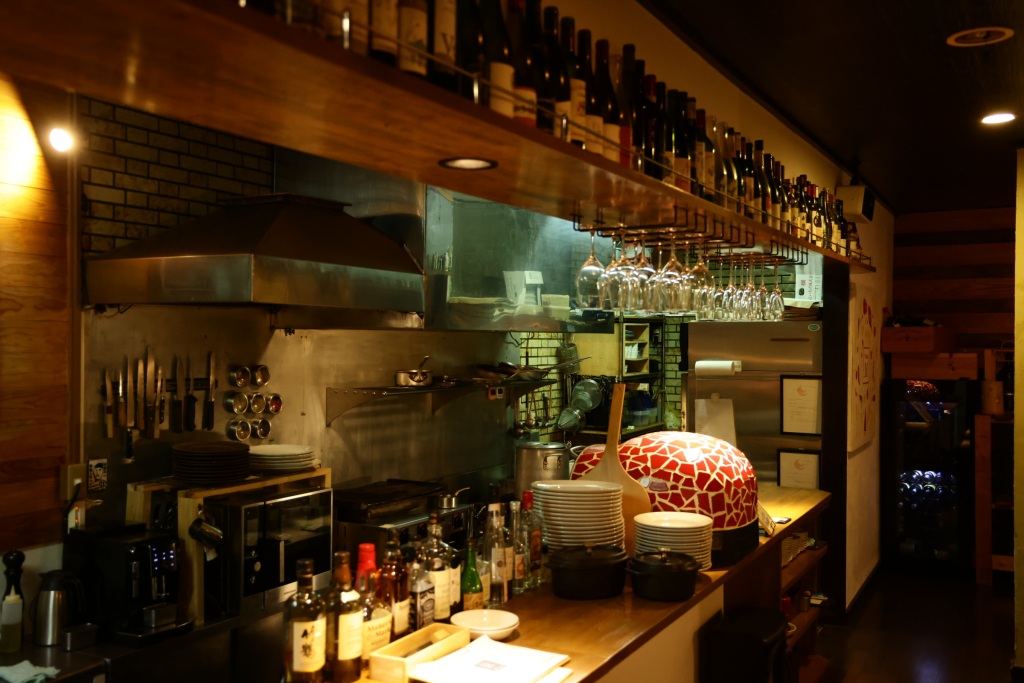
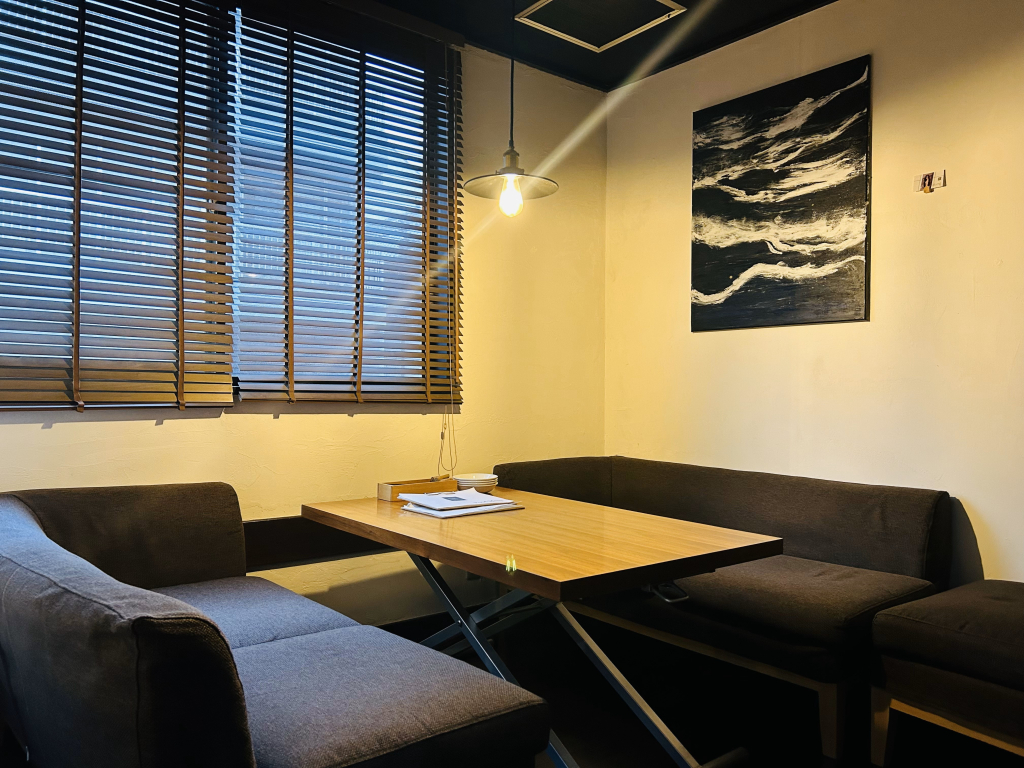
Trattoria M

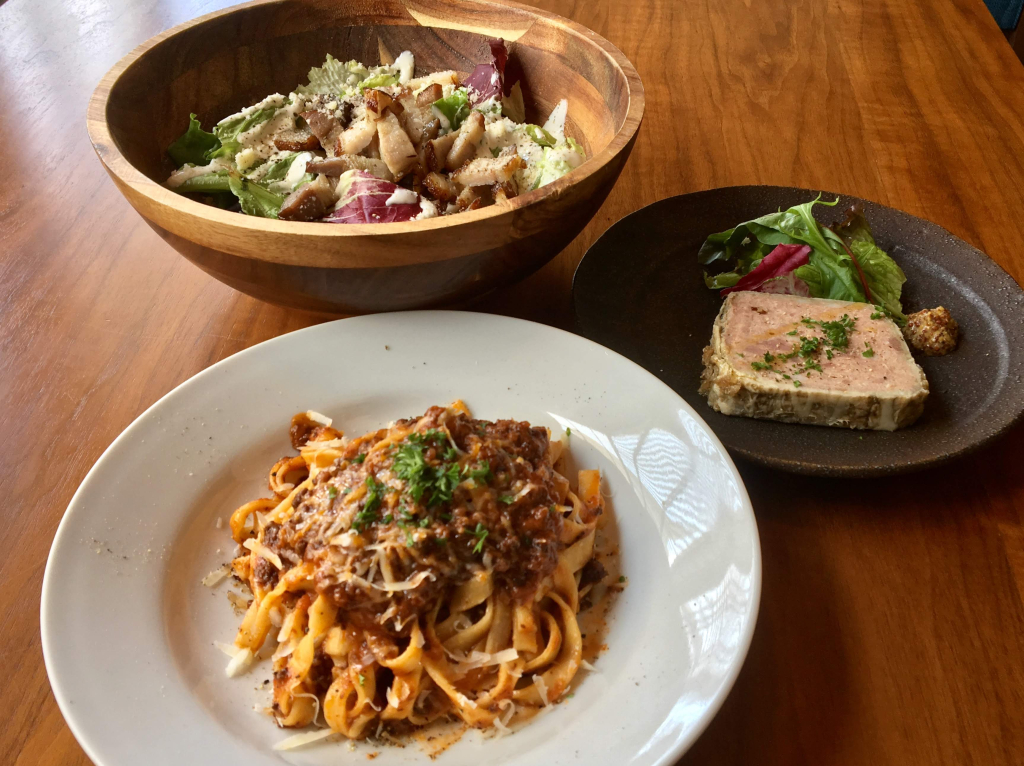
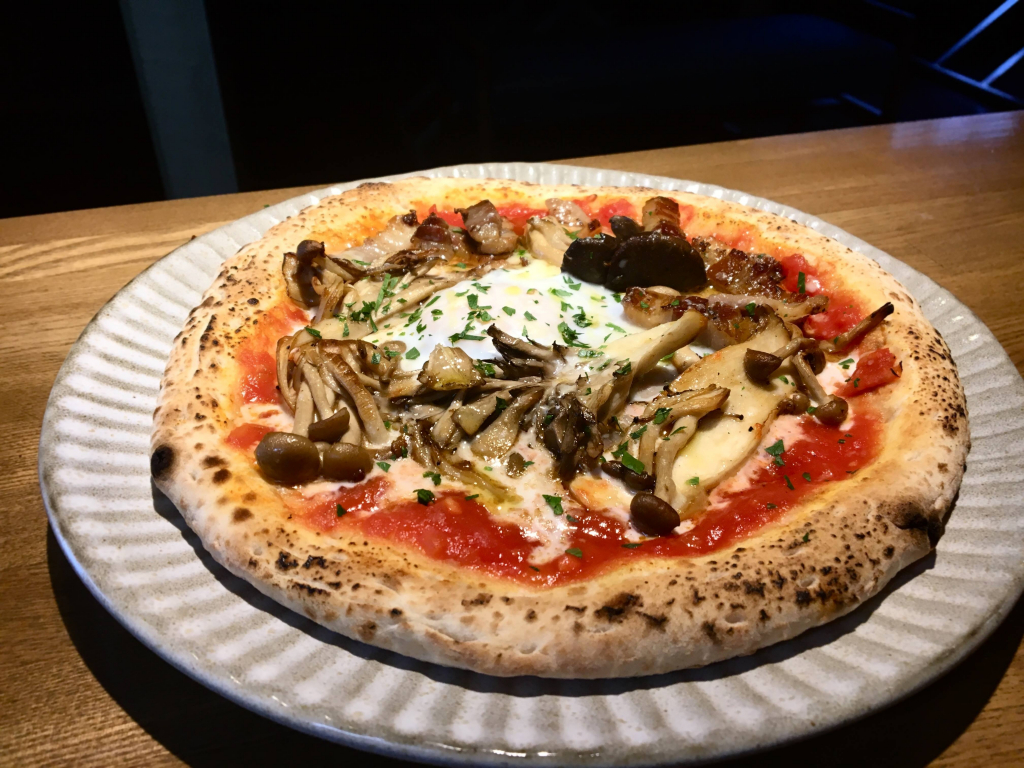
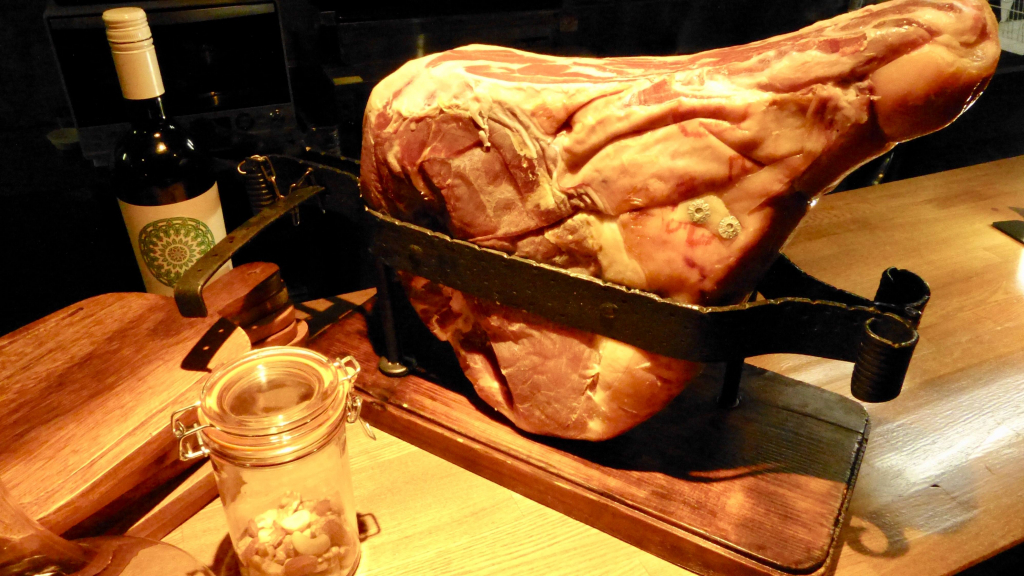
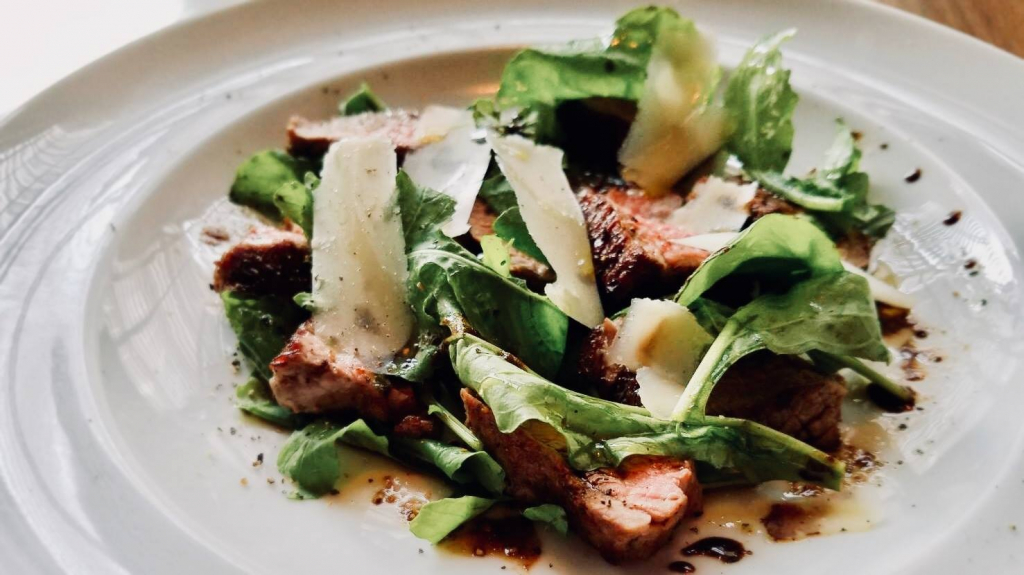
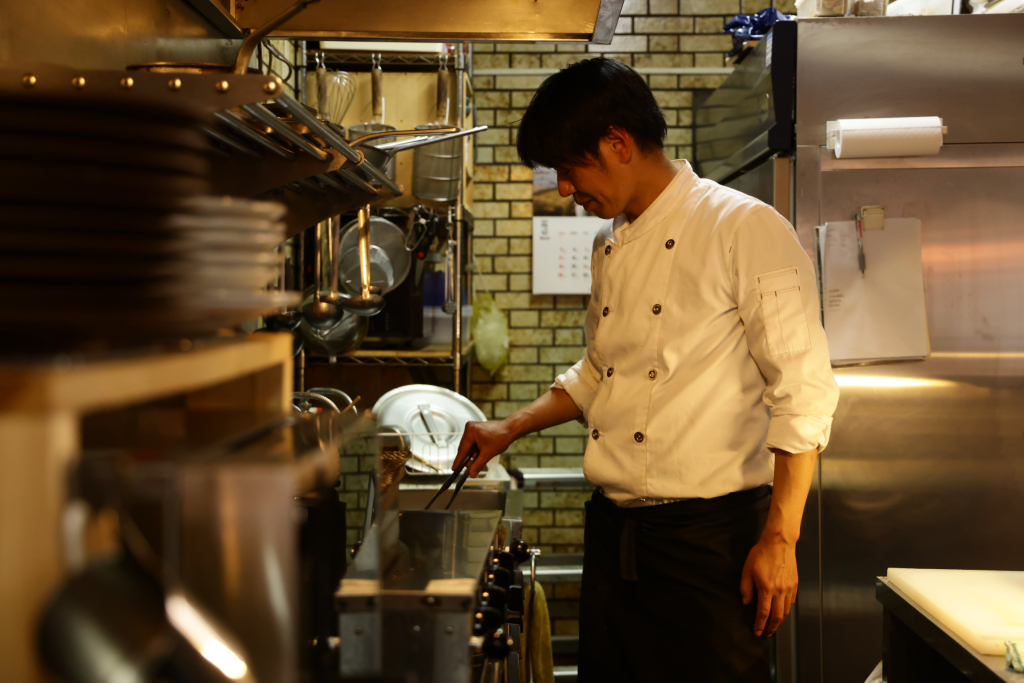
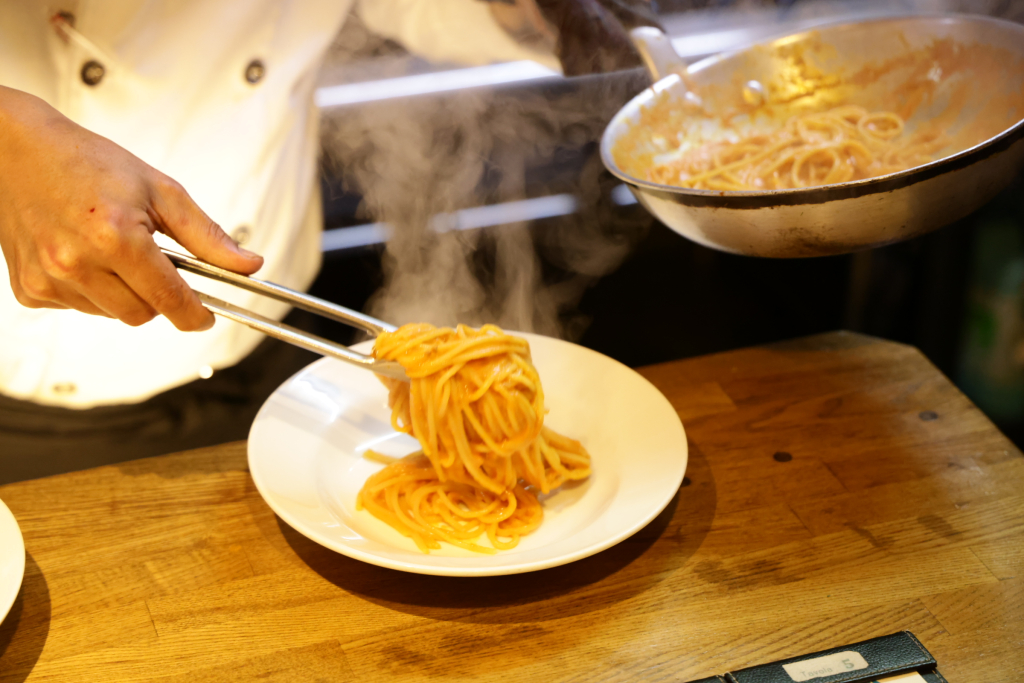
With the concept of "Meat × Wine: Takehara's Italian Dining," we offer Italian cuisine unique to Takehara, centered on meat dishes featuring Tougeshita beef, homemade bacon, and game meat.
The Takehara area and surroundings are blessed with the bounty of the Seto Inland Sea and the mountains.
Drawn to this rich land, we relocated from Yokohama and opened in October 2017.
With the concept of "Meat × Wine: Takehara's Italian Dining," we offer Italian cuisine where Takehara's ingredients take center stage, focusing on meat dishes featuring Tougeshita beef, homemade bacon, and game meat.
A casual restaurant where you can enjoy lively conversation over wine or local sake.
Business Hours
11:30 AM–3:00 PM (L.O. 2:30 PM) *Lunch served Tuesdays, Thursdays, and Saturdays only / 5:30 PM–10:00 PM (L.O. 9:00 PM)
Closed
Sundays and Mondays *Lunch served Tuesdays, Thursdays, and Saturdays only
This site is registered on wpml.org as a development site. Switch to a production site key to remove this banner.